
How To Repair Washer That Won’t Spin Properly Fast

How To Repair Washer That Won’t Spin Properly starts with spotting the little warning signs most people shrug off at first. A tub that struggles to spin, soaked clothes stuck at the end of a cycle, or that irritating humming sound can turn laundry day into a full-blown headache. Nobody wants to drag dripping towels across the floor or rerun the same load twice because the washer suddenly gave up halfway through. Small issues often snowball fast, especially once worn belts, faulty lid switches, or clogged drain systems start putting extra stress on the motor.
Frustration usually kicks in after people replace random parts and still end up staring at a washer that barely moves. That’s where proper troubleshooting changes everything. A loose drive belt feels completely different from a failing motor coupler, and oddly enough, both problems can create nearly identical symptoms. Pinpointing the actual cause saves time, cuts unnecessary spending, and keeps perfectly good components from getting tossed in the trash for no reason. Little details matter here, right down to unusual vibrations or sudden pauses during the spin cycle.
Most washers don’t fail all at once. They drop hints. Maybe the drum spins weakly during heavier loads, or maybe it bangs around like sneakers trapped in a dryer. Those clues often point toward balance problems, worn suspension rods, or overloaded cycles that slowly wear internal parts down. Washer maintenance habits play a bigger role than many expect, especially in homes where bulky blankets, pet bedding, or heavy work clothes get washed constantly. Ignoring those patterns can shorten the machine’s lifespan faster than people realize.
Then there’s the electrical side of things, and honestly, that’s where many repairs get intimidating. A damaged lid latch, timer issue, or control board glitch can stop spinning completely even when everything else seems fine. Still, not every repair calls for expensive service appointments. Careful inspection, basic tools, and a little patience often uncover surprisingly manageable fixes. Common washer repair steps usually revolve around checking drain flow, inspecting drive components, and testing simple safety mechanisms before diving into major replacements.
Noise also tells a story. Grinding sounds may point toward worn bearings, while squealing often hints at slipping belts or overloaded drums. Those sounds aren’t random quirks. They’re warnings begging for attention before a minor repair turns into a much bigger mess. How To Repair Washer That Won’t Spin Properly becomes far less stressful once the symptoms start making sense instead of feeling like pure guesswork. A washer doesn’t need to be brand-new to run smoothly again, but it does need the right fix applied at the right time.

- TAR Score9.2
TAR Score is a ranking system developed by TopAppliancesReviews.com. TAR score has no relationship or impact from any manufacturers or sales agent websites. Learn more
- BrandXBVV
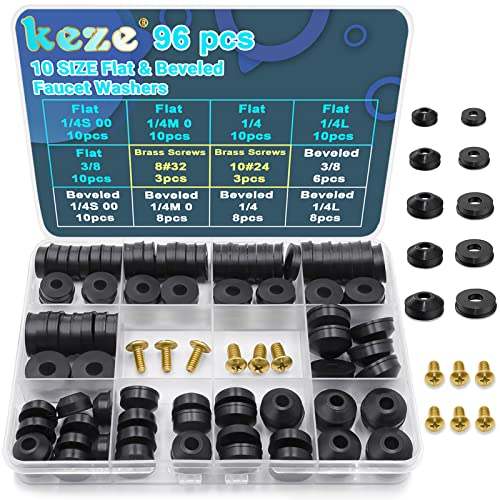
- TAR Score9.2
TAR Score is a ranking system developed by TopAppliancesReviews.com. TAR score has no relationship or impact from any manufacturers or sales agent websites. Learn more
- BrandKeze

- TAR Score9.2
TAR Score is a ranking system developed by TopAppliancesReviews.com. TAR score has no relationship or impact from any manufacturers or sales agent websites. Learn more
- BrandSliverdew

- TAR Score8.8
TAR Score is a ranking system developed by TopAppliancesReviews.com. TAR score has no relationship or impact from any manufacturers or sales agent websites. Learn more
- BrandSliverdew

- TAR Score8.8
TAR Score is a ranking system developed by TopAppliancesReviews.com. TAR score has no relationship or impact from any manufacturers or sales agent websites. Learn more
- BrandDanco

- TAR Score8.8
TAR Score is a ranking system developed by TopAppliancesReviews.com. TAR score has no relationship or impact from any manufacturers or sales agent websites. Learn more
- BrandLASCO

- TAR Score8.6
TAR Score is a ranking system developed by TopAppliancesReviews.com. TAR score has no relationship or impact from any manufacturers or sales agent websites. Learn more
- BrandAzi
- TAR Score8.2
TAR Score is a ranking system developed by TopAppliancesReviews.com. TAR score has no relationship or impact from any manufacturers or sales agent websites. Learn more
- BrandSankoly
Last update on 2026-07-20 / Affiliate links / Images, Product Titles, and Product Highlights from Amazon Product Advertising API
How To Repair Washer That Won’t Spin Properly
A load that comes out dripping wet can ruin the whole rhythm of the day, especially when towels feel like soaked sandbags and the floor gets splashed on the way to the dryer. The tricky part is that how to repair washer that won’t spin properly rarely starts with one obvious answer. A weak spin can come from poor draining, a faulty lid switch, a worn belt, or a load that’s simply too heavy on one side. Smart repair starts with narrowing the cause before money gets tossed at parts the washer never needed.
Washer Spin Problems
A washer that won’t spin properly usually gives clues before it completely quits. Clothes may feel wetter than usual, the tub may turn slowly, or the machine may stop right before the final spin. Those signs matter because spin failure can look like a motor problem even when the real issue is water trapped in the drum. A washer won’t reach full spin speed if it still thinks the tub is loaded with water.
Start with the simplest check first. Open the washer after the cycle ends and look for standing water at the bottom of the tub. If water remains, the problem likely sits in the drain hose, drain pump, or a clogged filter area rather than the spin system itself. That one observation can save a lot of needless guessing.
Balance also matters more than people expect. A heavy comforter, a pile of jeans, or one soaked bath mat can throw the drum off center and trigger the washer’s safety response. Many machines slow down or stop spinning to avoid shaking themselves across the laundry room. That’s not a failure every time, but repeated imbalance can wear out suspension rods, shock absorbers, and bearings.
Noise gives another practical clue. A humming sound with no movement often points toward a jammed pump, while squealing may signal a slipping belt. Loud banging suggests load imbalance or weak suspension support. Repairing the spin problem gets much easier once the symptom is matched to the right section of the washer.
Drainage Comes First
Poor draining is one of the sneakiest reasons a washer refuses to spin right. The machine may look like it has a spin issue, but the control system may simply be waiting for water to leave. A clogged drain path forces the washer to work harder, and the final spin may slow down, pause, or fail altogether. Drain flow should always be checked before opening up the motor area.
Pull the drain hose out carefully and inspect it for bends, kinks, or blockages. A hose pushed too far into the standpipe can also cause siphoning problems that confuse the cycle. Small items like lint, coins, hair ties, and fabric strings can collect inside the pump area over time. For routine buildup in top-load machines, keep the tub residue from turning into sludge by cleaning it regularly with a washing machine cleaner for top loader before odors and grime start messing with rinse quality.
The drain pump deserves a close look if the washer hums but water stays put. Some pumps have a clean-out filter behind a small front panel, while others require removing a hose clamp. Unplug the machine before touching anything inside, because electrical safety beats speed every single time. A wet repair area and live power are a bad mix, plain and simple.
After clearing the hose or pump filter, run a drain and spin cycle with no laundry inside. Watch whether water exits quickly and whether the tub ramps up to speed. A strong drain followed by a steady spin means the washer may not need deeper repair. A weak drain, strange grinding, or repeated stopping suggests the drain pump may be damaged or blocked farther inside.
Load Balance And Drum Movement
A washer can’t spin smoothly if the load keeps slamming to one side. This happens a lot with blankets, pet beds, hoodies, and heavy towels. The machine senses the uneven weight and may slow down to protect the frame. That safety feature helps prevent damage, but constant imbalance still puts stress on suspension parts and drive components.
Redistribute the load by hand before assuming a part has failed. Spread bulky items around the drum instead of letting one large piece sit in a wet lump. Smaller mixed loads often spin better than one huge load stuffed to the rim. Overloading is a quiet troublemaker because it can mimic mechanical failure while slowly wearing the washer down.
Pet hair adds another layer of frustration. Hair can cling to fabric, collect around the drain path, and make wet laundry heavier than expected. Homes dealing with fur-covered blankets may need a washer setup that handles lint, hair, and rinse pressure better, so compare washing machine for cat hair choices if laundry constantly comes out heavy, hairy, and half-rinsed. That doesn’t replace repair, but it explains why some machines struggle harder with the same type of load.
Check drum movement by pressing down gently on the tub when the washer is empty. The tub should move and settle without bouncing wildly. A tub that keeps wobbling may have weak suspension rods, worn springs, or tired shock absorbers. Excessive bouncing during spin is more than annoying noise, because it can stop the washer from reaching proper speed.
Lid Switch And Door Lock Checks
The lid switch or door lock acts like a gatekeeper. If the washer doesn’t sense that the lid or door is closed, it may refuse to spin even though the motor and belt are fine. This problem often appears suddenly after a lid slam, a loose latch, or years of normal use. Safety switches are small parts, but they can shut down the whole spin cycle.
Top-load washers may click when the lid closes. If that click disappears, the switch may be broken, misaligned, or stuck. Front-load washers usually rely on a door lock assembly, and a weak lock can trigger pauses or error codes. A washer that drains but won’t spin often deserves a close look at the lid switch or door latch.
Inspect the latch area for cracked plastic, loose screws, sticky detergent residue, or debris. Sometimes the fix is as simple as cleaning around the lock so it can engage properly. Other times, the switch needs testing with a multimeter or replacing with the correct model-specific part. Guessing here gets expensive, so part matching matters.
Don’t bypass the lid switch just to force the washer to run. That shortcut creates a real injury risk because the tub can spin at high speed. A proper repair keeps the safety system working the way it should. Washer repair should restore both function and protection, not trade one problem for another.
Belts Couplers And Drive Parts
The drive system turns motor power into drum movement. Belt-drive washers may use a rubber belt that can stretch, crack, glaze, or slip over time. Direct-drive washers may use a motor coupler that wears down after repeated heavy loads. A weak spin with a working motor often points toward belt wear, coupler damage, or a pulley issue.
Unplug the washer and remove the access panel if the model allows it. Look for black rubber dust, cracked belt edges, loose pulleys, or pieces of plastic near the motor area. A belt that looks shiny or feels loose may slip instead of gripping properly. That slip can leave clothes wet even though the washer sounds like it’s trying.
Motor couplers fail in a different way. The washer may fill and drain, but the tub may not agitate or spin with normal strength. Some machines make a rattling or grinding noise as the damaged coupler struggles to transfer power. Drive coupler failure is especially common after years of overloaded cycles and hard starts.
Drive repairs can be manageable, but model layout makes a big difference. Some washers offer easy lower-panel access, while others require more disassembly than a casual repair should tackle. Stop if wiring, sealed assemblies, or heavy components feel beyond reach. Knowing the limit is part of a good repair plan, not a defeat.
Spin Speed Sensors And Control Issues
Modern washers rely on sensors to decide whether the tub is safe to spin. A speed sensor, also called a tachometer on some designs, tracks drum movement and reports back to the control board. If that signal gets weird, the washer may stop, restart, or refuse to accelerate. Electronic spin problems can feel random because the mechanical parts may look fine.
Error codes help here, so don’t ignore them. Write down the code exactly as shown before unplugging the machine or resetting it. A code tied to motor speed, door lock, draining, or imbalance gives the repair path a much sharper direction. Accurate diagnosis beats replacing parts in the dark.
Control boards are sometimes blamed too quickly. A loose wire harness, corroded connector, or faulty sensor can create the same behavior as a bad board. Check visible connectors only after the washer is unplugged, and avoid yanking wires by the cord. A careful look for loose connections can prevent an expensive and unnecessary control board swap.
Laundry rooms with poor airflow can make appliance issues feel worse. Dampness around the washer, musty smells, and lingering bathroom moisture can encourage odor and corrosion around nearby spaces. For odor control beyond the washer area, reduce moisture problems with a air purifier for bathroom odors while still fixing the actual drainage or ventilation source. Moisture control won’t repair a spin cycle, but it can help keep the surrounding space fresher and less stale.
How To Repair Washer That Won’t Spin Properly Part Two
Spin trouble gets a lot less mysterious once the washer has already been checked for drainage problems, load balance, lid switch failure, and drive system wear. The next step is digging into the parts that make the machine stable, safe, and consistent during the fastest part of the cycle. A washer can look “almost fixed” after one good spin, then fall right back into weak performance on the next heavy load. That back-and-forth behavior usually means something deeper still needs attention.
Suspension And Shock Wear
A washer tub needs firm support before it can spin at full speed. Worn suspension rods, weak springs, or tired shock absorbers let the drum bounce too much during acceleration. Once the control system senses that rough movement, it may slow the spin or stop the cycle completely. That safety response protects the machine, but it leaves clothes heavy, wet, and annoying to handle.
Push down on the empty tub and watch how it reacts. A healthy tub should dip, rise, and settle without flopping around like a loose shopping cart wheel. If it keeps bouncing, leaning, or knocking the cabinet, the suspension parts may be worn out. Excessive tub movement often gets blamed on “bad balance,” but the real issue may be parts that no longer hold the drum steady.
Front-load washers use shocks that control drum movement during high-speed spin. Top-load washers often rely on suspension rods or springs, and those parts can weaken after years of overloaded bedding, towels, or work clothes. A machine that repeatedly walks across the floor is waving a red flag. Washer stability matters because every violent shake stresses wiring, hoses, bearings, and the outer tub.
Replacement difficulty depends heavily on the model. Some suspension rods can be changed with moderate patience, while certain shock repairs require tight access and careful panel removal. Match parts by model number rather than guessing from appearance. Correct replacement parts keep the washer balanced and reduce the risk of repeat spin failure.
Bearings And Tub Noise
Bearings allow the inner drum to spin smoothly inside the washer. Once they wear down, the spin cycle may sound like a rough airplane takeoff, especially with heavier loads. A grinding, roaring, or metallic rumble usually points toward bearing wear rather than a simple balance issue. That sound tends to get worse over time, not better.
Rotate the empty drum by hand after unplugging the washer. Smooth movement is a good sign, but rough scraping, wobbling, or resistance suggests deeper mechanical wear. Water leaking near the bearing seal can speed up damage and create a costly repair path. Tub bearing problems are serious because they affect both spin speed and long-term machine structure.
Some bearing repairs are practical only if the washer design allows the tub assembly to be serviced. Other models use sealed tubs, which can make repair expensive compared with replacement. That tradeoff deserves a calm look instead of a rushed decision. Repair cost, machine age, and overall condition should all guide the next move.
A washer that still fills, drains, and agitates may feel worth saving, but bearing noise changes the math. If the machine is older and several parts are already worn, pouring money into one major repair may not make sense. For a replacement path that keeps a traditional wash action, compare a ge washing machine with agitator before sinking cash into a failing tub assembly. Practical repair decisions should protect the budget as much as the laundry routine.
Motor Trouble And Electrical Clues
The motor doesn’t always fail dramatically. Sometimes it hums, overheats, starts slowly, or cuts out once the spin speed rises. That kind of behavior can point to motor weakness, a failing capacitor, or wiring that loses contact during vibration. A washer may pass a light test load and still struggle with towels or jeans.
Smell matters here. A hot electrical odor, burning rubber smell, or repeated breaker trip should stop the repair attempt right away. Those signs can mean overheated windings, a slipping belt, or a shorted component. Electrical safety comes first, because a wet laundry room is no place to gamble with live current.
Some top-load machines use capacitors to help the motor start. A weak capacitor can make the motor buzz without giving it enough push to spin properly. Testing that part requires safe handling because capacitors can hold a charge after power is removed. Start components may be small, but they can decide whether the washer moves or just complains.
Loose wiring can mimic bigger failures. Vibration from years of spin cycles may loosen connectors near the motor, pump, lid lock, or control board. Inspect visible plugs only with the washer unplugged, and avoid tugging wires by force. Clean connections and secure harnesses can sometimes bring back steady spin without replacing major parts.
Resetting Cycles And Reading Codes
Modern washers often store fault codes after a failed spin attempt. Those codes can point toward drain faults, door lock errors, motor speed issues, or imbalance warnings. Write the code down before clearing anything. A reset without notes can erase the best clue the washer gave you.
Unplugging the washer for a few minutes may clear a temporary control glitch. That said, a reset is not a repair if the same problem returns on the next load. Treat it like a test, not a cure. Repeat spin failure means the washer is still reacting to a real mechanical, drainage, or electrical issue.
Run an empty rinse and spin cycle after any repair step. Then try a small balanced load, followed by a normal load if everything sounds steady. This staged approach keeps the machine from being thrown straight back into heavy work before the fix is proven. Controlled testing helps separate a true repair from a lucky cycle.
Listen for changes after each test. A smoother ramp-up, faster drain, and less cabinet movement all point in the right direction. Sudden banging, repeated pauses, or wet laundry at the end means the repair path needs another look. Washer diagnostics work best when each symptom is checked one at a time.
Preventing Repeat Spin Failure
Good repair habits don’t end once the washer spins again. Keep loads balanced, avoid stuffing the drum, and wash bulky items with enough room to move. A washer needs space for water, fabric, and drum motion to work together. Overloading may save one trip today but can shorten the life of belts, bearings, suspension rods, and the motor.
Clean the drain path regularly if the washer handles pet bedding, rugs, or lint-heavy towels. Hair and fibers collect slowly, then suddenly cause poor draining and weak spin. Leaving the washer door or lid open after use also helps reduce trapped moisture and musty smells. Routine maintenance keeps small problems from turning into wet laundry drama.
Noise control matters in the home, too. A washer that vibrates against nearby cabinets, thin walls, or shared spaces can make the whole room feel louder than it should. If laundry noise is part of a bigger household sound problem near the kitchen, compare ultra quiet range hoods for a quieter appliance setup beyond the laundry area. Home comfort often comes from fixing the loudest little annoyances one by one.
Level the washer after moving it, replacing parts, or noticing new vibration. Even a slight tilt can make spin cycles rougher than they need to be. Check the feet, tighten lock nuts, and make sure the floor underneath feels solid. Proper leveling gives the washer a fair chance to spin smoothly without fighting gravity and vibration.
Repair Or Replace Decision
A repair makes sense when the washer is structurally sound and the failed part is affordable. Drain pumps, belts, lid switches, and some suspension parts are common fixes that can extend machine life. The decision gets harder with bearing failure, control board trouble, or repeated motor problems. Those repairs can climb quickly, especially on older machines.
Look at the pattern, not just the current breakdown. A washer that has needed several repairs in a short stretch may be wearing out across multiple systems. One soaked load is annoying, but repeated breakdowns eat time, patience, and money. Repair value depends on whether the machine can stay reliable after the current fix.
Age matters, but condition matters more. A well-kept washer with one failed lid switch may be worth saving. A noisy, leaking, unstable machine with weak spin and rust around the base tells a different story. Realistic expectations keep the decision grounded instead of emotional.
Repair the washer if the cause is clear, the part is accessible, and the total cost feels reasonable. Step back if the repair requires sealed tub work, repeated electrical diagnosis, or parts that approach replacement cost. How to repair washer that won’t spin properly is partly about fixing the machine, but it’s also about knowing when the smarter move is to stop chasing one problem after another.


10 Best Quality Semi Automatic Washing Machine of 2026 For Leak-Free Laundry

11 Best Small Washer Machine of 2026 For Everyday Laundry

12 Best Vibration Pads For Washing Machine of 2026 To Stop Walking and Shaking

11 Best Selling Front Load Washing Machine of 2026 For Quiet Odor-Free Laundry

11 Best Washing Machine For King Size Bedding of 2026 To Prevent Cycle Errors

10 Best Small Front Loader Washing Machine of 2026 For Tight Closets

12 Best Side Load Washing Machine of 2026 For Low Vibration

11 Best Single Tub Washing Machine of 2026 For Apartments Without Hookups






