
How To Remove Soap Film From Washer Door Glass Fast

How To Remove Soap Film From Washer Door Glass becomes a frustrating chore once cloudy streaks start sticking around no matter how often the washer gets wiped down. That dull haze slowly builds from detergent residue, fabric softener, hard water minerals, and leftover moisture hiding around the door seal. Before long, the glass looks greasy, the washer smells stale, and freshly washed clothes somehow don’t feel as fresh as they should. A quick swipe with a paper towel rarely fixes the real problem, and honestly, that’s where most people get stuck.
Warm water alone usually won’t cut through thick soap film. Greasy buildup clings tightly to washer door glass, especially around the edges where moisture loves to sit. Vinegar helps loosen residue, but timing matters, and scrubbing too aggressively can leave scratches or cloudy marks behind. Soft microfiber cloths, gentle cleaning mixtures, and a little patience tend to work far better than harsh abrasive cleaners that make the surface look worn over time.
Soap scum often sneaks up slowly, so many people ignore it until the washer starts looking downright grimy. Front-load machines deal with this problem constantly because trapped humidity creates the perfect environment for residue to thicken around the rubber gasket and glass door. Odd smells, slippery residue, and foggy streaks usually signal that detergent levels are too high or rinse cycles aren’t fully clearing the drum. Cutting back on excess detergent surprisingly solves a huge part of the issue.
Hard water creates another headache. Mineral deposits combine with detergent residue and form a chalky film that sticks stubbornly to the glass surface. Some cleaners temporarily brighten the door, yet the haze quickly returns because the underlying buildup never fully gets removed. Acid-based household ingredients like distilled white vinegar or lemon juice help dissolve those deposits naturally without exposing the washer to harsh chemicals. Small maintenance habits make a bigger difference than most people expect.
Leaving the washer door cracked open after cycles allows trapped moisture to escape instead of lingering inside the drum. That tiny habit alone reduces future residue buildup dramatically. Wiping the glass dry after heavy laundry loads also prevents water spots from settling into cloudy layers later on. Sure, it sounds simple, but these little routines save hours of deep cleaning down the road.
How To Remove Soap Film From Washer Door Glass also depends on understanding which cleaning methods actually protect the appliance instead of damaging it. Bleach-heavy products can wear down rubber seals over time, while rough scrubbing pads may leave fine scratches that trap even more residue later. Gentle tools paired with targeted cleaning solutions keep the glass clear without shortening the life of the washer components. Clean glass doesn’t just improve appearance either. It helps spot mold, mildew, and hidden grime before they become larger maintenance problems.

- TAR Score10.0
TAR Score is a ranking system developed by TopAppliancesReviews.com. TAR score has no relationship or impact from any manufacturers or sales agent websites. Learn more
- BrandPRAZISCHUTZ

Unger Professional Streak-Free EasyGlide Glass Cleaner Concentrate, 12 oz, Ammonia-Free,
View on Amazon- TAR Score9.2
TAR Score is a ranking system developed by TopAppliancesReviews.com. TAR score has no relationship or impact from any manufacturers or sales agent websites. Learn more
- BrandUNGER

- TAR Score9.0
TAR Score is a ranking system developed by TopAppliancesReviews.com. TAR score has no relationship or impact from any manufacturers or sales agent websites. Learn more
- BrandCLR

- TAR Score8.4
TAR Score is a ranking system developed by TopAppliancesReviews.com. TAR score has no relationship or impact from any manufacturers or sales agent websites. Learn more
- BrandRejuvenate

- TAR Score8.4
TAR Score is a ranking system developed by TopAppliancesReviews.com. TAR score has no relationship or impact from any manufacturers or sales agent websites. Learn more
- BrandRain-X

- TAR Score8.2
TAR Score is a ranking system developed by TopAppliancesReviews.com. TAR score has no relationship or impact from any manufacturers or sales agent websites. Learn more
- BrandInvisible Glass

- TAR Score8.2
TAR Score is a ranking system developed by TopAppliancesReviews.com. TAR score has no relationship or impact from any manufacturers or sales agent websites. Learn more
- BrandACTIVE
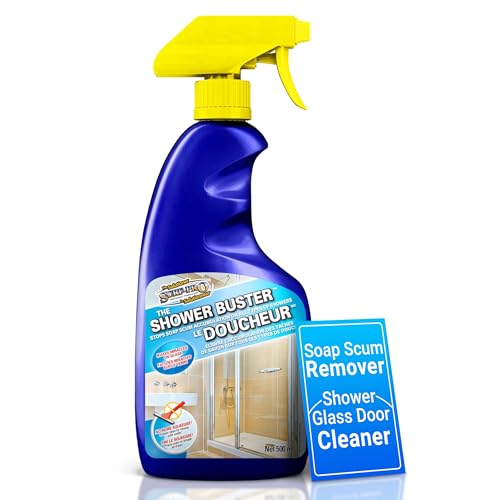
- TAR Score8.2
TAR Score is a ranking system developed by TopAppliancesReviews.com. TAR score has no relationship or impact from any manufacturers or sales agent websites. Learn more
- BrandSURF PRO
Last update on 2026-06-25 / Affiliate links / Images, Product Titles, and Product Highlights from Amazon Product Advertising API
How To Remove Soap Film From Washer Door Glass
Cloudy washer glass can make a clean laundry room feel oddly grimy. That milky ring usually comes from detergent residue, hard water minerals, fabric softener, and moisture that keeps sitting against the door after each cycle. The trick with how to remove soap film from washer door glass is cleaning the buildup without scratching the glass or weakening the rubber gasket. A few calm, repeatable steps beat frantic scrubbing every single time.
Clear Washer Glass
Soap film doesn’t show up all at once. It creeps in after repeated loads, especially when too much detergent gets poured in because more soap feels like more cleaning. Then the washer starts telling on itself with a foggy door, sticky edges, and a faint sour smell that hangs around after the load finishes. That’s the annoying part: the machine can look “clean enough” while the glass is quietly collecting residue.
Front-load washer doors are especially prone to this mess because water, lint, and suds gather near the lower edge of the glass. The round door shape catches runoff, and the gasket traps damp residue like a little pocket of trouble. A quick wipe across the center won’t reach the edges where the gunk thickens. So, yes, the glass needs attention, but the surrounding seal needs a little love too.
Distilled white vinegar is often the smartest first move because it helps loosen mineral buildup and soap scum without acting like sandpaper. Mix it with warm water, dampen a microfiber cloth, and press it against cloudy areas for a short soak before wiping. That contact time matters more than elbow grease. Scrubbing harder can leave fine marks, and those scratches may hold future residue even more stubbornly.
Microfiber cloths make a real difference because they lift greasy film instead of smearing it around. Paper towels can shred, leave lint, and make the door look streaky after drying. A soft cloth also lets you feel where the film is thickest, especially along the bottom curve of the glass. Once the surface feels slick instead of squeaky, there’s still residue left behind.
Why Soap Film Keeps Returning
Excess detergent is usually the main culprit, and it’s sneaky because the washer may still finish every cycle without warning lights or obvious problems. High-efficiency machines need less detergent than many people think, especially for small or lightly soiled loads. Extra suds don’t rinse away cleanly, so they cling to the glass, gasket, drum, and clothing fibers. That leftover film becomes the perfect landing spot for lint and minerals.
Fabric softener can make the residue feel greasy instead of chalky. It coats fibers by design, but it can also coat washer parts when the dose is too heavy or the rinse isn’t strong enough. That waxy layer grabs onto detergent residue and turns into a cloudy smear on the door glass. Cutting back or skipping softener for a few cycles can reveal whether it’s part of the problem.
Hard water adds another layer of frustration because minerals bond with soap and create a stubborn haze. Homes dealing with iron-heavy water may also notice orange or brownish stains around the washer area. For laundry setups fighting mineral problems, compare practical appliance choices through washing machine for iron water before upgrading or replacing anything. The right machine setup won’t erase every cleaning chore, but it can reduce the constant buildup battle.
Cold wash cycles can also leave more residue behind because detergent may not dissolve as fully in cooler water. That doesn’t mean hot water belongs in every load, because fabrics and energy costs still matter. But running an occasional warm cleaning cycle helps loosen film that daily cold cycles may leave behind. Think of it as giving the washer a reset instead of waiting for the door to look cloudy again.
Safe Cleaning Supplies That Actually Help
Warm water, vinegar, baking soda, and microfiber cloths cover most washer door glass problems without turning the job into a chemistry experiment. Vinegar helps break down mineral haze, while baking soda gives mild grit for sticky spots. The key word is mild, because harsh powders or rough pads can scratch the glass. Once scratched, the door may look cloudy even after the residue is gone.
Baking soda paste works best on stubborn patches that feel gummy or dull after a vinegar wipe. Mix baking soda with just enough water to create a spreadable paste, then rub gently with a damp microfiber cloth. Let the paste sit briefly on the thickest film, but don’t let it dry into a crust around the gasket. After that, wipe everything with clean water so no powdery residue remains.
Dish soap sounds logical, but use it carefully because the washer already has a soap residue problem. A tiny drop can cut greasy softener film, especially on the outer glass, yet too much creates more suds to rinse away. Plain warm water after cleaning is nonnegotiable. That final rinse wipe removes loosened grime instead of leaving it to dry back onto the surface.
Bleach should not be the automatic answer for cloudy glass. It may help with certain mold concerns, but it won’t dissolve mineral film the way vinegar can. Bleach can also be rough on rubber parts when overused, so it’s better saved for specific sanitation needs and used according to the washer manual. For everyday soap film, gentler cleaners are usually more effective and less risky.
Step By Step Glass Cleaning Method
Start with a dry inspection before spraying anything. Open the washer door, look at the glass from different angles, and run a clean finger over the cloudy area. Slick film usually points to detergent or softener residue, while rough haze often signals minerals. Knowing the texture helps you pick the right cleaner instead of throwing everything at the glass.
Spray a vinegar-water mix onto the glass or apply it with a cloth if you want better control. Let it sit on the cloudy areas for several minutes so the residue softens. Don’t flood the gasket or soak electrical areas around the washer door. A damp cloth gives enough moisture without making a sloppy mess.
Wipe in overlapping circles, then switch to straight strokes from top to bottom. The circular motion loosens film, while straight strokes help prevent streaks as the glass dries. Pay extra attention to the lower lip where dirty water tends to collect. If the cloth turns gray or slimy, rinse it before continuing so you’re not rubbing grime back onto the door.
Finish with a clean-water wipe and dry the glass fully with a fresh microfiber cloth. Drying matters because leftover moisture can create water spots and invite more residue to stick. Leave the washer door open afterward so air moves through the drum and gasket. That small habit helps keep the glass clearer between deep cleans.
Door Gasket Trouble Spots
The rubber gasket often hides the worst buildup, even when the glass is the part that looks dirty. Pull the fold back gently and check for gray slime, lint clumps, and trapped detergent. That area stays damp longer than the glass, so residue thickens fast. Cleaning the door without cleaning the gasket is like mopping around a spill while leaving the puddle under the rug.
Use a damp microfiber cloth wrapped around your fingers to clean inside the gasket folds. For tight spots, a soft toothbrush can help, but gentle pressure is plenty. Avoid sharp tools because puncturing the gasket creates a much bigger problem than soap film. A damaged seal can lead to leaks, and nobody needs that headache.
Odor control starts in this gasket area because trapped residue feeds that stale laundry smell. After wiping, dry the fold with a separate cloth so moisture doesn’t sit there. Leaving the door cracked open after laundry gives the gasket a chance to air out. It’s a tiny routine, but it keeps the washer from turning into a damp little cave.
Washer capacity and design can affect how often grime builds around the door and seal. A machine that fits your laundry habits prevents overloading, poor rinsing, and constant residue problems. For budget-conscious laundry upgrades, compare practical models through top loading washing machine under 800 before assuming another front-loader is the only path. Top-loaders have their own tradeoffs, but some households prefer their simpler door and gasket setup.
Prevent Film After Every Wash
Prevention beats scrubbing because soap film gets tougher once heat, minerals, and moisture keep baking it onto the glass. Use less detergent than the bottle suggests for small loads, especially in a high-efficiency washer. Too many suds leave behind sticky residue that clings to the door, gasket, and drum. A clean rinse matters more than a mountain of bubbles.
Leave the washer door open after each cycle so trapped moisture can escape. A closed, damp washer turns leftover detergent into a tacky layer that grabs lint and dust. Dry air slows that buildup and helps reduce musty smells. It’s a small habit, but it does a lot of heavy lifting.
Wipe the glass weekly with a damp microfiber cloth before the haze gets stubborn. Waiting until the door looks cloudy usually means the residue has already layered up. A quick wipe around the lower curve of the glass catches the runoff zone where film loves to settle. That area deserves more attention than the clean-looking center.
Laundry habits also affect how quickly the film comes back. Overloaded machines rinse poorly because clothes can’t move freely through the water. For homes that want backup laundry options during power cuts or outdoor routines, compare practical setups like a non electronic washing machine before choosing a simpler wash method. Less trapped residue often starts with better rinsing, not stronger cleaning products.
Run A Cleaning Cycle The Smart Way
A washer cleaning cycle helps flush residue from places a cloth can’t reach. Use the machine’s tub-clean setting if it has one, or run a hot empty cycle with a washer-safe cleaner. This step loosens film inside the drum, around the glass, and near the drain path. Skipping it can make the door look clean while the washer keeps pushing residue back onto it.
Vinegar can help with mineral haze, but don’t mix it with bleach or random cleaners. That’s not worth the risk. Use one cleaning method at a time and rinse afterward so the next load doesn’t pick up lingering odors. Simple, steady cleaning beats a wild science project in the laundry room.
Hot water cycles work best for breaking down greasy detergent buildup, but they shouldn’t replace normal fabric care. Delicate clothing, dark colors, and certain synthetics still need cooler settings. The cleaning cycle is for the washer itself, not your favorite shirts. Treat it like appliance maintenance rather than laundry day.
Monthly cleaning is a solid rhythm for busy households, especially if the washer handles towels, gym clothes, pet bedding, or workwear. Those loads bring more oils, lint, and detergent demand. A cleaner drum means less residue has a chance to settle on the glass. The door stays clearer because the whole machine is less grimy inside.
Control Moisture Around The Laundry Area
Moisture control matters because soap film gets worse in damp laundry rooms. Humid air slows drying around the washer door, so residue stays soft, sticky, and ready to trap lint. A small fan, open door, or better airflow can make the area feel less stale. Dry surroundings give the washer glass a fighting chance.
Musty smells often come from the same conditions that create cloudy door glass. Damp gaskets, leftover detergent, and poor airflow work together like a bad little trio. Wiping the glass helps, but drying the space around the machine helps too. That’s especially true in laundry closets with tight walls and no window.
Temperature habits across the home can affect moisture, odors, and appliance performance in quiet ways. A well-managed home environment helps appliances run cleaner and last longer. For broader appliance care, compare practical home settings through best refrigerator temperature guidance without treating every appliance problem as separate. Small setting changes often prevent bigger messes later.
Air movement also reduces the chance of mildew forming around the gasket. After the final load, pull the detergent drawer open slightly if the washer manual allows it. That helps moisture leave hidden compartments instead of sitting there overnight. A dry washer is simply harder for residue and odor to take over.
Common Mistakes That Make Film Worse
Using more detergent is the mistake that keeps repeating because it feels logical. Dirty clothes, bigger load, extra soap, right? Not always. Too much detergent can leave residue behind, and that residue sticks to washer door glass like a cloudy fingerprint that never fully wipes away.
Scrubbing with abrasive pads can create tiny scratches on the glass. Those scratches may not show immediately, but they can make future soap film harder to remove. Use microfiber, soft brushes, and patient soaking instead. The goal is to loosen the buildup, not punish the door.
Ignoring the detergent drawer can undo a clean glass door fast. Old detergent and softener collect in the drawer, then travel through the washer during later cycles. Pull the drawer out if the manual allows it and rinse away the sticky buildup. Clean inputs help create cleaner rinses.
Closing the door right away traps moisture inside the drum. That damp space encourages residue, odor, and gasket grime to return quickly. Leave the door cracked open after the last load, even if it’s only a few inches. The washer needs to breathe after working through wet fabric and suds.
Keep The Glass Clear Longer
Clear washer glass lasts longer when cleaning becomes part of the laundry rhythm instead of a rescue mission. Wipe the door after heavy towel loads, pet bedding, or anything washed with extra detergent. Those loads tend to leave more residue behind. A quick wipe now saves the long scrub later.
Measure detergent instead of free-pouring it into the machine. Guessing usually leads to too much, especially with concentrated formulas. Use the lowest effective amount for the load size and soil level. Clothes can still come out clean without leaving the washer coated in suds.
Watch the rinse quality after each load. If clothes feel stiff, smell overly perfumed, or look dull, detergent may not be rinsing out well. That same leftover product can settle on the glass door. Adjusting detergent amounts and load size often clears up both fabric issues and washer film.
How to remove soap film from washer door glass gets easier once the routine tackles the cause, not just the cloudy surface. Clean the glass, dry the gasket, reduce detergent, and keep air moving after each cycle. The washer won’t stay spotless by accident. It stays clearer because the small habits are finally working in the same direction.


10 Best Quality Semi Automatic Washing Machine of 2026 For Leak-Free Laundry

11 Best Small Washer Machine of 2026 For Everyday Laundry

12 Best Vibration Pads For Washing Machine of 2026 To Stop Walking and Shaking

11 Best Selling Front Load Washing Machine of 2026 For Quiet Odor-Free Laundry

11 Best Washing Machine For King Size Bedding of 2026 To Prevent Cycle Errors

10 Best Small Front Loader Washing Machine of 2026 For Tight Closets

12 Best Side Load Washing Machine of 2026 For Low Vibration

11 Best Single Tub Washing Machine of 2026 For Apartments Without Hookups






