
How to Remove Pulp from Juice: Squeeze Your Way to Pure Refreshment

Nothing quite compares to a glass of fresh, homemade juice. But for some, the presence of pulp can be a bit of a turn-off. This guide will reveal the key methods on how to remove pulp from juice. Whether you're a juice connoisseur or a beginner looking to enhance your juicing skills, you'll find our comprehensive guide useful. We will divulge the simplest yet effective techniques to purify your juice and revel in its unadulterated taste. Dive into the vibrant world of juicing and pave your way towards smooth, pulp-free refreshment. Get ready to change your juicing game forever!
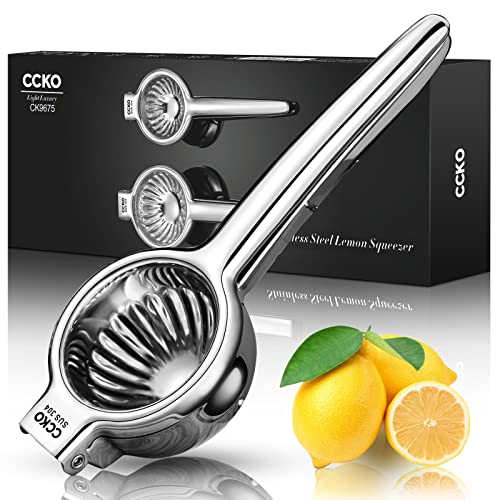
- TAR Score9.0
TAR Score is a ranking system developed by TopAppliancesReviews.com. TAR score has no relationship or impact from any manufacturers or sales agent websites. Learn more
- BrandCCKO

- TAR Score8.6
TAR Score is a ranking system developed by TopAppliancesReviews.com. TAR score has no relationship or impact from any manufacturers or sales agent websites. Learn more
- BrandJahao

- TAR Score2.0
TAR Score is a ranking system developed by TopAppliancesReviews.com. TAR score has no relationship or impact from any manufacturers or sales agent websites. Learn more
- BrandPHILIPS
Last update on 2023-10-13 / Affiliate links / Images, Product Titles, and Product Highlights from Amazon Product Advertising API
The What and Why: Pulp in Juices
Juice enthusiasts and health-conscious consumers often debate whether the presence of pulp in juice is beneficial or not. The "pulp" is the fleshy residue left behind after the juice has been extracted from fruits or vegetables. It contains fibrous material and can influence both the texture and taste of the juice. To some, this fibrous texture enhances the juicing experience, while for others, it's an unwelcome guest that they'd prefer to remove.
Contrary to common perception, pulp isn't just an insignificant byproduct of juice production. It's rich in dietary fiber and carries a range of health benefits. Pulp can help in the process of digestion, enhance satiety, and contribute to nutrient absorption. However, not everyone enjoys the texture it imparts to the juice, and some people might prefer their juice pulp-free due to dietary restrictions or personal preferences.
How to remove pulp from juice is not a one-size-fits-all answer because different fruits produce different amounts and types of pulp. The type of juicer used can also impact the quantity and texture of the pulp produced. Therefore, methods to effectively remove pulp might vary based on these factors.
One key element that affects the presence of pulp is the juicing technique. Certain juicers are designed to extract juice without producing much pulp, while others, particularly masticating or slow juicers, tend to preserve more pulp.
Choosing the Right Juicer
The first step to ensure your juice is pulp-free is to choose the right juicer. Centrifugal juicers are a popular choice for those who prefer pulp-free juice. They work by chopping the fruit or vegetable into tiny pieces, then spinning the bits at high speed to separate the juice from the pulp. The extracted juice is usually very clear, containing minimal pulp.
In contrast, masticating juicers, also known as slow juicers, are designed to extract juice by crushing and pressing fruits and vegetables. This process yields more nutrients and fiber but also tends to produce more pulp. Although these juicers often come with strainers to filter out the pulp, the resulting juice usually has more pulp than that produced by a centrifugal juicer.
The pulp issue extends beyond the type of juicer used. Even with a centrifugal juicer, some fruits and vegetables naturally produce more pulp. Juicing citrus fruits, for example, can lead to a substantial amount of pulp due to their fibrous inner segments.
Post-Juicing: Filtering and Straining Techniques
Even if you have the perfect juicer and choose pulp-free friendly fruits and veggies, a small amount of pulp might still make its way into your juice. But worry not, there are additional measures you can take to ensure a completely pulp-free juice.
Fine mesh strainers are a simple yet effective tool for this purpose. After juicing, pour the juice through the strainer, using a spoon or spatula to press down the pulp and extract maximum juice. A cheesecloth or nut milk bag can also serve as an excellent strainer for juice. These cloths have tiny holes that only allow the liquid to pass through, leaving the pulp behind.
An alternative technique to filter out pulp is decanting and skimming. Pour the juice into a jar or jug and let it sit for a few minutes. The pulp will float to the top, and you can easily skim it off. This method works best for juices with lighter, fluffier pulp like apple or grape juice.
Making the Most of Leftover Pulp
After going through the effort to make pulp-free juice, you'll end up with a considerable amount of leftover pulp. While your initial instinct might be to throw it away, there are numerous creative and nutritious ways to use this pulp.
Leftover pulp can add a nutritional boost and fiber to a variety of dishes. You can mix it into pancake or muffin batter for a healthy twist, or use it to make broth or soup more hearty. Vegetable pulp can be mixed into homemade veggie burgers or pasta sauces.
In the realm of desserts, fruit pulp can serve as a natural sweetener. Use it to make jam, jelly, or a filling for pies and tarts. You can even dehydrate the pulp and grind it into a powder to use as a flavor booster in smoothies or shakes.
Enjoying the Juice, Pulp-Free
In the end, the enjoyment of juice boils down to personal preference. While some people might enjoy the texture and health benefits that come with pulp, others prefer their juice smooth and pulp-free. Understanding how to remove pulp from juice can greatly enhance the enjoyment for the latter group.
Whether you prefer to use a specific type of juicer, strain your juice post-extraction, or even let it settle and skim the pulp, there are plenty of ways to ensure your juice is pulp-free. Meanwhile, don't forget that the leftover pulp is far from waste - it's a nutrient-rich ingredient that can be creatively used in numerous recipes.
In conclusion, juicing is not just about getting the freshest, most nutritious drink possible. It's also about tailoring the process to fit your taste preferences and dietary needs. So, the next time you're about to make a juice, remember these tips and tricks to create your perfect pulp-free juice.
Explore further:


Best Vitamix Immersion Blender Reviews: Top Choices for 2026

Banish Cramps with Homemade Pickle Juice: A Guide
Unravel the Secrets: How to Make Snake Juice at Home

Pear Juice: Unveiling the Health Benefits

Decoding the Effects: Is Pickle Juice a Laxative?

Unveiling the Truth: Is Cold Pressed Juice Pasteurized?
Is Pickle Juice Good for Plants? Unraveling the Truth

Orange Juice vs. Apple Juice: Uncovering the Better Choice






