
How to Remove Mold From Washer Door Seal Fast

How to remove mold from washer door seal becomes a frustrating search after that stale smell creeps into freshly washed towels, workout clothes, or baby blankets. One day the washer seems perfectly fine, then boom, black grime starts hiding inside the rubber folds like it owns the place. Moisture trapped behind the gasket creates the perfect little hideout for mildew, detergent sludge, and stubborn residue that won't budge with a quick wipe. Left alone too long, the odor keeps spreading through the drum and into every load.
Front-load washers especially love trapping water in the lower folds of the seal. That hidden moisture mixes with fabric softener buildup, pet hair, body oils, and leftover detergent, creating a sticky mess that smells funky fast. Scrubbing blindly usually turns into a headache because mold tends to settle deep inside the creases where paper towels can't reach. A smarter approach focuses on loosening grime first, then lifting it out without damaging the rubber gasket.
Strong bleach-heavy cleaning isn't always the answer either. Some cleaners can dry out the seal over time, causing cracking or weakening around the edges. That's why many homeowners lean toward gentler methods using vinegar, baking soda, diluted hydrogen peroxide, or mold-specific cleaners designed for appliance rubber. The trick isn't just killing mold. It's stopping the damp environment that keeps bringing it back every couple of weeks.
Airflow plays a bigger role than most people expect. Closing the washer door immediately after a cycle traps humidity inside the drum, basically turning the machine into a warm greenhouse for mildew growth. Leaving the door cracked open for a while after laundry helps moisture evaporate naturally. Also, wiping the gasket dry after heavy loads can dramatically reduce buildup over time, especially in humid laundry rooms where moisture hangs around all day.
Deep cleaning the washer seal also improves the overall freshness of laundry. Mold spores hiding in the gasket can transfer unpleasant odors right back onto clothes, even after using premium detergent. Nobody wants clean shirts smelling musty straight out of the dryer. A properly cleaned seal restores that crisp, fresh scent people actually expect after wash day instead of masking mildew with scented fabric softener.
Routine maintenance matters more than aggressive scrubbing marathons once every few months. Small habits like using the correct detergent amount, running occasional hot cleaning cycles, and checking the rubber folds weekly help prevent major buildup before it starts. Some high-efficiency detergents leave behind extra residue if too much is used, which only feeds future mold growth. Simple adjustments often make a bigger difference than expensive cleaning products.
Stubborn stains may still linger after the first cleaning session, and honestly, that's normal. Mold embedded in older rubber seals sometimes needs repeated treatment before fully disappearing. Patience pays off here. Gentle repeat cleaning protects the gasket while slowly breaking down dark spots and trapped grime without turning the rubber brittle or damaged.

- TAR Score9.0
TAR Score is a ranking system developed by TopAppliancesReviews.com. TAR score has no relationship or impact from any manufacturers or sales agent websites. Learn more
- BrandAstraVox

- TAR Score8.8
TAR Score is a ranking system developed by TopAppliancesReviews.com. TAR score has no relationship or impact from any manufacturers or sales agent websites. Learn more
- BrandW&E Choice
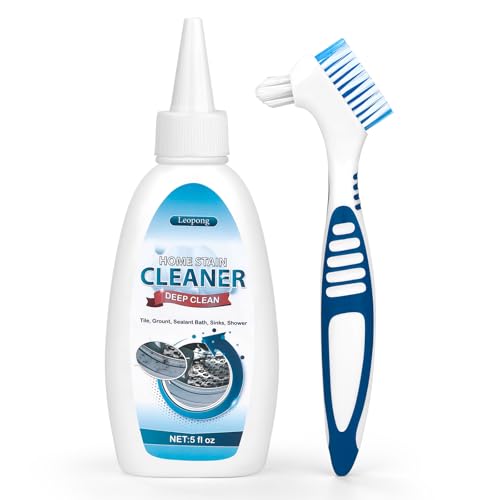
- TAR Score8.8
TAR Score is a ranking system developed by TopAppliancesReviews.com. TAR score has no relationship or impact from any manufacturers or sales agent websites. Learn more
- BrandLeopong

- TAR Score8.8
TAR Score is a ranking system developed by TopAppliancesReviews.com. TAR score has no relationship or impact from any manufacturers or sales agent websites. Learn more
- BrandRMR Brands
- TAR Score8.8
TAR Score is a ranking system developed by TopAppliancesReviews.com. TAR score has no relationship or impact from any manufacturers or sales agent websites. Learn more
- BrandLeopong

- TAR Score8.6
TAR Score is a ranking system developed by TopAppliancesReviews.com. TAR score has no relationship or impact from any manufacturers or sales agent websites. Learn more
- BrandHZEVERO

- TAR Score8.2
TAR Score is a ranking system developed by TopAppliancesReviews.com. TAR score has no relationship or impact from any manufacturers or sales agent websites. Learn more
- BrandACTIVE

- TAR Score8.2
TAR Score is a ranking system developed by TopAppliancesReviews.com. TAR score has no relationship or impact from any manufacturers or sales agent websites. Learn more
- BrandSugelary
Last update on 2026-06-20 / Affiliate links / Images, Product Titles, and Product Highlights from Amazon Product Advertising API
How To Remove Mold From Washer Door Seal
A sour washer smell can ruin a clean load before the dryer even gets a chance. Damp rubber folds, leftover detergent, and trapped lint can turn the door gasket into a mold-friendly hiding spot that keeps sending odor back into towels, socks, and workout gear. Learning how to remove mold from washer door seal helps stop that cycle without wrecking the rubber or turning laundry day into a scrubbing marathon.
Washer Door Seal Mold
Washer door seal mold usually starts in the quietest part of the machine, right inside the lower gasket fold where water loves to sit. The rubber lip looks harmless from the outside, but pull it back and you may find black spots, gray slime, or a sticky film that smells like wet basement air. Yuck, but fixable.
The main problem is moisture that never gets a proper exit. Front-load washers seal tightly, which helps prevent leaks, but that same tight design can trap humidity after every cycle. Add too much detergent, cold-water washing, and fabric softener residue, and the gasket becomes a little buffet for mildew.
A quick wipe across the visible rubber won't do much if the buildup sits deeper in the fold. Mold tends to cling where fingers barely reach, especially near the drain holes and bottom curve of the seal. A better cleaning plan targets hidden moisture pockets, not just the parts that look dirty.
Think of the washer seal like a damp pot saucer in a plant corner. Water sitting there day after day invites grime, smell, and staining, even if the rest of the area looks clean. The fix isn't panic cleaning. It's steady removal, smarter drying, and a few small habits that keep mold from coming back with a grin.
Why The Rubber Gasket Gets Nasty
Rubber gaskets are flexible for a reason, but those folds also catch the mess that drains poorly after a load. Hair, lint, soap film, and softener residue settle into the crease and create that slippery layer people hate touching. Once that layer forms, mold has something to grip.
Cold-water cycles can make the issue worse if the washer rarely gets a hot cleaning run. Cold water saves energy and protects fabrics, sure, but it may leave behind more oily residue from laundry soils. That residue gives mold a surface to cling to, especially in a machine that stays closed after use.
Detergent quantity matters more than most folks guess. Using extra soap doesn't make clothes extra clean. It often leaves sticky buildup inside the drum and seal, especially in high-efficiency washers that use less water to rinse everything away.
Basement laundry rooms can add another headache because they often stay cooler, darker, and more humid. A washer placed in a damp lower-level space may need extra airflow and more frequent gasket checks. For laundry setups in moisture-prone spaces, compare practical machine choices through best washing machine basement before replacing an appliance that keeps fighting humidity.
Start With A Safe First Clean
Safety comes first because washer mold cleaning can involve strong smells, irritated skin, and slippery residue. Put on gloves, open a nearby window if possible, and keep kids or pets away from the washer while the seal is being cleaned. Never mix bleach with vinegar, ammonia, or other cleaners because that can create dangerous fumes.
Pull the gasket fold back gently and inspect the entire ring before adding cleaner. This little check shows where the worst buildup sits and whether coins, hair pins, or small fabric pieces are trapped inside. Remove loose debris first so the cleaning solution can reach the mold-stained rubber instead of soaking into lint.
A mild starting mix can be warm water with a small amount of dish soap. Dip a microfiber cloth into the solution, then wipe the folds slowly, working around the seal in sections. This first pass removes surface grime and helps reveal the tougher black spots hiding underneath.
For stubborn mold, use a cleaner made for washer gaskets or a careful diluted bleach solution if the appliance manual allows it. Let the cleaner sit briefly on the stained area, then scrub with a soft toothbrush instead of a harsh scouring pad. The goal is lifted grime, not scratched rubber.
Clean The Deep Folds Without Damaging Rubber
Deep gasket folds need patience, not brute force. Rubber can crack or stretch if it gets pulled aggressively, and once the seal is damaged, leaks become a real possibility. Work slowly with one hand supporting the fold while the other wipes inside the groove.
A soft toothbrush or narrow cleaning brush helps reach the lower channel where water collects. Dip the brush in cleaner, scrub small sections, then wipe away the loosened residue with a damp cloth. Repeat this process until the cloth stops coming away gray or black.
Some stains may stay visible even after the mold is dead and the smell is gone. Older rubber can hold discoloration, especially if mold sat there for months. That doesn't always mean the seal is still dirty, but odor reduction and a cleaner cloth are better signs that the cleaning worked.
Semi-automatic washers have different cleaning patterns because their tubs, lids, and drainage areas don't trap moisture the same way. Still, shoppers comparing simpler laundry setups can explore best semi washing machine under 15000 for options that may suit lighter laundry routines and easier hands-on maintenance.
Rinse, Dry, And Run A Cleaning Cycle
Rinsing the seal matters because leftover cleaner can sit on rubber and cause irritation or odor later. Use a clean damp cloth to wipe the entire gasket after scrubbing, including the hidden folds. Keep rinsing the cloth until the seal no longer feels slippery.
Drying is the part people skip, and that's usually why the smell returns. Press a dry towel into the lower folds and soak up every puddle you can find. A dry gasket gives mold fewer chances to bounce back.
Run a washer cleaning cycle after the gasket is wiped and dried. Use the machine's tub-clean setting if it has one, or run a hot empty cycle with an approved washer cleaner. This helps flush out residue from the drum, drain area, and parts of the machine you can't reach by hand.
Odor can also linger in the laundry room air, especially in tight spaces with poor ventilation. To freshen the room around the washer rather than the washer itself, explore best hot cold air purifier for added airflow support where damp smells tend to hang around. The washer still needs direct cleaning, though, because air treatment won't remove mold from the gasket.
How To Keep Washer Door Seal Mold From Coming Back
Fresh cleaning only lasts if the rubber seal gets a chance to dry after every wash. Mold loves quiet moisture, especially inside the lower gasket fold where water hides after spin cycles. After cleaning, leave the washer door cracked open and pull the dispenser drawer slightly outward so trapped humidity can escape. That one small habit helps protect the washer door seal from turning musty again.
Wiping the gasket after heavy loads makes a bigger difference than most people expect. Towels, pet blankets, gym clothes, and muddy kids’ clothes leave behind more residue than light laundry. A dry microfiber cloth pressed into the bottom fold can catch pooled water before it feeds mildew. Simple, boring, and honestly pretty effective.
Detergent control is another big deal. More soap doesn’t mean cleaner laundry, especially in high-efficiency washers that use less water. Extra detergent can leave a sticky film around the drum, drawer, and door gasket. That film gives mold something to cling to, so use the measured amount instead of eyeballing a big splash.
Busy laundry routines can make mold prevention harder because loads get left inside the washer for hours. Damp clothes pressed against the gasket keep the rubber wet and stale. Move laundry out soon after the cycle ends whenever possible. Even a clean washer can smell sour if wet clothes sit there long enough.
Use Cleaning Cycles Before Odor Gets Loud
Monthly cleaning cycles help clear residue before it turns into black grime. Use the washer’s tub-clean setting if it has one, or run a hot empty cycle with a cleaner approved for your machine. This supports the gasket cleaning you already did by flushing hidden areas around the drum and drain path. It’s not glamorous, but it keeps the machine from getting funky.
Hot water cycles can help loosen buildup that cold washes leave behind. Cold water is handy for saving energy and protecting fabrics, but it doesn’t always break down oily laundry soils well. A hot maintenance cycle now and then gives the washer a reset. Pair that with gasket wiping, and mold has fewer places to settle.
Commercial-size laundry demands can be rough on a regular home washer, especially with large families, work uniforms, bedding, or repeated daily loads. If the machine always stays damp because it never gets a break, explore best commercial washing machine for sturdier home-use options that handle heavier laundry habits. Bigger capacity doesn’t replace cleaning, but it can reduce constant overloading.
Overloading the drum traps moisture and limits proper rinsing. Clothes need room to tumble, rinse, and spin water out. Stuffing the washer too full leaves detergent residue behind and presses damp fabric against the seal. A slightly smaller load often smells fresher than one giant load that barely moves.
Pick The Right Cleaner For The Gasket
Diluted bleach can work on stubborn mold if the washer manual allows it, but it should be used carefully. Strong bleach left sitting too long may dry out rubber or leave a harsh smell behind. Gloves and ventilation matter here. Never mix bleach with vinegar, ammonia, or other cleaning products.
Vinegar and baking soda are popular because they feel less aggressive, but they aren’t magic. Vinegar can help with odor and light residue, while baking soda can soften grime during wiping. For heavy black mold, a washer-safe mold cleaner may be more effective. The best choice depends on how deep the stains are and how sensitive the rubber looks.
Hydrogen peroxide offers another middle-ground option for some mold stains. It can help lift discoloration without the sharp smell of bleach. Apply it carefully with a cloth, let it sit briefly, then wipe and rinse well. Always test a small hidden spot first because older seals can react differently.
A soft brush beats rough scouring pads every time. Hard scrubbing can scratch the rubber and create tiny grooves where grime collects later. Use a toothbrush, microfiber cloth, or narrow gasket brush instead. Slow cleaning protects the seal while still pulling out the nasty stuff.
Fix Laundry Habits That Feed Mold
Fabric softener buildup is a sneaky mold helper. It can coat the drum and gasket with a waxy layer that traps lint, oils, and moisture. If your washer smells musty often, cut back on softener or switch to a lighter laundry routine. Fresh laundry shouldn’t need heavy fragrance to cover a sour machine.
Washer drawers deserve attention too. Detergent and softener residue can collect inside the dispenser and send odor back into the drum. Remove the drawer if your machine allows it, rinse it under warm water, and scrub corners with a small brush. A clean gasket won’t stay fresh if the drawer keeps feeding mildew.
Food-related laundry, like aprons, dish towels, and sticky kids’ clothes, can leave sugars and residue inside the washer. The same way fridge storage affects food freshness, household habits affect appliance odor too. For kitchen cleanup planning, save how long jelly lasts so sticky spills and old food don’t add extra mess to laundry day. Less residue going into the washer means less grime left behind.
Leaving wet laundry overnight is one of the fastest ways to bring back musty smells. The gasket stays damp, the drum gets stale, and clothes often need another wash. Set a timer if loads are easy to forget. It’s a small nudge, but it saves water, detergent, and frustration.
Know When The Door Seal Needs Replacing
Permanent staining doesn’t always mean the seal is unsafe, but deep cracks, tears, or sticky rubber are different problems. Mold can hide inside damaged areas where cleaning tools can’t reach. If the gasket feels brittle or looks split, cleaning may only be a temporary patch. A damaged seal can also lead to leaks.
Persistent odor after repeated cleaning may point to buildup beyond the door gasket. The drain filter, hose, dispenser housing, or outer drum area could be holding residue. Clean the filter according to the manual and check for trapped lint or small objects. Sometimes the smell isn’t just the seal playing dirty.
Water pooling in the gasket after every cycle can mean the washer isn’t level or the drain holes are clogged. Clear visible holes gently with a cotton swab or soft brush. Avoid poking hard tools into the seal because damage can get expensive fast. A level washer also spins better and leaves less water sitting in the rubber fold.
Replacement makes sense if mold keeps returning from deep inside cracked rubber. A new gasket can restore a clean sealing surface, but it still needs drying habits afterward. Skipping maintenance after replacement puts the same problem right back on the calendar. Clean rubber stays clean longer only when moisture gets managed every week.


10 Best Quality Semi Automatic Washing Machine of 2026 For Leak-Free Laundry

11 Best Small Washer Machine of 2026 For Everyday Laundry

12 Best Vibration Pads For Washing Machine of 2026 To Stop Walking and Shaking

11 Best Selling Front Load Washing Machine of 2026 For Quiet Odor-Free Laundry

11 Best Washing Machine For King Size Bedding of 2026 To Prevent Cycle Errors

10 Best Small Front Loader Washing Machine of 2026 For Tight Closets

12 Best Side Load Washing Machine of 2026 For Low Vibration

11 Best Single Tub Washing Machine of 2026 For Apartments Without Hookups






