
How to Remove Mold and Residue From Detergent Drawer

How to remove mold and residue from detergent drawer becomes a real headache once that sticky buildup starts clinging to every corner. One day the drawer slides smoothly, then suddenly there's black grime hiding in the creases, detergent sludge hardening like old glue, and a sour smell drifting out every time laundry day rolls around. Bleach alone won't always fix it either. Mold tends to settle deep into damp plastic seams where leftover softener and detergent keep feeding the mess.
Warm moisture inside washing machines creates the perfect little hideout for bacteria, mildew, and soap residue. Thick liquid detergent can leave behind a slick film that traps lint and dirt over time, especially in high-humidity laundry spaces. Fabric softener makes things even worse because it dries into a waxy layer that grabs onto grime like a magnet. That's why deep cleaning the detergent drawer matters more than people expect, especially if clothes start smelling musty even after a full wash cycle.
Scrubbing blindly can backfire fast. Some plastic drawers scratch easily, while harsh chemicals may leave strong odors lingering inside the washer drum. A smarter approach combines warm water, gentle cleaning tools, and mold-fighting ingredients that loosen residue without damaging delicate parts. Small details matter here. Pulling apart removable compartments, cleaning hidden water channels, and drying every surface completely can stop mold from sneaking right back within days.
Regular maintenance also changes how efficiently detergent flows during wash cycles. Clogged compartments often prevent soap from rinsing correctly, which can leave streaks or residue on clothing. Nobody wants freshly washed towels smelling funky straight out of the dryer. Keeping the drawer clean helps water circulate properly while reducing buildup that slowly spreads into the machine itself.
Removing mold and detergent residue doesn't need fancy tools or expensive cleaners sitting under the sink. Vinegar, soft brushes, microfiber cloths, and hot water usually handle the toughest grime if used correctly. Some stubborn spots may take patience, though. Mold likes to cling to rubber edges and narrow dispenser openings where airflow barely reaches.
Drying habits often make the biggest difference after cleaning. Leaving the detergent drawer cracked open for airflow helps moisture evaporate instead of collecting overnight. Laundry rooms with poor ventilation tend to trap humidity, which keeps mold spores active far longer than expected. Tiny changes in routine can keep the drawer cleaner for weeks instead of days.
Strong odors coming from the washer shouldn't be ignored either. They usually signal hidden buildup somewhere inside the detergent system. Tackling the drawer early helps prevent mold from spreading deeper into hoses and internal washer components where cleanup gets far more frustrating. A little routine care now saves a major cleaning project later.

- TAR Score9.4
TAR Score is a ranking system developed by TopAppliancesReviews.com. TAR score has no relationship or impact from any manufacturers or sales agent websites. Learn more
- BrandAffresh

- TAR Score9.0
TAR Score is a ranking system developed by TopAppliancesReviews.com. TAR score has no relationship or impact from any manufacturers or sales agent websites. Learn more
- BrandRMR Brands

- TAR Score8.8
TAR Score is a ranking system developed by TopAppliancesReviews.com. TAR score has no relationship or impact from any manufacturers or sales agent websites. Learn more
- BrandRMR Brands
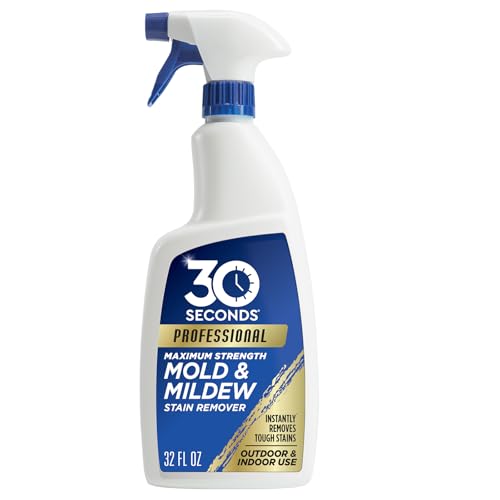
- TAR Score8.8
TAR Score is a ranking system developed by TopAppliancesReviews.com. TAR score has no relationship or impact from any manufacturers or sales agent websites. Learn more
- Brand30 SECONDS

- TAR Score8.6
TAR Score is a ranking system developed by TopAppliancesReviews.com. TAR score has no relationship or impact from any manufacturers or sales agent websites. Learn more
- BrandRMR Brands

- TAR Score8.2
TAR Score is a ranking system developed by TopAppliancesReviews.com. TAR score has no relationship or impact from any manufacturers or sales agent websites. Learn more
- BrandACTIVE
Last update on 2026-06-25 / Affiliate links / Images, Product Titles, and Product Highlights from Amazon Product Advertising API
How To Remove Mold And Residue From Detergent Drawer
That sour little smell near the washer can ruin the whole laundry mood before the first towel even goes in. A detergent drawer looks harmless, but sticky soap film, softener sludge, and damp plastic corners can turn it into a moldy pocket fast. The real trick behind how to remove mold and residue from detergent drawer is cleaning the buildup you can see and the grime hiding behind it. Skip that hidden layer, and yep, the funk usually comes right back.
Detergent Drawer Mold
Detergent drawer mold usually starts with one boring thing: trapped moisture. After every cycle, a little water sits inside the dispenser housing, especially around the back wall, removable tray, and narrow rinse channels. Add leftover detergent, fabric softener, and lint dust, and you’ve got a cozy buffet for mildew. The drawer may look clean from the front, but the underside often tells a much dirtier story.
Liquid detergent residue can be surprisingly stubborn because it dries into a slick film instead of rinsing away completely. Thick formulas, oversized pours, and cold wash cycles all make that film worse. Softener adds another layer because it leaves behind a waxy coating that clings to plastic corners. That’s why a quick rinse under the faucet feels helpful at first, then the smell creeps back a few days later.
Mold control always comes back to moisture control, and the EPA has repeated that basic idea for years. In plain laundry-room language, the drawer needs to be cleaned, rinsed, and dried instead of just sprayed and shoved closed. A damp dispenser with leftover soap is like a wet sponge tucked in a cabinet. It won’t stay fresh for long.
Black specks, gray slime, or orange residue around the drawer opening all point to different kinds of buildup. Black marks often show mildew in damp seams, while orange or brown film may come from minerals, iron-heavy water, or old detergent residue. To reduce mineral staining before it spreads through future loads, compare washing machine for bore water options if your home deals with hard or iron-rich water. Clean the drawer first, but don’t ignore the water quality behind the mess.
Safe Cleaning Prep
Safety prep makes the job less gross and a lot less risky. Pull on gloves before touching moldy sludge because the drawer can hold bacteria, detergent concentrate, and mildew in the same cramped space. Open a nearby window or run a fan if the laundry area feels stuffy. Strong cleaner fumes in a small laundry nook are no joke.
Never mix cleaners, especially bleach with ammonia, vinegar, or other household products. The CDC warns that bleach should not be mixed with ammonia or any other cleanser because toxic vapors can form. That means one cleaner at a time, one rinse at a time, and no chemistry experiments over the laundry sink. Simple beats scary every single day.
Remove the drawer fully before scrubbing if the washer design allows it. Most detergent drawers have a release tab near the back or middle, though the exact spot depends on the machine. Pull slowly so you don’t crack the plastic or splash old detergent water on the floor. Once it’s out, you’ll usually spot grime tucked under the tray, behind the softener cup, and along the rails.
Gather gentle tools before starting so the drawer doesn’t sit half-cleaned while you hunt around the house. A soft toothbrush, microfiber cloth, bowl of warm water, mild dish soap, cotton swabs, and a small towel handle most dispenser grime. A bottle brush helps with narrow openings if the drawer has deep channels. Skip steel wool because scratched plastic gives future residue more places to grab on.
Deep Clean The Drawer
Warm water soaking loosens the worst residue without turning the job into a wrestling match. Fill a sink or basin with warm water and a few drops of dish soap, then let the drawer pieces sit for several minutes. The goal is to soften the sticky film before scrubbing, not melt the plastic with boiling water. Hotter isn’t always smarter here.
Scrub the removable parts with a toothbrush using steady, small circles. Focus on the softener insert, detergent channels, and the underside of the drawer because those areas collect the most gunk. If residue feels slimy, rinse the brush often so you’re not smearing the mess around. A clean pass should leave the plastic feeling smooth, not tacky.
White vinegar can help break down soap film and mild mineral residue, but it should be used thoughtfully. Spray or wipe it onto the drawer only after soap has been rinsed away, then let it sit briefly before scrubbing again. Vinegar is not a magic wand for heavy mold, yet it’s handy for that cloudy, stubborn detergent haze. Rinse well afterward so the smell doesn’t linger inside the washer.
Bleach dilution belongs in the conversation only for non-porous plastic surfaces with visible mold, and only if the washer manual allows it. The CDC notes that bleach can be used for mold cleanup, with fresh air and careful dilution. Use it separately from every other cleaner, then rinse the drawer thoroughly and dry it completely. If the plastic is colored or delicate, test a hidden spot first because discoloration can happen.
Clean The Drawer Housing
The dispenser cavity often hides the grime that keeps the whole problem alive. Cleaning only the removable drawer is like mopping the kitchen while ignoring the spilled syrup under the fridge. Shine a flashlight inside the housing and check the top panel, back wall, side rails, and water inlet holes. Mold often clings overhead where rinse water sprays down.
Use a damp microfiber cloth wrapped around your fingers to wipe the inside walls. For tight corners, a cotton swab or soft bottle brush can reach the rails without scraping the plastic. Keep rinsing the cloth because detergent sludge transfers fast. That gray smear on the rag means you’re actually getting somewhere.
A toothbrush works well around water holes and drawer tracks, but go easy. Aggressive scrubbing can loosen small parts or push debris deeper into narrow openings. If the washer shakes hard during spin cycles, that movement can also splash leftover dispenser water into awkward spots, so stabilize the machine before blaming only the drawer. Reduce extra movement with washing machine vibration pads if the appliance walks, rattles, or shifts across the floor.
Dry the housing before sliding the drawer back in. This step feels fussy, but it’s where a lot of people lose the fight. Use a dry cloth on the rails and leave the drawer out for a while so air can move through the cavity. Mold loves shortcuts, and damp plastic is basically an open invitation.
Stop Residue From Returning
Detergent measuring matters more than most folks want to admit. Too much soap does not make clothes cleaner, and extra liquid often sticks inside the drawer instead of reaching the drum. High-efficiency washers need smaller amounts because they use less water. Follow the detergent label and washer manual, then cut back slightly if suds or residue keep showing up.
Fabric softener buildup is one of the biggest reasons drawers turn gummy. It can coat the softener compartment, rinse channels, and even nearby plastic rails with a waxy layer. Try using less softener, switching to a lighter formula, or skipping it for towels that already struggle with musty smells. Cleaner rinsing usually beats heavier fragrance.
Airflow after washing is the quiet habit that saves the most scrubbing later. Leave the detergent drawer slightly open after the final load so moisture can escape. Also leave the washer door cracked if the space allows it, especially with front-load machines. A dry machine is far less friendly to mildew than a sealed, damp one.
Laundry-room humidity can keep the drawer wet long after the cycle ends. A small fan, open door, or dehumidifier can help if the room feels damp or smells stale. Air quality maintenance matters in nearby rooms too, so refresh stale airflow habits and change air purifier filter on schedule if your laundry space shares air with living areas. Better airflow won’t scrub the drawer for you, but it helps keep the fresh-cleaned surfaces from turning musty again.
How To Keep Detergent Drawer Mold Away
A clean washer drawer can go downhill fast if the same damp habits stick around. Fresh plastic surfaces still need airflow, smart detergent use, and regular wipe-downs to stay that way. After learning how to remove mold and residue from detergent drawer, the next move is keeping that sticky film from rebuilding in the same little corners. That’s where the routine gets easier, cheaper, and a whole lot less gross.
Rinse Habits That Actually Help
Detergent residue usually comes back because the drawer never fully rinses during normal cycles. Thick soap, cold water, and quick wash settings can leave behind a slippery layer that dries into buildup. A warm rinse through the dispenser every so often helps loosen that film before it hardens. Simple, boring maintenance beats a full scrub session later.
Use less detergent if suds linger in the drawer or clothes feel stiff after washing. More soap doesn’t mean cleaner laundry, especially in high-efficiency machines that use less water. Excess detergent can cling to the dispenser, coat the drum, and trap odors in fabrics. Cutting the amount slightly often makes rinsing cleaner and faster.
Powder detergent may leave clumps if the drawer stays damp, while liquid detergent can leave a slick film if poured too heavily. Neither one is trouble-free. The better choice depends on water temperature, washer type, and laundry habits. Watch the drawer after a few cycles and let the residue pattern tell the truth.
Monthly drawer rinsing keeps small buildup from turning into a nasty weekend project. Pull the drawer out, rinse each compartment with warm water, and wipe the housing before grime gets comfortable. For washers designed to reduce internal buildup, upgrade planning can include a best self cleaning washing machine if dispenser maintenance keeps becoming a repeat headache. The drawer still needs care, but better washer design can make upkeep less annoying.
Drying Makes The Biggest Difference
Moisture control is the quiet hero of a clean detergent drawer. Mold needs damp surfaces to settle, so drying the dispenser breaks the cycle before it starts. Leave the drawer slightly open after the final load instead of pushing it shut. That tiny gap gives trapped water somewhere to go.
Airflow matters even more in small laundry rooms, closets, and apartments where the washer sits behind a closed door. Damp air can hang around the dispenser for hours. A small fan nearby or an open laundry door helps the drawer dry faster. No fancy setup needed, just better breathing room.
Wipe the drawer lip after heavy laundry days, especially after washing towels, bedding, or muddy clothes. These loads often use more detergent and release more lint into the washer system. A quick cloth pass across the drawer face, handle, and lower edge catches residue before it dries. It’s not glamorous, but it works.
Don’t ignore nearby humidity from other appliances or cramped layouts. Kitchens, laundry closets, and utility rooms often share the same tight footprint, so poor ventilation can affect more than the washer. For space planning in compact homes, compare largest counter depth refrigerator layouts separately so airflow around major appliances doesn’t get squeezed. Tight spaces need smarter moisture control, not just more cleaning.
Choose Cleaners Without Overdoing It
Gentle cleaning is usually enough for weekly or monthly upkeep. Warm water, mild dish soap, and a soft brush remove most detergent film without damaging plastic parts. Heavy chemicals every week can leave odors, fade labels, or irritate skin during the next laundry load. Save stronger cleaners for visible mold, not ordinary residue.
Vinegar can help with soap haze and light mineral film, but it shouldn’t be mixed with bleach or other cleaners. Use it on its own, rinse thoroughly, and dry the drawer afterward. That extra rinse matters because lingering vinegar scent can drift into the washer. Clean shouldn’t smell like a salad bar.
Baking soda paste can lift stubborn grime from flat plastic areas without harsh scrubbing. Use a small amount with water, rub gently, then rinse until the surface feels smooth. Avoid packing paste into tiny dispenser holes because dried grit can clog water channels. Keep it controlled and tidy.
Bleach has limits, even though it can kill mold on non-porous surfaces. It doesn’t always remove the sticky residue mold was feeding on, so scrubbing and rinsing still matter. Use proper ventilation, gloves, and careful dilution if the washer manual allows it. Strong cleaner without follow-up drying is just a temporary fix.
Fix Odors Before They Spread
Musty laundry smells often start before clothes even touch the drum. A dirty detergent drawer can feed odor into the rinse water, then that smell travels into towels, workout clothes, and bedding. The drawer may be small, but it can make the whole machine feel dirty. Sniff around the dispenser area before blaming the detergent brand.
Check the drawer housing if the smell returns right after cleaning the removable tray. Mold can cling to the ceiling of the dispenser cavity, where water sprays down during the cycle. Use a flashlight and look for black dots, gray slime, or sticky streaks. Hidden grime is usually the reason a fresh drawer still smells off.
Run a washer cleaning cycle after the drawer and housing are fully scrubbed. This helps flush loose residue from nearby channels and reduces odor inside the drum. Use a washer cleaner or the cleaning method recommended in the appliance manual. Don’t toss in clothes during this cycle because the point is to clean the machine itself.
Watch towel loads closely after cleanup because towels reveal lingering odor fast. If they still smell musty after drying, the washer may have buildup beyond the drawer. Check the door gasket, drain filter, and drum next. Detergent drawer cleaning is a big step, but it isn’t always the whole story.
Build A Low-Effort Cleaning Schedule
Weekly wipe-downs keep the drawer from getting nasty again. After the last load of the week, pull the drawer open, wipe visible moisture, and leave it cracked. This takes less effort than scrubbing hardened residue later. Small habits carry the heavy load here.
Monthly deep cleaning works well for busy households, pet bedding, sports gear, or frequent towel washing. Remove the drawer, separate inserts, soak them in warm soapy water, and brush the corners. Then clean the dispenser cavity before putting everything back. Skipping the housing is the classic mistake.
Seasonal checks help catch problems tied to weather and indoor humidity. Summer humidity can keep the drawer damp longer, while winter ventilation habits may trap stale air indoors. Look for slime, odor, slow-draining compartments, or detergent left behind after cycles. These signs tell you the drawer needs attention before mold spreads.
Realistic upkeep beats a perfect routine nobody follows. Keep a microfiber cloth near the washer, measure detergent carefully, and dry the drawer after heavy laundry days. Once mold prevention becomes part of the wash routine, the dispenser stays cleaner with far less scrubbing. The washer smells fresher, detergent flows better, and laundry comes out feeling like it actually got clean.


10 Best Quality Semi Automatic Washing Machine of 2026 For Leak-Free Laundry

11 Best Small Washer Machine of 2026 For Everyday Laundry

12 Best Vibration Pads For Washing Machine of 2026 To Stop Walking and Shaking

11 Best Selling Front Load Washing Machine of 2026 For Quiet Odor-Free Laundry

11 Best Washing Machine For King Size Bedding of 2026 To Prevent Cycle Errors

10 Best Small Front Loader Washing Machine of 2026 For Tight Closets

12 Best Side Load Washing Machine of 2026 For Low Vibration

11 Best Single Tub Washing Machine of 2026 For Apartments Without Hookups






