
How to Remove Jammed Washer Door After Lock Error

How to remove jammed washer door after lock error becomes a real headache the second wet clothes get trapped behind a stubborn door that simply won’t budge. One minute the wash cycle ends, then bam, the lock light keeps blinking while the handle feels completely stuck. That small clicking sound many people expect never happens, leaving frustration to build fast. Worse yet, forcing the door open can crack the latch, damage the rubber seal, or turn a minor issue into an expensive repair.
Most lock errors don’t appear out of nowhere. Residual water inside the drum, a faulty door switch, interrupted power, or a control board glitch often triggers the problem. Some washers even stay locked as a safety measure after overheating or draining slowly. That’s why understanding the actual cause matters before grabbing tools or yanking the handle like crazy. A calmer approach usually saves both money and time.
Washer door lock problems also tend to happen at the worst possible moment. Piles of damp towels, work clothes needed tomorrow morning, or a half-finished load sitting overnight can make anyone feel boxed in. Oddly enough, many people assume the entire appliance is broken, even though the fix may only involve draining leftover water or resetting the machine correctly. Small details often make the biggest difference.
Another overlooked issue involves moisture buildup around the latch assembly. Soap residue, detergent film, and humidity can slowly interfere with proper locking and unlocking functions. Older machines sometimes struggle with worn-out lock mechanisms that stick after repeated use. Then again, newer washers packed with electronic sensors aren’t immune either. Fancy features don’t always mean fewer headaches.
Safety plays a huge role during this process. Pulling aggressively on the washer door can crack plastic components or bend internal hooks that aren’t designed for brute force. Some models even hide emergency release tabs behind lower access panels, though plenty of owners never realize they exist. A little patience goes a long way before turning a manageable lock error into a full replacement job.
Power interruptions deserve attention too. Brief outages, unplugged cords, or unstable electrical connections can confuse the washer’s control system and freeze the lock cycle. In some cases, unplugging the appliance for several minutes resets the mechanism naturally. Still, persistent issues may point toward clogged drain pumps, faulty sensors, or damaged lock assemblies that need closer inspection.
How to remove jammed washer door after lock error isn’t only about opening the machine. It’s about preventing repeated lock failures, protecting internal parts, and avoiding unnecessary panic during laundry day chaos. Understanding why the lock engages, how the washer reacts during drainage problems, and what warning signs appear beforehand helps reduce repeat issues later. Nobody wants to wrestle with the same jammed door every other week.

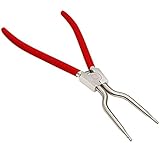
Front Load Washing Machine Seal Spring Expansion Tool - TSE-1/1383EER4004A/383EER4001A
View on Amazon- TAR Score9.8
TAR Score is a ranking system developed by TopAppliancesReviews.com. TAR score has no relationship or impact from any manufacturers or sales agent websites. Learn more
- BrandSefream

- TAR Score9.6
TAR Score is a ranking system developed by TopAppliancesReviews.com. TAR score has no relationship or impact from any manufacturers or sales agent websites. Learn more
- BrandGREALTH

- TAR Score9.4
TAR Score is a ranking system developed by TopAppliancesReviews.com. TAR score has no relationship or impact from any manufacturers or sales agent websites. Learn more
- BrandeHuangTools

- TAR Score9.4
TAR Score is a ranking system developed by TopAppliancesReviews.com. TAR score has no relationship or impact from any manufacturers or sales agent websites. Learn more
- BrandMarsrut
- TAR Score9.2
TAR Score is a ranking system developed by TopAppliancesReviews.com. TAR score has no relationship or impact from any manufacturers or sales agent websites. Learn more
- BrandBeaquicy

- TAR Score9.2
TAR Score is a ranking system developed by TopAppliancesReviews.com. TAR score has no relationship or impact from any manufacturers or sales agent websites. Learn more
- BrandDraduo

- TAR Score9.2
TAR Score is a ranking system developed by TopAppliancesReviews.com. TAR score has no relationship or impact from any manufacturers or sales agent websites. Learn more
- BrandBirvemce

- TAR Score9.0
TAR Score is a ranking system developed by TopAppliancesReviews.com. TAR score has no relationship or impact from any manufacturers or sales agent websites. Learn more
- Brandピンククロス
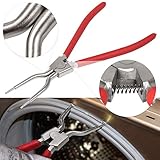
383EER4004A/383EER4001A Washing Machine Inner/Outer Spring Expansion Tool Washer Door Boot
View on Amazon- TAR Score8.6
TAR Score is a ranking system developed by TopAppliancesReviews.com. TAR score has no relationship or impact from any manufacturers or sales agent websites. Learn more
- BrandE-cowlboy
Last update on 2026-06-25 / Affiliate links / Images, Product Titles, and Product Highlights from Amazon Product Advertising API
How To Remove Jammed Washer Door After Lock Error
A locked washer with wet clothes inside can turn a normal laundry day into a tiny household crisis. The handle feels stiff, the light keeps blinking, and the machine acts like it’s guarding a vault instead of a load of towels. The topic of how to remove jammed washer door after lock error matters because pulling harder usually makes things worse, not better. A careful approach protects the door latch, the rubber seal, and the control system while giving the lock a fair chance to release.
Jammed Washer Door Basics
A washer door usually stays locked because the machine still thinks there’s a safety risk. Water may be sitting in the drum, the control board may be stuck mid-cycle, or the latch may not have received the release signal. That’s annoying, sure, but it’s also the machine trying to avoid a flooded floor. The smartest first move is to treat the problem like a system issue, not just a stubborn handle.
Most front-load washers use an electronic lock that holds the door shut during wash, spin, and drain stages. After the cycle ends, the lock should cool, reset, or receive a signal before opening. If that chain breaks, the door can stay jammed even though the cycle looks finished. That’s why power reset, water drainage, and latch inspection matter more than brute force.
Many people panic because laundry trapped inside starts smelling damp fast. Towels, jeans, and bedding hold moisture like nobody’s business, and waiting too long can leave a sour odor. Still, forcing the handle can crack the plastic strike or bend the hook inside the lock. A steady plan gives you a better shot at saving both the clothes and the washer door mechanism.
Start by checking whether the washer is still humming, draining, or clicking. Any sound from the pump means the machine may still be working through a delayed drain or lock sequence. A quiet washer with a blinking lock light usually points toward a reset, drainage, or latch communication issue. That small distinction helps you choose the right fix instead of guessing your way through it.
Start With A Safe Reset
Cutting power is often the least risky first step because many lock errors come from confused electronics. Unplug the washer from the wall and leave it disconnected for several minutes so the control board can fully discharge. This reset may release the lock once the board clears the stuck command. Keep the door handle alone during this stage because forced pulling can turn a simple reset into a broken latch.
Some washers need a longer pause before the lock opens because the latch assembly can stay warm after a cycle. Heat inside the lock can keep the release mechanism engaged until it cools. That’s frustrating, but it’s normal on many models after heavy wash or spin cycles. Patience here protects the lock solenoid and lowers the chance of damaging the door strike.
After the reset, plug the washer back in and listen closely. A click near the door area can mean the latch finally received the release command. If the door opens, avoid slamming it shut right away because the latch may still be sticky or misaligned. Wipe around the door frame and seal to remove detergent film, lint buildup, and damp grime that can interfere with smooth locking.
A reset won’t fix every jammed door, especially if water is trapped inside. Many washers refuse to unlock while the pressure sensor still detects water in the tub. That safety feature makes sense because opening the door could spill water across the floor. So, if the lock stays engaged after power cycling, the next suspect is usually standing water or a blocked drain path.
Drain Water Before Pulling
Leftover water is one of the most common reasons a washer door refuses to open. The machine may look finished from the outside, but the water level sensor can still read moisture inside the drum. That signal keeps the lock active because the washer assumes opening the door could cause a mess. Clearing the drain system is often the difference between a stuck door and a clean release.
Look for the small service panel near the bottom front of the washer. Behind it, many front-load models have a drain filter and a short emergency drain hose. Place towels and a shallow pan nearby because water can come out fast, especially after a failed drain cycle. This step protects your floor while giving the washer a chance to reset the water-level reading.
Slow draining can come from coins, hair clips, lint, pet fur, or small fabric pieces caught in the pump filter. Remove debris carefully and avoid jamming tools into the pump housing. Once the water drains, reinstall the filter securely so the next cycle doesn’t leak. A clean pump filter helps prevent repeat lock errors and keeps the washer from getting stuck in the same loop again.
Heavy use can make washer access harder for anyone with limited grip strength, stiff joints, or trouble bending down. For easier laundry routines with clearer controls and friendlier access, compare washing machine for older person models before replacing a problem unit. That kind of upgrade won’t solve today’s locked door instantly, but it can reduce future frustration. The real win is a washer that feels less like a puzzle every time something goes sideways.
Use The Emergency Release Carefully
Many washers include an emergency release tab or cord hidden near the lower access panel. This release is usually close to the drain filter, though the exact location depends on the brand. Pulling it gently can disengage the lock after water has been drained and power has been disconnected. The key word is gently, because snapping the tab can leave the door stuck and the repair bill higher.
Before using the emergency release, unplug the washer and confirm the drum is not full of water. Opening a water-filled front-load washer can dump several gallons onto the floor, and nobody wants that circus. Keep towels ready, move anything electrical away, and pull the release in a steady motion. A slow, controlled pull protects the internal latch and gives the mechanism room to move.
Some models hide the release behind the top panel instead of the bottom panel. That design usually requires removing a few screws and reaching down toward the latch area. If the machine is stacked, tight against a wall, or difficult to access, the job becomes more awkward. A washer-dryer setup with tight clearances may be easier to manage long term, so explore washing machine combo choices if space keeps making repairs harder than they need to be.
A stuck emergency release may signal a physically jammed latch rather than an electronic lock error. Broken plastic, warped door hooks, and misaligned hinges can all prevent normal release. In that case, pushing the door inward slightly while pulling the release can sometimes reduce pressure on the latch. Avoid prying with a screwdriver because metal tools can scar the door frame, tear the gasket, or crack trim pieces.
Check The Door Latch And Strike
Once the door opens, don’t rush straight into another load. Inspect the latch area while the washer is empty and unplugged. The door strike should look straight, firm, and centered with the lock opening. A bent or loose strike can trigger repeat lock errors because the washer never gets a clean locked or unlocked signal.
Soap residue around the latch can also cause trouble. Detergent splatter dries into a tacky film, and fabric softener can leave a slick layer that collects lint. Wipe the latch pocket, strike, and door rim with a damp cloth, then dry the area thoroughly. This simple cleanup supports better contact alignment and smoother lock movement.
Watch for cracks around the door hook or latch receiver. Even a small crack can make the door sit slightly off-center, especially during high-speed spin cycles. That tiny shift may not look dramatic, but the lock switch can read it as unsafe. Replacing a damaged door strike is usually cheaper than replacing the entire latch assembly.
Pet hair and damp laundry odors often build up around washer seals, especially in homes where blankets, pet beds, and towels go through frequent cycles. To keep the laundry area from smelling stale between repairs, improve the room’s air quality with air purifiers for pet owners that help manage airborne hair and odor. That won’t unlock a jammed washer door, but it can make the space feel less musty while damp laundry problems get sorted. Small comfort matters when the laundry room already feels like a headache.
Spot Signs Of A Bad Lock Assembly
A failing lock assembly usually gives warnings before it quits completely. The door may need extra pressure to close, the lock light may blink longer than usual, or the washer may pause before starting a cycle. These clues point toward a latch that’s wearing out or a sensor that’s losing reliable contact. Catching those early signs helps prevent another trapped load.
Clicking without release can mean the control board is trying to unlock the door but the latch mechanism is stuck. Silence after a reset may suggest the latch is not receiving power or the board is not sending the command. Either way, repeated lock failures shouldn’t be ignored. A washer that jams again and again is telling you the lock system needs attention.
Door locks live a rough life because they handle vibration, moisture, heat, and constant movement. Over time, plastic parts can fatigue and tiny springs can lose tension. A worn latch may still work sometimes, which makes the problem feel random. That on-and-off behavior is exactly why intermittent lock errors can be so irritating.
Replacing the lock assembly can be manageable for handy homeowners, but it depends on access, wiring, and model design. Always unplug the washer before removing panels or touching connectors. Take a photo of the wiring before disconnecting anything so each plug returns to the right spot. That simple habit protects against wiring mistakes and saves a lot of second-guessing later.
How To Remove Jammed Washer Door After Lock Error
A washer that opens once and then jams again is trying to tell you something. The first rescue gets the laundry out, but the real fix starts after the door finally releases. How to remove jammed washer door after lock error becomes easier the next time around when the drain path, latch, gasket, and control behavior are checked together. That extra bit of care can stop the same lock error from turning into a weekly headache.
Test The Washer After Opening
Run a short rinse or drain cycle with the washer empty after the door opens. This small test helps confirm whether the machine can lock, drain, spin, and unlock without a full load inside. Watch the lock light closely because a delayed release can reveal a weak latch or control issue. Listen for grinding, humming, or repeated clicking near the door area.
A normal cycle should end with a clear unlock sound and a door that opens without tugging. If the washer finishes but the door stays stiff, the lock assembly may be sticking even when the control board sends the right signal. That kind of failure can fool people because the washer may still run most cycles. The real warning sign is the door acting moody after every wash.
Water left at the bottom of the drum after the test cycle points back to drainage. A blocked pump filter, kinked drain hose, or slow standpipe can keep the washer from clearing water completely. The machine may keep the door locked because it still senses leftover water. Fixing the drain issue usually matters more than replacing the latch too soon.
Keep the load size small during the next few washes. Heavy towels and bulky bedding can push against the door during spin, especially if the washer is slightly off balance. That pressure can make a worn latch bind tighter than usual. A careful restart helps protect the door hook, hinge alignment, and rubber gasket while you monitor the problem.
Clean The Seal And Lock Area
The rubber door gasket collects more gunk than most people expect. Detergent slime, lint, coins, hair, and tiny fabric threads can sit inside the folds and interfere with proper closing. A dirty seal may not directly cause every lock error, but it can make the door sit slightly wrong. That tiny shift can upset the door lock sensor and trigger another jam.
Wipe the gasket folds with a damp cloth and mild soap, then dry the area well. Avoid harsh scraping tools because the seal can tear if it’s already worn or stiff. A torn gasket can leak during the next wash, which creates a bigger repair than the original locked door. Gentle cleaning protects the rubber seal while clearing the debris that keeps the latch area messy.
The latch opening deserves the same attention. Use a flashlight to check for broken plastic, lint clumps, and dried detergent around the lock slot. A cotton swab can help clean tight corners without damaging the mechanism. Clean contact points make the lock feel smoother and help the washer read the closed-door position correctly.
Laundry rooms can collect grime from more than just washers. Muddy shoes, outdoor gear, and wet towels often leave residue around utility sinks and floor drains, and a compact car wash machine can help with outdoor cleaning jobs before that mess gets dragged inside. Keep that tool separate from washer repairs, though. The washer latch needs light cleaning, not pressure or force.
Know When The Control Board Is Involved
A lock error can come from electronics rather than the physical latch. The washer’s control board sends commands to lock and unlock, and a glitch can freeze that command mid-cycle. Power surges, interrupted cycles, and moisture near connectors can all confuse the system. That’s why a proper reset matters before assuming the latch has failed.
Repeated blinking codes after a reset deserve closer attention. Many washers display a door lock code, drain code, or general control error, depending on the brand. Write the code down before unplugging the machine because it can disappear after power is cut. That code gives a repair tech or parts search a much clearer trail.
Control board problems often show up with other odd behavior too. Buttons may lag, cycles may pause randomly, or the washer may refuse to start even after the door closes firmly. Those symptoms suggest the issue reaches beyond the lock itself. Replacing only the door latch might not solve a deeper electrical fault.
Moisture and vibration make washer electronics work harder than people realize. A laundry room with poor ventilation can leave damp air around panels, plugs, and control boards. Keep the area dry, avoid overloading the outlet, and make sure the washer sits level. Simple habits can reduce stress on the control system and help prevent repeat lock trouble.
Avoid Damage During Manual Release
A manual release should feel controlled, not like a wrestling match. If the door refuses to open after draining and resetting, stop before the handle bends or cracks. Push the door inward slightly to relieve pressure on the latch, then try the release tab again. That small inward push can help the locking hook slide free without snapping.
Never pry around the door with a screwdriver unless the washer is already headed for professional repair. Metal tools can gouge the frame, puncture the gasket, or break trim clips hidden behind the front panel. A damaged seal may leak even after the lock problem is fixed. Protecting the washer gasket saves money and keeps the next wash from becoming a puddle party.
Top-load washers can jam differently than front-load machines. A lid lock may stay engaged because the strike is misaligned, the lid switch is faulty, or the control board thinks the cycle is still active. For top-load models, don’t force the lid upward because the lock can break inside the cabinet. A reset and proper code check should come before any manual lid release.
Some appliances share repair logic with other motor-driven equipment: power, sensor feedback, and mechanical movement all need to agree. A separate home project like a wind turbine alternator has its own electrical behavior, but the basic lesson still fits: mismatched signals cause frustrating failures. With washers, that mismatch often appears as a locked door that won’t release. Treat the washer like a connected system, not a single stuck part.
Prevent Future Lock Errors
Prevention starts with better loading habits. Overfilled drums strain the motor, slow the drain, and push wet fabric against the door during spin. That pressure can make a weak latch bind or confuse the lock sensor. Leave enough room for laundry to tumble so the washer can drain and unlock without fighting extra weight.
Use the right detergent amount, especially with high-efficiency machines. Too much soap creates suds that can slow drainage and leave residue around the gasket. The washer may extend the cycle or hold the lock longer because it senses water and foam that shouldn’t be there. Less detergent often means fewer suds problems, cleaner seals, and smoother unlocking.
Clean the drain filter on a schedule instead of waiting for a jam. A filter packed with lint, hair, coins, or buttons can make the pump struggle and leave water behind. That leftover water keeps the lock engaged and makes the door feel trapped. Routine filter care protects the drain pump and lowers the chance of another lock error.
Leave the washer door cracked open after loads so the gasket can dry. Damp seals invite odor, mildew, and sticky buildup around the latch area. A dry gasket keeps the door closing cleaner and helps the lock sit correctly. That small habit supports better airflow, less residue, and a fresher laundry routine.
Call A Repair Tech At The Right Time
Some washer lock problems cross the line from DIY fix to service call. Burning smells, repeated electrical clicking, visible melted plastic, or a lock that jams every cycle should not be ignored. Those signs can point to a failing latch, damaged wiring, or a control board issue. A trained tech can test the voltage, door switch, and wiring safely.
A repair visit also makes sense if the washer is stacked, built into cabinetry, or too heavy to move safely. Tight spaces make panel removal harder, and awkward angles can lead to broken clips or stripped screws. Saving a few dollars isn’t worth hurting your back or damaging the cabinet. Safe access matters just as much as the replacement part.
Ask for a clear diagnosis before approving parts. A jammed door may need a latch assembly, but it could also need a pump cleaning, wiring repair, or control reset. Good troubleshooting follows the symptom trail instead of throwing parts at the machine. That practical approach keeps the repair focused on the real cause.
Age matters too. A washer with repeated lock errors, slow drainage, loud spin cycles, and worn seals may be nearing the point where repair money stops making sense. One failed latch isn’t a disaster, but several problems stacked together can change the math. Compare repair cost, part availability, and daily frustration before deciding whether to keep fixing the same washer door lock issue.


10 Best Quality Semi Automatic Washing Machine of 2026 For Leak-Free Laundry

11 Best Small Washer Machine of 2026 For Everyday Laundry

12 Best Vibration Pads For Washing Machine of 2026 To Stop Walking and Shaking

11 Best Selling Front Load Washing Machine of 2026 For Quiet Odor-Free Laundry

11 Best Washing Machine For King Size Bedding of 2026 To Prevent Cycle Errors

10 Best Small Front Loader Washing Machine of 2026 For Tight Closets

12 Best Side Load Washing Machine of 2026 For Low Vibration

11 Best Single Tub Washing Machine of 2026 For Apartments Without Hookups






