
How to Remove Hard Water Stains and Mineral Buildup From Washer Fast

How to remove hard water stains and mineral buildup from washer keeps popping up for one frustrating reason. Those chalky streaks, crusty detergent trays, and cloudy drum surfaces don’t just look rough, they slowly mess with washing performance too. Clothes may start feeling stiff, towels lose softness, and that clean laundry smell suddenly disappears. A washer dealing with heavy mineral residue often sounds louder, drains slower, and leaves behind weird white flakes that nobody wants touching fresh fabric.
Hard water minerals sneak into tiny washer parts little by little. Calcium and magnesium settle around rubber seals, water inlets, and hidden drum sections where moisture hangs around longer than expected. Before long, soap scum teams up with mineral residue and creates a stubborn layer that regular rinse cycles won’t touch. Scrubbing blindly can scratch surfaces or wear down protective finishes, so the cleanup process needs a smarter approach instead of brute force.
White vinegar, warm water, and gentle cleaning tools usually handle most buildup surprisingly well. Still, heavily neglected machines may need repeated cleaning cycles before residue loosens completely. Front-load washers especially trap mineral deposits around the gasket folds, while top-load models tend to collect buildup under agitators and around detergent dispensers. Odd smells often tag along too, which makes the whole laundry room feel stale no matter how much detergent gets poured in.
Freshening up a washer isn’t only about appearances. Mineral buildup can affect water flow, heating efficiency, and detergent breakdown over time. That means more soap usage, dull-looking clothes, and extra strain on internal components. Yikes, that repair bill can sneak up fast if buildup keeps getting ignored month after month.
Deep cleaning routines help restore normal washer performance without relying on harsh chemical overload. Gentle acids dissolve mineral layers while soft cloths and non-abrasive brushes protect sensitive surfaces. Small habits matter too. Leaving the door cracked open after cycles, wiping seals dry, and reducing excess detergent use can slow future buildup dramatically.
Some washers bounce back quickly after one thorough cleaning, while older machines may need ongoing maintenance to stay in decent shape. Either way, tackling mineral deposits early prevents stubborn crust from spreading deeper into hidden washer components. A cleaner drum, smoother water flow, and fresher-smelling laundry usually show up sooner than expected once the residue finally gets cleared away.

- TAR Score9.0
TAR Score is a ranking system developed by TopAppliancesReviews.com. TAR score has no relationship or impact from any manufacturers or sales agent websites. Learn more
- BrandCLR
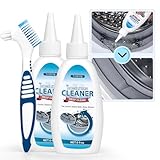
- TAR Score8.8
TAR Score is a ranking system developed by TopAppliancesReviews.com. TAR score has no relationship or impact from any manufacturers or sales agent websites. Learn more
- BrandLeopong

- TAR Score8.6
TAR Score is a ranking system developed by TopAppliancesReviews.com. TAR score has no relationship or impact from any manufacturers or sales agent websites. Learn more
- BrandBio-Clean Products

- TAR Score8.4
TAR Score is a ranking system developed by TopAppliancesReviews.com. TAR score has no relationship or impact from any manufacturers or sales agent websites. Learn more
- BrandShineSafe

- TAR Score8.4
TAR Score is a ranking system developed by TopAppliancesReviews.com. TAR score has no relationship or impact from any manufacturers or sales agent websites. Learn more
- BrandBRING IT ON! CLEANER

- TAR Score7.6
TAR Score is a ranking system developed by TopAppliancesReviews.com. TAR score has no relationship or impact from any manufacturers or sales agent websites. Learn more
- BrandTECHNICHEM
Last update on 2026-06-20 / Affiliate links / Images, Product Titles, and Product Highlights from Amazon Product Advertising API
How To Remove Hard Water Stains And Mineral Buildup From Washer
Fresh laundry can still come out stiff, cloudy, or faintly sour after a full cycle, and that’s the part that drives people up the wall. The machine looks busy, the detergent smells strong, and yet the results feel off. That gap usually points back to how to remove hard water stains and mineral buildup from washer the right way, because calcium deposits and soap residue love hiding where quick wipe-downs never reach.
Washer Buildup Warning Signs
Hard water stains rarely show up all at once. They creep in as chalky rings on the drum, crusty patches around the detergent drawer, or white flecks stuck to dark clothes. At first, it looks like leftover detergent, so tossing in extra rinse cycles feels logical. Then the same mess returns, because mineral buildup is stuck to the washer itself, not just floating in the load.
Stiff towels are another dead giveaway. Minerals cling to fabric fibers and make them feel rough even after using fabric softener. That softener can actually make the problem worse if it mixes with residue and leaves a waxy film inside the drum. A cleaner washer gives detergent room to rinse away instead of turning into sticky soap scum.
Odor can tag along too, especially in front-load washers with folded rubber gaskets. Moisture sits in those folds, minerals trap grime, and suddenly the washer smells like a damp basement. Wiping the visible edge helps, but the deeper groove often needs slow, careful cleaning. A soft brush, warm water, and white vinegar can loosen the gunk without chewing up the rubber.
Slow filling or weak water flow may also hint at clogged inlet screens. Tiny mineral particles collect where water enters the washer, and the machine starts acting sluggish. This doesn’t always mean a major repair is coming, but ignoring it can put extra strain on the appliance. Cleaning visible buildup early is cheaper and less annoying than dealing with blocked washer parts later.
Why Minerals Stick Around
Hard water carries dissolved minerals, mainly calcium and magnesium. Those minerals stay behind after water evaporates, which is why washer doors, dispensers, and drum surfaces can look cloudy. Heat makes the issue more noticeable because warm cycles help minerals settle onto surfaces faster. That’s why the washer may look worse after repeated hot washes, even though hot water feels like it should clean better.
Detergent overload adds another layer to the problem. More soap doesn’t mean cleaner clothes if the water can’t rinse it away properly. Hard water reacts with detergent and creates residue that sticks to the tub, gasket, and clothing. A smaller, well-measured amount often does more good than a heavy pour, especially for compact laundry routines like those handled by washing machine for one person setups.
Front-load machines can be extra fussy because the sealed door traps humidity between loads. That damp space gives residue a cozy place to settle. Top-load washers aren’t off the hook either, since buildup can hide under the agitator and around the water line. Both styles need regular mineral removal, just in slightly different spots.
Water temperature matters more than most people think. Cold cycles may leave detergent behind if too much is used, while hot cycles can speed up mineral deposits. The sweet spot depends on fabric type, washer design, and detergent formula. The real win comes from matching the cycle to the load while keeping residue control part of the weekly routine.
Safe Cleaning Supplies That Work
White vinegar is usually the first smart move for mineral buildup. It breaks down chalky deposits without the harsh bite of abrasive cleaners. Pouring it into the drum and running a hot cleaning cycle can loosen residue from areas you can’t reach by hand. Still, vinegar shouldn’t be mixed with bleach, because that combo can create dangerous fumes.
Baking soda helps with odor and light grime, but it’s not the main mineral remover. Think of it as the helper, not the star player. It can soften sour smells and lift mild residue after vinegar has done the heavy lifting. Used carefully, it supports a fresher drum without scratching washer surfaces.
Citric acid can tackle stubborn mineral scale when vinegar feels too mild. Many appliance-cleaning tablets use this type of acid because it targets hard water residue well. The tradeoff is simple: stronger cleaners need better rinsing afterward. Running an empty rinse cycle helps clear leftover cleaner so clothes don’t pick up acidic residue.
Soft cloths, old toothbrushes, and non-scratch scrub pads handle the hands-on work. Metal scrubbers can scar plastic dispensers or damage the drum finish, so skip them. A narrow brush helps reach gasket folds, dispenser corners, and lid edges where white crust loves to camp out. For delicate laundry routines, especially baby items, a clean machine matters as much as detergent choice, so compare a washer and dryer for baby clothes if residue control is a daily concern.
Step By Step Washer Cleaning
Start with the dispenser because it often holds the thickest mess. Remove the tray if the washer allows it, then soak it in warm water with vinegar for a while. A small brush can clear softened crust from corners without forcing anything. Dry it fully before sliding it back, since trapped moisture invites fresh buildup.
Clean the gasket with patience, not muscle. Pull the folds gently and wipe inside with a vinegar-damp cloth. Black grime, white flakes, and slimy film can all hide in the same crease. Keep wiping until the cloth comes away clean, then dry the rubber to reduce mildew risk.
Run an empty cleaning cycle using hot water and vinegar or a washer-safe mineral remover. Let the cycle finish fully, then run a plain rinse cycle if the machine still smells sharp. This clears loosened particles from the tub and drain path. A clean cycle works better after visible grime is removed, because the cleaner can reach hidden mineral deposits instead of fighting surface sludge.
Wipe the drum after the cycle finishes. Loose flakes may cling near the door, water line, or bottom of the tub. Leaving them there can send residue straight into the next load. A dry microfiber cloth helps catch the last bits and leaves the washer ready for cleaner laundry.
Habits That Keep Stains Away
Use less detergent than the cap suggests if loads are small or lightly soiled. Detergent caps often encourage heavy pours, and hard water makes that leftover soap cling harder. Measuring carefully feels boring, sure, but it cuts down on film fast. The washer rinses better, clothes feel softer, and mineral residue has less sticky soap to grab onto.
Leave the door open after each wash so moisture can escape. A closed washer turns into a little humidity box, especially in warm rooms. Dry air slows odor, mildew, and mineral film from building up between loads. This tiny habit takes almost no effort and saves plenty of scrubbing later.
Wipe wet areas after heavy laundry days. The gasket, door glass, detergent drawer, and lid rim deserve quick attention. A thirty-second wipe can stop water spots before they harden into crust. Small maintenance beats deep cleaning marathons every time, especially with hard water stains.
Check nearby air quality if the laundry space smells stale even after cleaning the washer. Dust, pet dander, and humidity can make a small utility room feel heavier than it should. To reduce airborne mess around laundry and living spaces, consider an air purifier for pets and dust for cleaner breathing conditions. A fresher room won’t remove washer minerals by itself, but it can help keep laundry areas from feeling musty all the time.
How To Remove Hard Water Stains And Mineral Buildup From Washer
Small laundry problems can snowball fast once mineral buildup starts hiding inside the washer. Clothes feel rough, the drum looks cloudy, and detergent seems less useful than it should. A steady routine for how to remove hard water stains and mineral buildup from washer helps protect wash performance without turning laundry day into a full-blown chore. The trick is knowing where buildup collects, what removes it safely, and which habits stop it from coming right back.
Clean Hidden Washer Zones
Hidden washer areas cause the most stubborn hard water problems because they stay damp longer than the visible drum. Gasket folds, dispenser channels, lid rims, and drain edges can hold chalky residue mixed with lint and detergent film. A quick wipe across the drum won’t reach those spots, so the machine may still smell stale after a cleaning cycle. That’s why detailed hand-cleaning matters before running any deep wash cycle.
Detergent drawers deserve special attention because liquid soap, softener, and minerals often dry into a sticky crust there. Pull the drawer out if the washer design allows it, then soak it in warm vinegar water before brushing the corners. Don’t scrape with metal tools, because scratched plastic catches residue faster later. A soft toothbrush gives better control and keeps small washer parts intact.
Rubber seals need a slower touch. Pull the folds gently, wipe away loose grime, and use a vinegar-damp cloth on the cloudy areas. Some stains may need repeated passes instead of heavy scrubbing, especially around older seals. A dry towel afterward helps stop moisture from feeding mildew and mineral film.
Compact laundry spaces can make maintenance trickier because airflow is limited and parts stay damp longer. Boats, cabins, and tight utility closets often deal with both moisture and mineral-heavy water, so a washing machine for sailboat setup needs careful drying after each cycle. Leaving the lid or door cracked open helps more than people expect. Better airflow keeps hard water residue from turning into a crusty, smelly mess.
Run The Right Cleaning Cycle
Hot water cleaning cycles help loosen mineral scale from the drum and internal pathways. Add white vinegar or a washer-safe descaling cleaner, then let the machine complete the full cycle without laundry inside. Stopping the cycle too early can leave loosened grime sitting in the tub. Let the washer rinse fully so dissolved mineral deposits move out instead of settling again.
Vinegar works well for routine buildup, but it should be used with common sense. Too much vinegar too often can be rough on rubber parts over the long haul. Monthly use is usually enough for many homes, while harder water may need a more consistent schedule. The goal is steady mineral control, not soaking the machine in acid every week.
Citric acid cleaners can handle heavier scale, especially if the drum has visible white patches or the dispenser feels gritty. These cleaners usually need a rinse cycle afterward because leftover acid can irritate fabrics. The washer should smell neutral, not sharp, before the next load goes in. Clean rinsing protects both laundry softness and machine parts.
Bleach is better for sanitizing than mineral removal. It can help with mildew smells, but it won’t dissolve calcium buildup the way mild acids do. Never mix bleach with vinegar or citric acid, not even by accident. Separate cleaning days keep the process safer and prevent toxic fumes from forming.
Prevent Buildup Between Washes
Prevention feels less dramatic than deep cleaning, but it saves the most work. Hard water stains return quickly if the washer stays wet, overloaded, or packed with too much detergent. Leave the door open, dry the gasket, and wipe the dispenser after heavy laundry days. Those tiny steps keep mineral residue from hardening into a stubborn layer.
Detergent measurement matters more than the scent or brand. Hard water already makes rinsing harder, so extra soap piles onto the problem. Use the lowest effective amount and adjust only if clothes truly need more cleaning power. Less leftover soap means fewer places for calcium and magnesium to stick.
Water softening additives can help in homes with very hard water. They support detergent performance and reduce the mineral load left behind after each wash. Still, they don’t replace washer cleaning entirely. Think of them as backup for residue prevention, not a free pass to skip maintenance.
Appliance care habits also carry over to other hard-working machines in the home. A refrigerator with cleaner airflow and steady maintenance tends to run with fewer headaches, much like a washer with less mineral strain. For bigger appliance planning, compare the best rated refrigerator brand before replacing a worn-out unit. Smart upkeep and smart buying both reduce expensive appliance surprises.
Fix Laundry Problems Caused By Minerals
Rough towels are often the first laundry clue that minerals are building up. The fibers hold onto calcium, detergent film, and softener residue until they feel scratchy instead of fluffy. Washing towels with vinegar in the rinse cycle can help loosen that buildup. Skip fabric softener for a while so the fibers can shed waxy residue.
Dull dark clothes may show white streaks after washing. Those marks can come from undissolved detergent, mineral flakes, or residue shaken loose from the drum. Run an empty cleaning cycle before blaming the detergent completely. A cleaner washer gives dark fabrics a better shot at coming out free of chalky streaks.
Sour smells on clean laundry usually point to trapped washer grime rather than dirty clothes. Moisture, minerals, and old detergent create a sticky base for odor. Clean the gasket, dispenser, and drum before switching detergents or adding scent boosters. Fragrance only masks the issue while buildup keeps growing.
Stiff baby clothes, workout gear, and towels need extra care because residue sits close to skin. Use a clean washer, measured detergent, and a full rinse cycle for sensitive loads. Avoid overloading, since packed clothes can’t move freely enough to rinse well. Better water movement helps remove mineral film before it dries into fabric.
A Practical Cleaning Schedule
Weekly maintenance should stay simple enough that it actually gets done. Wipe the door, gasket, lid rim, and detergent area after the last load of the week. Leave the washer open so trapped moisture can escape. This routine keeps surface stains from becoming crusty buildup.
Monthly cleaning can handle the deeper mineral work. Run an empty hot cycle with vinegar or a washer-safe descaler, then wipe away loosened flakes around the drum. Follow with a rinse cycle if the washer smells sharp or feels gritty. That extra rinse helps protect clothes and washer parts.
Seasonal checks are useful for inlet screens and hoses. If water flow seems weaker than usual, mineral particles may be blocking the screen where the hose connects. Turn off the water before checking anything, and clean gently so the screen doesn’t bend. Strong water flow supports better rinsing and reduces detergent leftovers.
Heavily scaled washers may need more than one cleaning round. Don’t expect years of buildup to vanish after a single cycle. Repeat gentle cleaning, wipe loose residue, and give the machine time to clear hidden deposits. Slow, steady cleanup is safer than aggressive scrubbing that damages rubber seals or drum finishes.


10 Best Quality Semi Automatic Washing Machine of 2026 For Leak-Free Laundry

11 Best Small Washer Machine of 2026 For Everyday Laundry

12 Best Vibration Pads For Washing Machine of 2026 To Stop Walking and Shaking

11 Best Selling Front Load Washing Machine of 2026 For Quiet Odor-Free Laundry

11 Best Washing Machine For King Size Bedding of 2026 To Prevent Cycle Errors

10 Best Small Front Loader Washing Machine of 2026 For Tight Closets

12 Best Side Load Washing Machine of 2026 For Low Vibration

11 Best Single Tub Washing Machine of 2026 For Apartments Without Hookups






