
How to Remove Detergent Buildup and Residue Inside Washer

How to remove detergent buildup and residue inside washer turns into a bigger headache than most people expect. One day the drum looks fine, then suddenly clothes come out smelling stale, white streaks stick to dark fabrics, and the washer starts acting sluggish. Too much detergent, cold-water cycles, and skipped maintenance slowly leave behind sticky residue that clings to the tub, gasket, detergent tray, and hidden pipes. That gunk doesn’t just look gross either. It traps lint, moisture, and bacteria, creating the perfect storm for unpleasant smells and stubborn grime.
Plenty of washers quietly collect buildup for months before obvious warning signs appear. Front-load machines often develop slimy residue around the rubber seal, while top-load units hide soap scum underneath agitators and around drum edges. Softener leftovers can also leave greasy streaks that regular rinse cycles won’t touch. Frustratingly enough, tossing in more detergent usually makes the problem worse instead of better. The washer keeps spinning, but cleaning performance slowly drops off a cliff.
Removing detergent buildup takes more than running a random hot cycle and hoping for the best. Certain cleaning methods work well for mineral-heavy residue, while others help break down oily sludge trapped deep inside the machine. Vinegar, baking soda, washer tablets, and proper rinse cycles each play different roles depending on the condition of the appliance. Small cleaning habits also matter more than people think. Leaving the door cracked open, wiping moisture after loads, and measuring detergent correctly can dramatically reduce future buildup.
Some residue problems stem from modern laundry habits that sound harmless at first. Concentrated detergents, overloaded drums, and quick wash settings often leave soap trapped inside hidden washer components. High-efficiency machines especially struggle when regular detergent gets poured in without a second thought. Then the cycle repeats over and over until the inside of the washer develops that unpleasant sticky coating nobody wants to deal with. A clean-looking drum can still hide layers of grime beneath the surface.
How to remove detergent buildup and residue inside washer becomes much easier once the root causes are clear. Consistent maintenance, smarter detergent use, and targeted deep-cleaning steps help restore fresh-smelling laundry without unnecessary scrubbing or expensive repair calls. A washer should leave clothes feeling clean instead of carrying hidden odors and residue right back onto freshly washed fabrics. Once the buildup disappears, the difference feels surprisingly satisfying.

- TAR Score9.6
TAR Score is a ranking system developed by TopAppliancesReviews.com. TAR score has no relationship or impact from any manufacturers or sales agent websites. Learn more
- BrandMamouris

- TAR Score9.4
TAR Score is a ranking system developed by TopAppliancesReviews.com. TAR score has no relationship or impact from any manufacturers or sales agent websites. Learn more
- BrandTide

- TAR Score9.2
TAR Score is a ranking system developed by TopAppliancesReviews.com. TAR score has no relationship or impact from any manufacturers or sales agent websites. Learn more
- BrandGlisten
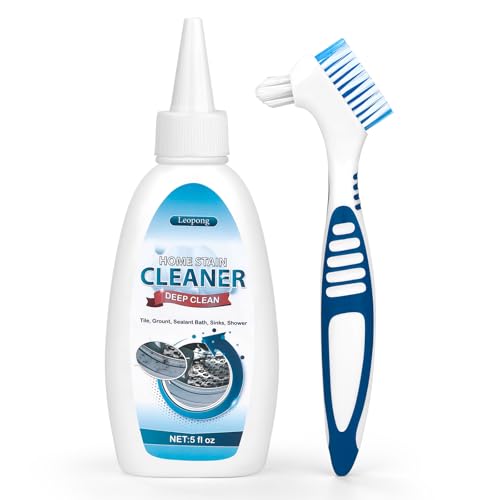
- TAR Score8.8
TAR Score is a ranking system developed by TopAppliancesReviews.com. TAR score has no relationship or impact from any manufacturers or sales agent websites. Learn more
- BrandLeopong

- TAR Score8.8
TAR Score is a ranking system developed by TopAppliancesReviews.com. TAR score has no relationship or impact from any manufacturers or sales agent websites. Learn more
- BrandBastion

- TAR Score8.4
TAR Score is a ranking system developed by TopAppliancesReviews.com. TAR score has no relationship or impact from any manufacturers or sales agent websites. Learn more
- BrandFast Orange

- TAR Score8.4
TAR Score is a ranking system developed by TopAppliancesReviews.com. TAR score has no relationship or impact from any manufacturers or sales agent websites. Learn more
- BrandVelocity

- TAR Score8.2
TAR Score is a ranking system developed by TopAppliancesReviews.com. TAR score has no relationship or impact from any manufacturers or sales agent websites. Learn more
- BrandACTIVE
Last update on 2026-06-20 / Affiliate links / Images, Product Titles, and Product Highlights from Amazon Product Advertising API
How To Remove Detergent Buildup And Residue Inside Washer
A washer can look clean at first glance and still leave clothes smelling a little sour, feeling stiff, or showing pale streaks after a full cycle. That annoying gap between “fresh laundry” and “why does this still smell weird?” is usually where how to remove detergent buildup and residue inside washer becomes the real fix. Soap film, fabric softener sludge, body oils, lint, and hard-water minerals can cling inside the drum, gasket, dispenser, and drain path. Once that layer builds up, rinsing gets weaker, odors linger longer, and the machine starts working harder than it should.
Washer Residue Clues
Detergent buildup rarely announces itself with one big dramatic sign. It usually sneaks in through small annoyances, like towels that feel waxy, workout clothes that smell stale after drying, or black shirts that come out with cloudy streaks. A clean cycle might seem like overkill until the washer starts transferring old soap film back onto fresh laundry. Yep, that’s the part that makes people want to throw the whole laundry routine out the window.
White residue on clothes often points to detergent that didn’t dissolve or rinse away properly. Cold-water washing, overloaded drums, and using too much soap can all leave behind a chalky film. High-efficiency washers are especially picky because they use less water, so extra detergent doesn’t get a free pass. For households that lean heavily on cold cycles, compare practical machine habits with a washing machine for cold water before blaming the detergent alone.
Musty smells usually mean moisture and residue are teaming up inside hidden areas. Front-load rubber gaskets trap water, lint, pet hair, and soap sludge in the folds. Top-load washers can hide buildup under the agitator, along the rim, and around the softener cup. Once grime gets cozy in those spots, a regular cycle won’t always shake it loose.
Sticky dispenser drawers tell their own story too. Thick liquid detergent, softener, and scent boosters can dry into a gummy layer that blocks proper flow. That mess may drip into the tub at the wrong time, leaving residue behind instead of cleaning clothes. A quick wipe helps, but a deeper soak does a better job once the tray feels slick or crusty.
Why Detergent Film Keeps Coming Back
Too much detergent is the usual troublemaker, even in homes that measure by habit rather than guesswork. Modern detergents are concentrated, and high-efficiency washers need far less soap than many people pour in. More suds don’t mean cleaner clothes. They can cushion dirt, cling to fabric, and leave residue inside washer parts after the rinse cycle ends.
Cold water adds another wrinkle. It protects colors and saves energy, sure, but some powders and thick liquids dissolve more slowly in cool temperatures. If the drum is packed tight, water can’t circulate well enough to break down detergent evenly. That’s how small bits of soap end up stuck on fabric, around the tub, and inside the drain path.
Overloading the washer turns cleaning into a wrestling match. Clothes need room to tumble, lift, drop, and rinse properly. Stuffing the drum to the brim traps detergent in folds of fabric, especially bulky towels, hoodies, jeans, and bedding. The washer may finish the cycle, but the load hasn’t really had space to rinse clean.
Fabric softener can make the buildup problem feel worse because it’s designed to leave a coating behind. That coating may soften towels at first, but over time it can reduce absorbency and create a greasy layer inside the machine. Scent beads and boosters can add even more residue if they don’t dissolve fully. Clean laundry should smell fresh, not perfumed over a hidden problem.
Deep Clean The Drum Without Guesswork
Hot water is the first move for breaking down soap film inside the washer. Run the longest, hottest cycle the machine allows with an empty drum. A washer cleaning tablet can help dissolve residue, but plain white vinegar can also loosen mild soap scum in many machines. Avoid mixing cleaners because bleach, vinegar, and ammonia-based products can create unsafe fumes.
Vinegar can help cut mineral deposits and old detergent film, especially around areas with hard water. Add it to the drum, not randomly into every compartment, unless the machine manual says that’s safe. Some manufacturers warn against frequent vinegar use because acidity may affect rubber parts over time. So, use it as an occasional cleaner rather than a weekly habit.
Baking soda helps with stale odors and light residue, but it’s not magic dust. Sprinkle it into the empty drum before running a hot cycle, especially if the machine smells sour after towels or gym clothes. It can soften odors and loosen grime, yet heavy buildup still needs wiping, soaking, and repeat cleaning. A washer that has years of residue won’t behave after one quick cycle.
Manual wiping matters because the drum cycle can’t reach every grimy corner. Wipe the rubber gasket, door glass, drum lip, and detergent drawer cavity with a damp cloth. A soft brush helps clear detergent crust without scratching surfaces. For small-space laundry setups or travel washing habits, upgrade the backup routine with a scrubba portable wash bag so delicate items don’t overload the main machine.
Clean Hidden Spots That Hold Sludge
The detergent dispenser is one of the easiest places to forget and one of the fastest places to collect residue. Pull it out if the design allows, then soak it in warm water until softened detergent loosens. Scrub the corners, rinse channels, and softener compartment with a small brush. That sticky tray can keep feeding old product into new loads if it stays dirty.
The rubber gasket needs special attention on front-load washers. Peel back the folds gently and look for lint, coins, hair, black specks, and slimy film. Wipe the area with warm water and a mild cleaner that matches your machine’s care guide. Drying the gasket after cleaning helps stop mildew from throwing a house party in there again.
The drain filter can also trap detergent sludge, lint, and tiny debris. Many front-load washers have a small access panel near the bottom, though designs vary. Place a towel and shallow pan nearby before opening anything because trapped water can spill fast. Cleaning this area can improve drainage and reduce that swampy smell that shows up after a finished cycle.
Airflow matters after the cleaning is done. Leave the door or lid open between loads so the drum can dry instead of staying damp. Moisture feeds odor, and residue gives it something to cling to. For laundry rooms that feel damp or stuffy, reduce that trapped-air problem with a air purifier for humidity as part of a broader moisture-control setup.
Fix The Laundry Habits Causing Residue
Measure detergent based on load size, soil level, and washer type instead of filling the cap by reflex. Most normal loads need less detergent than the cap suggests, especially in a high-efficiency machine. Heavy soil may need a bit more, but “more” still has limits. Too much soap leaves buildup, wastes money, and makes rinsing harder.
Use the right detergent for the washer. High-efficiency machines need HE detergent because it creates fewer suds and rinses more cleanly with lower water levels. Regular detergent in an HE washer can leave foam trapped in places the cycle can’t fully clear. That residue can slowly build into odor, streaking, and poor wash results.
Load size changes everything. A loose, balanced drum lets water move through fabric instead of bouncing off a packed wall of clothes. Bulky bedding, towels, and sweatshirts need extra space because they soak up water and trap detergent easily. Splitting one giant load into two smaller loads often beats rewashing everything later.
Extra rinse can help during cleanup, especially after washing towels, fleece, pet bedding, or heavily soiled clothes. It gives the machine another chance to flush leftover detergent out of fabric and the drum. Still, extra rinse shouldn’t become a crutch for overpouring soap. The better fix is less detergent, more room in the drum, and regular washer maintenance.
Choose Cleaners That Match The Buildup
Detergent residue can feel stubborn because it isn’t always one simple mess. Some buildup is chalky from minerals, some feels greasy from softener, and some turns slimy because moisture never fully dries. A single cleaner may help, but the best results usually come from matching the cleaner to the kind of grime inside the washer. That’s where targeted cleaning beats random scrubbing every time.
Washer cleaning tablets are handy for routine maintenance because they dissolve during a hot cycle and reach areas hands can’t easily touch. They’re especially useful after weeks of towel loads, pet bedding, gym clothes, or heavy detergent use. For deeper drum care, compare a washing machine drum cleaner before relying on pantry ingredients alone. A cleaner made for washer drums can help break down soap film without leaving a strong vinegar smell behind.
White vinegar works better for light mineral scale and mild soap film than for thick, oily sludge. Use it carefully, and don’t treat it like an everyday laundry booster. Too much acidic cleaning can be rough on rubber seals over time, especially in machines that already have worn gaskets. A smart routine uses vinegar occasionally, not as a cure-all.
Baking soda helps soften odors and loosen surface grime, but it won’t magically strip years of residue in one cycle. It’s better as part of a reset routine after wiping the gasket, dispenser, and drum lip. For heavy buildup, pair a hot cleaning cycle with hands-on scrubbing around hidden edges. That combo gives the machine a real shot at smelling fresh again.
Rinse Smarter After Heavy Loads
Extra rinse cycles can make a noticeable difference after washing thick towels, fleece blankets, work clothes, and pet bedding. These fabrics hold detergent deep in the fibers, so a standard rinse may not flush everything out. One extra rinse helps remove leftover soap before it dries into fabric and the washer drum. It’s a simple move, but it saves plenty of rewashing headaches.
Bulky loads need more breathing room than everyday shirts and socks. Towels, hoodies, and comforters soak up water fast, then trap detergent in folds and seams. A packed drum may finish spinning, yet still leave residue behind. Smaller loads often clean better because water can move through fabric instead of fighting a crowded mess.
Hard water can make detergent harder to rinse because minerals react with soap and leave a dull film. That film can stick to clothes, the washer tub, and the dispenser area. A laundry water softener or detergent made for hard-water conditions may help reduce buildup. The goal isn’t more product, though. The goal is better rinsing with less leftover residue.
Quiet laundry spaces also matter in small homes, apartments, and open layouts where every appliance sound carries. A washer running extra rinse cycles can feel annoying if the whole room already hums with appliance noise. For a calmer utility area, compare ideas from a quietest refrigerator guide and think about how appliance noise affects daily routines. Cleaner laundry feels better when the space doesn’t sound like a machine room.
Stop Softener Sludge Before It Starts
Fabric softener buildup often feels slick, waxy, and strangely stubborn. It coats fibers by design, so it can also coat the dispenser, drum, and rubber seal. Over time, towels may feel less absorbent even though they smell heavily perfumed. That’s a big clue that softener residue is doing more covering than cleaning.
Liquid softener should be measured carefully, not poured by habit. Too much can leave streaks on clothing and sticky patches inside the washer. If the dispenser looks gummy, remove it and soak it in warm water until the residue softens. A small brush can clear corners that a rinse cycle never reaches.
Scent boosters can create similar trouble if they don’t dissolve completely. They may leave tiny waxy bits inside the drum, especially during cold cycles or overloaded washes. Use less than the label suggests if residue keeps showing up. Better yet, fix the odor at the washer source instead of trying to cover it with stronger fragrance.
White towels and workout clothes often expose softener problems first. Towels lose absorbency, while synthetic fabrics hold onto smells even after washing. Skip softener for these loads and use proper detergent dosing instead. Clean fabric should feel fresh, not coated.
Build A Washer Maintenance Rhythm
Monthly washer cleaning works well for most busy households, especially if the machine handles towels, kids’ clothes, pet items, or sweaty laundry often. A hot empty cycle helps flush residue before it turns into a stubborn layer. Wiping the gasket and dispenser afterward makes the clean cycle more effective. Small habits beat panic-cleaning every few months.
Leaving the door open after each wash helps moisture escape. A closed washer traps damp air, and damp air feeds odors fast. Front-load machines need this habit even more because the seal holds water in the folds. A dry drum gives mildew fewer chances to settle in.
Quick wipe-downs are worth the tiny effort. Use a cloth around the door glass, gasket, detergent tray, and drum edge after heavy or soapy loads. That wipe catches residue while it’s still soft instead of letting it harden. It’s not glamorous, but it works.
Detergent discipline keeps the whole routine from backsliding. Measure carefully, use HE detergent if the washer requires it, and avoid overfilling the dispenser. Watch for suds lingering during the rinse, because that’s usually a sign of too much soap. Less detergent often gives cleaner results than a heavy pour.
Handle Odors Without Masking Them
Washer odor usually points to residue plus trapped moisture, not a lack of perfume. Adding more scented detergent may hide the smell for a load or two, but it can also feed the buildup problem. The better move is to clean the source, rinse properly, and dry the machine between uses. Freshness should come from clean surfaces, not fragrance overload.
Gym clothes can make odor issues worse because synthetic fabrics hold body oils and detergent film. Wash them in smaller loads with the right amount of detergent and enough water movement. Avoid softener because it can trap odor inside performance fabric. A clean washer helps, but laundry habits still carry the day.
Pet bedding brings hair, dander, oils, and outdoor dirt into the drum. Shake items outside before washing and run a rinse or cleaning cycle afterward if the load was especially messy. Wipe the gasket and drum lip so hair doesn’t combine with soap sludge. That little cleanup keeps the next clothing load from picking up a funky surprise.
Musty towels often need both washer cleaning and better drying habits. Towels left damp in the drum can sour quickly, then spread that smell back into the machine. Move wet laundry to the dryer right away or hang it where air can circulate. A washer can’t stay fresh if wet loads keep sitting inside it for hours.
Know When Residue Signals A Bigger Issue
Slow draining can make detergent buildup worse because dirty water lingers too long inside the washer. If clothes feel soapy after a normal cycle, check whether water is draining fully. A clogged filter, kinked hose, or blocked drain path can leave residue behind even with the right detergent amount. Cleaning the machine helps, but drainage issues need direct attention.
Too many suds during the rinse may point to regular detergent being used in a high-efficiency washer. HE machines use lower water levels, so they need low-sudsing detergent to rinse cleanly. Regular detergent can foam too much and leave film inside hidden parts. Switching to the right formula can reduce soap residue almost immediately.
Recurring streaks after repeated cleaning may mean the washer has buildup behind the drum or inside lines you can’t reach. That’s especially likely if the machine has gone years without maintenance. Run a dedicated cleaner cycle, clean the filter, and inspect the dispenser path. If residue keeps returning fast, a service check may be smarter than endless scrubbing.
Burning smells, leaks, grinding noises, or repeated drain errors shouldn’t be treated like simple detergent buildup. Those signs may involve mechanical problems, blocked pumps, or worn parts. Stop running heavy cycles until the issue is checked. Protecting the washer matters as much as getting rid of residue.


10 Best Quality Semi Automatic Washing Machine of 2026 For Leak-Free Laundry

11 Best Small Washer Machine of 2026 For Everyday Laundry

12 Best Vibration Pads For Washing Machine of 2026 To Stop Walking and Shaking

11 Best Selling Front Load Washing Machine of 2026 For Quiet Odor-Free Laundry

11 Best Washing Machine For King Size Bedding of 2026 To Prevent Cycle Errors

10 Best Small Front Loader Washing Machine of 2026 For Tight Closets

12 Best Side Load Washing Machine of 2026 For Low Vibration

11 Best Single Tub Washing Machine of 2026 For Apartments Without Hookups






