
How to Remove Bad Odor From Front Load Washer Fast

How to remove bad odor from front load washer becomes a frustrating question the second clean clothes start coming out with a damp, sour smell. That funky odor usually creeps in quietly. One week the washer smells slightly musty, then boom, the whole laundry room feels stale no matter how much detergent goes in. Moisture trapped behind the rubber gasket, leftover detergent residue, and clogged drain areas often create the perfect environment for mildew and bacteria to settle in like unwanted houseguests.
Front load machines save water and handle fabrics gently, but they’ve got their quirks. Tight door seals trap humidity, especially after back-to-back laundry loads. Add too much fabric softener or cheap detergent into the mix, and sticky buildup starts collecting inside hidden corners. That lingering smell doesn’t just stay in the machine either. Towels, workout gear, and bedding can absorb the odor quickly, leaving everything smelling less than fresh even after a full wash cycle.
Deep cleaning the gasket, detergent drawer, drum, and filter usually makes the biggest difference. A quick wipe-down won’t cut it once mildew settles inside the folds of the seal. Warm water, vinegar, baking soda, or washer cleaning tablets help break down grime that regular cycles leave behind. Also, leaving the washer door slightly open after each load helps moisture escape instead of sitting trapped for hours. Small habits like that sound simple, yet they dramatically reduce recurring odor problems.
Detergent overload creates another sneaky issue. More soap doesn’t always mean cleaner clothes. Excess suds cling to the drum and hoses, turning into slimy residue over time. High-efficiency washers need far less detergent than many people expect, so dialing back the amount often improves both smell and performance. Cleaning the drain pump filter every few months also prevents stagnant water and trapped lint from creating that unmistakable funky odor nobody wants hanging around.
Fresh-smelling laundry starts with consistent maintenance instead of panic cleaning once the odor gets unbearable. A washer that stays dry, ventilated, and residue-free won’t develop that swampy smell nearly as fast. Regular hot wash cycles, proper detergent use, and quick gasket checks can keep the machine running cleaner without turning laundry day into a dreaded chore. Honestly, once the buildup disappears and the washer finally smells neutral again, the whole room feels lighter.

- TAR Score10.0
TAR Score is a ranking system developed by TopAppliancesReviews.com. TAR score has no relationship or impact from any manufacturers or sales agent websites. Learn more
- BrandAstraVox

- TAR Score9.4
TAR Score is a ranking system developed by TopAppliancesReviews.com. TAR score has no relationship or impact from any manufacturers or sales agent websites. Learn more
- BrandAffresh

- TAR Score9.2
TAR Score is a ranking system developed by TopAppliancesReviews.com. TAR score has no relationship or impact from any manufacturers or sales agent websites. Learn more
- BrandOxiClean

- TAR Score9.2
TAR Score is a ranking system developed by TopAppliancesReviews.com. TAR score has no relationship or impact from any manufacturers or sales agent websites. Learn more
- BrandACTIVE

- TAR Score9.2
TAR Score is a ranking system developed by TopAppliancesReviews.com. TAR score has no relationship or impact from any manufacturers or sales agent websites. Learn more
- BrandDoor-Doc

- TAR Score9.0
TAR Score is a ranking system developed by TopAppliancesReviews.com. TAR score has no relationship or impact from any manufacturers or sales agent websites. Learn more
- BrandOh Yuk
- TAR Score8.4
TAR Score is a ranking system developed by TopAppliancesReviews.com. TAR score has no relationship or impact from any manufacturers or sales agent websites. Learn more
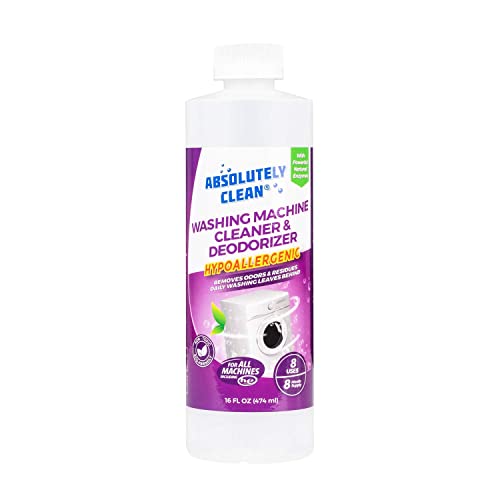
- BrandAbsolutely Clean
Last update on 2026-06-20 / Affiliate links / Images, Product Titles, and Product Highlights from Amazon Product Advertising API
How To Remove Bad Odor From Front Load Washer
A washer that smells sour can make clean laundry feel like a bad joke. Clothes go in dirty, come out washed, yet that damp basement smell still hangs around. That is usually the moment how to remove bad odor from front load washer stops being a small cleaning question and becomes a real laundry-room headache. The good news is simple: odor usually comes from trapped moisture, detergent residue, and hidden grime, not from the machine being “ruined.”
Front Load Washer Odor Fix
Front load washer odor usually starts in places that don’t get much airflow. The rubber door gasket, detergent drawer, drain pump filter, and inner drum can hold damp residue after every cycle. Once that moisture sits too long, mildew and bacteria move in and create that stale, sour smell. Yikes, nobody wants towels smelling like they were stored in a wet gym bag.
The machine’s design plays a big role here. Front load washers use less water than many older top load machines, which is great for efficiency, but less water also means soap residue can stick around if detergent use gets heavy-handed. Too much detergent does not make laundry cleaner. It often leaves a slick film that traps lint, body oils, and fabric softener buildup.
The rubber gasket deserves extra attention because it folds over itself and hides grime like a pocket. Coins, hair, lint, and slimy residue can sit inside those folds after wash day. A quick glance usually misses the mess, so pulling the gasket back gently can reveal the real problem. That one spot alone can make the whole washer smell musty.
Drainage also matters more than most people expect. A partially clogged drain filter can hold old water, pet hair, lint, and detergent sludge. That stagnant water creates a strong odor that keeps returning after basic drum cleaning. Cleaning the filter may not be glamorous, but it can solve a smell that no scented detergent can cover.
Clean The Gasket Before The Drum
The gasket should be cleaned first because it often holds the strongest odor source. Use a damp cloth with warm water and a little white vinegar, then wipe inside every fold. For stubborn slime, a soft brush helps loosen buildup without tearing the seal. Avoid rushing this part because hidden residue loves to stay tucked behind the lip.
Black spots on the gasket usually mean mildew has settled in. That does not mean panic time, but it does mean the washer needs a deeper reset. Let the vinegar-water solution sit on the affected areas for a few minutes before wiping again. For heavy buildup, a washer-safe mildew cleaner may work better than plain water.
Drying the gasket after every laundry session sounds fussy, but it is one of the easiest habits to keep smells away. A small towel near the machine makes the routine quick. Wipe the glass door, the gasket folds, and the lower lip where water pools. That little move cuts down on trapped moisture before it turns into odor.
Large households often deal with this problem faster because the washer runs more often. More loads mean more moisture, more detergent residue, and less drying time between cycles. For bigger laundry routines, compare capacity and wash-day flow with washing machine for 8 people so the machine is not constantly overloaded. Overloading traps water and soap, which makes odor control much harder.
Run A Hot Cleaning Cycle
A hot cleaning cycle helps break down residue that wiping cannot reach. Use a washer cleaning tablet or a simple mix of white vinegar and baking soda, depending on the machine’s manual. Hot water loosens detergent film, body oil, and mildew inside the drum. Still, cleaning products work best after the gasket and drawer have already been wiped clean.
Do not pour random cleaners together. Bleach, vinegar, and ammonia-based products can create dangerous fumes if mixed. Pick one method and follow the label or manual carefully. Safe cleaning matters just as much as getting rid of the smell.
The detergent drawer needs its own scrub before or after the hot cycle. Pull it out if the machine allows, then rinse away softener sludge and dried detergent. A toothbrush can reach corners where sticky residue collects. Fabric softener buildup is especially sneaky because it smells nice at first, then turns sour after sitting damp.
After the cleaning cycle finishes, leave the door and drawer open. Airflow helps the drum dry instead of trapping steam inside. That small gap gives moisture somewhere to go, which slows mildew growth. Ventilation is the quiet hero in front load washer maintenance.
Fix Detergent And Load Habits
Too much detergent causes more odor problems than people think. High-efficiency front load washers need less soap because they use less water. Extra suds cling to the drum, hoses, gasket, and clothing fibers. The result can be stiff towels, dull fabric, and a washer that smells like damp soap.
Measure detergent instead of eyeballing it. The cap line is often more than the washer needs for a normal load. Heavily soiled clothes may need a little more, but most everyday loads do better with a modest amount. Less residue means fewer odors, plain and simple.
Overloading also makes odors worse. Clothes need room to tumble so water and detergent can move through the fabric. A packed drum creates pockets where grime and sweat do not rinse out well. For heavy family laundry days, explore washing machine for big family to match capacity with real wash volume instead of cramming every load.
Fabric softener can be another troublemaker. It leaves a coating on fabric and inside the washer, especially with frequent use. Try using less, skipping it for towels, or switching to dryer balls for certain loads. Cleaner rinsing often gives laundry a fresher smell than heavy fragrance ever will.
Control Moisture In The Laundry Room
Humidity keeps washer odor alive, especially in small laundry closets or rooms with poor airflow. A front load washer may be clean inside, yet the room still smells stale if damp air lingers. Keep the washer door cracked open after cycles and avoid shutting the laundry room door right away. That simple airflow shift helps the drum dry faster.
Small rooms can trap odors from the washer, hamper, drain area, and damp towels all at once. If the space feels stuffy after laundry, improve air movement with a fan or open window. For compact spaces where stale air lingers, upgrade the room’s freshness plan with small room air purifier to help reduce lingering odors in the surrounding area. Cleaner room air supports the washer routine, but it does not replace cleaning the machine itself.
Wet clothes left in the drum are another common smell trigger. Even a few hours can create a sour odor, especially with towels, baby clothes, workout gear, or bedding. Move laundry to the dryer as soon as possible after the cycle ends. Fast unloading keeps damp fabric from feeding mildew inside the washer.
Keep the detergent drawer open between wash days too. That drawer holds moisture in small channels where residue dries slowly. Wiping it once a week prevents the sticky buildup that turns into odor later. Dry surfaces, lighter detergent, and regular airflow make the washer smell neutral instead of musty.
How To Remove Bad Odor From Front Load Washer
That sour smell can come back fast if the washer only gets a surface wipe. A clean-looking drum may still hide detergent sludge, trapped lint, and damp residue behind the gasket, inside the filter, or around the dispenser drawer. The real fix for how to remove bad odor from front load washer is not one big scrub once a year. It is a steady routine that keeps moisture, grime, and stale air from teaming up again.
Clean The Drain Filter Without Skipping Steps
The drain filter is one of those parts people forget until the washer starts smelling like old mop water. It catches lint, hair, coins, pet fur, and small debris that slip through wash loads. Once that mess sits in damp water, bad odor can creep back into the drum after every cycle. A clean filter helps the washer drain better and keeps old water from hanging around.
Start by checking the owner’s manual before opening the filter panel. Most front load washers have a small access door near the lower front area. Place a shallow tray and towel underneath because leftover water may spill out. Slowly drain the hose first if your model has one, then remove the filter and rinse away trapped gunk.
Pet bedding, blankets, and towels can clog this area faster than normal clothing. Fur mixes with detergent residue and creates a sticky mess that smells worse as it sits. Homes with heavy pet laundry may need stronger wash habits and better machine capacity, so compare washing machine for pet owners before constant fur-heavy loads overwhelm a smaller washer. Better load matching can reduce residue, odors, and repeated rewash cycles.
After cleaning the filter, wipe the filter housing before reinstalling everything. That little cavity can hold slime along the edges, and yep, it smells rough if ignored. Run a short rinse or clean cycle afterward to flush loosened residue through the system. A clear drain path helps the washer smell fresher and perform with fewer drainage hiccups.
Stop Musty Towels From Feeding The Smell
Musty towels can make a clean washer smell dirty all over again. Thick cotton holds moisture longer than shirts or thin fabrics, especially if towels sit in a hamper while damp. Once mildew odor gets into towel fibers, the smell can transfer back into the washer drum. That is why towel habits matter just as much as machine cleaning.
Wash towels with enough room to tumble. A packed drum prevents proper rinsing, and detergent residue gets trapped deep in the fabric loops. Use warm or hot water when the care label allows, then skip heavy fabric softener because it coats fibers and slows drying. Clean rinsing beats perfume every time.
Move towels to the dryer right away after the wash ends. Letting them sit damp in the washer for hours gives mildew a head start. If they already smell sour, run them again with vinegar in the rinse cycle or a washer-safe odor remover. Fast drying keeps both the towels and washer from sliding back into that funky cycle.
Kitchen habits can create similar odor confusion around the home. Old food smells from the fridge or trash can make the laundry area seem worse if spaces are close together, especially in small apartments. For food-storage freshness, use how long pizza lasts as a simple reference before leftovers start adding another stale smell to the house. Odor control works better when every nearby source gets handled, not just the washer.
Use Vinegar And Baking Soda Carefully
Vinegar and baking soda are popular because they are cheap, easy to find, and useful for mild washer smells. Vinegar helps cut mineral deposits and soap film, while baking soda can help neutralize light odors. Still, they should not be treated like magic dust. Heavy mildew may need repeated cleaning or a washer cleaner made for front load machines.
Use vinegar in a cleaning cycle without laundry inside. Pour it into the detergent area or drum only if your washer manual allows that method. Baking soda can be added to the drum for odor support, but do not overload the machine with powders. Too much product can create residue, which is the exact problem you are trying to remove.
Never mix vinegar with bleach. That combination can create harmful fumes, and no fresh-smelling washer is worth that risk. Choose one cleaning approach at a time and rinse well afterward. Safe cleaning habits protect the machine, the room, and anyone nearby.
Vinegar also has limits with rubber parts. Frequent heavy use may not be ideal for some seals, depending on the manufacturer’s guidance. Use it occasionally, not as a daily dump-in solution. Balanced cleaning keeps odor away without being rough on washer components.
Build A Weekly Washer Reset Routine
A weekly reset keeps odors from building into a bigger mess. Wipe the gasket, leave the door open, rinse the detergent drawer, and check for trapped lint around the seal. These tiny chores take only a few minutes, but they stop moisture from becoming mildew. The trick is making the routine easy enough that it actually happens.
Pick one laundry day for the reset instead of trying to remember randomly. After the last load, dry the gasket and glass door with a small towel. Pull the detergent drawer open and let it air out overnight. Consistent airflow does more for odor prevention than dumping extra fragrance into each wash.
Run a monthly cleaning cycle if the washer handles frequent loads. Heavy-use homes may need that cycle more often, especially with towels, uniforms, baby clothes, workout gear, or pet bedding. The machine should smell neutral after cleaning, not strongly perfumed. A neutral smell usually means residue has been removed instead of covered up.
Keep detergent simple and measured. More soap creates more suds, and more suds leave more film inside a low-water washer. Use high-efficiency detergent and follow the smaller-load guidance on the bottle. Measured detergent keeps clothes cleaner and helps the washer rinse properly.
Know When The Odor Points To A Bigger Issue
Persistent odor can signal a problem beyond normal mildew buildup. If the washer smells like sewage, the issue may involve the drain line, standpipe, or plumbing trap instead of the drum. A sour rubber smell may come from buildup around the gasket or old residue heating during cycles. A burning smell needs immediate caution and should not be ignored.
Check whether water remains in the drum after cycles. Standing water points to a draining problem, clogged filter, kinked hose, or pump issue. Clothes that come out wetter than usual can also hint at poor drainage. Leftover water gives odor-causing bacteria the damp place they need.
Look behind and around the machine too. A slow leak, damp wall, or wet flooring can make the washer seem guilty even when the smell comes from nearby moisture. Laundry rooms with poor ventilation can hold that damp smell for days. Moisture outside the washer still affects how fresh the whole space feels.
Call a technician if the smell keeps returning after gasket cleaning, filter cleaning, detergent adjustment, and hot cleaning cycles. Internal hoses or hidden buildup may need inspection. That is especially true for older machines that have handled years of heavy loads. Professional service makes sense once the usual fixes stop making a clear difference.


10 Best Quality Semi Automatic Washing Machine of 2026 For Leak-Free Laundry

11 Best Small Washer Machine of 2026 For Everyday Laundry

12 Best Vibration Pads For Washing Machine of 2026 To Stop Walking and Shaking

11 Best Selling Front Load Washing Machine of 2026 For Quiet Odor-Free Laundry

11 Best Washing Machine For King Size Bedding of 2026 To Prevent Cycle Errors

10 Best Small Front Loader Washing Machine of 2026 For Tight Closets

12 Best Side Load Washing Machine of 2026 For Low Vibration

11 Best Single Tub Washing Machine of 2026 For Apartments Without Hookups






