
How to Remove Bad Odor From Front Load Washer Tub Fast

How to remove bad odor from front load washer tub keeps popping up the moment clean clothes start coming out with a sour, damp smell that just won’t quit. One load smells fine, then bam, the next batch carries that funky mildew odor straight into closets and drawers. Front load washers save water and handle delicate fabrics gently, but trapped moisture around the drum, gasket, and detergent compartment can quietly build into a nasty mess over time. Nobody wants freshly washed towels smelling like an old basement, especially after spending money on detergent that promised crisp freshness.
Lingering odor usually starts small. A little soap residue here, some hidden lint there, and suddenly the washer develops a stale smell every time the door opens. Humid laundry rooms make the problem even worse because moisture hangs around like an unwanted guest. Regular wipe-downs help, sure, but stubborn buildup inside the tub often needs deeper attention to fully clear out bacteria, mold, and grime hiding behind the scenes. That’s the frustrating part most people don’t realize until the smell keeps coming back.
Deep cleaning routines work better when they target the exact trouble spots instead of masking the odor with stronger detergent or scented beads. Vinegar cycles, baking soda treatments, and proper ventilation all play a role, though timing and consistency matter more than flashy cleaning hacks online. Leaving the washer door cracked open after every cycle sounds simple, yet it changes airflow enough to prevent moisture from turning into that musty smell again. Small habits often carry more weight than expensive cleaning products sitting untouched under the sink.
Detergent overload also sneaks into the problem. Too much soap creates sticky buildup inside the tub and drain system, especially in high-efficiency machines designed to use minimal water. Suds cling to hidden surfaces, trapping dirt and moisture that slowly develop into odor. Using the right amount feels almost too easy, but honestly, it prevents a ton of headaches later. A washer shouldn’t smell worse after laundry day than before it.
Washer maintenance becomes easier once the odor source gets handled properly instead of repeatedly covered up. Cleaning the rubber gasket, checking the drain filter, and running occasional hot cleaning cycles help the tub stay fresher longer. Some odors disappear quickly, while older buildup may need several rounds before the washer finally smells neutral again. Still, sticking with a practical cleaning routine beats dealing with sour-smelling clothes every single week.
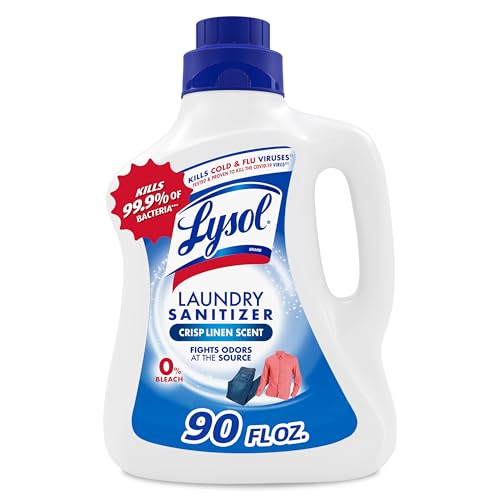
Lysol Laundry Sanitizer Additive, Bacteria-Causing Laundry Odor Eliminator, Detergent Additive,
View on Amazon- TAR Score9.6
TAR Score is a ranking system developed by TopAppliancesReviews.com. TAR score has no relationship or impact from any manufacturers or sales agent websites. Learn more
- BrandLysol

- TAR Score9.4
TAR Score is a ranking system developed by TopAppliancesReviews.com. TAR score has no relationship or impact from any manufacturers or sales agent websites. Learn more
- BrandAffresh

- TAR Score9.2
TAR Score is a ranking system developed by TopAppliancesReviews.com. TAR score has no relationship or impact from any manufacturers or sales agent websites. Learn more
- BrandOxiClean

- TAR Score9.2
TAR Score is a ranking system developed by TopAppliancesReviews.com. TAR score has no relationship or impact from any manufacturers or sales agent websites. Learn more
- BrandACTIVE

- TAR Score8.2
TAR Score is a ranking system developed by TopAppliancesReviews.com. TAR score has no relationship or impact from any manufacturers or sales agent websites. Learn more
- BrandACTIVE
Last update on 2026-06-20 / Affiliate links / Images, Product Titles, and Product Highlights from Amazon Product Advertising API
How To Remove Bad Odor From Front Load Washer Tub
A clean load shouldn’t come out smelling like a damp towel left in a gym bag. That sour hit from the drum usually means moisture, detergent film, and hidden grime have teamed up inside the machine. The fix for how to remove bad odor from front load washer tub starts with treating the washer like a damp appliance, not just a laundry tool. Once the odor source gets handled instead of covered with fragrance, clothes smell cleaner and the laundry room feels less like a mildew trap.
Washer Tub Odor
Front load washers have a tight seal for a reason, but that same design can trap stale water, lint, and soap residue after the cycle ends. The drum may look clean at a glance, yet the odor often hides behind the rubber gasket, inside the detergent drawer, and along the drain path. That’s why spraying the inside with perfume-like cleaners rarely holds up for long. The smell comes back because the source of the odor never really left.
Most washer smells start with a simple habit that feels harmless. The door gets closed right after a load, wet clothes sit too long, or too much detergent goes into a high-efficiency machine. Little by little, the tub collects a sticky layer that gives mildew something to grab onto. Once that film builds up, bad odor can cling to towels, workout clothes, and bedding even after a full wash.
Appliance makers commonly recommend leaving the washer door open after use because airflow helps dry the drum. That advice sounds almost too basic, but it matters. A front load tub with poor ventilation stays damp longer, and damp spaces are where musty smells get comfortable. A washer doesn’t need to be neglected for years to smell off, either, because humid laundry rooms can speed up the problem fast.
The real win comes from using a routine that attacks buildup from several angles. Clean the gasket, flush the tub, reduce detergent, and dry the machine between loads. Those steps sound plain, but they work because they deal with moisture control and residue removal at the same time. No magic trick, no drama, just steady cleanup where the smell actually starts.
Why The Smell Keeps Coming Back
A front load washer can smell clean for a day and then turn funky again by the next laundry round. That usually means mildew residue is still sitting somewhere you didn’t reach. The rubber gasket folds are the usual suspects because they catch hair, lint, coins, and dirty water. Pull that seal back and, yep, it’s often where the whole mess has been hiding.
Detergent buildup creates another sneaky problem. High-efficiency washers use less water, so too much soap doesn’t always rinse away cleanly. Instead, it leaves a slick film inside the tub and hoses, giving odor-causing bacteria a cozy place to hang out. Cutting back to the right amount of HE detergent can make a bigger difference than switching scents.
Cold water washing also plays a role. Cold cycles are useful for colors and energy savings, but they may not break down oily residue as well as warmer maintenance cycles. That doesn’t mean every load needs hot water, but the washer itself benefits from occasional hot cleaning cycles. Think of it like rinsing a greasy pan with lukewarm water forever and wondering why it still feels slick.
Drain filters can be the final stink pocket. Some front load washers have a small access panel near the bottom where water, lint, and debris collect. A clogged filter can smell sour and slow drainage, which keeps the tub wetter than it should be. Cleaning that filter carefully helps remove trapped grime that a tub cycle alone may miss.
Hard water makes the situation tougher in some homes. Minerals can mix with detergent and leave crusty residue behind, especially around dispensers and the drum. For households dealing with heavy laundry loads or regional appliance concerns, compare washing machine for nicaragua options before replacing an old unit that constantly smells, drains poorly, or struggles with repeated buildup. A new washer won’t fix poor habits, but the right machine can make maintenance easier.
Start With The Gasket And Door
The gasket deserves first attention because it’s the front load washer’s favorite hiding place for stink. Pull back the rubber folds slowly and check for black specks, slimy residue, lint clumps, and trapped water. A microfiber cloth with warm water and mild dish soap can remove a surprising amount of grime. For stubborn mildew, a washer-safe cleaner or diluted cleaning solution may be needed, but the goal is residue removal, not just stronger smell.
Drying the gasket after cleaning matters just as much as scrubbing it. Water left in the folds can restart the odor cycle within a few days. Keep an old towel nearby and wipe the seal after the last load of the day. That tiny habit helps protect the washer from musty buildup without adding another complicated chore.
The door glass also collects film from detergent, fabric softener, and dirty rinse water. A cloudy ring around the lower part of the glass often points to residue that keeps touching clean laundry. Wipe the inside of the door, especially the bottom edge where moisture gathers. Clean glass may seem cosmetic, but it supports a fresher drum by removing soap scum from a high-contact area.
Leaving the door cracked open after washing gives the tub a chance to breathe. This step can feel annoying in a tight laundry room, especially if the door sticks out into a walkway. Still, even a small gap can help moisture escape. A dry tub gives mildew fewer chances to settle in, and that’s a big deal for long-term odor control.
Clean The Tub Without Guesswork
A proper tub clean cycle should use hot water and a cleaner made for washer residue. Many machines have a “tub clean” or “clean washer” cycle that runs longer than a regular wash. That longer cycle helps break down detergent film, body oils, and mildew residue inside the drum. Skipping this step and only wiping visible parts leaves too much hidden gunk behind.
Washer cleaning tablets can be useful because they’re designed to dissolve and flush residue through the machine. They’re not a cure-all, though. A tablet won’t wipe the gasket for you, and it won’t remove debris from a clogged drain filter. To keep cleaning practical, use targeted products like washing machine deep cleaning tablets as part of a routine that also includes wiping, drying, and detergent control.
Vinegar and baking soda get tossed around as fix-all answers, but they need careful use. Vinegar can help with odor and mineral film in some cases, while baking soda can help neutralize smells. Still, mixing random cleaners is a bad idea because some combinations can create unsafe fumes or damage parts. Follow the washer manual first, and keep cleaning safety ahead of internet shortcuts.
Fabric softener can quietly feed the odor problem. It leaves a coating on fabrics, and some of that coating can stay inside the washer too. If the drum smells waxy, sour, or perfumed in a weird stale way, softener buildup may be part of the issue. Reducing or skipping softener helps the tub rinse cleaner and supports fresher laundry.
A washer with a heavy odor may need more than one cleaning cycle. That’s not failure, just reality. Old residue can take several rounds to loosen, especially if the machine has been closed up after every load for months. The key is to combine deep tub cleaning with daily drying habits so the smell doesn’t bounce right back.
Fix Detergent Habits That Feed Odor
Too much detergent is one of the most common reasons front load washers smell bad. More soap sounds like more cleaning power, but high-efficiency machines don’t work that way. Extra detergent can cling to the tub, gasket, and hoses because there isn’t enough water to rinse it all away. That leftover film becomes a sticky base for odor-causing buildup.
Measure detergent instead of eyeballing it. The cap lines on detergent bottles can be misleading because they often encourage more product than a normal load needs. Small loads, soft water, and lightly soiled clothes need less detergent than bulky towels or muddy work clothes. Using less soap can feel wrong at first, but cleaner rinsing often leads to better-smelling clothes.
Pods can also cause trouble in cold or short cycles if they don’t dissolve fully. A partly dissolved pod may leave concentrated residue in the tub or on fabrics. Warm water helps some pods dissolve better, but the machine and fabric care labels still matter. For odor-prone washers, liquid HE detergent gives more control over dosage and can be easier to adjust.
Bleach has a place, but it shouldn’t become the only odor strategy. It may kill some mildew on contact, yet it won’t always remove the sticky detergent film underneath. Overusing harsh cleaners can also wear down rubber parts over time. A balanced routine with measured detergent, periodic tub cleaning, and good airflow keeps the washer fresher without beating it up.
Dry The Washer Between Laundry Loads
A front load washer smells better when the tub gets a real chance to dry after every cycle. Closing the door right away traps warm moisture inside the drum, and that damp pocket gives mildew exactly what it needs. Leave the door open a few inches after the last load, even if the laundry room feels cramped. That small gap supports air circulation and helps slow down the sour smell that keeps creeping back.
The detergent drawer needs the same treatment because it holds more moisture than most people expect. Pull the drawer out slightly after washing so the compartment can dry instead of turning sticky and stale. Built-up softener and soap residue in that area can feed musty odor before it spreads into the tub. A quick rinse and dry wipe every week keeps the drawer from becoming a hidden stink source.
Wet laundry sitting in the washer is another odor trigger that hits fast. Towels, gym clothes, and bedding can start smelling sour if they sit too long in a sealed drum. Move clothes to the dryer as soon as the cycle ends whenever possible. That habit protects both the fabrics and the front load washer tub from lingering dampness.
Small laundry areas need extra attention because poor airflow makes moisture hang around. A fan, open door, or cracked window can help the space dry after heavy wash days. Boats and compact homes deal with this problem even more often, so compare a washing machine for boats if moisture control, tight space, and drainage are constant headaches. A washer in a tight spot needs ventilation habits just as much as cleaning products.
Check The Drain Filter And Hidden Water
The drain filter can hold the kind of gunk that makes the whole washer smell dirty. Lint, hair, coins, pet fur, and old detergent sludge can collect there over time. Once that debris sits in damp water, the odor can rise back into the tub. Cleaning the filter supports better drainage and reduces the stale smell that survives regular wash cycles.
Always check the manual before opening the filter panel because water may spill out. Keep a shallow tray and towel nearby, then open the drain slowly instead of rushing it. The smell from trapped water can be nasty, but that’s a good sign you found part of the problem. Removing that buildup helps restore fresh washer performance without guessing.
A slow-draining washer usually smells worse because water stays behind after the spin cycle. Clothes may feel wetter than normal, and the drum may carry a sour odor even after cleaning. That can point to a clogged filter, pinched hose, or blocked drain path. Fixing drainage issues matters because standing water keeps odor alive.
The filter doesn’t need daily attention, but ignoring it for months can turn a small odor into a stubborn one. Check it every few weeks if the washer handles pet bedding, muddy clothes, or lint-heavy towels. Clean it more often during busy laundry seasons or after washing rugs and blankets. A clear filter gives the tub a cleaner rinse and helps prevent mildew buildup.
Use Hot Maintenance Cycles Wisely
Hot maintenance cycles help break down the residue that cold washes leave behind. Cold water has its place, especially for delicate fabrics and dark colors, but it doesn’t always cut through oily grime inside the machine. Running a hot tub-clean cycle gives detergent film and body oils less room to stick around. That steady heat supports odor removal from the drum, hoses, and internal surfaces.
A washer cleaner works best when the tub is empty. Clothes, towels, or rags can block the cleaner from circulating properly around the drum. Let the machine focus on cleaning itself, not another load of laundry. That simple separation makes the cleaning cycle more effective and less wasteful.
Bleach can help in certain cases, but it needs careful handling. Never mix bleach with vinegar, ammonia, or random cleaners because unsafe fumes can form. Use only what the washer manual allows, and rinse well afterward. Safe cleaning protects the machine while still targeting mold, mildew, and odor-causing residue.
Some smells need repeated hot cycles before they fully fade. Older detergent buildup may loosen in layers, especially if the washer has smelled bad for a long time. Patience matters here because one cleaning cycle may not erase months of moisture and residue. A steady routine beats aggressive scrubbing that could damage rubber seals or internal parts.
Stop Food-Like Odors From Spreading
Laundry rooms can collect smells from more than the washer itself. Kitchen towels, baby cloths, aprons, and reusable cleaning rags often carry oils and food residue into the drum. Those odors can cling to the tub if the load uses too much detergent or too little heat. Keeping food-heavy fabrics separate helps protect the washer from greasy buildup.
Protein smells are especially stubborn because they can turn sour fast in damp fabric. Dish towels used around fish, meat, or spoiled leftovers should be rinsed before they hit the washer. For kitchen safety outside the laundry room, review cooked salmon last in refrigerator guidance so food odors don’t start spreading through towels, containers, and nearby fabrics. Cleaner kitchen habits can reduce the weird smells that end up in the washer tub.
Greasy towels need enough detergent to lift oil, but too much soap creates a different problem inside the washer. Use a measured amount of HE detergent and choose a warmer cycle if the fabric allows it. A second rinse can help remove residue from heavy kitchen loads. That balance keeps fabric odor from turning into machine odor.
Never use the washer as a holding bin for damp rags. A pile of wet cleaning cloths can sour quickly, especially after wiping counters, pet messes, or spilled food. Let them dry before wash day or run them sooner instead of letting them sit. This habit keeps bacteria growth from taking over the drum before the cycle even starts.
Build A Simple Odor Prevention Routine
A fresh washer doesn’t need a complicated schedule taped to the wall. The most reliable routine starts with wiping the gasket, leaving the door open, and using less detergent. Those three habits target moisture, residue, and airflow, which are the biggest reasons odor returns. Simple beats fancy if it actually happens every week.
Once a month, run a dedicated tub-clean cycle with a washer-safe cleaner. Heavy-use homes may need that cycle more often, especially with towels, sports clothes, work uniforms, or pet bedding. The machine will usually tell you through smell before it shows visible grime. Treat that odor as an early warning sign, not a laundry-day mystery.
Keep the detergent drawer clean because buildup there can drip back into the tub. Remove the drawer if the manual allows it, rinse away sticky residue, and dry the compartment before sliding it back. Pay attention to fabric softener channels because they can turn gummy fast. A clean dispenser supports better rinsing and fresher clothes.
Don’t expect scented boosters to fix a dirty washer. They may make clothes smell stronger for a while, but they won’t remove the film inside the drum. In some cases, fragrance-heavy products add more residue for mildew to cling to. Real odor prevention depends on clean surfaces, dry airflow, and detergent habits that match the machine.
Know When Odor Points To A Bigger Issue
Some washer odors stick around even after the gasket, drawer, filter, and tub have been cleaned. That can point to drainage problems, hidden mold behind parts, or a hose issue. A burnt smell, sewage-like odor, or repeated standing water deserves more than another cleaning tablet. Those signs may need professional inspection before the washer gets worse.
A front load washer that shakes heavily can also hold water in places it shouldn’t. Poor leveling affects drainage and may leave moisture sitting after the spin cycle. Check that the machine sits evenly on the floor and doesn’t rock during use. Better balance supports proper spinning and helps the tub dry more effectively.
Old hoses can trap residue and odor over time. If the washer smells clean inside but the odor returns during drain or fill cycles, the hoses may deserve attention. Replacing worn hoses can improve water flow and reduce stale smells from hidden buildup. This is especially true for machines that have been moved, stored, or connected for years without maintenance.
A washer can recover from most odor problems with steady care, but ignoring warning signs can lead to repeat trouble. Watch for slow drains, leaks, unusual noises, or wet clothes after spinning. Those clues say the issue may go beyond routine cleaning. Handling them early protects laundry freshness, machine life, and the time you’d rather not spend rewashing sour towels.


10 Best Quality Semi Automatic Washing Machine of 2026 For Leak-Free Laundry

11 Best Small Washer Machine of 2026 For Everyday Laundry

12 Best Vibration Pads For Washing Machine of 2026 To Stop Walking and Shaking

11 Best Selling Front Load Washing Machine of 2026 For Quiet Odor-Free Laundry

11 Best Washing Machine For King Size Bedding of 2026 To Prevent Cycle Errors

10 Best Small Front Loader Washing Machine of 2026 For Tight Closets

12 Best Side Load Washing Machine of 2026 For Low Vibration

11 Best Single Tub Washing Machine of 2026 For Apartments Without Hookups






