
How to Reduce Washing Machine Noise and Shaking

Sudden clattering from the laundry room is rarely a sign of a broken machine, so there is usually no need to panic. Most everyday commotion disappears once you level the screw-in feet flat against the floor and untangle heavy clothes inside the wash tub. Sliding dense rubber pads under each corner also catches remaining vibrations before they shake the walls.
The right fix depends on the specific noise and the surface underneath. A deep rhythmic thumping usually points to bunched wet towels, while a high-pitched metallic screech warns of worn parts that need a repair technician. Floor construction plays a big role as well, because flexible wooden subfloors amplify cabinet movement far more than solid concrete. Pinpointing the exact sound makes it easy to steady the frame and restore peace to laundry day.
Matching the Noise to the Problem: Thumps, Rattles, and Screeches
Every strange sound coming from your laundry room points to a specific physical issue inside the cabinet. Washing machines naturally hum and slosh while working, but sharp, rhythmic, or violent noises mean two parts are colliding or rubbing against each other. Listening closely to the rhythm and pitch of the noise tells you whether you can fix the issue in two minutes with your bare hands or need to shut off the power before a part breaks completely.
A heavy, rhythmic thumping that speeds up as the spin cycle gains momentum almost always points to an uneven load of wet laundry. When bulky items clump to one side of the stainless steel clothes tub, centrifugal force flings that concentrated weight outward. If the machine rocks hard enough, the tub strikes the outer steel frame, producing a dull, hollow bang that shakes the entire room. If this thumping happens during every spin cycle even when the machine is completely empty, the shock springs (the suspension rods that suspend the inner wash basket inside the cabinet) have likely stretched or lost their damping fluid.
A fast clicking, tapping, or rattling sound usually comes from small, hard objects trapped in the wash tub. Loose coins, metal zippers, bra underwires, and stray screws can slip between the bottom wash plate and the tub floor. As the plate turns, these loose objects bounce against the metal walls. If a coin slips through the tub holes, it travels down toward the drain pump filter, where it produces a sharp chattering sound whenever the machine pumps out dirty water.
A high-pitched squeal or harsh metallic grinding sound signals serious mechanical wear that requires immediate attention. A squeal during spin acceleration indicates that the rubber drive belt connecting the motor to the tub pulley is slipping, glazed, or frayed. A deep roaring or metallic grinding sound that sounds like a jet engine or a skateboard rolling across rough sidewalk means the main tub bearings have failed. Water seals eventually wear down, allowing wash water to seep into the sealed metal ball bearings and rust them out. Once bearings lose their grease, running the machine can seize the motor, crack the outer tub, or snap the drive shaft.
Stop the cycle immediately if you hear metal-on-metal screeching, smell burning rubber, or see water pooling beneath the base. Press the pause button, wait for the automatic lid lock to release, and unplug the power cord from the standard 120-volt 3-prong grounded wall outlet. Continuing to run a washer with failed tub bearings or a blocked pump motor can permanently scorch internal wiring or flood your laundry area.
Packing and Balancing Laundry to Stop Violent Tub Banging
The easiest way to quiet a noisy washer is to load your laundry so the weight spreads evenly across the inner wash basket. Water makes wet fabric surprisingly heavy, and a single soaked bath towel can weigh up to five pounds at top spin speed. When wet clothes bunch into a tight knot on one side of the tub, the machine spins out of orbit, rocking violently against its frame and vibrating across the floor.
Top-load washers with a center agitator post require you to place items loosely around the column in balanced piles rather than winding long pants or bed sheets tightly around the post. Front-load washers and top-loaders with a flat bottom wash plate rely on laundry tumbling freely to balance itself before the high-speed spin begins. Upgrading to a modern washing machine with load sensing helps avoid this problem because the machine rotates the tub slowly before adding water, measuring drag to detect uneven weight distribution and correcting it automatically.
Washing a single heavy item by itself is one of the most common causes of extreme banging. If you wash one heavy winter jacket or a single thick cotton blanket, the machine cannot counterbalance that weight during the spin cycle. The tub swings wildly, and the off-balance safety sensor pauses spinning and beeps to prevent cabinet damage. Always add two or three smaller towels to balance out a single bulky item.
Follow this quick checklist whenever you load the washer to prevent violent banging:
- Mix large and small items together, such as pairing heavy bath sheets with hand towels or t-shirts, so laundry redistributes naturally during the rinse cycle.
- Wash bedding on a dedicated bulky or bedding cycle, which uses lower spin speeds to prevent large comforters from throwing the tub off center.
- Fasten all zippers, buttons, and metal snaps, and turn jeans inside out to stop metal hardware from striking the inner wash basket walls.
- Check every pocket for coins, keys, nails, and hair clips before clothes enter the water.
- Use only low-suds HE (High Efficiency) detergent in the exact amount recommended on the bottle, because excess soap suds cushion clothes improperly and trigger repeated out-of-balance errors.
Leveling the Cabinet: How to Adjust and Lock the Screw-In Feet
An uneven cabinet is the primary reason washing machines shake, wander, and rattle against baseboards. If all four screw-in feet do not press against the floor with equal downward pressure, the cabinet teeters back and forth during the spin cycle. Even a tiny gap of one-sixteenth of an inch underneath a single foot will turn minor spin vibrations into a deafening, rhythmic thud.
Flooring type plays a massive role in how much noise your washer creates. Concrete slab floors absorb vibrations cleanly, providing a rigid foundation that resists cabinet movement. Flexible wooden subfloors, common in second-story laundry rooms and older rental homes, act like giant drumheads. As the washer spins at over one thousand revolutions per minute, flexible floor joists bounce in sync with the machine, amplifying rattles throughout the entire house.
Follow these numbered steps to level your washer and lock the feet in place:
- Grip the top opposite corners of the washer cabinet with your hands and try to rock the machine diagonally. If the cabinet tips or clicks against the floor, at least one screw-in foot is sitting too high off the surface.
- Place a standard bubble level flat across the front edge of the washer cabinet, and then place it along the side edge from front to back to see which direction the frame tilts.
- Tilt the washer back slightly and support the front corners with a sturdy wooden block to access the threaded metal legs underneath.
- Turn the screw-in feet clockwise to lower a corner or counterclockwise to extend the leg outward until all four pads touch the floor evenly. Keep the legs extended as short as possible, because shorter legs reduce side-to-side leverage and minimize frame wobble.
- Locate the tightening ring (the lock nut on the threaded leg shaft) right above the rubber foot pad. Spin this ring counterclockwise with an adjustable wrench until it presses tightly against the underside of the steel cabinet frame, which prevents the leg from loosening over time.
- Remove the support block, lower the washer back to the floor, and test the corners with your hands again to verify that the cabinet feels rock-solid with zero diagonal play.
Make sure you leave at least 4 to 6 inches of rear clearance behind the washer when sliding it back into position. Pushing the machine too close to the drywall allows the vibrating hot and cold water supply hoses or the rigid drain pipe to hammer repeatedly against the wall studs during high-speed extraction.
What to Look for in Anti-Vibration Pads and Stabilizers
Placing rubber foot cushions directly beneath your washer feet provides a physical buffer that catches dynamic shock before it reaches your subfloor. Even when a machine sits completely level, the natural rotational torque of high-speed spin cycles transfers micro-vibrations downward. Solid dense rubber pads absorb this kinetic energy, turning noisy structural floor rumblings into quiet, contained motion.
Focus on solid molded rubber or heavy-duty thermoplastic when selecting stabilizing pads for your laundry room. Thin, hollow plastic cups or cheap foam pads quickly crack, compress, or flatten out under the weight of a water-filled laundry machine. Heavy solid rubber remains resilient through thousands of wash cycles, holding its shape without degrading or hardening over time.
Check the bottom tread pattern on the pads to prevent your machine from walking across slick surfaces. Washers installed on smooth porcelain tile, polished hardwood, or slick vinyl tend to creep across the floor when spinning uneven loads. Look for pads equipped with micro-grip traction patterns or ribbed rubber bases that grip the floor surface firmly without staining or scuffing the finish.
Examine the size and shape of the top cup to make sure your washer feet seat securely in the center. The top recess should have raised outer lips that wrap around standard metal or plastic washer feet, preventing the legs from sliding off the edge during a sudden spin spike. If your laundry space has tight overhead clearance beneath cabinets or shelves, remember that standard rubber pads raise the overall height of your washer by one to two inches. Measure your vertical overhead space and check your rear hose clearance before sliding the machine onto pads so your drain line and water shutoff valves remain unkinked and accessible.
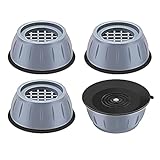
- TAR Score9.3
TAR Score is a ranking system developed by TopAppliancesReviews.com. TAR score has no relationship or impact from any manufacturers or sales agent websites. Learn more
- Branddadop
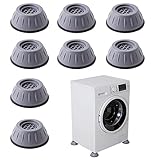
- TAR Score9.1
TAR Score is a ranking system developed by TopAppliancesReviews.com. TAR score has no relationship or impact from any manufacturers or sales agent websites. Learn more
- Brandmwellewm

- TAR Score8.4
TAR Score is a ranking system developed by TopAppliancesReviews.com. TAR score has no relationship or impact from any manufacturers or sales agent websites. Learn more
- BrandSEISSO

- TAR Score7.9
TAR Score is a ranking system developed by TopAppliancesReviews.com. TAR score has no relationship or impact from any manufacturers or sales agent websites. Learn more
- BrandNexarelle

- TAR Score7.7
TAR Score is a ranking system developed by TopAppliancesReviews.com. TAR score has no relationship or impact from any manufacturers or sales agent websites. Learn more
- BrandSumato Stuff
Last update on 2026-10-29 / Affiliate links / Images, Product Titles, and Product Highlights from Amazon Product Advertising API
FAQs
How can I tell if my floor or my washer is causing the shaking?
Place a glass of water on the floor a few feet away from the washer while it runs at top spin speed. If the water surface ripples violently or your feet feel the floorboards bouncing beneath you, flexible floor joists are flexing under the dynamic load. Reinforcing the subfloor with a sheet of three-quarter-inch marine plywood directly under the washer will stiffen the foundation and eliminate the bounce.
Why does my washer rattle loudly only when it drains water?
Loud rattling during the drain phase points to loose items trapped inside the pump filter catch or an unsecured drain hose vibrating against the cabinet. Small items like buttons, collar stays, and coins often slip past the clothes tub and settle in the pump chamber. Clean out the lower coin trap filter located behind the small service door at the bottom front of your machine to silence the rattle.
Can letting a washer shake violently cause permanent damage?
Ignoring heavy cabinet shaking wears out the internal shock springs, loosens electrical wire connectors, and cracks the plastic outer tub. Violent side-to-side rocking can also loosen the brass fittings on your hot and cold water supply hoses, creating slow leaks behind the wall that cause expensive water damage. Fixing the balance or leveling the feet immediately protects both your appliance and your home framing.


10 Best Washing Machine For King Size Comforter of 2026 For Bulky Bedding

11 Best Semi Automatic Washing Machine Under 10000 of 2026 For Apartments and RVs

9 Best Compact Refrigerator For Beer Bottles of 2026 For Upright Bottle Fit

10 Best Quality Semi Automatic Washing Machine of 2026 For Leak-Free Laundry

11 Best Small Washer Machine of 2026 For Everyday Laundry
12 Best Vibration Pads For Washing Machine of 2026 To Stop Walking and Shaking

11 Best Selling Front Load Washing Machine of 2026 For Quiet Odor-Free Laundry

11 Best Washing Machine For King Size Bedding of 2026 To Prevent Cycle Errors





