How to Open Carry a Knife Safely and Legally

Open carrying a knife means wearing the tool completely outside your clothing, most often by securing a rigid sheath to your belt so anyone can clearly see what it is. Local laws decide whether this setup is legal where you stand, especially when measuring blade length or picking between a folding pocket knife and a fixed blade (a knife that does not fold shut).
Staying on the right side of the rules usually comes down to your clothing and your location. A long jacket or an untucked shirt can easily slip over the handle, turning lawful open carry into illegal concealed carry in seconds. City codes can also ban open blades in parks or downtown streets, even when state law allows them out in the woods. Setting up your sheath correctly keeps your tool safe, comfortable, and completely visible throughout your day.
What Legally Qualifies as Open Carry
Open carry means mounting a knife so any casual observer can immediately tell it is a knife. Concealed carry means hiding a tool or weapon from plain sight. If an ordinary person looking at your waistline cannot instantly recognize the object as a knife, the law often classifies it as concealed. This distinction matters because many jurisdictions allow visible tools without a permit while treating hidden blades as restricted weapons.
A common doubt involves folding knives clipped inside a pocket. Many carriers assume that letting the metal clip show on the outside of jeans qualifies as open carry. In many states and cities, that assumption is legally false. A pocket clip does not clearly signal a knife. From a few feet away, that clip could belong to a tape measure, a pen, or a flashlight. Because the handle and blade stay hidden inside the pocket, law enforcement can classify it as concealed carry. If local rules limit concealed blade lengths or ban concealed carry altogether, relying on a clip can lead to an unexpected citation.
True open carry requires the knife to sit outside your clothing where its form is obvious. For a fixed blade (a knife that does not fold shut), you need a sheath (a protective case for a blade) worn on the outside of your belt. For a folding EDC (everyday carry pocket knife), open carry requires an external belt pouch rather than an interior pocket.
Knife rules also vary across state, county, and city lines. A rig that is lawful in a rural forest can violate municipal codes once you enter a city park or transit station. Always verify state statutes and local ordinances before heading into town.
Mounting Your Sheath Securely for Safe Access
To open carry safely, your knife must stay anchored in one spot throughout physical work. Follow these steps to mount your sheath correctly and avoid dangerous movement.
- Select a rigid work belt made of thick leather or reinforced webbing. A flimsy belt twists under the weight of a knife sheath, tilting the blade inward against your body or letting the handle flop outward where it catches on door frames.
- Position the sheath on your strong-side hip near the three or four o'clock line. Placing the knife just behind your front pocket on your dominant side keeps the handle visible to oncoming people while keeping it within natural reach.
- Fasten the loops or clips completely around the belt width. A sheath with loose loops slides along your waistline during movement, drifting behind your back where you cannot verify if clothing has covered it.
- Adjust the retention until the knife stays seated when turned upside down. Retention means how tightly a holder grips the knife. Proper tension keeps the blade secure when you jump across ditches, crawl under equipment, or climb into a truck.
- Confirm your drawing path clears your body smoothly. Pulling the blade straight out and guiding it back into the sheath verifies that your belt tension does not pinch the opening shut or twist your wrist dangerously.
- Conduct a movement check while bending and sitting. Sit down and bend over to touch your boots to confirm the sheath stays in place, does not poke your ribs, and remains outside your clothing folds.
Checklist for Avoiding Accidental Concealment
The biggest legal trap with open carry is accidental concealment. In areas where open carry is lawful but carrying a hidden blade requires a permit, a simple shift in clothing creates a serious legal issue. If a jacket hem or loose shirt falls over your knife handle, your lawful open carry tool instantly becomes an illegal concealed weapon.
Review this checklist before leaving home and whenever you change layers:
- Tuck in your base shirts: Loose t-shirts and untucked work shirts billow in the wind and easily drape over a belt knife as you walk.
- Keep outer jackets zipped above your belt: If you wear a coat or hoodie, secure the bottom hem above your sheath, or wear the jacket unzipped and pinned behind the knife handle.
- Use a dangler sheath in cold weather: A dangler attachment drops the sheath several inches lower onto your upper thigh, keeping the knife visible beneath long winter coats.
- Clear bulky gear away from your knife hip: Avoid placing radio holsters, phone cases, or large tool pouches right in front of your sheath, where they can visually hide the handle.
- Check your profile in a full-length mirror: Verify that the knife handle remains unmistakable from the front, side, and rear angles while standing naturally.
Fixed Blades Versus Folding Knives for Daily Carry
The mechanical design of your knife changes how laws apply to your carry setup. A fixed blade is a knife that does not fold shut. Most quality fixed blades feature a full tang, meaning one solid piece of blade steel extends all the way through the handle. This build gives you maximum strength for heavy chopping, carving, and utility work. But because fixed blades cannot fold, many state laws regulate them strictly. In several states, carrying a concealed fixed blade is a crime regardless of size, meaning open carry in an exterior belt sheath is the only legal way to transport it on your person.
A folding pocket knife hinges shut to protect its cutting edge. Most modern folders use a liner lock, which is the spring bar inside the handle that snaps behind the open blade to stop it from closing on your fingers. Folding knives face fewer public restrictions, and municipal codes often permit pocket carry as long as the blade length stays under local limits, usually two and a half to four inches.
Outdoor carry also exposes your blade to sweat, humidity, and rain. Stainless steel serves as a rust-resistant, easy-to-clean metal that handles wet conditions well. High-carbon steels hold an edge longer during hard chores, but they need regular drying and light oiling to prevent corrosion. While indoor kitchen cutlery like German high-carbon steel premium knife block sets stays protected inside a home, an open-carried belt knife faces dirt and moisture daily, making routine wipe-downs necessary.
Daily Etiquette and Police Interactions
Carrying a visible knife in public places requires careful personal conduct. Even where open carry is completely legal, an exposed tool can make people uncomfortable if they are unfamiliar with outdoor trade gear. Maintaining a calm, professional manner prevents unnecessary public alarm.
Never rest your hand on your knife handle while standing in lines, talking to strangers, or walking across parking lots. In the eyes of the public and police officers, keeping a hand on a tool grip looks like a readiness posture. Let your hands hang naturally at your sides. When you need to cut rope, open packaging, or trim material, complete the cut, clean the blade, and return it directly to the sheath.
If you interact with a police officer, prioritize clear communication and still hands. Keep your hands flat on your steering wheel during a traffic stop, or hold them open at chest height on the street. Tell the officer calmly: "Officer, for your safety and mine, I want to let you know that I have an open-carry utility knife on my right hip." Do not point at the knife or reach toward your waist. Wait for clear instructions before moving your hands.
Remember that private businesses retain the legal right to control their property. Grocery stores, banks, and private dining rooms can establish rules against visible blades. If an owner, manager, or security guard asks you to remove the knife or leave the store, comply calmly. Disputing store policy on private property can escalate a routine shopping trip into a criminal trespass charge.
What to Look for in an Open Carry Knife Rig
A safe open-carry setup depends on a dependable sheath and solid belt attachment. When choosing a rig, prioritize retention, build materials, and mounting stability over appearance.
Select a sheath made from molded thermoplastic or heavy treated leather that grips the blade with firm friction. A well-designed sheath produces a distinct click when the blade seats, guaranteeing that the tool will not shake loose during physical activity. Avoid thin fabric holsters with loose snaps that can snag on brush and pull open unexpectedly.
Check that the belt loops match your belt width precisely. If your belt measures one and a half inches wide, the sheath loops should match that exact size to prevent shifting. A secure, close-fitting belt sheath holds the knife handle against your side, protecting the tool from bumps while keeping it clearly visible.
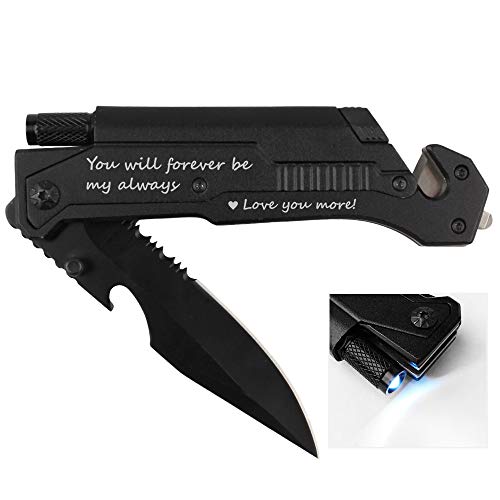
- TAR Score9.4
TAR Score is a ranking system developed by TopAppliancesReviews.com. TAR score has no relationship or impact from any manufacturers or sales agent websites. Learn more
- BrandFanfoobi

- TAR Score9.4
TAR Score is a ranking system developed by TopAppliancesReviews.com. TAR score has no relationship or impact from any manufacturers or sales agent websites. Learn more
- BrandFanfoobi

- TAR Score9.2
TAR Score is a ranking system developed by TopAppliancesReviews.com. TAR score has no relationship or impact from any manufacturers or sales agent websites. Learn more
- BrandCJRB CUTLERY

- TAR Score9.0
TAR Score is a ranking system developed by TopAppliancesReviews.com. TAR score has no relationship or impact from any manufacturers or sales agent websites. Learn more
- BrandGerber

- TAR Score9.0
TAR Score is a ranking system developed by TopAppliancesReviews.com. TAR score has no relationship or impact from any manufacturers or sales agent websites. Learn more
- BrandGerber
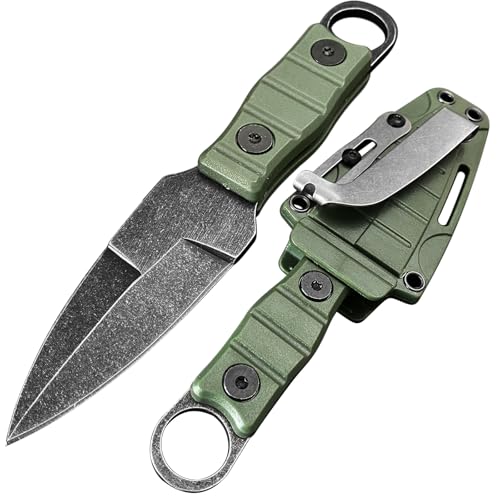
- TAR Score9.0
TAR Score is a ranking system developed by TopAppliancesReviews.com. TAR score has no relationship or impact from any manufacturers or sales agent websites. Learn more
- BrandCIZPIROK

- TAR Score8.8
TAR Score is a ranking system developed by TopAppliancesReviews.com. TAR score has no relationship or impact from any manufacturers or sales agent websites. Learn more
- BrandZPFOE

- TAR Score7.8
TAR Score is a ranking system developed by TopAppliancesReviews.com. TAR score has no relationship or impact from any manufacturers or sales agent websites. Learn more
- BrandCoast

- TAR Score6.0
TAR Score is a ranking system developed by TopAppliancesReviews.com. TAR score has no relationship or impact from any manufacturers or sales agent websites. Learn more
- BrandN/A
Last update on 2026-10-03 / Affiliate links / Images, Product Titles, and Product Highlights from Amazon Product Advertising API
FAQs
Does carrying a knife with only the pocket clip visible count as open carry?
In most states, a visible pocket clip does not legally qualify as open carry. Because the blade and handle sit hidden inside the pocket, an ordinary person cannot tell what the object is. Many courts treat clip-mounted pocket knives as concealed tools, which may violate local concealed weapon regulations.
What should I do if a sudden wind blows my jacket over my knife?
Adjust your clothing immediately to uncover the knife handle. If cold weather forces you to wear long outerwear, tuck the hem behind the sheath or switch to a dangler attachment that lets the knife hang below your coat line. Letting clothing hide the grip turns lawful open carry into illegal concealed carry.
Can a private business ban open carry knives inside their store?
Yes, private property owners and business managers have full legal authority to ban knives on their premises. State open-carry protections apply to public areas, not private businesses. If a store employee asks you to return your knife to your vehicle or exit the property, you must comply to avoid criminal trespass.
How can I check knife laws in my specific town?
Review your state penal code regarding weapon definitions, then search your local municipal code online. Pay close attention to rules for parks, transit hubs, and public buildings, which often impose tighter blade length limits. If the legal text seems unclear, contact your local police department or a licensed attorney for direct guidance.

Top Rated Best Quality Range Hoods: 2026 Expert Picks
The 12 Best Small Solar Generators 2026

10 Best Quality Semi Automatic Washing Machine of 2026 For Leak-Free Laundry

11 Best Small Washer Machine of 2026 For Everyday Laundry

12 Best Vibration Pads For Washing Machine of 2026 To Stop Walking and Shaking

11 Best Selling Front Load Washing Machine of 2026 For Quiet Odor-Free Laundry

11 Best Washing Machine For King Size Bedding of 2026 To Prevent Cycle Errors

10 Best Small Front Loader Washing Machine of 2026 For Tight Closets