How to Open a Bottle of Wine with a Knife Safely

Slice the neck foil away and press a narrow, sturdy blade about one inch into the center of the cork. Wrapping the glass in a towel protects your hands from slips while you slowly twist and pull upward to draw the cork out. Steady, patient pressure coaxes the stopper free without chipping the bottle rim or breaking the tip.
The exact move depends on the knife and the cork in front of you. A slim steak knife with small serrations holds best, while wide kitchen knives or fragile ceramic edges can snap under twisting pressure. Firm rubber or fresh natural corks slide out smoothly, but an older, crumbly cork can shred instantly, making it much safer to push the cork straight down into the liquid instead. Following a few simple precautions will get the bottle open cleanly without any glass shards or ruined drinks.
How do you remove the bottle foil cleanly?
The foil sleeve on the neck of a wine bottle protects the cork from dust during storage. Many people try to rip it off with fingernails or hack at the top of the bottle, but this leaves jagged edges that can slice fingers. Cutting the foil cleanly takes less than thirty seconds and creates a safe working surface.
Look at the glass ring located just below the rim of the bottle mouth. Slice underneath that raised lip rather than across the very top. Cutting below the lip prevents your wine from contacting metal residue or jagged foil shreds as you pour it into a glass later.
Follow this quick checklist to clear the foil away safely:
- Stabilize the bottle: Set the bottle down on a flat kitchen counter or table. Never try to cut foil while holding the bottle in the air or gripping it between your knees.
- Position the blade: Place the sharp edge of your knife horizontally against the neck, right below the lower glass ridge.
- Score the circumference: Keep the knife steady and slowly rotate the bottle with your other hand, letting the blade score a continuous line around the neck.
- Make an upward slit: Place the knife tip under the cut line and slice upward toward the lip to create a clean vertical seam.
- Peel and clean: Pry the foil cap off with your thumb. Wipe the exposed rim and the cork top with a clean cloth to clear away dust or storage residue that settled under the capsule.
Which knife is the safest option to use?
Picking the right tool keeps your hands safe. A cork requires friction and grip to turn. A wide, smooth chef knife will simply carve a loose slit through the center, leaving you with nothing to grab onto.
Your best choice is a narrow serrated steak knife. The tiny teeth along the edge bite directly into the spongy cork material. That grip allows you to twist the stopper without the blade sliding freely out of the cut. Make sure the knife features a full tang, meaning one solid piece of blade steel extending all the way through the handle, so the blade will not snap loose under twisting pressure.
If you are outdoors, a sturdy pocket knife works well as long as it has a locking blade. Look for an everyday carry knife equipped with a secure liner lock (the spring bar inside the handle that snaps behind the open blade to stop it from closing on your fingers) or a back lock. Never use a standard non-locking pocket knife, because upward pulling pressure can cause the blade to fold straight onto your knuckles.
Leave broad prep blades, such as those found in German high carbon steel knife sets, in their block for this job. Large kitchen blades have wide profiles that bind against narrow glass necks. Brittle ceramic blades can snap at the tip under sideways pressure, sending dangerous shards of glass and steel across the counter.
How do you twist and pull the cork out?
Once you select a narrow, sturdy knife, extracting the cork relies on friction, patience, and controlled rotation. Rushing or trying to pry the blade like a crowbar will break the cork in half or shatter the bottle neck.
Follow these steps in order to extract the stopper smoothly:
- Wrap the bottle in a towel: Wrap a thick cloth towel around the bottle neck and body, leaving only the opening exposed. This shields your hand and gives you a non-slip grip if the blade slips.
- Insert the blade at an angle: Place the knife tip into the center of the cork. Push the blade in at a roughly 45-degree angle. Once the tip bites a quarter-inch deep, straighten the knife so it points down the core of the stopper.
- Sink the blade one inch deep: Apply steady downward palm pressure to push the blade roughly one inch into the cork. Stop there. Pushing through the bottom will push cork dust into the wine or contact the glass.
- Twist slowly while pulling up: Grip the knife handle firmly with your dominant hand while holding the wrapped bottle neck securely with your other hand. Slowly turn the knife clockwise while applying gentle upward pressure. The cork will grip the blade teeth and rotate inside the neck.
- Ease the cork upward in stages: Keep turning the knife in a slow circle. As the cork spins, ease your lifting hand upward. The friction against the glass will break, and the stopper will begin creeping upward.
- Finish the extraction by hand: As soon as half of the cork clears the rim, pull the knife straight out. Grab the exposed cork with your fingers or a cloth, twist gently, and pull it free.
When should you push the cork into the bottle?
Sometimes a cork will not budge, or the material will crumble into pieces under the blade. This happens frequently with older bottles where natural cork has dried out, or with cheap stoppers that lack density. If your blade is spinning loosely or carving out the center, stop pulling immediately.
Switching to the push-in backup method is far safer than continuing to shred the cork. Pushing the stopper down into the bottle cavity requires very little equipment and removes the risk of broken blade tips. But, wine bottles have almost no empty air space inside the neck. If you push a solid cylinder straight down into a closed liquid chamber, the air pressure will spike and spray red wine across the room.
To push the cork in cleanly, relieve internal pressure first. Take your knife tip and carefully gouge a small channel or vent hole through the remaining cork. You will hear a faint hiss as trapped air vents out. Once you create that vent path, put the knife away so you do not risk stabbing through the bottle.
Take the blunt end of a wooden spoon handle or an unsharpened pencil. Place the flat end against the center of the cork. Wrap a clean dish towel or paper towel over the bottle mouth to catch any minor droplets. Hold the bottle firmly against a flat table, then apply firm, steady downward pressure. The cork will slide through the neck and drop into the wider body of the bottle below.
What safety mistakes should you avoid right now?
Opening a glass bottle with an edged tool carries real risks. A slip against smooth glass can cause severe cuts, while improper leverage can shatter the neck. Review these safety rules before applying pressure to your bottle:
- Never pry against the glass rim: Using your blade like a lever against the lip concentrates immense pressure on a tiny point of glass. Wine bottle rims are brittle and will chip instantly, dropping microscopic glass fragments into your drink. Twist and pull upward, but never lever sideways.
- Never use a non-locking folding knife: Slipjoint pocket knives hold open only by spring tension. When you pull upward while twisting, the blade spine can easily overcome that tension and snap shut on your fingers. Stick to fixed blades or secure locking mechanisms.
- Never hold the bottle in your lap: Resting the bottle base between your thighs leaves vital arteries exposed if the knife slips off the cork. Always set the bottle flat on a solid, non-slip counter.
- Never force a blade into synthetic plastic stoppers: Synthetic cork (a dense plastic stopper molded to look like wood) grips glass much tighter than natural bark cork. Forcing a thin knife into synthetic material can wedge the blade completely, leading to broken tips. If you see a smooth, rubbery plastic top, push it down instead of pulling.
- Never attempt saber cuts on still wine bottles: Striking off the glass collar with a heavy blade works only on sparkling wine, where internal carbonation pressure blows glass shards outward. Still wine lacks internal pressure, so striking the neck will shatter glass into the liquid.
What dedicated tools should you keep for the future?
Using a knife to uncork a bottle is an emergency workaround, not a permanent habit. To avoid safety risks, blade damage, and crumbled corks on future bottles, keep a dedicated wine tool in your kitchen drawer or picnic bag.
The most reliable option is a traditional waiter wine key. This compact tool uses a grooved metal screw, called a worm, that bites into the cork without coring the center. A double-hinged arm rests against the bottle lip, giving you two stages of mechanical leverage that pull the cork straight out with minimal effort. Most waiter keys also include a small, curved serrated blade designed specifically to strip neck foil cleanly in a single turn.
If you open older bottles with delicate corks, consider keeping a two-prong cork puller on hand. This tool features two thin spring-steel blades that slide down between the glass neck and the outside of the cork, letting you twist the stopper free without puncturing the material. Air pressure pump openers are another clean alternative, using a thin center needle to introduce air into the bottle until the cork slides upward naturally. Having any of these purpose-built tools eliminates knife slippage and keeps your hands safe.

- TAR Score9.4
TAR Score is a ranking system developed by TopAppliancesReviews.com. TAR score has no relationship or impact from any manufacturers or sales agent websites. Learn more
- BrandGOBETTER

- TAR Score9.4
TAR Score is a ranking system developed by TopAppliancesReviews.com. TAR score has no relationship or impact from any manufacturers or sales agent websites. Learn more
- BrandBarvivo

- TAR Score9.2
TAR Score is a ranking system developed by TopAppliancesReviews.com. TAR score has no relationship or impact from any manufacturers or sales agent websites. Learn more
- BrandChef Craft

- TAR Score9.0
TAR Score is a ranking system developed by TopAppliancesReviews.com. TAR score has no relationship or impact from any manufacturers or sales agent websites. Learn more
- BrandHouseables
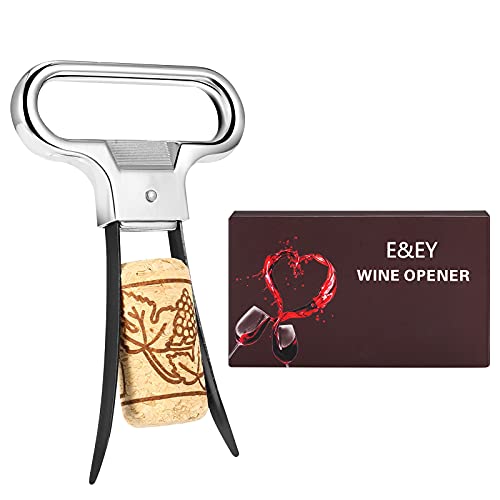
- TAR Score8.8
TAR Score is a ranking system developed by TopAppliancesReviews.com. TAR score has no relationship or impact from any manufacturers or sales agent websites. Learn more
- BrandE&EY

- TAR Score8.8
TAR Score is a ranking system developed by TopAppliancesReviews.com. TAR score has no relationship or impact from any manufacturers or sales agent websites. Learn more
- BrandMincham

- TAR Score8.6
TAR Score is a ranking system developed by TopAppliancesReviews.com. TAR score has no relationship or impact from any manufacturers or sales agent websites. Learn more
- BrandIPEROT

- TAR Score8.6
TAR Score is a ranking system developed by TopAppliancesReviews.com. TAR score has no relationship or impact from any manufacturers or sales agent websites. Learn more
- BrandIPEROT
Last update on 2026-10-03 / Affiliate links / Images, Product Titles, and Product Highlights from Amazon Product Advertising API
FAQs
What should you do if the cork breaks in half?
If the top half of the cork tears away and leaves the bottom half trapped in the neck, wipe any loose crumbs from the rim. Insert your knife blade at a 45-degree angle into the remaining stub, being careful not to push it down further. Gently twist and pull upward to see if the lower plug moves. If the remaining piece feels stuck, switch to the push-in method by venting the cork with a small notch and pressing it down into the bottle with a blunt wooden handle.
Can you use this knife method on synthetic plastic corks?
You should avoid pulling synthetic plastic corks with a knife. Plastic stoppers produce far more friction against the smooth glass neck than natural cork bark, which makes twisting them out difficult without a mechanical lever. A knife blade driven into dense synthetic material will often get stuck or carve a loose circle without lifting the stopper. If you notice the smooth, rubbery texture of a synthetic stopper, use a blunt kitchen tool to push it into the bottle instead.
How do you filter cork crumbs out of the wine?
If bits of cork break off and fall into your wine, you can remove them easily before serving. Place a mesh kitchen strainer lined with a damp paper towel or an unbleached coffee filter over a clean glass carafe. Slowly pour the wine through the filter. The liquid will pass through cleanly while the paper catches every small particle of cork, leaving your wine smooth and clear.
Why does wine spray when pushing a cork inside?
Wine bottles are filled almost to the top, leaving only a tiny cushion of air trapped between the liquid and the cork. When you push the cork downward, you act like a piston in an engine cylinder, compressing that air pocket into high pressure. If the air has no way to vent, it forces liquid out around the edges of the cork at high speed. Creating a small slit or vent channel along the side of the cork before pressing eliminates this pressure buildup and prevents splatters.


Top Rated Best Quality Range Hoods: 2026 Expert Picks
The 12 Best Small Solar Generators 2026

10 Best Quality Semi Automatic Washing Machine of 2026 For Leak-Free Laundry

11 Best Small Washer Machine of 2026 For Everyday Laundry

12 Best Vibration Pads For Washing Machine of 2026 To Stop Walking and Shaking

11 Best Selling Front Load Washing Machine of 2026 For Quiet Odor-Free Laundry

11 Best Washing Machine For King Size Bedding of 2026 To Prevent Cycle Errors

10 Best Small Front Loader Washing Machine of 2026 For Tight Closets