
How to Make Naturally Sweet Tangerine Juice at Home

Strip the peel off each fruit and pull the pieces apart before doing anything else. Keeping the bitter white pith, the spongy layer under the skin, out of the bowl protects that rich citrus sweetness. The fastest way to get a clean glass is to press halved fruit on a ridged citrus reamer or pulse peeled segments briefly in a blender and pour the liquid through a fine wire strainer.
The right approach depends on the tools in your kitchen and the specific fruit in your bowl. Seedless varieties can drop straight into a blender jar, but varieties packed with small seeds need a quick slice so you can flick the hard centers away first. How you strain the liquid also changes the body, letting you choose between silky juice or a thicker, pulp-heavy pour. Here is how to squeeze every drop from your batch without making a mess or turning the flavor sour.
Prepping Tangerines for Sweet, Never-Bitter Juice
Tangerines are naturally sweet, but their juice turns bitter if prep goes wrong. The cause is almost always two things: the white inner pith and the seeds. Pith is the white spongy layer beneath the colored peel. While the outer skin carries fragrant citrus oils, that white sponge holds bitter plant compounds. If you grind too much of it or crush seeds with blender blades, bitter oils bleed into your drink.
Selecting the right fruit sets you up for an easy morning squeeze. Look for fruit that feels heavy in your palm. A heavy tangerine means the juice sacs are swollen with liquid, while a light, spongy fruit has dried out on the shelf. The peel should feel slightly loose, almost like a jacket that is one size too big. That loose skin tells you the fruit is ripe, easy to peel, and ready to yield its juice.
Follow this quick prep checklist before you juice:
- Choose dense, heavy tangerines packed with liquid.
- Peel off the colored skin using your thumbs, working from stem to base.
- Pull away thick white strands of pith clinging to the fruit.
- Break the fruit into individual segments to inspect them.
- Slice down the inner spine of each segment to flick out seeds.
Taking a minute to flick out seeds makes a huge difference in flavor. Tangerine seeds are hard and resinous. If they crack open, no amount of sugar will hide that sharp taste. Once segments are clean and seedless, you can start juicing.
Juicing with a Manual Press or Electric Reamer
A dedicated citrus tool is the cleanest way to pull sweet juice from tangerines. A reamer is a ridged cone used to press citrus, found on handheld tools, tabletop presses, or motorized bases. Because tangerines have softer flesh than navel oranges, they yield juice quickly without heavy force.
If you use a handheld squeezer, wash the fruit and slice it across the equator rather than from stem to blossom end. Slicing across the equator exposes every open juice segment. Place the half cut-side down into the squeezer bowl, facing the drain holes. When you press the handles together, the tool turns the peel inside out. This pushes juice through the holes while trapping seeds and spongy white skin in the cup. Using a sturdy stainless steel hand juicer prevents handle flex, giving you dry rinds with minimal effort.
If you use a tabletop cone or electric juicer, follow these steps:
- Slice the tangerine in half crosswise with a sharp knife.
- Place the open center of the fruit over the tip of the ridged cone.
- Press down firmly with your palm or pull down the press lever.
- Rock the fruit slightly so the ridges scrape the inner flesh bags.
- Stop pressing as soon as the ridges reach the inner white skin.
The most common mistake with a motorized reamer is pressing down too hard. When the spinning cone grinds against the bitter white pith, it shreds that spongy layer into the juice pitcher. Press just until the soft orange flesh collapses and stops dripping. Let the ridges do the gentle work, and pour the fresh juice right away.
Making Tangerine Juice in a Countertop Blender
You do not need a citrus press to make fresh juice. A standard countertop blender (a pitcher seated on a motorized base) works well if you use a fine wire mesh strainer to separate liquid from fiber. Whole-fruit blending keeps all dietary fiber inside the jar, turning the drink into a thick puree. For a clean, pourable breakfast juice, blend just enough to burst the juice sacs, then strain out the pulp.
Careful prep is critical when using a blender. Peel the tangerines completely and pull the fruit into segments. Check each segment for hidden seeds. Even one or two seeds crushed by high-speed blender blades will turn a whole batch bitter in seconds.
Follow these steps for a smooth juice:
- Place seedless tangerine segments into the blending jar.
- Add two tablespoons of cold water to help the blades catch the fruit.
- Secure the blender lid tightly and select a pulse setting.
- Pulse in short bursts of three to five seconds, repeating three times.
- Stop blending as soon as the segments break into a loose mash.
Never run the blender continuously on high speed. High speeds whip air into the juice, creating thick foam, and generate heat that dulls fresh fruit flavor. If blades spin freely in an empty air pocket while fruit sits above, do not shake the running machine. Turn the blender off, tap the pitcher base, or use a tamper (the plastic plunger stick designed to push food down safely through the lid opening) before pulsing again.
Once pureed, set a sieve (a fine wire mesh strainer) over a glass bowl. Pour the blended fruit into the mesh. Use the back of a spoon to press the pulp against the mesh in circular motions. The sweet juice will flow through the bottom, leaving dry fiber in the strainer.
How Many Tangerines You Need and How to Store the Fresh Juice
Because tangerines are smaller and thinner-skinned than oranges, guessing fruit quantities can be tricky. A standard breakfast glass holds about eight fluid ounces of juice. A single medium tangerine yields between two and three tablespoons of liquid, which equals roughly one to one and a half fluid ounces. To fill an eight-ounce glass, plan on using five to seven medium tangerines. For smaller fruit like box clementines, use eight or nine.
Freshly squeezed tangerine juice tastes best the minute you make it. Fresh citrus lacks artificial preservatives, so sweet flavor begins changing once oxygen hits the liquid. Natural enzymes slowly alter the sugars, turning the taste sharp and flat if left sitting at room temperature.
If you make an extra batch, store it safely to protect that sweet flavor:
- Pour the juice into an airtight glass jar rather than plastic.
- Fill the container near the top to minimize trapped air.
- Store the jar on a main refrigerator shelf rather than the door.
- Drink the chilled juice within two to three days.
Freezing is the best way to keep fresh juice without losing sweetness if you have excess fruit. Pour strained juice into clean ice cube trays and freeze until solid. Pop the frozen cubes into a zip-top freezer bag and store them for up to four months. Drop cubes directly into cold water, smoothies, or thaw them overnight in the fridge. If you want to keep batches in your pantry instead of the freezer, learn how to make juice shelf stable through proper heat bottling and clean jar practices.
Choosing the Right Citrus Juicer or Blender for Daily Batches
If you plan to juice fresh tangerines regularly, having the right kitchen appliance on your counter saves time and keeps cleanup easy. Countertop blenders, manual hand presses, and motorized citrus juicers each handle the task differently. Knowing what features matter ensures you pick an appliance that fits your routine.
When looking at manual citrus presses, look for solid metal builds with wide juice bowls. Tangerines are wider than key limes, so a bowl measuring at least two and a half to three inches wide prevents fruit from bulging out the sides. Heavy lever-style presses rely on simple hand pressure, meaning you do not have to worry about electrical cords, motor noise, or mechanical parts breaking over time.
If you prefer an electric citrus juicer, look for a motor base that features auto-reversing cones. When you press a fruit half down, the cone turns in one direction, then reverses when you lift and press again. This back-and-forth motion cleans out pulp sacs thoroughly without twisting your wrist. Check that the unit includes multiple cone sizes, since a large grapefruit cone will tear up small tangerine skins. An adjustable pulp filter also lets you choose between silky smooth juice and pulp-rich drinks.
For those using a countertop blender, motor control is the most critical feature. You need responsive pulse controls and low-speed settings so you can break fruit open without pureeing pulp into baby food. Look for blending jars with clear fluid ounce markings and a lid with a removable center plug. That plug lets you insert a plunger stick to clear air pockets safely while the motor runs. Finally, measure your counter space before buying. Standard kitchen upper cabinets sit 18 inches above the counter, so choosing a wide blending jar instead of an overly tall pitcher ensures your machine slides under cupboards for daily storage.

- TAR Score9.4
TAR Score is a ranking system developed by TopAppliancesReviews.com. TAR score has no relationship or impact from any manufacturers or sales agent websites. Learn more
- BrandPropel

- TAR Score9.2
TAR Score is a ranking system developed by TopAppliancesReviews.com. TAR score has no relationship or impact from any manufacturers or sales agent websites. Learn more
- BrandSkyhorse

- TAR Score9.2
TAR Score is a ranking system developed by TopAppliancesReviews.com. TAR score has no relationship or impact from any manufacturers or sales agent websites. Learn more
- BrandBai

- TAR Score9.2
TAR Score is a ranking system developed by TopAppliancesReviews.com. TAR score has no relationship or impact from any manufacturers or sales agent websites. Learn more
- BrandRuibo
- TAR Score9.0
TAR Score is a ranking system developed by TopAppliancesReviews.com. TAR score has no relationship or impact from any manufacturers or sales agent websites. Learn more
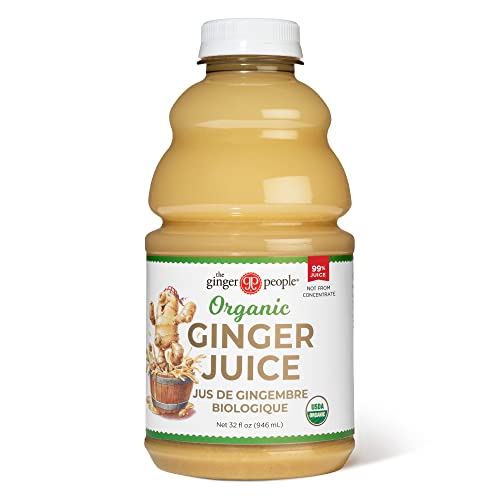
- BrandThe Ginger People

- TAR Score9.0
TAR Score is a ranking system developed by TopAppliancesReviews.com. TAR score has no relationship or impact from any manufacturers or sales agent websites. Learn more
- Brandlittle squirt syrup pump

- TAR Score7.0
TAR Score is a ranking system developed by TopAppliancesReviews.com. TAR score has no relationship or impact from any manufacturers or sales agent websites. Learn more
- BrandHolstein Housewares

- TAR Score6.2
TAR Score is a ranking system developed by TopAppliancesReviews.com. TAR score has no relationship or impact from any manufacturers or sales agent websites. Learn more
- BrandTiny Tummy Tea

- TAR Score2.0
TAR Score is a ranking system developed by TopAppliancesReviews.com. TAR score has no relationship or impact from any manufacturers or sales agent websites. Learn more
- BrandFantasyon
- TAR Score-
TAR Score is a ranking system developed by TopAppliancesReviews.com. TAR score has no relationship or impact from any manufacturers or sales agent websites. Learn more
- BrandCHICIRIS
Last update on 2026-09-29 / Affiliate links / Images, Product Titles, and Product Highlights from Amazon Product Advertising API
FAQs
Why does homemade tangerine juice sometimes taste bitter after sitting?
Bitterness usually comes from crushed seeds or inner white pith. Tangerine seeds contain bitter resins, and the spongy white skin holds bitter plant compounds that seep into liquid over time. To avoid this, carefully remove all seeds before blending, avoid grinding inner rinds on a juicer cone, and store juice chilled in an airtight glass container.
Do I need to peel tangerines before using a manual squeezer?
No, you do not need to peel tangerines when using a handheld squeezer or lever press. Simply cut the fruit in half across the equator, place the half cut-side down into the squeezer cup, and press the handles together. The tool presses juice through the bottom holes while the skin stays inside the cup, keeping bitter rind oils out of your glass.
Can I use an immersion stick blender instead of a regular countertop blender?
Yes, you can use a handheld stick blender in a tall, narrow container or deep mixing bowl. Peel the tangerines, pull segments apart, flick out every seed, and place the fruit into the container. Pulse the wand in short bursts to break segments down into liquid, then pour the mixture through a fine wire mesh strainer to catch the pulp.


Best Vitamix Immersion Blender Reviews: Top Choices for 2026

Banish Cramps with Homemade Pickle Juice: A Guide
Unravel the Secrets: How to Make Snake Juice at Home

Pear Juice: Unveiling the Health Benefits

Decoding the Effects: Is Pickle Juice a Laxative?

Unveiling the Truth: Is Cold Pressed Juice Pasteurized?
Is Pickle Juice Good for Plants? Unraveling the Truth

Orange Juice vs. Apple Juice: Uncovering the Better Choice






