
How to Make Pomegranate Juice Taste Better

Splash in a little coconut water or sweet apple juice right into the glass. That mellows the sharp, puckering acid instantly without burying the rich fruit flavor. Stirring in a spoonful of raw honey or a tiny pinch of grated ginger also calms the harsh edge on contact. Another quick trick is diluting the juice with cold sparkling water, which turns that heavy, tart bite into a crisp, fizzy cooler.
The best fix depends on what is causing that rough taste. Commercial bottles usually just need gentle balancing against natural fruit acid, while homemade batches often taste harsh because bitter white pith or crushed seed centers slipped into the blender. Personal sugar goals matter too, especially for anyone keeping daily calories low. Here is how to diagnose what went wrong with your glass and balance the flavor with simple kitchen staples.
Stir in a quick splash of sweetness to balance sharp acid immediately
If you are holding a glass right now and making a puckered face, you do not need to dump it down the drain. You can fix the flavor in seconds using basic items from your pantry or refrigerator. Pure pomegranate juice carries natural sweetness, but its sharp fruit acid can overpower your taste buds. Adding a mild sweetener or a pinch of salt brings the flavors back into balance immediately.
Use these fast additions to rescue your glass:
- Warm honey: Honey rounds out sharp fruit acids better than white table sugar. Because honey clumps in cold drinks, stir one teaspoon of honey into one tablespoon of warm water first. Pour the dissolved mixture into your glass and stir thoroughly.
- Pure maple syrup: Maple syrup blends easily into cold liquids without leaving crystals. Its caramel undertone pairs naturally with dark fruit juice without turning it into a sugar bomb. Start with half a teaspoon and add more if needed.
- A pinch of fine salt: A tiny pinch of table salt suppresses bitter taste receptors on your tongue. Just a few grains will soften the sour punch and let the fruit flavors come through.
- Sweet fruit juice: Splash two ounces of crisp apple juice, white grape juice, or ripe orange juice into your glass. These juices carry softer acids that tame the intense bite.
- Agave nectar: Light agave dissolves instantly in cold drinks and adds clean sweetness without altering the fruit profile.
Learn why your glass tastes sour, dry, or bitter
Understanding why your drink tastes harsh helps you fix the glass in your hand and avoid the same surprise on your next grocery run. The harsh bite in pomegranate juice comes from two distinct sources: natural fruit acid or plant compounds called tannins.
The edible parts of a pomegranate are the arils (the juicy red seed pods). These arils naturally pack high levels of citric and malic acids. Those are the same acids that give green apples and lemons their sharp bite. When you pour pure, unsweetened juice, you are tasting these concentrated acids at full strength. Pure grocery brands often skip sweet fillers to keep their bottles authentic, which results in a very sharp taste. You can check whether RW Knudsen juice is good for you to see how unsweetened fruit juices balance natural nutrition with pure fruit acidity.
The second cause of harsh flavor is pith. The pith is the bitter white spongy skin that holds the red arils inside the fruit rind. Pith contains concentrated tannins (natural plant parts that taste dry and bitter). Tannins cause an astringent feeling, which is that chalky, puckering sensation that makes your mouth feel dry after swallowing.
If you made fresh juice at home, you might also be tasting crushed seed centers. The white seeds inside the arils are woody. When fast blades grind those seeds, they dump bitter oils straight into your juice. Knowing whether your drink is simply sour from fruit acid or dry and bitter from pith and seeds tells you which fix to choose.
Dilute the punch with coconut water, citrus, ginger, or fizz
Pure pomegranate juice is intensely concentrated. Most people enjoy it much more when they cut it with a lighter liquid. Diluting does not ruin the drink; it opens up the aroma and makes each sip smooth.
- Coconut water: Mixing equal parts pomegranate juice and coconut water creates a balanced, refreshing drink. Coconut water provides natural electrolytes and subtle sweetness that mellows strong acid without extra sugar. Pressed coconut water that blends in pure coconut puree works especially well because the tiny bit of natural fat softens the sharp mouthfeel.
- Fresh ginger juice: Ginger adds spicy warmth that cuts straight through fruit acid. Stirring in a quarter-teaspoon of pure ginger juice creates an invigorating kick. The ginger heat masks the sour edge while keeping the drink crisp.
- Fresh citrus: A splash of sweet orange juice adds mild sugar, while a squeeze of fresh lime juice adds fragrant top notes. Lime sounds acidic, but its bright citrus oils cut through the heavy, dark tone of pomegranate juice and balance the palate.
- Cold sparkling water: Dense juices can feel heavy on the tongue. Pouring pomegranate juice over ice and topping it with plain sparkling water lightens the texture. The bubbles lift the fruit flavors, turning a tart liquid into a refreshing spritzer. Try two parts sparkling water to one part juice.
Separate the red arils cleanly before you run your juicer or blender
If you make your juice at home, your prep technique decides whether your drink turns out sweet or unpleasantly bitter. You must keep every scrap of white pith and crushed seed fragments out of your glass.
Follow these steps to extract clean juice every time:
- Score the rind: Use a sharp paring knife to slice through the red skin around the center equator of the fruit. Cut just deep enough to slice the skin without piercing the red arils inside.
- Submerge in water: Fill a large bowl with cool water. Place the pomegranate under the water and gently pry the halves apart with your fingers.
- Separate the arils underwater: Push the red arils away from the white skin with your thumbs. Submerging the fruit keeps red juice from spraying your kitchen. The red arils sink to the bottom, while the bitter white spongy pith floats to the top.
- Skim the surface: Use a slotted spoon to scoop out every bit of floating white pith. Pour the arils into a colander to drain.
- Pulse gently: Place the red arils into your blending jar. Pulse the blades on the lowest speed for three to five seconds just to pop the juice sacs. Do not run the motor continuously, or you will crush the woody seed centers.
- Strain the juice: Pour the mixture through a fine-mesh strainer into a glass pitcher. Press the pulp gently with a silicone spatula, and discard the intact white seeds.
For an easy manual method that avoids blenders entirely, consider using the best stainless steel hand juicer. A heavy mechanical lever press squeezes the juice sacs effortlessly while leaving the bitter inner seeds undisturbed.
Blend rich fruits and mocktail mixers to soften the mouth-puckering bite
You do not have to drink pomegranate juice by the glassful on its own. Using it as a liquid base in smoothies or alcohol-free cocktails lets you enjoy its deep flavor while pairing it with ingredients that soften its sharpness.
In smoothies, creamy bases are your best defense against tartness. Whole milk, oat milk, plain Greek yogurt, and bananas contain natural fats and proteins that coat your tongue. This coating stops tannins and acids from creating that dry, puckering sensation. Try blending four ounces of pomegranate juice with half a ripe banana, a cup of frozen blueberries, and a scoop of yogurt. The banana brings rich sweetness, while the berries complement the ruby-red color. If you make single-serve morning drinks and want easy cleanup, the best stick blender for smoothies lets you puree your fruit and juice directly inside your travel cup.
For a refreshing evening mocktail, shake four ounces of cold pomegranate juice with half an ounce of lemon juice and a teaspoon of maple syrup. Strain it over cracked ice and top the glass with cold tonic water or club soda. Add a sprig of fresh rosemary or bruised mint leaves. The herbal scent tricks your senses, softening the tart bite and transforming the juice into an elegant drink.
Pick a gentle juicer or blender that keeps seed tannins out of your drink
Picking the right kitchen appliance helps you make sweet pomegranate juice at home without extracting bitter plant compounds. When an appliance spins too fast or exerts uncontrolled crushing force, it breaks the woody seed centers and releases dry tannins into your drink.
Keep these practical features in mind when choosing a machine:
- Cold-press juicers with a slow auger: Masticating juicers use a slow-turning crushing screw called an auger to press produce against a fine screen. This gentle pressing extracts liquid from the red arils while leaving the bitter seeds intact, which keeps tannins out of your glass.
- Blenders with precise pulse controls: If you use a countertop blender, avoid one-touch smoothie programs that jump straight to high speed. Choose a model with a variable speed dial or a responsive pulse button so you can run the blades in short two-second bursts to pop the arils without chewing the seeds.
- Wide pitchers and fine strainers: Select blending jars that pour cleanly without dripping. When using a countertop pitcher, make sure you have a plunger stick (a tamper that safely guides ingredients through the lid hole while the motor runs) and a separate fine-mesh strainer to catch pulp.
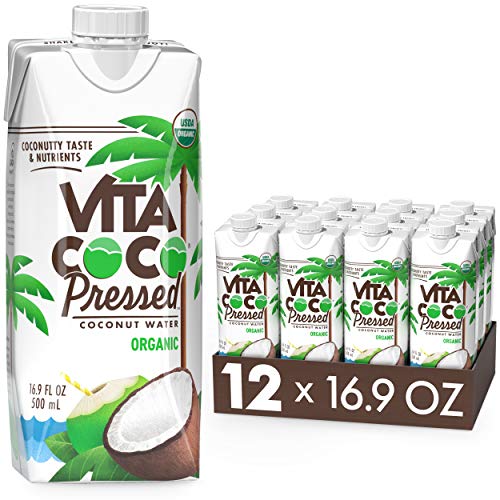
- TAR Score9.4
TAR Score is a ranking system developed by TopAppliancesReviews.com. TAR score has no relationship or impact from any manufacturers or sales agent websites. Learn more
- BrandVita Coco

- TAR Score9.2
TAR Score is a ranking system developed by TopAppliancesReviews.com. TAR score has no relationship or impact from any manufacturers or sales agent websites. Learn more
- BrandLittle Caria

- TAR Score9.0
TAR Score is a ranking system developed by TopAppliancesReviews.com. TAR score has no relationship or impact from any manufacturers or sales agent websites. Learn more
- BrandThe Ginger People

- TAR Score9.0
TAR Score is a ranking system developed by TopAppliancesReviews.com. TAR score has no relationship or impact from any manufacturers or sales agent websites. Learn more
- BrandBai

- TAR Score8.6
TAR Score is a ranking system developed by TopAppliancesReviews.com. TAR score has no relationship or impact from any manufacturers or sales agent websites. Learn more
- BrandHYLEYS Tea

- TAR Score8.6
TAR Score is a ranking system developed by TopAppliancesReviews.com. TAR score has no relationship or impact from any manufacturers or sales agent websites. Learn more
- BrandGOODONYA
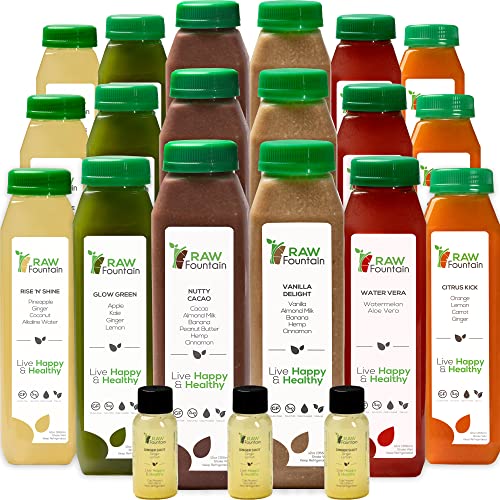
- TAR Score8.4
TAR Score is a ranking system developed by TopAppliancesReviews.com. TAR score has no relationship or impact from any manufacturers or sales agent websites. Learn more
- BrandRaw Fountain
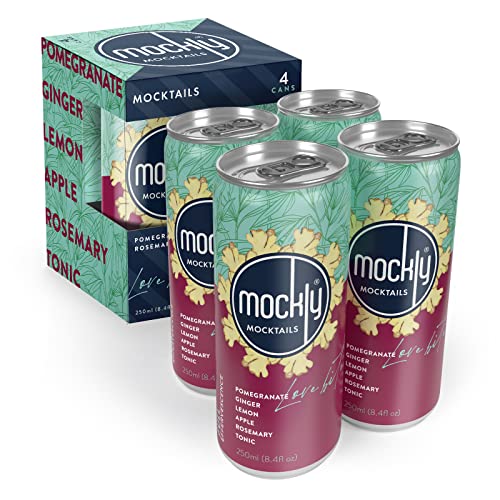
- TAR Score8.4
TAR Score is a ranking system developed by TopAppliancesReviews.com. TAR score has no relationship or impact from any manufacturers or sales agent websites. Learn more
- BrandMockly
Last update on 2026-09-29 / Affiliate links / Images, Product Titles, and Product Highlights from Amazon Product Advertising API
FAQs
Did I ruin my homemade juice by blending the seeds?
Blending the seeds makes the juice cloudy and gives it a gritty texture with a bitter aftertaste, but you can still salvage it. Pour the liquid through a fine-mesh strainer lined with a paper coffee filter or cloth to catch the fine seed dust. Once the solids are filtered out, stir in a spoonful of honey or a splash of coconut water to mask any leftover astringency.
Can I heat pomegranate juice to dissolve honey or sugar?
Heating the entire batch of juice changes its fresh flavor and makes it taste flat or cooked. Dissolve your honey, sugar, or maple syrup in a separate small dish with two tablespoons of warm water instead. Once the sweetener turns into a smooth liquid, stir it directly into your cold pomegranate juice.
What is the ideal ratio for diluting strong pomegranate juice?
A balanced starting point for most drinkers is equal parts juice and mixer, such as one cup of pomegranate juice to one cup of sparkling water or coconut water. If your juice is exceptionally sour, use one part juice to two parts mixer. You can always add more juice once you find the flavor balance you enjoy.
Why does bottled commercial juice taste stronger than fresh juice?
Commercial juice is typically flash-pasteurized and often made from fruit concentrate to maintain a long shelf life and consistent flavor. This heating and concentration process intensifies the natural acids and dark fruit notes. Freshly squeezed juice from ripe pomegranates tastes lighter, brighter, and noticeably sweeter because the natural sugars have not been concentrated by heat.


Best Vitamix Immersion Blender Reviews: Top Choices for 2026

Banish Cramps with Homemade Pickle Juice: A Guide
Unravel the Secrets: How to Make Snake Juice at Home

Pear Juice: Unveiling the Health Benefits

Decoding the Effects: Is Pickle Juice a Laxative?

Unveiling the Truth: Is Cold Pressed Juice Pasteurized?
Is Pickle Juice Good for Plants? Unraveling the Truth

Orange Juice vs. Apple Juice: Uncovering the Better Choice






