How to Make a Paracord Knife Handle That Stays Tight

Wrapping a bare knife frame is far simpler than it looks, and anyone can get a rock-solid finish on the first try. The reliable fix is to weave 550 paracord tightly through the handle cutouts with constant pressure on every pass, then melt the trimmed ends flat so the cord never slips under hard use. That firm hold stops the weave from rolling beneath your fingers when working through tough wood.
A few details change the exact approach. Skeletonized frames with cutouts allow locking crisscross wraps, whereas solid steel bars need continuous edge loops. Leaving the inner core strings creates a rounded, cushioned hold, while pulling them out gives a flat profile that slides smoothly into a sheath. Carbon steel also needs a drop of oil beforehand so trapped water cannot rust the metal. Here is how to prep the blade, measure your cord, and tie a handle that never shifts.
How should you prep the knife before wrapping?
Working on a bare knife handle means dealing with exposed steel and high pulling pressure. When you tie paracord, you will pull each pass with substantial hand force to keep the weave from shifting. If your hand slips on bare metal, your fingers can slide directly into the cutting edge. Safe preparation protects your hands from deep cuts and protects the steel underneath the cord from hidden damage.
Follow this preparation checklist before cutting a single inch of cord:
- Cover the cutting edge completely: Wrap two layers of heavy painter's tape or duct tape along the entire length of the blade, starting from the tip down to the blade plunge line. Press the tape firmly against the edge so it cannot slice open if your palm bumps against it while pulling tension.
- Clean the handle metal: Wipe down the tang (the bare metal handle section) with a clean rag dampened with rubbing alcohol. This removes packing oils, metal dust, and finger grease that cause cord wraps to slip around the frame.
- Check the cutout holes for sharp burrs: On a skeletonized handle (a handle with cutout holes in the steel), factory laser cutting or stamping often leaves rough, square borders. Run your fingernail along the inside rim of every cutout window. If an edge feels sharp enough to scrape your nail, buff it with 400-grit sandpaper so the steel does not cut through the nylon fibers while you pull.
- Apply rust protection on carbon steel: If your blade is made from high-carbon or tool steel, such as the metal found in traditional working cutlery and German high-carbon steel knives, moisture trapped under tight wraps will cause pitting. Wipe a micro-thin layer of mineral oil or paste wax over the steel tang, then wipe away any wet grease so the metal feels clean to the touch.
What paracord size and length works best?
Standard commercial 550 paracord (Type III nylon parachute cord) is the most reliable material for wrapping knife handles. It measures approximately 4 millimeters (5/32 inch) in diameter and contains seven thin nylon inner strands wrapped inside a woven outer jacket. Nylon naturally stretches slightly when pulled tight, which creates an elastic grip that hugs the handle contours and resists loosening during hard cutting.
To measure the right cord length, calculate roughly 1 foot of cord for every 1 inch of knife handle for simple wraps. If you plan to use an interlocking weave that loops through handle cutouts twice, budget 1.5 to 2 feet of cord per inch of handle. A standard 4-inch handle usually requires 6 to 8 feet of paracord. Always add an extra 12 to 18 inches of working slack to make tying the final knot easier and to leave enough line for a rear lanyard loop. Trimming off extra cord at the end is simple, but running out of cord on the final inch ruins the entire wrap.
You also need to choose between using full cord or gutted cord:
- Full 550 cord: Leaving all inner nylon strands intact produces a thick, rounded handle with noticeable shock absorption. This is best for large outdoor blades, camp choppers, and users with larger hands who need a substantial grip that fills the palm.
- Gutted cord: Gutted cord (paracord with inside strings removed) flattens out like a heavy nylon strap. It creates a slim, low-profile handle that fits easily inside slender Kydex or plastic sheaths. Gutted wraps are ideal for compact neck knives or thin pocket tools where bulk makes everyday carry uncomfortable.
How do you wrap the cord step by step?
An interlocking cross wrap provides the strongest hold on knives with skeletonized cutouts. This pattern locks each turn against the steel frame so that even if one section gets nicked, the rest of the handle stays tight. Set up your workspace at a clear table with good lighting, your taped knife, your measured cord, a pair of sharp scissors, and a lighter.
- Form the spine foundation: Fold your cord in half to locate the center point. Lay the looped center along the spine (the top back edge) of the handle near the blade guard, pointing toward the rear pommel. This foundation loop will anchor your wraps and run flat along the steel beneath the cross turns.
- Anchor the first pass near the front: Take the left cord tail and drop it through the top cutout hole near the front of the handle. Pull the cord all the way through until it lies snug against the front steel bolster area. Keep your thumb pressed hard over this first turn so it does not back out.
- Feed the opposite strand: Take the right cord tail and bring it across the front face of the handle. Push it through that same top cutout hole from the opposite side. You now have both cords crossing each other inside the cutout window, forming a secure X pattern across the metal frame.
- Pull and set working tension: Pull both cord tails outward with steady, firm pressure until the cross sits flush against the handle flats. Nylon stretches under load, so give each tail a hard tug. If your wraps feel spongy or loose now, they will roll under your fingers later during heavy cutting tasks.
- Weave through the remaining cutouts: Continue moving down toward the rear pommel one cutout at a time. Alternate which strand crosses on top to create an even, braided ridge down the center of the handle. Keep your thumb pressed against each completed intersection while your other hand routes the cord through the next steel opening.
- Verify edge alignment: Pause halfway down the handle to check your progress. Ensure the cord covers both the top spine and bottom finger grooves evenly without gaps that expose bare steel. If you notice a loose section, unwrap the last two passes, pull the slack tight, and proceed down the frame.
How do you lock and seal the cord ends?
A tight wrap will quickly fall apart if the tail ends slip back through the final cutout. The tail lock must secure the tension mechanically through a knot and chemically by melting the nylon strands into a permanent plastic stopper.
- Route through the rear hole: Thread both cord tails through the lanyard hole (the small hole at the back of the handle). If your handle lacks a dedicated lanyard hole, feed both tails through the very last cutout window, wrapping them tightly around the base of the rear steel pommel.
- Tie a cinching half-hitch: Pull both strands firmly toward the back of the knife. Tie a tight half-hitch or a simple square knot directly against the rear edge of the steel. Pull each strand with pliers or your fingers until the knot sits rock-solid against the metal.
- Trim the excess working cord: Use sharp scissors to cut the leftover cord ends. Leave roughly an eighth of an inch (about 3 millimeters) of cord sticking out from the knot. Do not cut completely flush against the knot, or the cord will unravel the moment heat is applied.
- Melt the cord ends: Fusing (melting nylon cord ends with a lighter) creates a hard plastic bead that cannot slip back through the knot. Hold the blue base of a lighter flame near the cord fibers. Avoid touching the yellow flame directly against the cord so you do not burn the nylon black. Let the fibers melt slowly into a clear, bubbling dome.
- Flatten the molten bead: While the nylon is still soft and hot, press the flat metal side of your lighter firmly against the molten bead. Hold it there for three seconds. This stamps the melted nylon into a flat rivet head directly against the knot. Never use your bare fingers to press hot nylon, as liquid synthetic cord sticks to skin and causes immediate contact burns.
How do you clean and prevent rust underneath?
Paracord is made of synthetic nylon, which makes it resistant to rot and mildew. However, the tight woven fibers act like a sponge for outside liquids. Water, sweat, animal blood, and mud get trapped between the nylon sheath and the bare metal frame. Unlike high-alloy blades or knives crafted from genuine Damascus steel with high stain resistance, plain tool steel will develop rust pits within days if wet cord sits against it.
Keep your paracord handle clean and your blade frame rust-free with these basic maintenance habits:
- Wash out trail grime: When the handle collects grease, blood, or field dirt, wash it in a sink with warm water and mild dish soap. Scrub the woven ridges using a soft-bristled toothbrush to lift grit out of the cord valleys. Rinse the handle thoroughly under clean running water until all soap residue washes out.
- Dry completely before storing: Press the wrapped handle firmly inside a clean cotton bath towel to squeeze out standing water. Place the knife in an open, warm, well-ventilated area for at least 12 hours until the nylon feels completely bone-dry. Never place a wet or damp paracord-wrapped knife inside a leather or molded plastic sheath, as trapped humidity destroys knife steel.
- Apply protective oil through the wrap: Every few months, apply three or four drops of food-safe mineral oil directly along the top and bottom ridges of the paracord wrap. The liquid oil wicks along the nylon fibers and coats the underlying steel tang, providing a steady moisture barrier against sweat and rain without making the outer grip feel greasy.
What supplies should you check before starting your wrap?
Completing a solid handle wrap requires the right balance between raw cord quality and knife handle geometry. Before starting your project, check your materials to ensure they will create a safe, durable tool grip that performs properly in hand.
First, inspect the paracord itself. Look for genuine commercial Type III 550 cord with seven removable inner nylon strands. Avoid cheap polyester utility cords found in discount bins. Polyester does not offer the mild stretch needed to cinch tightly around steel, and it tends to fray rather than melting cleanly into a solid retention bead during fusing.
Next, confirm that your knife frame is suitable for wrapping. The cutout windows on skeletonized handles need to be at least 4 to 6 millimeters wide. If the cutouts are too narrow, standard 550 cord will not pass through twice for interlocking weaves, forcing you to use gutted cord or a simpler flat wrap. If you want visual patterns and structured knotting guides, specialized paracord project books provide helpful step-by-step schematics for Japanese-style cord wraps, diamond braids, and custom rear pull lanyards.

- TAR Score9.2
TAR Score is a ranking system developed by TopAppliancesReviews.com. TAR score has no relationship or impact from any manufacturers or sales agent websites. Learn more
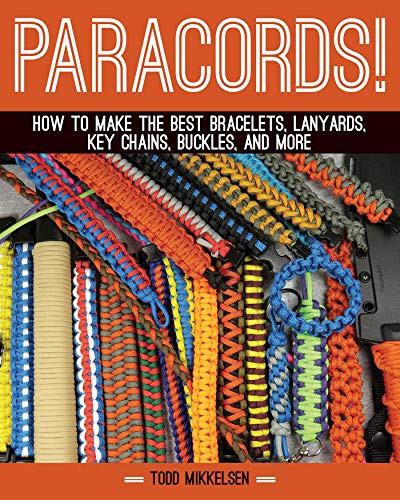
- BrandSCHIFFER PUBLISHING LTD
- TAR Score9.0
TAR Score is a ranking system developed by TopAppliancesReviews.com. TAR score has no relationship or impact from any manufacturers or sales agent websites. Learn more
- BrandSkyhorse

- TAR Score8.8
TAR Score is a ranking system developed by TopAppliancesReviews.com. TAR score has no relationship or impact from any manufacturers or sales agent websites. Learn more
- BrandCREATESPACE

- TAR Score8.8
TAR Score is a ranking system developed by TopAppliancesReviews.com. TAR score has no relationship or impact from any manufacturers or sales agent websites. Learn more
- BrandSU LIFE

- TAR Score8.6
TAR Score is a ranking system developed by TopAppliancesReviews.com. TAR score has no relationship or impact from any manufacturers or sales agent websites. Learn more
- BrandDemearly
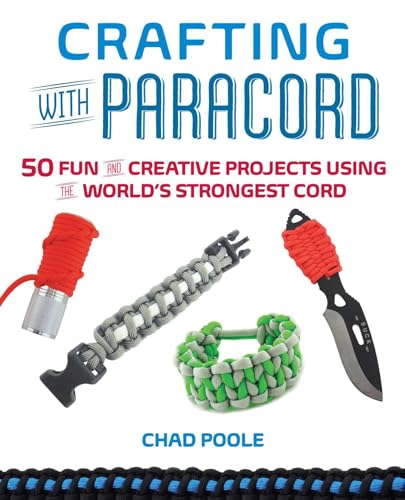
- TAR Score8.6
TAR Score is a ranking system developed by TopAppliancesReviews.com. TAR score has no relationship or impact from any manufacturers or sales agent websites. Learn more
- BrandUlysses Press

- TAR Score8.2
TAR Score is a ranking system developed by TopAppliancesReviews.com. TAR score has no relationship or impact from any manufacturers or sales agent websites. Learn more
- BrandCraft County

- TAR Score8.0
TAR Score is a ranking system developed by TopAppliancesReviews.com. TAR score has no relationship or impact from any manufacturers or sales agent websites. Learn more
- BrandN/A
Last update on 2026-10-02 / Affiliate links / Images, Product Titles, and Product Highlights from Amazon Product Advertising API
FAQs
Can you wrap a solid knife handle that has no cutouts?
You can wrap a solid knife handle, but you must use a continuous friction wrap or a loop-and-pull method rather than an interlocking cutout weave. Because there are no holes to lock the cord into place, you should lay a flat base loop down the spine first and pull every turn with maximum tension. Applying a strip of double-sided grip tape or textured cloth tape directly to the bare metal before wrapping helps stop the cord from sliding back and forth along the smooth steel.
What happens if your paracord gets soaked with water?
Nylon fibers absorb a small amount of water, which causes the cord to expand slightly while wet and contract as it dries. Your grip may feel slightly spongy when saturated, but a properly tensioned wrap will stay locked in place. The main concern with wet cord is prolonged contact with the steel tang underneath, so always dry the knife in an open, warm room as soon as you finish using it.
Does wrapping a handle make the knife grip slippery?
A standard paracord wrap offers significantly more traction than a bare steel skeletonized handle. The crossing weaves, ridges, and valleys give your fingers textured purchase even when your hands are cold, muddy, or wet. If you want an even rougher grip surface, choosing an interlocking weave with pronounced center ridges gives your palm firmer leverage during hard carving and utility cuts.
How do you untie the cord in an emergency?
If you need the paracord for emergency shelter building or bootlace repair, you must cut the melted end knot with a knife blade. Use the point of your blade to slice through the fused nylon bead at the rear lanyard hole, then pull the tail free. Once the locking knot is freed, you can unravel the entire length of cord from the handle in less than twenty seconds.


Top Rated Best Quality Range Hoods: 2026 Expert Picks

The 12 Best Small Solar Generators 2026

10 Best Quality Semi Automatic Washing Machine of 2026 For Leak-Free Laundry

11 Best Small Washer Machine of 2026 For Everyday Laundry

12 Best Vibration Pads For Washing Machine of 2026 To Stop Walking and Shaking

11 Best Selling Front Load Washing Machine of 2026 For Quiet Odor-Free Laundry

11 Best Washing Machine For King Size Bedding of 2026 To Prevent Cycle Errors

10 Best Small Front Loader Washing Machine of 2026 For Tight Closets