How to Make a Safe Fake Knife for Costumes

Layer three cutouts of sturdy cardboard. Glue them flat against each other to build thickness, then round off the tip and edges so nothing can poke or scratch. Finish the project by wrapping the blade in foil tape or painting it metallic gray for a believable look that stays completely harmless.
The best building method depends on how you plan to use the piece. A simple shipping box works great for a one-night costume, but active stage combat calls for flexible craft foam that absorbs impact without snapping. Venue guidelines also matter, since school plays and comic conventions often require blunt points and bendable edges. Here is how to shape, reinforce, and finish a convincing blade that passes every safety check.
The Short Version
- Pick the right base: Layer three cutouts of cardboard or high-density craft foam so the prop feels solid in hand and looks three-dimensional.
- Build a full-length core: Extend the center piece all the way through the grip as a full tang (the part of the blade hidden inside the handle) and reinforce it with flat craft sticks to stop bends and drooping.
- Keep edges blunt: Shape the bevel (the sloped cutting edge) while leaving the final contact edge flat and thick, then wrap the blade in aluminum foil tape or paint it with metallic silver acrylic.
- Follow venue rules: Verify event guidelines before leaving home so your prop complies with peace-bonding (strapping or tagging a prop to show it is safe) and passes security checks without trouble.
Choosing Your Materials: Cardboard vs Craft Foam
The right material depends on how you plan to use your prop. If you need a quick knife for a single evening or a photoshoot, corrugated cardboard from shipping boxes is free and rigid. The main drawback is the hollow fluting along the edges, which leaves visible gaps that need tape or paper mache to seal.
Thin chipboard from cereal boxes has a smooth surface with no hollow gaps. Cereal box cardboard is too flimsy on its own, but it makes an ideal smooth outer skin when glued over a thicker corrugated core. Foam core board is another rigid option with smooth paper faces, but the brittle foam core can crumble if your craft knife blade is dull.
For theater productions, active cosplay, or children's costumes, high-density craft foam (often called EVA foam) is the safest choice. High-density craft foam bends without creasing, absorbs impacts without breaking, and will not cause bruises during stage combat. Craft foam also cuts cleanly with a sharp craft knife and sands easily, allowing you to carve a smooth bevel (the sloped cutting edge) along the blade.
Step-by-Step Cardboard Knife Build
Building a believable cardboard knife takes about an hour of hands-on work using basic household supplies. Follow these steps to assemble a safe, solid prop.
- Draw your paper pattern: Sketch the knife profile on paper as one continuous piece. If you need a balanced silhouette, look at the classic kitchen shapes in German high-carbon steel premium knife block sets to see how a broad blade flows into a comfortable grip. Cut the pattern out with scissors.
- Trace three blanks: Trace your pattern onto three cardboard sheets. Make sure the flutes on the center piece run lengthwise from tip to handle. This gives the blade maximum resistance against bending.
- Cut the pieces: Place the cardboard on a cutting mat. Cut out each piece using a fresh utility knife. Make multiple light scoring passes rather than forcing the blade through in one heavy cut. Keep your fingers behind the cut path.
- Round the tip and edges: Trim the tip into a rounded curve. Shave the side edges slightly inward to simulate the bevel (the sloped cutting edge), but ensure the contact edge remains at least one-eighth of an inch thick and flat.
- Glue the layers: Spread a thin coat of craft glue across all three pieces. Sandwich them together, aligning the borders. Place the stack under heavy books for thirty minutes so it dries flat.
- Seal the outer edge: Wrap thin strips of masking tape over the blade perimeter. This covers the hollow flutes and creates a smooth surface ready for paint.
Making the Blade Look Like Real Steel
Cardboard props look fake when the surface has texture ripples or dull gray coloring. You can create a realistic metallic sheen using two simple finishing methods.
The fastest and most convincing finish uses aluminum foil tape from the hardware store. This tape features a genuine aluminum metal surface with a peel-away backing. Cut strips slightly longer than your blade and apply them down the center of each side. Smooth the tape outward with your thumb to push away trapped air pockets. Burnish the surface firmly using the back of a plastic spoon to eliminate seams and create a polished steel appearance. Trim excess foil along the edges with a sharp craft blade.
If you prefer painting, start by applying a base coat of matte black acrylic paint. The dark undercoat blocks cardboard printing and creates visual depth. Once dry, use a dry-brushing technique with metallic silver acrylic paint. Dip a stiff brush into silver paint, wipe most of it onto a paper towel, and gently flick the brush across the blade surface. The raised edges pick up bright highlights while the dark base shows through in the low spots.
To finish the handle, paint it matte black or dark brown. For a comfortable grip and extra realism, wrap the handle with black electrical tape, sports grip tape, or faux leather cord, securing the ends with a dab of glue.
Strengthening the Handle and Core
The most common failure in homemade prop knives is a blade that bends, droops, or snaps off right at the guard. This happens when the blade and handle are cut as separate pieces and glued together end-to-end.
To prevent this, build your prop with a full tang (the part of the blade hidden inside the handle). In a three-layer build, the center layer must run as one continuous spine from the tip of the blade down to the base of the handle. This uninterrupted core distributes pressure across the entire prop rather than focusing stress on a single weak joint.
You can reinforce the grip by embedding two flat wooden craft sticks or coffee stirrers into the handle area. Before gluing the outer layers in place, cut a shallow channel in the center cardboard layer inside the handle zone and nest the flat wooden sticks inside. Secure the wood with craft glue. The flat wooden sticks stiffen the handle and prevent the cardboard from bending when your hand squeezes the grip.
Never use metal wire, steel rods, or pointed skewers inside your prop. While metal makes a prop stiff, rigid internal spikes can poke through the cardboard if someone falls, creating a puncture hazard. Flat, blunt wooden craft sticks provide ample strength while keeping the prop safe for everyone nearby.
Prop Safety and Public Event Rules
Costume conventions, school theaters, and community venues enforce strict security checks to protect visitors. Even a homemade fake knife must meet safety criteria before staff permit it inside.
Most fan conventions require peace-bonding (strapping or tagging a prop to show it is safe). At the security checkpoint, inspectors verify that your prop cannot cut, stab, or launch projectiles. Once approved, the inspection team fastens a brightly colored zip-tie or security sticker around the handle or sheath to signal to staff that the prop has cleared inspection.
Before bringing your prop into public, verify these safety points:
- Check tip bluntness: The tip must be rounded to the curve of a pencil eraser. Press it against your palm with moderate pressure; it should yield safely without scratching skin.
- Check edge dullness: Run your thumb along the blade. The bevel must be completely smooth and thick enough that it cannot cause cuts or friction burns.
- Check overall rigidity: Props should yield slightly under direct force. Rigid materials like thick wood or steel plates are banned at most fan conventions.
- Store real blades away: When fitting your costume at home, keep real kitchen blades safely stored on premium magnetic knife block and knife set combos or in closed drawers. Never mix real cutlery into costume bins.
- Respect sheath rules: Some venues require prop knives to stay secured inside a belt sheath throughout the event. If your costume includes a sheath, attach a safety tie to hold the prop in place.
When to Choose a Pre-Made Rubber or Plastic Prop
Crafting a cardboard or foam knife is inexpensive, but it takes drying time and careful cutting. In some situations, an inexpensive factory-molded rubber or plastic prop is the more practical route.
If your role requires intense stage combat, rapid martial arts drills, or repeated dropped-prop gags, cardboard will eventually crease and soften. Molded rubber training knives and flexible plastic daggers withstand repeated drops, heavy impacts, and moisture without losing their shape. Pre-made props are also lifesavers when an event takes place outdoors in wet weather or when you need a finished accessory immediately without waiting for glue and paint to dry.
Before buying a pre-made prop, check the blade flexibility. Look for soft polymer or flexible rubber that bends easily under hand pressure. Confirm that the blade features a rounded, blunt tip and dull edges with no sharp casting flash (the thin ridge of excess plastic left along the mold seam). Finally, check the overall dimensions to ensure the prop fits comfortably in your hand or costume sheath.

- TAR Score9.2
TAR Score is a ranking system developed by TopAppliancesReviews.com. TAR score has no relationship or impact from any manufacturers or sales agent websites. Learn more
- BrandKrause Publications

- TAR Score9.2
TAR Score is a ranking system developed by TopAppliancesReviews.com. TAR score has no relationship or impact from any manufacturers or sales agent websites. Learn more
- BrandNlcoek
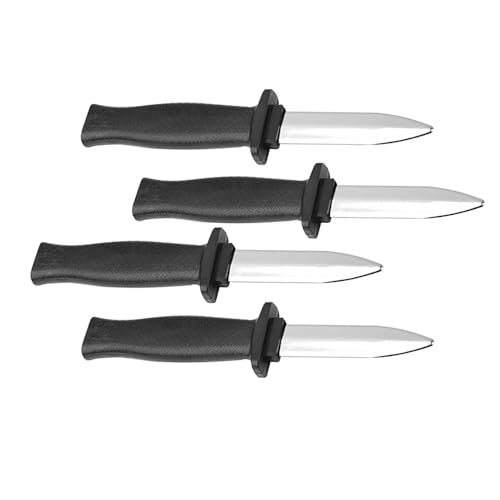
- TAR Score9.0
TAR Score is a ranking system developed by TopAppliancesReviews.com. TAR score has no relationship or impact from any manufacturers or sales agent websites. Learn more
- BrandSujosa

- TAR Score8.6
TAR Score is a ranking system developed by TopAppliancesReviews.com. TAR score has no relationship or impact from any manufacturers or sales agent websites. Learn more
- BrandSujosa

- TAR Score8.6
TAR Score is a ranking system developed by TopAppliancesReviews.com. TAR score has no relationship or impact from any manufacturers or sales agent websites. Learn more
- BrandKrause Publications

- TAR Score8.4
TAR Score is a ranking system developed by TopAppliancesReviews.com. TAR score has no relationship or impact from any manufacturers or sales agent websites. Learn more
- BrandSeasons

- TAR Score8.4
TAR Score is a ranking system developed by TopAppliancesReviews.com. TAR score has no relationship or impact from any manufacturers or sales agent websites. Learn more
- BrandSumind

- TAR Score8.4
TAR Score is a ranking system developed by TopAppliancesReviews.com. TAR score has no relationship or impact from any manufacturers or sales agent websites. Learn more
- BrandCooplay

- TAR Score8.0
TAR Score is a ranking system developed by TopAppliancesReviews.com. TAR score has no relationship or impact from any manufacturers or sales agent websites. Learn more
- BrandMetalTac
Last update on 2026-10-01 / Affiliate links / Images, Product Titles, and Product Highlights from Amazon Product Advertising API
FAQs
What glue works best for bonding cardboard and foam prop knives?
Standard PVA craft glue or wood glue works best for cardboard because it dries rigid without thick lumps. For high-density craft foam, contact cement creates the strongest bond that flexes without snapping. Hot glue also works if applied quickly in thin lines before it cools.
Can I use kitchen aluminum foil to cover the blade?
Standard kitchen foil works in a pinch, but it wrinkles and tears easily. Heavy-duty aluminum foil tape works far better because its self-adhesive backing sticks completely flat to cardboard. If you only have regular foil, use a glue stick rather than liquid glue to minimize wrinkles.
How do I add fake blood without ruining cardboard?
Seal your finished blade with clear acrylic spray or clear craft glue before applying fake blood. Commercial blood formulas contain water and syrup that soak into raw cardboard, making it warp and soften. A clear topcoat creates a barrier so the blood sits realistically on the surface without damaging your prop.
Will convention security allow a homemade cardboard knife inside?
Most conventions allow cardboard and craft foam props if the blade has no metal core and the tip is rounded. Security will check the prop at the door and apply peace-bonding (strapping or tagging a prop to show it is safe). Check your venue prop policy online first, as rules vary by event.


Top Rated Best Quality Range Hoods: 2026 Expert Picks
The 12 Best Small Solar Generators 2026

10 Best Quality Semi Automatic Washing Machine of 2026 For Leak-Free Laundry

11 Best Small Washer Machine of 2026 For Everyday Laundry

12 Best Vibration Pads For Washing Machine of 2026 To Stop Walking and Shaking

11 Best Selling Front Load Washing Machine of 2026 For Quiet Odor-Free Laundry

11 Best Washing Machine For King Size Bedding of 2026 To Prevent Cycle Errors

10 Best Small Front Loader Washing Machine of 2026 For Tight Closets