
How To Maintain And Clean Front Load Washer Drain Area Right

How To Maintain And Clean Front Load Washer Drain Area starts with paying attention to the little warning signs most people brush off. A musty smell creeping into clean towels, water lingering near the gasket, or that weird gurgling noise during the spin cycle usually means buildup is quietly taking over. Front load washers handle dirt, detergent residue, lint, and moisture all in one cramped space, so neglect adds up fast. The drain area often becomes the hidden trouble spot nobody thinks about until the machine suddenly refuses to drain properly.
Soap residue can turn sticky over time, especially with heavy detergent use or frequent cold-water cycles. That grime traps lint, pet hair, and tiny debris inside the drain filter and hose connection, which slowly chokes water flow. Then things get annoying. Clothes may come out smelling sour instead of fresh, and puddles near the washer become more common than anyone wants to admit. Keeping the drain filter, rubber gasket, and lower drain compartment clean helps prevent those messy surprises before they snowball into expensive repairs.
Front load machines also hold moisture longer than many expect. That damp environment creates the perfect setup for mildew and slimy residue around the drain channel. Cracking open the washer door after cycles sounds simple, yet plenty of people skip it because life gets busy. A quick wipe around the gasket folds and drain opening can dramatically cut down lingering odors and reduce stubborn buildup that loves hiding in dark corners.
Detergent habits play a bigger role than most realize. Too much soap creates excessive suds that settle deep inside the washer drain system instead of rinsing away cleanly. High-efficiency washers especially hate overloaded detergent amounts. Using the proper detergent type and occasionally running a hot maintenance cycle helps flush residue before it hardens into thick sludge. Small adjustments like these keep the washer drain area flowing smoothly without turning routine laundry into a headache.
Drain filters deserve more attention than they usually get. Many people don't even realize their front load washer has one tucked behind a lower access panel. Once clogged, that filter can trigger slow draining, standing water, or error codes that seem way more serious than they really are. Cleaning it regularly prevents trapped coins, hairpins, lint clumps, and random debris from blocking the pump system. Nobody enjoys scooping dirty water off the floor because a neglected filter finally gave up.
Ventilation matters too. Laundry rooms with poor airflow tend to trap humidity around appliances, which makes mold growth more stubborn around the drain compartment. A dry microfiber cloth, a shallow cleaning tray, and a simple rinse routine can make a noticeable difference over time. Keeping up with front load washer maintenance doesn't require fancy tools or complicated routines. Consistency beats deep cleaning marathons every single time.
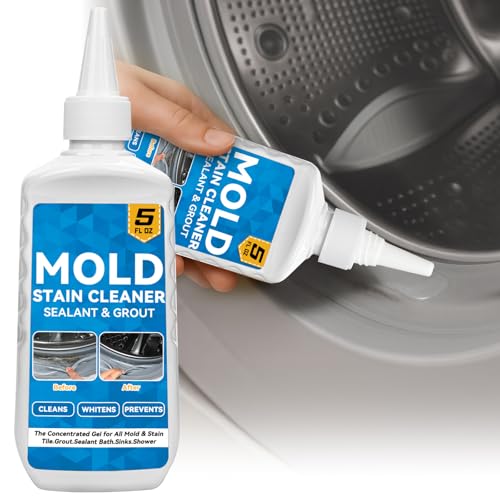
- TAR Score9.8
TAR Score is a ranking system developed by TopAppliancesReviews.com. TAR score has no relationship or impact from any manufacturers or sales agent websites. Learn more
- BrandHalldeli

- TAR Score9.2
TAR Score is a ranking system developed by TopAppliancesReviews.com. TAR score has no relationship or impact from any manufacturers or sales agent websites. Learn more
- BrandAffresh

- TAR Score9.2
TAR Score is a ranking system developed by TopAppliancesReviews.com. TAR score has no relationship or impact from any manufacturers or sales agent websites. Learn more
- BrandOxiClean

- TAR Score9.2
TAR Score is a ranking system developed by TopAppliancesReviews.com. TAR score has no relationship or impact from any manufacturers or sales agent websites. Learn more
- BrandACTIVE

- TAR Score9.2
TAR Score is a ranking system developed by TopAppliancesReviews.com. TAR score has no relationship or impact from any manufacturers or sales agent websites. Learn more
- BrandGreen Gobbler

- TAR Score9.2
TAR Score is a ranking system developed by TopAppliancesReviews.com. TAR score has no relationship or impact from any manufacturers or sales agent websites. Learn more
- BrandTide

- TAR Score9.0
TAR Score is a ranking system developed by TopAppliancesReviews.com. TAR score has no relationship or impact from any manufacturers or sales agent websites. Learn more
- BrandPalksky

- TAR Score8.2
TAR Score is a ranking system developed by TopAppliancesReviews.com. TAR score has no relationship or impact from any manufacturers or sales agent websites. Learn more
- BrandACTIVE
Last update on 2026-06-25 / Affiliate links / Images, Product Titles, and Product Highlights from Amazon Product Advertising API
How To Maintain And Clean Front Load Washer Drain Area
A sour towel smell, a random puddle near the machine, and a washer that takes forever to drain can turn laundry day into a small household drama. The frustrating part is that the mess often starts in a spot most people barely notice, the lower drain area. Keeping how to maintain and clean front load washer drain area on your routine helps stop odor buildup, slow draining, and hidden sludge before they start bossing the machine around. A little steady maintenance beats standing over a wet floor wondering where that swampy smell came from.
Drain Area Basics
The front load washer drain area usually includes the drain pump filter, the small emergency drain hose, the lower access panel, and nearby rubber seals where lint and moisture love to hide. These parts handle dirty water after every wash, so they collect detergent film, hair, pet fur, pocket debris, and loose fibers. That mixture can turn sticky fast, especially in homes that use too much detergent. Once it builds up, the washer may drain slower, smell musty, or stop mid-cycle with an error code.
A front loader uses less water than many older machines, which is helpful for utility bills but less forgiving with residue. Less water means soap concentration and grime can sit longer around the pump filter if the machine isn't cleaned regularly. That’s why a clean drain area matters more than people think. It’s not just about neatness, it’s about keeping water moving through the washer without fighting clogs.
The first warning sign is often odor, not a mechanical failure. A washer can smell like damp socks even after a fresh cycle because moisture sits behind the gasket and near the drain path. That damp pocket feeds mildew and makes clean laundry smell “almost clean,” which is honestly worse than just dirty. A quick wipe and drain check can save a lot of second washes.
Coins, collar stays, hairpins, lint clumps, and bits of tissue often land in the pump filter after sneaking through the drum. The filter is there to protect the pump, but it can’t do much if it’s packed tight with junk. Cleaning it gives the machine a clear route to push water out. That small task supports better drainage, quieter spinning, and fewer mystery puddles.
Why Front Load Washers Smell
Front load washers seal tightly, and that’s both a strength and a weakness. The tight door seal helps prevent leaks during high-speed spins, but it also traps humidity after the cycle ends. Moisture hanging around the gasket, filter door, and drain channel can create a musty odor that clings to towels and workout clothes. Leave wet laundry sitting for a few hours, and boom, the smell gets louder.
Detergent overuse is one of the sneakiest problems. More soap feels like it should mean cleaner clothes, but front loaders need a measured amount of HE detergent because they use less water. Too much detergent leaves behind residue that sticks inside the drain area and becomes food for mildew. The result is a washer that smells dirty even though it’s supposed to clean everything else.
Fabric softener can add to the mess too. It leaves a waxy film that clings to rubber, plastic, and narrow drain passages. Over time, that film grabs lint and turns into a gray, slimy buildup around the washer drain filter. It’s not pretty, but it’s common, and it’s fixable with regular cleaning.
A helpful rule from many appliance care guides is simple: keep the door open after washing so moisture can escape. That one habit supports airflow and gives the rubber gasket a chance to dry. It won’t clean a clogged filter by itself, but it slows the musty cycle down. Paired with filter cleaning, it keeps the washer from smelling like a forgotten gym bag.
Safe Prep Before Cleaning
Start with safety before touching the lower drain area. Unplug the washer or turn it off at the power source, because water and electricity are a lousy pair. Keep a shallow tray, old towels, and gloves nearby so the cleanup doesn’t become a floor-soaking mess. A small flashlight also helps because the drain filter compartment is usually tucked low and poorly lit.
Check the washer manual if the filter location isn’t obvious. Some models hide the access panel behind a small door at the lower front, while others require removing a toe-kick panel. The shape changes by brand, but the goal is the same: reach the pump filter without forcing plastic parts. Forcing the cover can crack tabs, and nobody needs another repair problem on top of a drainage issue.
Let the washer cool down if it recently ran a hot cycle. Hot water trapped inside the emergency drain hose can surprise your hands, and not in a fun way. Place towels under the access area before opening anything. That small setup helps control leftover water and keeps the laundry room from turning into a slip zone.
Use a bowl or tray that can slide under the filter area. Some front loaders hold more water than expected in the drain path, especially after a failed cycle. Draining slowly through the emergency hose, if your model has one, gives you more control. Patience matters here because rushing the filter cap can release a sudden gush of dirty water.
Step By Step Drain Cleaning
Open the lower access panel and locate the small drain hose first, if your washer includes one. Pull the hose forward, remove the cap carefully, and let water flow into the tray. This slow drain step prevents the filter cap from releasing too much water at once. Keep towels close because standing water likes to escape at the worst possible angle.
After the hose stops draining, turn the pump filter cap counterclockwise. Go slowly because trapped water may still spill out. Remove the filter and check for lint clumps, coins, hair, buttons, and any random pocket leftovers. Clean the filter with warm water and a soft brush so the mesh and grooves are clear.
Look inside the filter housing before putting everything back. A small flashlight can reveal debris sitting just behind the filter, and that hidden chunk may be the real clog. Wipe the inside carefully with a damp cloth, but don’t shove tools deep into the pump area. The goal is to remove visible gunk without damaging the drain pump impeller.
Reinstall the filter snugly, then cap the emergency hose and tuck it back into place. A loose filter cap can cause leaks during the next cycle, so check the seal before closing the panel. Run a short rinse or drain cycle while watching the lower area for drips. That quick test confirms the drain area is sealed and the washer can move water properly.
Keep Lint From Reaching The Pump
Lint control starts before water ever reaches the pump filter. Pet blankets, fuzzy towels, and old sweatshirts shed fibers that gather in the drain path over time. Shake out heavy lint items before washing, and avoid overloading the drum because packed loads rinse poorly. Better rinsing means less fiber buildup traveling toward the filter.
A hose lint filter can help in laundry setups where the washer drains into a utility sink or open standpipe arrangement. To reduce loose fibers before they clog the drainage path, compare a practical lint filter for washing machine hose that matches your hose setup. This isn’t a cure for every drain issue, but it can catch visible lint before it piles up downstream. The tradeoff is simple: you’ll need to clean or replace the filter regularly.
Overloaded wash cycles push lint and detergent residue into places they shouldn’t go. Clothes need room to tumble, rinse, and release soil properly. A stuffed drum leaves behind soap film and loose fibers that settle into the drain area. Smaller loads may feel less efficient at first, but they often prevent repeat washing and drain clogs.
Check pockets before every load, even when you’re tired and tempted to wing it. Tissues shred into white confetti, receipts turn mushy, and coins can jam the pump filter. That pocket check takes seconds but protects the pump system from unnecessary strain. Laundry has enough drama without a bobby pin taking down the drain cycle.
Detergent Habits That Prevent Sludge
Use less detergent than your instincts suggest. Front load washers need HE detergent because it creates fewer suds and rinses more cleanly in low-water cycles. Too much soap doesn’t make clothes cleaner, it leaves residue that sticks around the gasket, tub, and drain path. That residue eventually becomes the sticky sludge people find inside the filter compartment.
Measure detergent based on load size and soil level, not the size of the cap. Detergent caps often hold far more than a normal load needs, and filling to the top can cause oversudsing. Soft water needs even less detergent because soap spreads more easily. Keeping the dose modest protects drain flow and helps clothes rinse without that stiff, coated feel.
Skip frequent fabric softener if the washer already smells musty. Softener can leave a slick film inside the machine, and that film traps grime in the drain area. Vinegar should only be used if the washer manual allows it, because some manufacturers warn against certain cleaners affecting rubber parts. Safer routine habits include proper detergent dosing, wiping moisture, and running approved washer cleaner cycles.
Run a hot maintenance cycle on a regular schedule using a washer cleaner made for front loaders. This helps loosen residue inside places your hand can’t reach. It won’t replace filter cleaning, but it supports the rest of the routine. Think of it like brushing your teeth and flossing, both matter because they handle different kinds of buildup.
How To Maintain And Clean Front Load Washer Drain Area
Small drain habits can save a front load washer from bigger trouble, especially after heavy towel loads, pet bedding, or muddy clothes. A clean routine keeps water flow steady, reduces mildew odor, and helps the pump avoid unnecessary strain. The real trick is staying ahead of buildup instead of waiting for a sour smell or error code to show up. That’s where how to maintain and clean front load washer drain area becomes less of a chore and more of a smart laundry habit.
Clean The Gasket And Drain Channel
The rubber gasket catches more mess than most people expect. Water, hair, lint, detergent film, and tiny fabric fibers settle inside the folds after every cycle. Wiping this area with a damp cloth helps prevent mildew growth, musty smells, and that slimy residue that sneaks onto clean clothes. Pull the gasket folds back gently so hidden grime doesn’t get a free pass.
A soft cloth works better than aggressive scrubbing. Harsh brushes can rough up the rubber and create little grooves where grime can cling later. Use warm water and a washer-safe cleaner if the area smells stale. Keep the focus on gentle cleaning, moisture removal, and regular inspection.
Small garments can also cause drain-area headaches. Socks, underwear, and lightweight items may bunch near the gasket or slip into awkward spots during fast spins. To cut down on tangles and trapped fabric, consider a separate laundry setup like a best underwear washing machine for delicate loads that need gentler handling. That kind of separation can reduce strain on the main washer during mixed laundry days.
Leave the washer door cracked open after finishing laundry. Airflow helps the gasket dry instead of turning into a damp ring of odor. A dry gasket supports a cleaner front load washer drain area because less moisture travels toward the lower compartment. It’s a tiny habit, but it punches above its weight.
Watch For Slow Drain Warning Signs
Slow draining rarely starts as a dramatic failure. It usually shows up as wet clothes after the final spin, longer cycle times, or a faint gurgle near the drain hose. These signs often point to partial clogs, filter buildup, or too much detergent residue. Catching them early keeps the washer from working harder than it should.
Standing water inside the drum is a louder warning. That means the pump may be blocked, the drain hose may be kinked, or the filter may be packed with debris. Don’t keep restarting the cycle over and over, because that can stress the pump. Check the drain filter and hose path before assuming the machine needs a costly repair.
Odor is another clue that water isn’t leaving cleanly. If the washer smells sour after a rinse cycle, old water may be sitting near the pump filter or gasket. That trapped moisture can feed bacteria and mildew in the lower drain area. A filter cleanout and hot maintenance cycle usually help reset things.
Listen during the drain stage. A humming sound without water movement can mean the pump is trying but blocked. A rattling noise may suggest coins, buttons, or small debris inside the filter housing. These clues give you a practical starting point before panic sets in.
Control Laundry Room Moisture
A damp laundry room makes washer odors worse. Poor airflow around the machine keeps the gasket, detergent drawer, and drain compartment from drying properly. That moisture turns ordinary residue into a sticky mess faster than expected. Better ventilation supports odor control, mold prevention, and cleaner washer surfaces.
Run an exhaust fan if the laundry area feels humid after back-to-back loads. Open a nearby window when weather allows, or keep the room door open to move stale air out. Moisture control matters even more in small laundry closets. Tight spaces trap heat and humidity around the washer’s lower drain area.
Kitchen ventilation may seem unrelated, but homes with poor airflow often struggle with moisture in multiple rooms. For better whole-home air movement near cooking zones, compare a ducted 36 inch range hood if kitchen steam tends to linger. Less indoor humidity can help nearby utility spaces stay fresher too.
Wipe the washer exterior near the lower access panel after cleaning the filter. Any leftover drips can collect dust and make the area smell stale. Keep towels, cleaning cloths, and detergent bottles from blocking airflow around the machine. A little breathing room helps the washer dry out between cycles.
Build A Simple Cleaning Schedule
A realistic schedule beats a perfect plan nobody follows. Clean the drain pump filter about once a month if the washer handles towels, pet bedding, or heavy family laundry. Lighter use may need less frequent cleaning, but odor or slow draining means it’s time to check sooner. The washer usually tells on itself before things get ugly.
Wipe the gasket after every few loads. That sounds fussy, but it takes less time than rewashing sour towels. Keep a small cloth near the washer so the habit is easy to repeat. Simple access makes routine maintenance much more likely to happen.
Run a washer cleaning cycle every few weeks or according to the manual. Use a cleaner made for front load washers instead of random mixtures that may damage rubber seals. Hot water helps loosen detergent residue and flush areas your hand can’t reach. Pair that with filter cleaning for better results.
Check the drain hose every season. Look for kinks, crushing, loose connections, or lint around the outlet. A hose that sits too deep in the standpipe may also cause drainage problems. Keeping the hose positioned correctly supports smooth draining and reduces backflow risks.
Avoid Mistakes That Cause Clogs
Too much detergent is the big one. Front load washers don’t need a heavy pour, even for dirty clothes. Excess suds create residue that sticks inside the tub and drain path. Measuring detergent protects pump performance and keeps the washer from smelling like old soap.
Overloading the drum creates another mess. Clothes need space to tumble, rinse, and release dirt properly. Packed loads trap detergent and lint, then push that mixture toward the drain filter. Smaller loads can actually save time because they rinse cleaner the first time.
Ignoring pockets is a classic laundry mistake. Coins, tissues, hair ties, and small wrappers can block the pump filter or rattle around the drain housing. A quick pocket check prevents filter jams, pump noise, and surprise leaks. It’s boring, sure, but it works.
Skipping airflow after washing keeps the whole problem alive. Close the door too soon, and moisture stays trapped around the gasket and drain area. Leave the door open, dry the gasket, and empty wet clothes promptly. Those small moves keep front load washer maintenance practical instead of painful.


10 Best Quality Semi Automatic Washing Machine of 2026 For Leak-Free Laundry

11 Best Small Washer Machine of 2026 For Everyday Laundry

12 Best Vibration Pads For Washing Machine of 2026 To Stop Walking and Shaking

11 Best Selling Front Load Washing Machine of 2026 For Quiet Odor-Free Laundry

11 Best Washing Machine For King Size Bedding of 2026 To Prevent Cycle Errors

10 Best Small Front Loader Washing Machine of 2026 For Tight Closets

12 Best Side Load Washing Machine of 2026 For Low Vibration

11 Best Single Tub Washing Machine of 2026 For Apartments Without Hookups






