
How To Install And Maintain Washer Drain Filter Screen

How To Install And Maintain Washer Drain Filter Screen sounds simple at first, yet plenty of laundry setups run into annoying problems because this tiny part gets ignored. Water backing up onto the floor, funky smells drifting from the drain pipe, and mysterious lint buildup usually start with poor filtration. A clogged drain line can quietly turn laundry day into a headache nobody asked for. Small maintenance habits often save a pile of frustration later.
Washer drain filter screens help trap lint, hair, fabric fibers, and random debris before they slide deeper into the plumbing system. That matters more than people think, especially in homes where daily laundry loads stack up fast. Thick towels, pet blankets, and fuzzy fabrics leave behind more residue than expected. Without proper filtering, drain pipes gradually narrow down until water starts moving slower than molasses.
Installing a proper screen doesn’t require fancy tools or a full plumbing overhaul either. Most setups fit directly onto the drain hose or inside the standpipe with minimal effort. Still, placement matters. A poorly fitted filter screen can slip loose during heavy drain cycles, causing leaks or trapping too much debris in one spot.
Maintenance plays an even bigger role than installation. Plenty of drain filters work well during the first few weeks, then suddenly become part of the problem because nobody cleaned them. Wet lint creates a sticky mess that hardens over time, especially in humid laundry rooms. That buildup can trigger slow drainage, unpleasant odors, and extra stress on the washer pump.
Regular cleaning keeps the entire drainage system running smoother and quieter. A quick rinse every week usually prevents larger blockages from forming inside the pipe. Also, checking the filter after washing rugs, heavy sweatshirts, or pet bedding helps catch debris before it settles into stubborn clumps. Little habits like that make a noticeable difference.
Proper installation and routine care also help extend the lifespan of washing machine components. Drain pumps work harder when water struggles to pass through clogged pipes. Over time, that strain may lead to noisy operation or drainage errors that interrupt cycles halfway through. Nobody enjoys restarting a washer while standing in a puddle of murky water.
Some filter screens work better for certain laundry habits than others. Fine mesh filters trap more debris but may require frequent cleaning. Wider screens allow stronger water flow, though smaller particles might slip through. Balancing filtration and drainage speed matters more than grabbing the first option on the shelf.
How To Install And Maintain Washer Drain Filter Screen focuses on practical solutions that help prevent common laundry room issues before they spiral into costly plumbing repairs. A cleaner drain system keeps water moving properly, reduces unpleasant smells, and helps laundry equipment stay reliable through everyday use. That small screen may not look impressive, but honestly, it does a whole lot of heavy lifting behind the scenes.

- TAR Score9.4
TAR Score is a ranking system developed by TopAppliancesReviews.com. TAR score has no relationship or impact from any manufacturers or sales agent websites. Learn more
- BrandSUNHE YHK

- TAR Score9.4
TAR Score is a ranking system developed by TopAppliancesReviews.com. TAR score has no relationship or impact from any manufacturers or sales agent websites. Learn more
- BrandSUNHE YHK

- TAR Score9.4
TAR Score is a ranking system developed by TopAppliancesReviews.com. TAR score has no relationship or impact from any manufacturers or sales agent websites. Learn more
- BrandWobe
- TAR Score9.4
TAR Score is a ranking system developed by TopAppliancesReviews.com. TAR score has no relationship or impact from any manufacturers or sales agent websites. Learn more
- BrandYeasing

- TAR Score9.2
TAR Score is a ranking system developed by TopAppliancesReviews.com. TAR score has no relationship or impact from any manufacturers or sales agent websites. Learn more
- Brandsuoundey

- TAR Score9.2
TAR Score is a ranking system developed by TopAppliancesReviews.com. TAR score has no relationship or impact from any manufacturers or sales agent websites. Learn more
- BrandTechecook

- TAR Score9.2
TAR Score is a ranking system developed by TopAppliancesReviews.com. TAR score has no relationship or impact from any manufacturers or sales agent websites. Learn more
- BrandDR Quality Parts

- TAR Score8.8
TAR Score is a ranking system developed by TopAppliancesReviews.com. TAR score has no relationship or impact from any manufacturers or sales agent websites. Learn more
- BrandOpzour

- TAR Score7.4
TAR Score is a ranking system developed by TopAppliancesReviews.com. TAR score has no relationship or impact from any manufacturers or sales agent websites. Learn more
- BrandCIATBYYJ
Last update on 2026-07-13 / Affiliate links / Images, Product Titles, and Product Highlights from Amazon Product Advertising API
How To Install And Maintain Washer Drain Filter Screen
A slow washer drain never feels like a small problem once water starts gurgling, laundry smells damp, and the floor gets that suspicious wet patch near the machine. The headache usually starts with lint buildup, hair, and fabric fuzz sneaking through the drain hose over and over. That is exactly why how to install and maintain washer drain filter screen deserves more attention than it usually gets. A simple screen can help protect the drain line, reduce clogs, and keep laundry day from turning into a mop-and-bucket situation.
Drain Filter Screen Basics
A washer drain filter screen acts like a small guard between the washing machine and the drain line. It catches lint, pet hair, and loose fibers before they travel deeper into the standpipe or utility sink drain. That sounds basic, sure, but those tiny scraps can bunch together like wet cotton and slowly choke the pipe. Once the drain narrows, water has fewer places to go, and the machine may start draining louder, slower, or messier.
Most laundry clogs do not happen overnight. They build slowly through repeated loads of towels, fleece blankets, socks, bedding, and anything covered in fur. A filter screen helps interrupt that buildup by catching debris where it is easier to remove. The big benefit is easy access, because cleaning a screen is far less annoying than snaking a clogged drain line.
Different setups need different screen styles. Some homes use a hose-end lint trap, while others rely on a screen placed in or near the standpipe opening. Utility sink drains may need a mesh catcher that fits over the hose discharge area. The right fit matters because a loose screen can slip off during a heavy drain cycle and create a whole new mess.
A drain filter screen is not a magic shield, though. Fine detergent residue, greasy soil, and mineral buildup can still cling to pipes over time. That is why routine cleaning and proper installation matter as much as the screen itself. Skip maintenance, and the filter can become the clog instead of preventing one.
Pick The Right Screen
Choosing the right screen starts with the drain setup, not the shelf label. A washing machine draining into a standpipe needs a screen that allows strong water flow without popping loose. A machine draining into a utility sink may work better with a larger mesh catcher that can handle sudden water discharge. The goal is simple: catch debris without slowing the washer’s drain cycle too much.
Fine mesh catches smaller fibers, which helps with lint-heavy laundry. The tradeoff is more frequent cleaning, especially after towels, pet bedding, or fuzzy robes. Wider mesh lets water move faster, but tiny particles may slip through. There is no one-size-fits-all answer, so the best screen depends on laundry habits, drain age, and how often the washer runs.
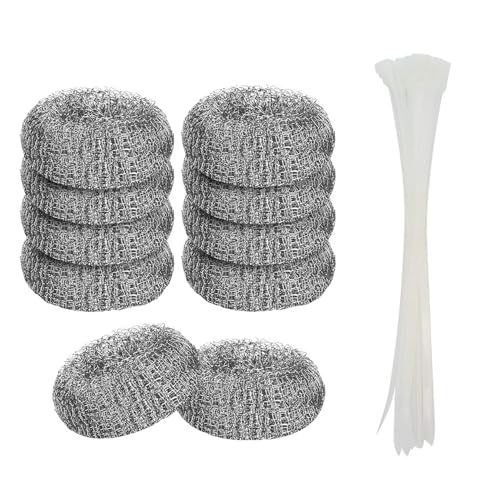
Material also matters. Stainless steel screens usually hold their shape better than thin plastic pieces, especially in busy laundry rooms. Nylon mesh can work well for hose-end traps, but it may stretch, clog, or tear if ignored too long. A sturdy screen should feel firm enough to stay put while still being easy to rinse clean.
Fit should never feel like guesswork. Measure the drain hose diameter and check how the hose sits in the standpipe or sink. A screen that squeezes too tightly can restrict drainage, while one that hangs loosely can fall off mid-cycle. Secure placement keeps the filter doing its job without causing leaks, splashback, or washer error codes.
Prepare The Washer Area
Preparation keeps this little job from getting messy fast. Move the washer carefully enough to reach the drain hose without stretching water lines or power cords. Keep a towel nearby because leftover water often sits inside the hose even after the machine has finished draining. A shallow pan or small bucket helps catch drips before they sneak under the appliance.
Unplugging the washer is a smart move before touching anything behind it. Water and electricity are not exactly best buddies. Shut off the water supply if the machine needs to be moved more than a few inches. That extra step protects the hoses and gives you room to work without tugging on connections.
Check the drain hose before adding the screen. Cracks, soft spots, kinks, and loose clamps can make drainage problems worse, even with a good filter installed. A screen cannot fix a hose that is collapsing or leaking behind the machine. Hose condition is part of the whole drainage picture, not a side detail.
Look at the standpipe or sink drain too. A pipe with standing water, sour odors, or visible sludge may already have buildup inside. In that case, a filter screen helps prevent more debris from entering, but it will not instantly clear the old blockage. For odor issues around the washer, reduce smell at the source with mold and mildew remover so the filter screen is not fighting damp residue alone.
Install The Screen Properly
Start by removing the washer drain hose from the standpipe or sink area with a steady hand. Hold the hose upright if possible, since trapped water can spill out quickly. Slide or attach the filter screen according to its design, making sure the mesh covers the discharge path without blocking it completely. The screen should feel secure, centered, and easy to remove for cleaning.
For hose-end screens, fit the mesh over the end of the drain hose and secure it with the supplied band, clamp, or tie. Do not cinch it so tightly that it pinches the hose opening. Water needs room to rush out during the drain cycle. A tight, crushed opening can cause slow drainage and may trigger washer drain errors.
For standpipe screens, place the screen where debris can collect without falling deep into the pipe. The hose still needs to sit properly in the standpipe with enough air gap to prevent siphoning issues. Never shove the hose too far down into the pipe just to hold the screen in place. Proper airflow and stable hose placement both matter for safe draining.
Run a rinse or drain cycle after installation while watching the hose area. Listen for gurgling, look for splashing, and check whether the screen balloons or shifts under pressure. A small adjustment now can prevent a wet floor later. If the washer drains smoothly and the screen stays in place, the setup is off to a solid start.
Clean It Before It Clogs
A drain filter screen needs regular cleaning because it catches exactly what would have clogged the pipe. That means lint, hair, thread, soap film, and tiny scraps of fabric will collect on the mesh. After a few loads, the screen can look like a gray little sweater. Cleaning frequency depends on load size, fabric type, and how much pet hair or heavy lint moves through the washer.
Weekly cleaning works well for many homes, but busy laundry routines may need more attention. Towels, fleece, microfiber cloths, and pet blankets can fill a screen faster than regular clothes. Pull the screen off gently, rinse it under warm water, and rub away stuck lint with your fingers or a soft brush. Avoid harsh scraping because damaged mesh can lose its shape and let debris escape.
Odor is a useful warning sign. A dirty screen can trap wet lint long enough to smell sour, especially in warm or poorly ventilated laundry rooms. If the area smells musty after washing, check the screen before blaming the whole washer. Wet debris sitting on the mesh can hold moisture and feed that stale laundry-room smell.
Washer performance gives clues too. Slow draining, odd gurgling, water left in the drum, or repeated drain pauses can point to a clogged screen. Clean it first before assuming the pump has failed. For homes comparing appliance setups or planning a replacement, compare daily-use features with washing machine for domestic purpose so drainage access and maintenance do not get overlooked.
Watch For Drainage Warning Signs
Drainage problems usually send little signals before the big mess arrives. A washer may take longer to empty, pause during the spin cycle, or leave clothes wetter than normal. Those signs often connect to restricted water flow somewhere between the drum and the drain. The filter screen is the easiest place to check first because it is meant to catch debris.
Gurgling sounds from the standpipe deserve attention. That noise can mean air is struggling to move through the pipe as water drains. A clogged screen, kinked hose, or partly blocked standpipe may all create that same awkward sound. The fix may be as simple as cleaning the screen and straightening the hose.
Splashback near the standpipe can happen when water exits the hose faster than the pipe can accept it. A screen packed with lint may redirect water in weird ways, especially if it sits crooked. Wipe the area dry, run a short drain cycle, and watch the exact spot where water appears. Visible leaks make diagnosis easier than guessing after the floor is already soaked.
Bad smells should not be ignored either. Damp lint, detergent film, and standing water can create a musty odor that drifts into nearby rooms. Separately, if laundry humidity makes the larger room feel stale, improve air movement with air purifier for large open space while keeping the drain screen clean. Odor control works best when debris removal and air freshness support each other.
Build A Maintenance Rhythm That Sticks
Washer drain filter screen maintenance works best when it becomes part of the laundry routine instead of a random rescue job. The screen should be checked after lint-heavy loads, especially towels, fleece, pet bedding, and thick cotton blankets. Big loads shed more fibers, and that debris can mat together fast once it gets wet. For oversized laundry days, compare washer capacity and drainage demands with washing machine for king size bedding so bulky loads do not overwhelm the drain setup.
A simple weekly rinse keeps most filter screens from turning into a stubborn gray plug. Pull the screen off gently, remove the lint by hand, and rinse the mesh with warm water until the flow looks clear again. A soft toothbrush helps loosen sticky residue without tearing the screen. The key is consistent cleaning, not aggressive scrubbing.
Some laundry rooms need more frequent checks because the washer handles dirtier items. Work uniforms, pet covers, bath mats, and microfiber cloths can dump a surprising amount of debris into the drain hose. After those loads, the screen deserves a quick look before the next cycle starts. That small pause helps protect water flow, drain speed, and pump performance.
Skipping the screen for weeks is where trouble starts. Wet lint dries, hardens, and turns into a crusty layer that clings to the mesh. Then the washer pushes water against a blocked screen, which may cause splashing, gurgling, or slow draining. A clean screen keeps the job boring, and honestly, boring is exactly what a laundry drain should be.
Clean The Screen Without Damaging It
Gentle cleaning protects the screen better than rough handling. Many drain screens are made from fine mesh, and that mesh can stretch or tear if pulled too hard. Hold the frame or secured edge instead of yanking the center of the screen. A damaged screen may look fine at a glance, but tiny openings can let lint pass straight through.
Warm water usually handles fresh lint and soft residue. If the screen feels greasy from detergent film or fabric softener buildup, soak it in a small bowl with warm water and mild dish soap. Let it sit for a few minutes, then brush lightly until the mesh opens back up. Strong chemicals are rarely needed and may weaken cheaper materials over time.
Avoid pushing debris deeper into the mesh. Brush from the outside surface toward the direction that releases the lint naturally. Rinse both sides until water moves through evenly. That even flow tells you the filter screen is clean enough to return to the drain hose or standpipe area.
Let the screen drip dry for a moment before reinstalling it. A little moisture is fine, but clumps of wet lint left behind will smell sour later. Check the attachment band, clamp, or tie while the screen is off. A filter that cannot stay secured during a drain cycle becomes a leak risk instead of a plumbing helper.
Keep Odors From Coming Back
Drain odors often start with trapped lint, but they rarely stop there. Detergent residue, body oils, soil, and damp fabric fibers can create a sticky film inside the screen and hose end. Once that film sits in a warm laundry room, it can smell musty fast. Cleaning the screen removes the easy fuel before odor spreads deeper into the drain system.
The washer door and detergent drawer also play a role. Leaving the door cracked after laundry helps moisture escape instead of sitting inside the drum. Wiping the rubber gasket on front-load machines helps remove grime before it slides into the drainage path. These small habits support the drain filter screen by reducing the mess it has to catch.
Ventilation matters more than people give it credit for. A laundry corner with trapped humidity can make lint stay damp longer, which makes odor control harder. Cooking steam, bathroom moisture, and laundry humidity can all collect in nearby open spaces. For homes dealing with lingering household air problems, improve airflow planning alongside moisture control with home range hoods so damp indoor air does not keep feeding stale smells.
Bleach should not be the automatic answer every time the washer smells off. It can help in certain cleaning cycles, but it does not remove every lint clump sitting on a filter screen. Start with the physical blockage first, then deal with the washer tub or hose if odors remain. Remove debris first, because fragrance and cleaners cannot fix a clogged mesh.
Match The Screen To Real Laundry Habits
Good filtration depends on how the washer is actually used. A quiet household washing light clothing twice a week may not need the same screen style as a busy home running daily loads of towels, bedding, and pet blankets. Fine mesh catches more debris, but it also asks for more attention. Wider mesh gives better flow, though it may let smaller fibers slip by.
Heavy laundry routines need a screen that can handle sudden water discharge. Some washers empty fast, and that water pressure can balloon weak mesh or knock loose fittings out of place. A stronger hose-end trap or well-secured screen is safer in that situation. The filter should support fast drainage without turning the drain hose into a pressure point.
Pet hair changes the whole picture. Hair wraps around lint and forms stubborn little ropes that cling to mesh. Brushing pets, shaking blankets outside, and using washer-safe hair-catching helpers can reduce the load on the drain screen. Still, the screen should be checked more often because pet debris builds up quicker than normal clothing lint.
Hard water can make maintenance trickier too. Mineral deposits may cling to the screen and make the mesh feel rough or chalky. A vinegar soak can help loosen mild mineral film, but the screen should be rinsed well before reinstalling. If buildup returns quickly, the drain system may need broader attention beyond the filter screen.
Fix Common Installation Mistakes
Poor placement causes many filter screen problems. Some screens sit too deep in the standpipe, where they are hard to remove and easy to forget. Others sit loosely on the hose end and shift during the first strong drain cycle. A proper setup keeps the screen accessible, stable, and clear enough for water to move freely.
Do not tape the hose and screen into a sealed bundle. The drain area needs airflow to prevent siphoning and support proper water movement. A tight seal may look tidy, but it can create drainage behavior that feels random and frustrating. The screen should filter debris, not turn the standpipe into a closed pressure chamber.
Another common mistake is using a screen that is too fine for a high-flow washer. The mesh may catch debris well, but water can back up if the screen clogs halfway through a cycle. That is especially risky with large loads that release lint quickly. Flow balance matters as much as filtration strength.
Watch the first few drain cycles after any installation change. Look for splashing, hose movement, slow draining, or water collecting around the standpipe. Those clues tell you whether the screen is working with the washer or fighting against it. Fixing small setup issues early keeps the laundry room dry and the washer less stressed.
Know When To Replace The Screen
Replacement becomes necessary once the screen loses shape, tears, rusts, or refuses to stay clean. A stretched mesh may leave gaps around the hose opening, letting lint sneak past. A rusty screen can stain nearby surfaces or break apart during cleaning. Once the screen stops holding its form, it is no longer doing its job reliably.
Frequent clogging can also mean the screen is the wrong match. If it blocks water after just one or two normal loads, the mesh may be too fine for the washer’s drain speed. Switching to a slightly wider mesh can improve water movement while still catching larger lint clumps. The best choice protects drain performance without demanding constant babysitting.
Keep a spare screen nearby if laundry runs often. That way, one screen can dry fully after cleaning while the other stays installed. This simple swap helps reduce odor and keeps maintenance from feeling like a chore. It also prevents rushed reinstallations, which often lead to loose fittings and small leaks.
A filter screen is cheap compared with a clogged drain repair or a strained washer pump. Still, it only helps when it stays clean, secure, and matched to the laundry load. Check it often, clean it gently, and replace it before it falls apart. Reliable drainage comes from small habits repeated before the problem gets loud.


10 Best Quality Semi Automatic Washing Machine of 2026 For Leak-Free Laundry

11 Best Small Washer Machine of 2026 For Everyday Laundry

12 Best Vibration Pads For Washing Machine of 2026 To Stop Walking and Shaking

11 Best Selling Front Load Washing Machine of 2026 For Quiet Odor-Free Laundry

11 Best Washing Machine For King Size Bedding of 2026 To Prevent Cycle Errors

10 Best Small Front Loader Washing Machine of 2026 For Tight Closets

12 Best Side Load Washing Machine of 2026 For Low Vibration

11 Best Single Tub Washing Machine of 2026 For Apartments Without Hookups






