
How To Fix Washer Drain Hose Kink or Bend Issue Fast

How to fix washer drain hose kink or bend issue sounds simple at first glance, yet plenty of laundry rooms turn into a headache because of one twisted hose hiding behind the machine. Water drains slowly. The washer hums like it’s trying way too hard. Then suddenly, puddles creep across the floor, and yeah, that’s usually the moment people realize something’s off. A bent drain hose can choke water flow, force the pump to work harder, and leave clothing sitting in dirty water longer than it should.
Tight laundry spaces make this problem sneak up fast. Washers often get shoved too close to the wall during cleaning, moving day, or even after grabbing a dropped sock. That pressure crushes the hose little by little until the drainage starts acting weird. Some hoses also soften over time from heat and constant moisture, which makes sharp folds easier to form. A quick visual inspection behind the washer usually reveals the culprit, though pulling the appliance out safely matters more than people expect.
Drainage performance depends heavily on proper hose positioning, not just the washer itself. A hose with smooth curves allows wastewater to move freely without resistance or backups. Sharp bends interrupt that flow and can even trap lint or debris inside the tubing. Before replacing expensive parts or assuming the drain pump failed, checking the hose shape often saves both money and frustration.
Flexible drain hoses aren’t invincible either. Cheap materials crack faster, especially in humid laundry rooms or garages with fluctuating temperatures. Older hoses sometimes stay pinched even after being straightened, which means the internal structure already weakened. Replacing a damaged hose may be the smarter move if the bends keep returning. Small warning signs like unusual gurgling sounds or lingering water inside the drum shouldn’t get ignored.
How to fix washer drain hose kink or bend issue also involves preventing the same mess from happening again. Leaving enough clearance between the wall and the appliance helps reduce unnecessary pressure on the hose. Support brackets or curved hose guides can keep the tubing aligned instead of folding awkwardly behind the machine. Little adjustments like these don’t look flashy, but honestly, they can prevent repeat drainage problems that quietly build over months.
Some laundry setups create extra strain because of awkward plumbing height or cramped corners. In those situations, longer hoses or reinforced anti-kink models usually perform better than thin standard tubing. The difference becomes obvious during heavy wash cycles where large water volumes drain quickly. Stable water flow keeps the washer running smoother and reduces stress on the drain pump over time.
Washer maintenance rarely gets attention until something leaks, overflows, or smells funky. Still, checking the hose condition every few months can prevent bigger repair bills later on. A few minutes spent inspecting bends, blockages, or loose connections often keeps the entire drainage system working properly. Nobody wants a laundry room disaster right before a busy week, especially from a problem hiding in plain sight.
- TAR Score9.2
TAR Score is a ranking system developed by TopAppliancesReviews.com. TAR score has no relationship or impact from any manufacturers or sales agent websites. Learn more
- BrandYYST

- TAR Score9.0
TAR Score is a ranking system developed by TopAppliancesReviews.com. TAR score has no relationship or impact from any manufacturers or sales agent websites. Learn more
- BrandDLHMBOQ
- TAR Score8.8
TAR Score is a ranking system developed by TopAppliancesReviews.com. TAR score has no relationship or impact from any manufacturers or sales agent websites. Learn more
- BrandPink Cross

- TAR Score8.8
TAR Score is a ranking system developed by TopAppliancesReviews.com. TAR score has no relationship or impact from any manufacturers or sales agent websites. Learn more
- BrandAhuliao

- TAR Score8.8
TAR Score is a ranking system developed by TopAppliancesReviews.com. TAR score has no relationship or impact from any manufacturers or sales agent websites. Learn more
- BrandAlocs

- TAR Score8.6
TAR Score is a ranking system developed by TopAppliancesReviews.com. TAR score has no relationship or impact from any manufacturers or sales agent websites. Learn more
- BrandJmlwlzx
- TAR Score8.2
TAR Score is a ranking system developed by TopAppliancesReviews.com. TAR score has no relationship or impact from any manufacturers or sales agent websites. Learn more
- BrandHonoson

- TAR Score5.2
TAR Score is a ranking system developed by TopAppliancesReviews.com. TAR score has no relationship or impact from any manufacturers or sales agent websites. Learn more
- BrandWHYHKJ
Last update on 2026-06-25 / Affiliate links / Images, Product Titles, and Product Highlights from Amazon Product Advertising API
How To Fix Washer Drain Hose Kink Or Bend Issue
A washer that drains slowly can turn a normal laundry day into a soggy little mess. The drum sits full of murky water, the spin cycle sounds strained, and the floor starts looking suspiciously damp near the back corner. That’s where how to fix washer drain hose kink or bend issue matters, because a simple fold in the hose can block water flow harder than most people expect. A clear drain path, proper hose spacing, and safe washer placement can often solve the problem before it turns into a pump repair.
Why A Bent Drain Hose Causes Trouble
A washer drain hose needs a smooth path to move dirty water out of the machine. A sharp bend squeezes that path and creates water resistance, which makes the washer work harder during the drain cycle. The machine may still drain a little, so the problem can sneak around quietly for a while. That half-working behavior is exactly why drain hose kinks get missed until clothes come out wetter than they should.
The drain pump isn’t built to fight a crushed hose every week. It pushes water out, but a tight bend forces pressure back toward the washer and can leave standing water inside the tub. That’s bad news for towels, jeans, and anything that already holds moisture like a sponge. Over time, the extra strain can make the pump sound louder, cycle longer, or shut down before the washer finishes properly.
Small laundry rooms make this issue more common than people think. A washer shoved too close to the wall can press the hose into a flat spot, especially after the machine vibrates through heavy loads. That hidden pressure can create slow draining, backups, and annoying gurgling at the standpipe. To keep laundry care from adding more residue problems, compare smarter wash habits with detergent for top load washing machine and match the detergent amount to the washer style.
A kink also traps lint, hair, and leftover detergent film inside the hose. Once that buildup settles into the folded section, water has even less room to pass through. The washer may act fine during small loads, then struggle badly with bulky bedding or towels. That on-and-off pattern points toward a restricted hose rather than a completely failed drain system.
Spot The Warning Signs Early
Slow drainage is the big red flag, but it’s not the only one. A washer with a kinked hose may leave clothes heavy, dripping, or oddly soapy after the final spin. You might hear gurgling sounds near the drain pipe or notice the washer pausing longer than usual before spinning. Those little clues deserve attention because poor water flow rarely fixes itself.
Leaks near the back of the washer can also point to a bend or pinch. Water may push against the restricted section and escape from a loose clamp, cracked hose, or poorly seated connection. A small puddle doesn’t always mean the washer is dying, so don’t panic right away. Check the hose shape, connection points, and wall clearance before assuming the worst.
Odor is another sneaky sign. Water stuck in the hose can hold lint, detergent residue, and grime, which creates that stale laundry smell nobody wants near clean clothes. Delicate items can suffer even more because extra moisture and long drain cycles are rough on fragile fibers. For gentle fabric care outside this hose fix, upgrade laundry planning with washing machine for silk so soft garments don’t get punished by the wrong cycle setup.
Error codes may appear on some washers if drainage takes too long. Different brands use different codes, but the story is usually similar: the machine expected water to leave faster than it did. A kinked drain hose can trigger that warning without any major internal failure. That’s why checking the hose first is a smart, low-cost move before calling for service.
Pull The Washer Out Safely
Start with safety before grabbing the hose. Turn off the washer, unplug it, and clear anything sitting on top so nothing falls while you move the machine. A washer is heavy and awkward, so slow movement beats yanking it forward in a rush. Protecting the floor with a towel or thin board helps prevent scratches, drag marks, and surprise scuffs.
Pull the washer straight out just enough to see behind it. Too much force can stretch the drain hose, loosen the water supply lines, or tug on the power cord. Keep the movement controlled and watch how the hose shifts as the washer moves. That moment often reveals the real problem, especially if the hose was crushed between the machine and wall.
Look for flattened spots, sharp turns, twists, or places where the hose bends like a folded straw. A healthy hose should curve gently without pinched sections. If it springs back after you adjust it, that’s a good sign. If it stays dented, cracked, or collapsed, the hose structure may already be weakened.
Good lighting makes the inspection much easier. A small flashlight helps spot damage near the clamp, standpipe, or back panel connection. Don’t forget to check behind laundry baskets, shelves, or tight corners where the hose may be rubbing. A clear view helps you fix drain restriction without guessing.
Straighten The Hose Without Causing Damage
Gently work the kink out by guiding the hose into a wider curve. Avoid bending it sharply in the opposite direction because that can split older rubber or plastic. The goal is a smooth arc, not a perfectly straight line. Gentle curves protect water flow while still giving the washer room to vibrate during spin cycles.
Check the hose length after straightening it. A hose that’s too short may pull tight whenever the washer shifts, while a hose that’s too long may loop awkwardly and fold behind the appliance. Both situations can create repeat drainage issues. The sweet spot is enough length for movement without leaving messy loops that collapse under pressure.
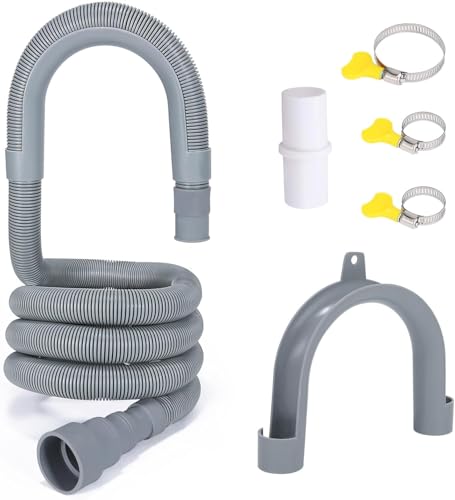
The standpipe end matters too. The hose should sit securely in the drain opening without being shoved too far down. If it sits too deep, it can cause siphoning or drainage weirdness, depending on the setup. A proper hose guide or curved holder helps keep alignment, air gap, and stable drainage in better shape.
After adjusting the hose, slide the washer back with patience. Leave a few inches of space so the hose doesn’t get smashed again the second the machine touches the wall. That clearance may feel annoying in a cramped laundry nook, but it’s better than repeating the same problem next week. Wall spacing is one of the cheapest fixes for a stubborn drain hose bend.
Test Drain Flow The Right Way
Run a short rinse and drain cycle after the hose is repositioned. Stay nearby and watch the back of the washer instead of walking away. Listen for smooth water movement, normal pump sound, and no gurgling near the standpipe. A successful test should show faster draining, less strain, and no leaks around the hose ends.
Don’t use a huge load for the first test. A smaller cycle makes it easier to spot whether the hose adjustment helped without risking another overflow. If water leaves the tub cleanly, try a normal load next. That step-by-step approach keeps the fix practical and avoids turning one kink into a full laundry room cleanup.
Check the hose again after the washer spins. Vibration can shift the appliance slightly, especially on uneven floors. If the hose folds back into the same bad shape, the setup needs better support or more clearance. A repeating kink usually means the hose path is wrong, not that the first adjustment failed.
Odors may linger if old water sat in the hose for a while. Wipe the area, let the laundry space air out, and keep the back of the washer dry after testing. If food smells or household odors make the laundry area feel stale too, freshen nearby airflow with air purifier for food odors so the room doesn’t trap every unpleasant smell. Clean drainage and better air movement both make the laundry corner feel less like a forgotten utility closet.
How To Prevent Washer Drain Hose Kinks From Coming Back
A quick straighten-out can fix the immediate draining problem, but repeat hose kinks usually mean the washer setup needs a better plan. The hose might be too long, too short, too soft, or trapped behind the machine at a bad angle. A washer can also shift during spin cycles, slowly pushing the hose into the wall again. Prevention matters because one hidden bend can bring back slow draining, wet clothes, and that annoying leftover water smell.
Give The Hose Room To Breathe
The space behind the washer looks like wasted room until the drain hose gets crushed. A few extra inches can protect the hose from flattening against the wall, especially during heavy spin cycles. Tight corners create pressure points where the hose folds instead of curving naturally. A clean, open path helps washer drainage stay steady without making the pump fight through a pinched line.
Slide the washer back slowly after fixing the hose, then stop before the back panel presses against the tubing. That little gap may not look pretty in a small laundry nook, but it keeps the hose from folding like a bent straw. A washer pan, wall trim, or nearby shelf can also change the hose angle, so check the whole path. Clearance, hose shape, and drain height all work together.
Large loads can shake the washer harder and nudge it backward over time. Towels, bedding, and jeans are the usual troublemakers because they get heavy once soaked. Rebalancing the washer feet can reduce walking and vibration, which keeps the hose from being pushed into a tight bend. A stable machine protects both water flow and hose alignment.
Clean laundry habits help too, especially if residue keeps building inside the drain line. To reduce extra suds and film in top-load washers, choose a better wash match with detergent for top load washing machine so drainage stays cleaner after each cycle. Too much detergent can leave sticky buildup that clings inside a kinked section. Less residue means fewer clogs hiding behind a simple bend.
Use The Right Hose Support
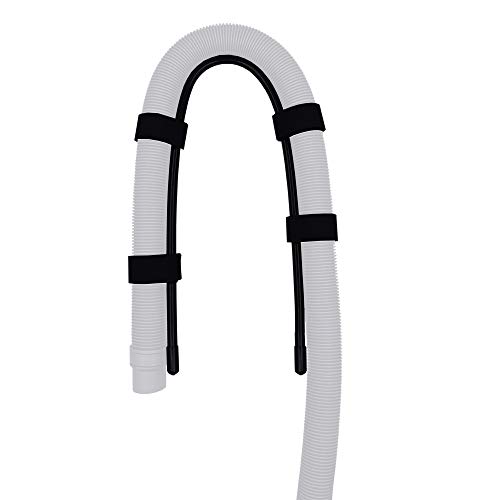
A hose guide can make a bigger difference than people expect. It holds the drain hose in a smooth curve instead of letting it collapse near the standpipe. That steady shape protects the hose from sharp bends, especially where the hose exits the washer or drops into the drain. A simple support piece can stop the same drainage headache from circling back.
Zip ties can help, but they need a light touch. Pulling them too tight can pinch the hose and create the exact problem they were meant to prevent. Soft straps or loose clips usually work better because they guide the hose without squeezing it. The goal is support, not strangling the drain line.
Some hoses need a wall-mounted clip to keep the curve steady. This helps in laundry closets where the hose gets crowded by supply lines, dryer vents, or storage bins. A hose that swings freely can twist during washer movement, especially if the drain pipe sits off to one side. A fixed path gives wastewater a cleaner exit route.
A reinforced anti-kink hose may be worth using if the old hose keeps folding after every adjustment. Cheap hoses can soften, flatten, or hold a permanent crease after years of heat and moisture. A reinforced hose still needs proper placement, though, because even sturdy tubing can fail if it’s jammed against the wall. Material strength helps, but good routing does the heavy lifting.
Know When The Hose Needs Replacing
A hose that stays flattened after you straighten it has probably lost its shape. That damage can restrict water even when the outside looks mostly fine. Cracks, white stress marks, brittle spots, or bulging sections are also signs that the hose has had enough. Replacing it is often cheaper than dealing with water leaks, floor damage, or a tired drain pump.
Old hoses can hide grime inside the folds. If a kink trapped dirty water for weeks, the inside may hold lint, detergent film, and sour-smelling residue. Flushing the hose might help for a short while, but a badly creased hose can collect buildup again fast. A fresh hose gives the washer a cleaner path and makes drain performance easier to trust.
Measure before buying a replacement. A hose that’s too short pulls tight and strains the connection, while one that’s too long can loop behind the washer and kink again. Match the washer’s connection size and follow the machine’s drain height requirements. Proper length prevents awkward bends and keeps the installation from turning into a guessing game.
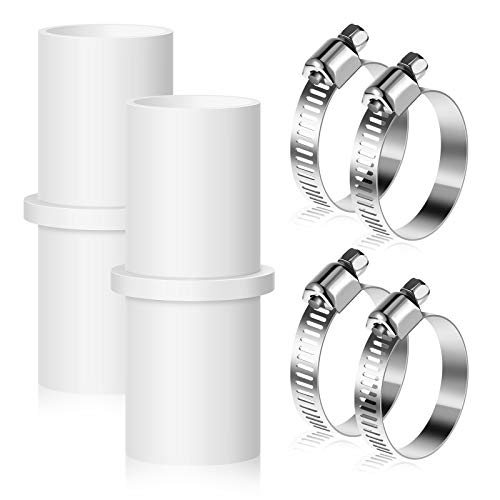
Clamps matter as much as the hose itself. A loose clamp can leak during draining, while an overtightened clamp can crush the hose end. Tighten it until secure, then run a test cycle and watch for drips. Firm connections, smooth routing, and steady drain flow are the three things to check before pushing the washer back.
Check The Drain Pipe And Laundry Area
A straight hose won’t solve everything if the standpipe is clogged or poorly positioned. Water needs room to leave the hose and move through the home’s drain system. If the pipe gurgles, backs up, or smells rough, the restriction may sit beyond the washer hose. That’s where drain pipe condition becomes part of the same problem.
Lint and detergent film can collect near the standpipe opening, especially after years of washing heavy fabrics. Pull the hose out carefully and look for visible buildup around the pipe entrance. Don’t shove the hose too deep because that can create siphoning issues or block airflow. A proper air gap helps wastewater movement stay more predictable.
Laundry rooms near kitchens or shared utility spaces can hold odors from several sources, not just the washer. Grease, food smells, damp towels, and trapped humidity can mix into one stale cloud. To improve nearby airflow away from the laundry corner, compare ventilation help with 36 chimney range hoods for stronger kitchen odor control. Cleaner surrounding air makes washer odors easier to spot instead of blaming every smell on the drain hose.
Keep storage away from the drain hose path. Laundry baskets, mop handles, folded drying racks, and bulk detergent jugs can press against the hose without anyone noticing. A small shelf adjustment can save the hose from another awkward bend. Open space behind and beside the washer keeps drainage problems from hiding in plain sight.
Build A Simple Maintenance Habit
A drain hose check doesn’t need to become a weekend project. Once every few months, peek behind the washer and look for bends, cracks, damp spots, or hose movement. That small habit catches problems before they turn into soaked floors or musty laundry. Routine inspection is boring, sure, but it beats cleaning up water at midnight.
Run a quick drain test after moving the washer for cleaning, painting, flooring work, or appliance repairs. Most kinks happen after the machine gets shifted and pushed back too quickly. Watch the hose as the washer returns to its spot, then confirm it still has a gentle curve. Post-move checks prevent fresh bends from becoming long-term drainage issues.
Listen to the machine during the drain cycle. A healthy drain usually sounds steady, while a struggling setup may hum, pause, gurgle, or drain in weak bursts. Noise alone doesn’t prove the hose is kinked, but it gives you a reason to inspect before parts wear down. Your ears can catch pump strain before the floor catches water.
Keep the washer level and avoid overloading it. Heavy, unbalanced loads shake the appliance harder and can shift the hose into a bad angle again. Use load sizes that allow water and clothes to move properly during the cycle. Balanced washing, safe hose routing, and clear drain space make the fix last much longer.


10 Best Quality Semi Automatic Washing Machine of 2026 For Leak-Free Laundry

11 Best Small Washer Machine of 2026 For Everyday Laundry

12 Best Vibration Pads For Washing Machine of 2026 To Stop Walking and Shaking

11 Best Selling Front Load Washing Machine of 2026 For Quiet Odor-Free Laundry

11 Best Washing Machine For King Size Bedding of 2026 To Prevent Cycle Errors

10 Best Small Front Loader Washing Machine of 2026 For Tight Closets

12 Best Side Load Washing Machine of 2026 For Low Vibration

11 Best Single Tub Washing Machine of 2026 For Apartments Without Hookups






