
How to Fix UB Error on Samsung Washer Fast

How to fix UB error on Samsung washer keeps popping up for one frustrating reason: the machine thinks the drum has lost balance during the spin cycle. One minute the laundry sounds normal, then bam, the washer starts thumping like a pair of sneakers trapped inside a dryer. Loads stop halfway through. Wet clothes pile up. Suddenly, a quick wash turns into a headache nobody signed up for. That annoying UB code usually points toward uneven loads, unstable flooring, overloaded bedding, or worn suspension parts that can’t steady the drum anymore.
Small laundry habits often trigger bigger washer problems than people expect. Heavy towels clumped on one side, soaked comforters twisting into a knot, or even a few lightweight shirts spinning alone can throw the drum completely off balance. Samsung washers are sensitive to uneven movement because the sensors are designed to prevent internal damage. That’s actually a good thing, but wow, it can feel irritating when the machine refuses to finish a cycle over one bulky blanket. A few simple adjustments usually calm things down before the issue snowballs into expensive repairs.
Floor stability plays a sneaky role too. A washer sitting unevenly on tile, laminate, or slightly warped flooring may wobble during high-speed spins even if the load itself looks balanced. Loose leveling legs create constant vibration, which confuses the washer’s balance detection system. Some people keep restarting the cycle over and over, hoping the error magically disappears. That rarely works for long because the root problem still sits there waiting to trigger another shutdown.
How to fix UB error on Samsung washer also involves checking mechanical wear that builds quietly over time. Suspension rods weaken. Shock absorbers lose tension. Drum bearings start producing louder rumbling noises. Those parts don’t usually fail overnight, but once the washer starts shaking harder than normal, the UB code may appear more frequently. Ignoring those warning signs can eventually stress the motor and internal drum assembly, especially during larger loads.
Most people just want their washer to stop dancing across the laundry room floor and finish a cycle without babysitting it every ten minutes. That’s fair. A stable machine should spin smoothly, drain properly, and avoid sounding like construction work inside the house. Practical troubleshooting makes a massive difference here. Redistributing clothes, reducing oversized loads, leveling the washer, and inspecting worn suspension components often solve the issue faster than expected.
Samsung washer UB error problems can feel random at first, yet patterns usually appear after a little observation. Maybe the washer struggles only with blankets. Maybe spin cycles become noisy during heavier loads. Maybe the machine vibrates hard near the final rinse stage. Those clues matter because they point toward specific causes instead of vague guesswork. A washer that runs smoothly during smaller cycles but shakes during bulky loads usually needs balancing corrections rather than full replacement parts.
Laundry routines get smoother once the washer operates without violent vibration or repeated shutdowns. Nobody wants to rewash soaked clothes after midnight because the spin cycle failed again. Practical fixes save time, reduce stress, and help prevent long-term wear on the appliance. A few adjustments today can spare the frustration of costly repairs later, especially with high-efficiency washers that rely heavily on balance sensors for safe operation.
- TAR Score10.0
TAR Score is a ranking system developed by TopAppliancesReviews.com. TAR score has no relationship or impact from any manufacturers or sales agent websites. Learn more
- BrandLAGALO

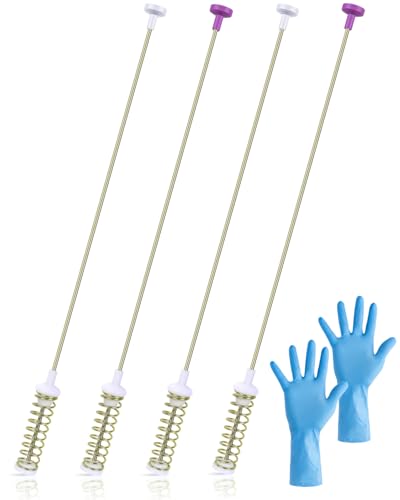
【2025 Upgraded】DC97-16350U DC97-16350V DC97-16350T Washer Suspension Rods for Samsung WA50R5200AW/US
View on Amazon- TAR Score10.0
TAR Score is a ranking system developed by TopAppliancesReviews.com. TAR score has no relationship or impact from any manufacturers or sales agent websites. Learn more
- BrandKeptwell

Upgrade DC97-16350U DC97-16350T Washer Suspension Rods for SAMSUNG WA50R5200AW/US, WA50R5400AV/US
View on Amazon- TAR Score9.6
TAR Score is a ranking system developed by TopAppliancesReviews.com. TAR score has no relationship or impact from any manufacturers or sales agent websites. Learn more
- BrandVypart
- TAR Score9.6
TAR Score is a ranking system developed by TopAppliancesReviews.com. TAR score has no relationship or impact from any manufacturers or sales agent websites. Learn more
- BrandVNAF93

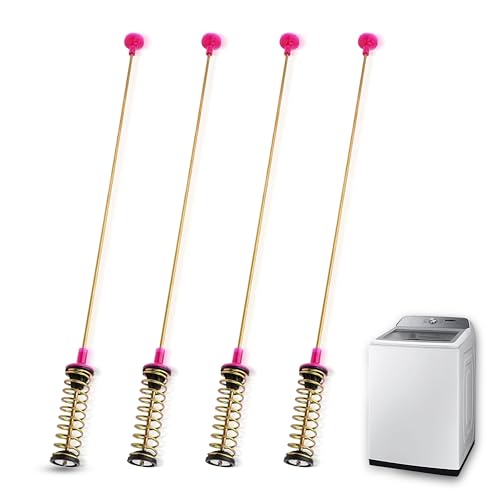
DC97-16350V Washer Suspension Rods(27.6in) for samsung Washer, Replacement for samsung
View on Amazon- TAR Score9.2
TAR Score is a ranking system developed by TopAppliancesReviews.com. TAR score has no relationship or impact from any manufacturers or sales agent websites. Learn more
- BrandCasmer
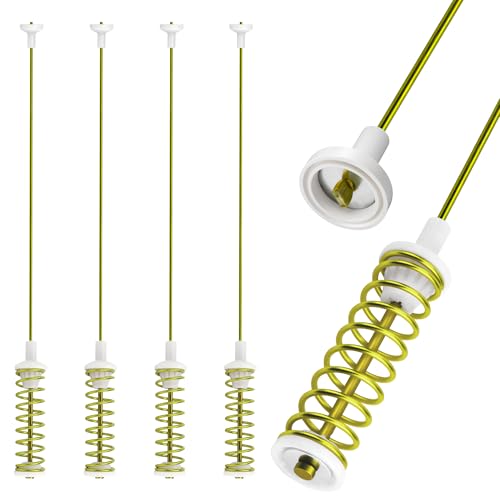
DC97-16350C DC97-16350S WA45T3400AV/A4 Suspension Rods -for Samsung Top-Load Washers WA45T3400AW/A4
View on Amazon- TAR Score9.0
TAR Score is a ranking system developed by TopAppliancesReviews.com. TAR score has no relationship or impact from any manufacturers or sales agent websites. Learn more
- BrandVypart

WA50R5200AW/US WA45N3050AW/A4 WA50R5400AV/US WA45T3200AW/A4 WA5451ANW/XAA WA50R5400AW Washer Suspension Rods for
View on Amazon- TAR Score8.0
TAR Score is a ranking system developed by TopAppliancesReviews.com. TAR score has no relationship or impact from any manufacturers or sales agent websites. Learn more
- BrandTechecook

- TAR Score7.4
TAR Score is a ranking system developed by TopAppliancesReviews.com. TAR score has no relationship or impact from any manufacturers or sales agent websites. Learn more
- BrandBeaquicy

𝗡𝗘𝗪 WA50R5200AW/US WA45N3050AW/A4 WA45T3200AW/A4 Suspension Rods for Sam-sung Top Load
View on Amazon- TAR Score7.2
TAR Score is a ranking system developed by TopAppliancesReviews.com. TAR score has no relationship or impact from any manufacturers or sales agent websites. Learn more
- BrandTOMOON
Last update on 2026-05-30 / Affiliate links / Images, Product Titles, and Product Highlights from Amazon Product Advertising API
How To Fix UB Error On Samsung Washer Without Guesswork
Laundry trouble hits different when the washer stops with soaking clothes still sitting heavy in the drum. The noise, the shaking, the half-finished spin cycle, yep, it gets old fast. A Samsung washer UB error usually means the machine has detected an unbalanced load, and learning how to fix UB error on samsung washer starts with spotting what threw the drum off in the first place.
UB Error Basics
The UB error is the washer’s way of saying the drum can’t spin safely because the load isn’t balanced. That doesn’t always mean the washer is broken. Many times, the issue comes from heavy clothes bunching on one side, a single bulky blanket, or a load that’s too small to spread evenly during spin. The washer stops because it’s trying to protect the drum, motor, and suspension from taking a beating.
A Samsung washer senses movement during the spin cycle and reacts if the drum swings too far out of line. That safety feature is helpful, but it can feel downright annoying when the machine refuses to finish a load. Uneven weight is the usual suspect, especially with towels, jeans, bedding, and hoodies. The fix often starts with opening the door, loosening the tangled laundry, and spreading items more evenly around the drum.
Small loads can trigger the same problem as oversized ones. A few shirts may not weigh enough to balance the drum once water drains out and the spin speed climbs. Adding a couple of similar-weight items can help the washer find a steadier rhythm. Balanced fabric weight matters more than tossing in random pieces just to fill space.
Large bedding loads need extra care because comforters and sheets love to twist into one big wet rope. That clump slams against one side of the tub and forces the washer to pause. Separating bulky items, washing one large piece at a time, and using the right cycle can cut down on repeated UB warnings. Load shape, not just load size, makes a real difference.
Fix The Load First
The fastest fix is usually the least fancy one. Pause the washer, open the door after it unlocks, and redistribute the laundry by hand. Shake out towels, loosen jeans, and spread heavy pieces around the drum instead of leaving them piled together. Then restart the spin cycle and listen for smoother movement.
Overloading creates a different kind of headache. A packed drum leaves clothes with no room to tumble, rinse, or settle evenly before spinning. The washer may drain fine, then stumble as soon as high-speed spin begins. Keeping the drum around three-quarters full gives fabrics space to move without slamming into one side.
Too much detergent can quietly make imbalance worse. Excess suds cushion clothes, slow draining, and leave the load heavier than expected during spin. A high-efficiency Samsung washer needs HE detergent and a measured amount, not a free-pour splash that feels right in the moment. For better detergent habits with specialty machines, compare cleaning routines with best detergent for miele washing machine so residue and suds don’t become part of the laundry problem.
Mixed fabric weight is another sneaky trigger. Thin shirts paired with bath mats, sweatshirts, or denim can bunch unevenly once the cycle speeds up. Wash similar items together whenever possible because the drum balances better with a more predictable load. Fabric grouping keeps the machine from fighting itself during the final spin.
Single-item loads are risky, even if the item looks harmless. One robe, one blanket, or one bath mat can soak up water and turn into a heavy lump. Add a few similar towels to help distribute weight, but don’t cram the washer just to force balance. The goal is even weight around the drum, not a stuffed tub.
Level The Washer Properly
A balanced load won’t save a washer that’s sitting crooked. A Samsung washer needs all four feet touching the floor firmly, with no rocking from corner to corner. Press down gently on opposite corners and watch for movement. Even a small wobble can become a loud washer vibration problem during high-speed spin.
Use a level across the top of the washer from side to side, then front to back. Adjust the leveling legs until the bubble sits centered both ways. Once the washer is level, tighten the lock nuts so the legs don’t slowly shift from vibration. Stable footing is one of the most overlooked fixes for UB errors.
Floor type matters more than people think. A washer on a flexible upstairs floor may shake more than one sitting on concrete. Thin laminate, uneven tile, or soft subflooring can make the machine feel unstable even after the feet are adjusted. A firm laundry surface helps reduce drum movement and keeps the balance sensor from overreacting.
Anti-vibration pads can help in some rooms, but they’re not magic. They may reduce noise and movement if the floor is firm and the washer is already level. They won’t fix worn suspension parts, overloaded bedding, or a badly tilted machine. Treat pads as a supporting fix, not the first thing to blame or buy.
Front-load Samsung washers are especially sensitive to leveling because their spin speeds can climb high during final extraction. That speed removes more water from clothes, but it also exposes every uneven corner, loose foot, and bunched-up load. To compare features that affect stability and spin behavior, explore best samsung front loader washing machine before upgrading or replacing a washer that may only need careful adjustment.
Check Drainage And Spin Behavior
Poor drainage can make a load heavier than it should be, which may trigger the UB error even after clothes look evenly spread. If water stays in the drum too long, towels and bedding become soaked anchors. Listen for slow draining, gurgling, or repeated pauses before spin. Those clues point toward a possible drain issue rather than simple load imbalance.
Clean the drain pump filter if your Samsung washer has an accessible filter panel. Lint, coins, hair ties, and small fabric bits can block water flow and leave the drum struggling at spin time. Always place towels and a shallow pan nearby because trapped water can spill out quickly. Clear drainage helps the washer reach spin speed without dragging extra water weight along for the ride.
The drain hose also deserves a look. A kinked hose, a hose pushed too far into the standpipe, or a clogged laundry drain can slow water removal. The washer may keep trying to rebalance because the clothes remain heavier than expected. A smooth hose path supports steady draining, which makes balancing easier once the spin cycle starts.
Spin behavior tells a story if you pay attention. A washer that shakes only with bulky items usually points toward load balance. A washer that shakes with nearly every load may have a leveling, suspension, or flooring issue. A washer that rumbles, bangs, or walks across the room needs a deeper check before small problems turn into larger mechanical wear.
Moisture around the laundry area can make the whole room feel worse, especially if damp clothes sit too long after a failed spin. Bad smells, humid air, and linty corners are common side effects of repeated wash interruptions. For cleaner air around laundry spaces, improve airflow with best air purifier with permanent washable filters while still fixing the washer issue at its source.
Spot Worn Suspension Parts
A Samsung washer that keeps throwing the UB error after proper loading and leveling may have worn suspension parts. Top-load models often use suspension rods that help hold the tub steady during movement. Front-load models rely on shocks and springs to control drum motion. Once those parts weaken, the washer struggles to stay balanced even with normal laundry.
Repeated banging is a red flag. The sound may start mild, then grow louder over weeks or months. A worn suspension system lets the tub swing too far, especially during final spin. Excessive tub movement can fool the washer into thinking every load is uneven.
Try an empty spin cycle after checking the level and drain path. If the washer still shakes badly with no clothes inside, the problem likely goes beyond laundry habits. An empty drum should not bounce around violently or sound like it’s hitting the cabinet. That kind of movement points toward mechanical wear, loose parts, or internal damage.
Suspension rods and shock absorbers are replaceable on many models, but the repair difficulty varies. Some confident DIY folks can handle it with the right parts and model-specific guidance. Others are better off calling a technician, especially if the washer is stacked, heavy, or still under warranty. Safe repair choices matter because washers are bulky, awkward, and easy to damage with rushed handling.
A worn bearing can also mimic imbalance by creating rumbling, grinding, or rough spinning sounds. Bearings are more serious than a simple load issue and can be costly to repair. If the drum feels loose by hand or makes a rough growl during spin, pause the troubleshooting and consider professional help. Early diagnosis can prevent wasted time replacing parts that aren’t the real problem.
Reset The Cycle Without Making It Worse
A quick reset can help after the UB error appears, but it shouldn’t become the only fix. Powering the washer off for a few minutes lets the control board clear the interrupted cycle. Then the load needs a real check before restarting, because the same tangled clothes will usually trigger the same warning again. Resetting works best after the laundry has been balanced by hand.
Drain the washer first if the drum is still full of water. Wet clothes are heavier, and pulling them apart while they’re soaked can feel like wrestling a bag of cement. Use the drain and spin setting only after checking that nothing is bunched tightly against one side. Even weight distribution gives the washer a fair shot at finishing the spin.
Avoid restarting the same failed cycle five or six times in a row. That habit puts extra strain on the motor, suspension, and drum without solving the imbalance. The washer may keep trying to ramp up, stop, tumble, and try again until the problem gets louder. Repeated failed spins are a warning sign, not a normal part of laundry day.
Some homes deal with extra laundry challenges because space, flooring, and power setup aren’t ideal. Compact rooms, boat cabins, and utility corners can make vibration harder to control, so Compare space-conscious setups like best washing machine if the washer needs to fit a tighter, more movement-sensitive area. A stable setup matters just as much as the machine itself. Small spaces amplify vibration when the floor or installation isn’t right.
Use The Right Cycle For Bulky Loads
Bulky bedding is one of the most common reasons a Samsung washer flashes the UB code. Comforters, blankets, and mattress covers soak up water unevenly and twist into heavy knots. A normal cycle may not give those pieces enough tumble time to spread out before spin. The bedding or bulky cycle usually handles that movement more gently.
Big items need room to roll, not just squeeze into the drum. A comforter packed tight may wash poorly and spin worse because the washer can’t separate the fabric. If the item barely fits dry, it’ll be a bigger problem once wet. Drum space helps the load shift evenly instead of slamming from side to side.
Pairing one bulky item with a few towels can help, but only if the towels are similar in weight once wet. Tossing in one tiny shirt won’t balance a soaked blanket. The goal is to create a more even circle of weight around the drum. Matching fabric weight is the trick that keeps the spin cycle from going sideways.
Spin speed also matters. A high spin setting removes more water, but it can make imbalance worse with bulky or awkward loads. Lowering the spin speed gives the washer a smoother path through the cycle. Controlled spin speed can be the difference between a finished load and another stopped cycle.
Know The Signs Of A Deeper Problem
A Samsung washer that shows the UB error once in a while usually needs load adjustments. A washer that shows it every week deserves closer attention. Frequent errors after balanced loads, clean drainage, and proper leveling suggest something inside the machine may be wearing down. Consistent imbalance is the clue that separates a laundry mistake from a repair issue.
Listen for new sounds during spin. A deep rumble may point toward bearing wear, while hard knocking can suggest the tub is moving too far. Squeaks, scraping, or metallic sounds shouldn’t be brushed off as normal washer noise. Noise changes often show up before a part fully fails.
Watch the drum by hand when the washer is empty and powered off. A little movement is normal, but a loose, sloppy drum can point toward worn supports. Push gently upward and side to side without forcing anything. Excessive play can make the washer act unbalanced even with a careful load.
Smells, heat, and damp laundry piles can stack up when spin cycles keep failing. A washer that leaves clothes too wet makes drying slower and can turn the laundry room humid fast. If power interruptions also happen in your area, Protect laundry routines with best residential portable generator support so outages don’t leave soaked loads sitting for hours. Moisture control matters because washer problems rarely stay inside the drum.
Prevent UB Errors With Better Laundry Habits
Prevention starts before the start button gets pressed. Sort clothes by fabric weight, not just color, because the washer balances towels very differently from thin shirts. Jeans, hoodies, bath mats, and bedding deserve their own careful loads. Smart sorting reduces the chance of the drum lurching during spin.
Use less detergent than instinct tells you, especially in high-efficiency machines. Too many suds leave fabric slippery, heavy, and harder to rinse clean. That extra residue can also build up inside the washer over time. Measured detergent helps the machine drain and spin more predictably.
Clean the washer regularly so lint, residue, and old detergent don’t interfere with drainage. Run a self-clean cycle if your model offers one, and wipe the door gasket on front-load machines. Keep the drain filter clear if your washer has one. Routine maintenance keeps small problems from turning into repeat UB errors.
Leave the door open after a completed cycle so moisture can escape. That small habit helps reduce odors and keeps the drum area from staying damp. It won’t fix imbalance directly, but it keeps the washer in better condition between loads. Dry airflow supports cleaner laundry and fewer side problems.
Decide Between DIY Fixes And Service
DIY troubleshooting makes sense when the UB error appears after a bulky load, a small load, or a washer move. Redistributing clothes, leveling the machine, cleaning the drain filter, and lowering spin speed are safe first steps. These fixes cost little and often solve the problem quickly. Simple checks should always come before assuming a major repair.
Service becomes the smarter move when the washer shakes empty, bangs hard with normal loads, or shows the UB code after every correction. Internal suspension parts can wear out, and guessing at parts gets expensive fast. A technician can confirm whether rods, shocks, springs, bearings, or the control system are involved. Accurate diagnosis saves money by avoiding random part swaps.
Warranty status also matters. Opening panels or replacing parts yourself may create trouble if the washer is still covered. Check the model information, purchase date, and warranty terms before taking anything apart. Warranty protection can be worth more than a rushed repair attempt.
A good repair decision weighs cost, washer age, noise level, and how often the error appears. A newer washer with a clear suspension issue may be worth fixing. An older machine with bearing noise, repeated failures, and heavy vibration may not be as practical. Repair value depends on the whole picture, not just one error code blinking on the screen.
Keep Spin Cycles Smooth After The Fix
Once the washer finishes a cycle without the UB error, pay attention to what worked. Maybe smaller bedding loads solved it. Maybe leveling the feet stopped the shaking. Maybe cleaning the drain filter helped the washer spin faster without struggling. Tracking the fix helps prevent the same problem from creeping back.
Build a simple routine around the loads that used to cause trouble. Wash heavy towels together, keep bulky blankets separate, and avoid single-item cycles whenever possible. Use lower spin speeds for awkward loads that tend to bunch. Consistent laundry habits make the washer’s balance sensor less likely to complain.
Check the washer’s level every few months, especially after moving it for cleaning or after a rough spin cycle. Lock nuts can loosen over time, and flooring can settle slightly. A quick corner press tells you whether the machine rocks. Firm footing keeps the drum centered and the cabinet quieter.
A Samsung washer should not feel like a machine that needs babysitting every load. Once the load size, floor stability, detergent amount, and drainage are dialed in, spin cycles should sound steady instead of chaotic. How to fix UB error on samsung washer comes down to balancing the load, stabilizing the machine, and catching worn parts before they turn one laundry problem into three. Smoother spinning means drier clothes, less noise, and fewer mid-cycle interruptions.


10 Best Quality Semi Automatic Washing Machine of 2026 For Leak-Free Laundry

11 Best Small Washer Machine of 2026 For Everyday Laundry

12 Best Vibration Pads For Washing Machine of 2026 To Stop Walking and Shaking

11 Best Selling Front Load Washing Machine of 2026 For Quiet Odor-Free Laundry

11 Best Washing Machine For King Size Bedding of 2026 To Prevent Cycle Errors

10 Best Small Front Loader Washing Machine of 2026 For Tight Closets

12 Best Side Load Washing Machine of 2026 For Low Vibration

11 Best Single Tub Washing Machine of 2026 For Apartments Without Hookups






