
How to Fix Samsung Washer That Won’t Drain Water Fast

How to fix samsung washer that won’t drain water becomes a frustrating search the second dirty water starts sitting in the drum like a stubborn puddle that just won’t quit. Laundry piles up fast, towels begin to smell funky, and suddenly the whole routine feels thrown off balance. A washer that refuses to drain usually points to a clogged filter, kinked drain hose, blocked pump, or a small issue that snowballs if ignored too long. The good news is most drainage problems don’t automatically mean the machine is done for.
Samsung washers often flash warning codes or stop mid-cycle when water can’t move properly. That can feel annoying at first, sure, but those signs actually help narrow things down quicker than people expect. A blocked debris filter packed with lint, coins, pet hair, or tiny socks causes more trouble than many realize. Cleaning that area alone can sometimes bring the washer right back to life without replacing a single part.
Drain hose problems sneak up quietly too. A hose bent behind the washer or shoved too deeply into the wall drain can interrupt water flow and leave the machine stuck with standing water. Little setup mistakes create surprisingly messy results. Checking hose positioning sounds simple, yet it’s one of the first fixes technicians usually inspect because it solves a huge chunk of drainage complaints.
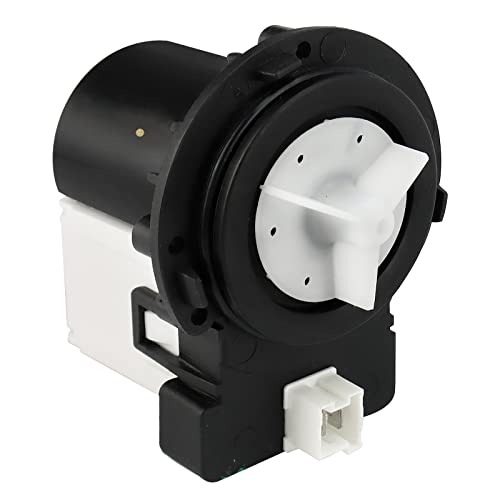
Then there’s the drain pump itself. A humming sound without draining often signals debris trapped inside the pump housing or an impeller struggling to spin properly. Nobody loves opening up part of a washer, but honestly, it’s usually less intimidating than expected. Careful cleaning and a flashlight go a long way before expensive repair bills even enter the picture.
Samsung washer drain issues also tend to appear after oversized loads, thick blankets, or too much detergent creates excess residue. Soap buildup coats internal parts over time, slowing drainage and creating musty smells that cling to clothes. Running maintenance cycles and using the correct detergent amount helps reduce those headaches before they turn into recurring problems.
Patience matters during troubleshooting. Rushing through checks often causes missed details like loose hose clamps, blocked standpipes, or trapped lint hiding inside the filter chamber. Small overlooked issues can keep the washer acting up even after one repair attempt. Taking a methodical approach usually saves time, stress, and a pile of wet laundry sitting in baskets waiting for answers.

- TAR Score10.0
TAR Score is a ranking system developed by TopAppliancesReviews.com. TAR score has no relationship or impact from any manufacturers or sales agent websites. Learn more
- BrandPiumeif

- TAR Score10.0
TAR Score is a ranking system developed by TopAppliancesReviews.com. TAR score has no relationship or impact from any manufacturers or sales agent websites. Learn more
- BrandGeneric

- TAR Score9.8
TAR Score is a ranking system developed by TopAppliancesReviews.com. TAR score has no relationship or impact from any manufacturers or sales agent websites. Learn more
- BrandLuojiedejinbiao

- TAR Score9.4
TAR Score is a ranking system developed by TopAppliancesReviews.com. TAR score has no relationship or impact from any manufacturers or sales agent websites. Learn more
- BrandSMZTools

- TAR Score9.2
TAR Score is a ranking system developed by TopAppliancesReviews.com. TAR score has no relationship or impact from any manufacturers or sales agent websites. Learn more
- BrandRecDec
- TAR Score9.0
TAR Score is a ranking system developed by TopAppliancesReviews.com. TAR score has no relationship or impact from any manufacturers or sales agent websites. Learn more
- BrandBlutoget

- TAR Score9.0
TAR Score is a ranking system developed by TopAppliancesReviews.com. TAR score has no relationship or impact from any manufacturers or sales agent websites. Learn more
- BrandMarsrut

- TAR Score8.6
TAR Score is a ranking system developed by TopAppliancesReviews.com. TAR score has no relationship or impact from any manufacturers or sales agent websites. Learn more
- BrandJHBKing

- TAR Score8.4
TAR Score is a ranking system developed by TopAppliancesReviews.com. TAR score has no relationship or impact from any manufacturers or sales agent websites. Learn more
- BrandSeentech
Last update on 2026-06-25 / Affiliate links / Images, Product Titles, and Product Highlights from Amazon Product Advertising API
How To Fix Samsung Washer That Won’t Drain Water
A washer full of standing water can ruin a calm laundry day in a hurry. Wet clothes get heavy, sour smells creep in, and the machine suddenly feels like a mystery box with buttons. The practical path to how to fix samsung washer that won’t drain water starts with safe checks, simple blockages, and patient troubleshooting before assuming the drain pump has failed.
Start With The Safety Basics
Pulling the washer apart while it still has power is asking for trouble. Unplug the machine first, then give yourself enough room behind and around the washer so you’re not wrestling with hoses in a cramped corner. Electrical safety, dry hands, and steady footing matter more than speed here. A drain issue is annoying, but a rushed repair can turn a small mess into a bigger headache.
Standing water also needs a plan before you open anything near the bottom of the washer. Keep a shallow pan, towels, and maybe a small bucket nearby because water can spill fast once the filter cap loosens. Controlled draining keeps the floor from turning into a slip hazard. Slow and boring wins this round, no contest.
Check the display before touching parts because Samsung washers often show clues through error codes or paused cycles. Codes linked to drainage usually point toward slow water removal, blocked flow, or pump strain. A code doesn’t always mean a bad part, though. Sometimes it’s just the machine waving a tiny flag that says, “Hey, water isn’t leaving like it should.”
Listen closely during the drain portion of the cycle if the washer will run safely. A quiet machine may point toward a control or power issue, while a humming sound can suggest the pump is trying but something is blocking it. Noise patterns, cycle timing, and water movement help narrow the search. That little bit of observation can save a whole lot of guessing.
Check The Drain Hose First
The drain hose is easy to overlook because it sits out of sight behind the washer. A bend, pinch, or crushed section can stop water from leaving even if the pump is fine. Hose position, smooth water flow, and proper clearance should be checked before opening the washer cabinet. Sometimes the “repair” is just pulling the machine forward and giving the hose room to breathe.
A hose pushed too far into the standpipe can also cause drainage problems. The washer needs airflow around the hose opening so water can exit properly without strange suction issues. Standpipe placement matters because a drain setup that looks tidy may still be wrong. If the hose disappears deep into the wall drain, pull it back slightly and secure it so it stays put.
Look for lint, sludge, and detergent residue near the hose end. Thick buildup can narrow the path enough to slow draining, especially after washing pet blankets, rugs, or lint-heavy towels. Residue buildup doesn’t look dramatic at first, but it can choke the drain line little by little. A quick rinse of the hose end may reveal more gunk than expected.
Laundry habits can make hose problems show up faster too. Too much detergent creates extra suds, and extra suds can confuse the washer’s draining and spinning behavior. For better wash balance after the drain issue is fixed, compare detergent choices with this practical guide to washing powder for top load washing machine before changing your routine. Low residue detergent, proper dosing, and balanced loads help the washer drain without fighting foam.
Clean The Debris Filter Slowly
The debris filter catches the kind of stuff nobody admits was in the laundry. Coins, hair pins, lint clumps, pet hair, and tiny fabric pieces can all end up packed around the filter. Filter cleaning is one of the most useful steps in how to fix samsung washer that won’t drain water because a clogged filter can stop the pump from moving water. It’s not glamorous, but it’s often the money-saving move.
Most front-load Samsung washers place the filter access panel near the lower front area. Open the small door, set towels underneath, and use the emergency drain tube if your model has one. Slow draining through the tube prevents a sudden rush of water. Don’t yank the filter cap open unless you’re ready for a wet floor and a few choice words.
Turn the filter cap carefully and pull the filter out once the water has drained down. Rinse away lint, grit, and any hard objects stuck around the screen. Small debris can jam the pump impeller, while thick lint can reduce flow enough to trigger drain errors. A flashlight helps spot pieces hiding deeper in the filter housing.
The filter seal deserves a quick look before everything goes back together. A dirty or twisted seal can cause small leaks after cleaning, which feels unfair after doing the hard part. Wipe the rim clean, reinstall the filter firmly, and avoid cross-threading the cap. A tight seal, clean threads, and careful reinstalling keep the repair from creating a new problem.
Inspect The Drain Pump Area
A washer that hums but won’t drain often points toward the pump area. The motor may be trying to spin while debris blocks the impeller or slows it down. Pump access varies by model, so checking the user manual is smarter than forcing panels loose. A cracked tab or stripped screw can turn a normal repair into a frustrating side quest.
After the filter is removed, shine a light into the cavity and look for trapped objects. A small button, plastic clothing tag, or sock fragment can stop the impeller from turning freely. Impeller movement should feel light and springy, not locked solid or gritty. If it barely moves, debris may still be stuck deeper inside.
Some pump problems sound more mechanical than blocked. Grinding, rattling, or a harsh buzz can suggest worn pump parts, especially if the filter and hose are already clear. Pump weakness doesn’t always mean instant replacement, but repeated drain failures after cleaning deserve closer attention. A technician may be worth calling if the pump runs hot, leaks, or fails again right away.
Budget matters once repair costs start creeping up. A simple clog costs almost nothing to clear, but a pump replacement can change the decision if the washer is older and already acting tired. For a separate laundry-room upgrade path, compare compact appliance picks through this guide to silver washing machine under 300 before putting too much money into a worn-out unit. Repair value, machine age, and repeat failures should all be weighed together.
Reset The Washer After Clearing Blockages
Clearing the clog is only half the job. The washer may still hold an error state until power is reset and the drain cycle is tested again. A basic reset helps the control board restart cleanly after the blockage has been removed. Unplugging the washer for a few minutes is simple, but it can make the next test more reliable.
Run a drain and spin cycle with no clothes inside after cleaning the filter and hose. Watch the water movement, listen for the pump, and check the floor for leaks. Empty-cycle testing gives you a cleaner read because heavy wet clothes won’t hide what the machine is doing. If the washer drains normally empty but struggles with laundry, load size or balance may be part of the problem.
Heavy blankets, bath mats, and overloaded drums can make draining feel worse because the washer may struggle to spin water out evenly. A load that clumps to one side can pause the cycle and leave water sitting longer than expected. Load balance, fabric weight, and spin speed all affect how well water leaves the drum. Split bulky items into smaller loads if the washer keeps stalling.
Odor can linger after a drainage problem, especially if water sat in the drum for hours. Wipe the gasket, leave the door open, and run a cleaning cycle if the washer smells sour. Damp laundry rooms can also hold odors in the air, so improve freshness separately with this guide to a hepa air purifier for pet allergies if pet dander and musty smells hang around nearby. Airflow, clean seals, and dry drum habits help keep the problem from coming right back.
Test The Standpipe And Home Drain
The washer may be perfectly willing to drain, but the wall drain can still be the real troublemaker. A slow standpipe backs water up fast, especially during the drain cycle when the machine pushes out a strong rush of water. Drain flow, standpipe height, and pipe blockage all affect whether water leaves cleanly or sneaks back toward the washer. That’s why the plumbing side deserves a careful look before blaming the machine.
Watch the standpipe while the washer drains if it’s safe to run a short test. Water bubbling, gurgling, or spilling over the pipe usually points to a clogged household drain instead of a washer failure. Overflow signs are hard to miss once you know what to watch for. A washer can’t drain well into a pipe that’s already struggling to breathe.
Older laundry rooms often have tighter spaces, older plumbing, and drain setups that weren’t built for modern washer flow rates. That doesn’t mean the setup is hopeless, but it does mean small details matter more. For laundry rooms with aging hookups, compare setup-friendly options through this guide to the washing machine for old house before changing the whole layout. Drain compatibility, floor stability, and water pressure can make daily washing less fussy.
A plumber may be needed if the standpipe overflows even after the washer hose and filter are clear. Chemical drain cleaners can be risky around appliance hoses and older pipes, so don’t treat them like a magic shortcut. Safe drain clearing beats guesswork, especially if the clog sits deep in the home’s plumbing. A clean washer drain path won’t help much if the wall pipe is the bottleneck.
Fix Load Balance And Suds Problems
Overloading the drum can leave clothes soaked because the washer can’t spin water out properly. Heavy towels, blankets, jeans, and rugs tend to bunch together, then the machine slows down or stops to protect itself. Balanced loads, proper spin speed, and fabric weight play a bigger role than most people expect. A smaller load may drain and spin better than one giant laundry mountain.
Too much detergent creates another sneaky mess. Extra suds can confuse sensors, slow draining, and leave residue in hoses and pump areas. Low-sudsing detergent matters because modern washers use less water than older machines. More soap doesn’t mean cleaner clothes, and yeah, that habit can backfire pretty quickly.
Run a rinse and spin cycle if the drum looks foamy after a failed drain cycle. That helps flush leftover soap and gives the washer a cleaner reset before the next load. Suds control, extra rinsing, and smaller detergent doses can stop repeat drain errors from popping up. The fix may feel too simple, but simple is exactly what laundry needs sometimes.
Pet bedding and dusty work clothes can also load the washer with hair, lint, and grit. Shake items outside before washing, and avoid mixing lint-heavy fabrics with small socks or lightweight pieces that can slip toward the filter. Pre-cleaning laundry reduces clogs before they start. That tiny habit saves filter cleanouts, bad smells, and a fair bit of muttering.
Deal With Odors After Standing Water
Standing water doesn’t just sit there quietly. It leaves behind smells, film, and damp residue around the gasket, drum, and detergent drawer. Washer odor, mildew residue, and stale water often linger even after the drain problem is fixed. Cleaning the machine after drainage trouble helps stop the laundry room from smelling like wet towels.
Wipe the rubber gasket carefully, especially in the folds where lint and dirty water hide. Pull out trapped hair, coins, and soggy debris if anything is tucked inside. Gasket cleaning is boring but necessary because moisture sits there longer than it should. Leave the door cracked afterward so air can move through the drum.
Run a washer cleaning cycle with the drum empty. Use a washer cleaner or the method recommended for your Samsung model, and avoid mixing random cleaning products. Empty drum cleaning, residue removal, and fresh airflow help reset the machine after a drain failure. The goal is to clear the smell, not perfume it for a day.
Laundry rooms near kitchens or tight utility spaces may also trap moisture and odors. Ventilation helps, especially if the room stays humid after back-to-back loads. For a separate airflow upgrade near cooking or utility areas, review the 42 inch range hoods guide if stale air and moisture collect nearby. Better ventilation supports a cleaner-feeling space, even though it won’t replace washer maintenance.
Know When The Pump Needs Replacing
A cleaned filter, straight hose, and clear standpipe should make a healthy washer drain normally. If the machine still refuses to move water, the drain pump may be weak, jammed internally, or failing electrically. Repeat drain errors, pump humming, and no water movement are the signs to take seriously. At that point, guessing gets old fast.
A bad pump may run loudly, stop randomly, or leak from the housing. Sometimes it drains one load and fails on the next, which makes the issue feel maddening. Intermittent failure is common with worn parts because they don’t always quit cleanly. That back-and-forth behavior is a good reason to stop assuming the filter is the only problem.
Replacement difficulty depends on the model and how comfortable you are with appliance repair. Some washers require front or rear panel access, and cramped laundry closets make the job harder. Model layout, tool access, and repair confidence should guide the decision. Calling a technician isn’t giving up if the job risks leaks or damaged wiring.
Cost matters too. A newer washer with one failed pump may be worth repairing, while an older machine with several problems may not be. Repair cost, washer age, and past reliability should sit in the same conversation. Nobody wants to keep feeding money into a machine that keeps finding new ways to complain.
Prevent The Same Drain Issue Again
Prevention starts with the filter because that little access panel catches more junk than expected. Clean it every few weeks if the home washes pet blankets, workout clothes, kids’ pockets, or lint-heavy towels. Routine filter care keeps the pump from fighting through sludge. A five-minute cleanout beats a drum full of trapped water every time.
Keep the drain hose positioned with a smooth curve and no tight bends behind the washer. Pushing the machine too close to the wall can pinch the hose without anyone noticing. Hose clearance, secure placement, and proper airflow help water move out without drama. After moving the washer, always peek behind it before running another load.
Use the right amount of detergent and resist the urge to pour extra for dirty clothes. More soap can leave residue that collects in hoses, filters, and the pump chamber. Correct detergent dosing protects drainage and helps clothes rinse cleaner. It’s one of those tiny habits that quietly prevents bigger repair days.
Pay attention to early warning signs instead of waiting for a full stop. Slow draining, longer spin cycles, sour odors, and wet clothes after spinning all suggest the washer needs attention. Early troubleshooting keeps problems smaller and easier to fix. A Samsung washer usually gives hints before it leaves a full load soaking in the drum.


10 Best Quality Semi Automatic Washing Machine of 2026 For Leak-Free Laundry

11 Best Small Washer Machine of 2026 For Everyday Laundry

12 Best Vibration Pads For Washing Machine of 2026 To Stop Walking and Shaking

11 Best Selling Front Load Washing Machine of 2026 For Quiet Odor-Free Laundry

11 Best Washing Machine For King Size Bedding of 2026 To Prevent Cycle Errors

10 Best Small Front Loader Washing Machine of 2026 For Tight Closets

12 Best Side Load Washing Machine of 2026 For Low Vibration

11 Best Single Tub Washing Machine of 2026 For Apartments Without Hookups






