
How to Fix LG Washer Not Draining Properly Fast

How to fix LG washer not draining properly becomes a frustrating search the moment dirty water sits stubbornly inside the drum. One minute the laundry cycle seems normal, then bam, the washer refuses to drain, clothes stay soaked, and the whole laundry room starts smelling funky. That kind of problem throws off an entire day, especially when piles of damp towels and clothes keep stacking up in the corner. A clogged drain pump filter, twisted hose, or overloaded washer usually hides behind the mess, but figuring out where to start can feel like chasing your tail.
Standing water inside the washer often causes more than inconvenience. Lingering moisture creates musty odors that creep into freshly washed clothes, and nobody wants that headache. Drain hose blockages, trapped lint, coins, hairpins, or even tiny socks can quietly slow down water flow until the machine finally gives up mid-cycle. Also, repeated drainage issues may force the washer to work harder than it should, putting unnecessary strain on the pump system over time.
Most people don't realize how often simple maintenance gets ignored until the washer flashes an error code or refuses to spin. That's where practical troubleshooting makes a huge difference. Cleaning the LG washer drain filter, inspecting the hose for kinks, and checking the drain pump can often solve the issue without tearing apart the machine or paying for a repair call. Small fixes tend to snowball into big savings, and honestly, that's something every busy household appreciates.
Odd noises during draining can also point toward hidden debris trapped inside the pump assembly. A rattling sound, weak draining, or water slowly disappearing instead of rushing out usually signals that something's clogging the system. Then again, overloading the washer with heavy blankets or bulky loads may also prevent proper draining because the machine struggles to balance and remove water efficiently. Balanced laundry loads matter more than many expect.
Another thing people often overlook is the drain hose placement behind the washer. If the hose sits too low or gets crushed against the wall, water flow can slow dramatically. Some washers even trigger drainage errors because of poor hose positioning instead of an actual mechanical failure. So, before assuming the worst, checking these smaller details can save both money and frustration. Sometimes the fix feels surprisingly simple once the real culprit shows up.
How to fix LG washer not draining properly doesn't always require advanced tools or technical know-how. A few careful inspections and routine cleaning habits can restore normal performance and help prevent repeat drainage problems later on. Also, keeping the washer filter clean and avoiding overloaded cycles helps reduce wear on the drain pump system. Laundry routines run smoother, clothes come out cleaner, and that annoying puddle sitting inside the drum finally disappears for good.

- TAR Score10.0
TAR Score is a ranking system developed by TopAppliancesReviews.com. TAR score has no relationship or impact from any manufacturers or sales agent websites. Learn more
- BrandUgoHiff
![[Upgraded] 2Pcs 5006ER3009A Washer Drain Hose Cap fit for LG/Kenmore Washing Machines, Replace 5006EN3015A, AGF76163711](https://m.media-amazon.com/images/I/41AB0ulLHHL._SL500_.jpg "[Upgraded] 2Pcs 5006ER3009A Washer Drain Hose Cap fit for LG/Kenmore Washing Machines, Replace 5006EN3015A, AGF76163711")
- TAR Score9.6
TAR Score is a ranking system developed by TopAppliancesReviews.com. TAR score has no relationship or impact from any manufacturers or sales agent websites. Learn more
- BrandKOZHOM
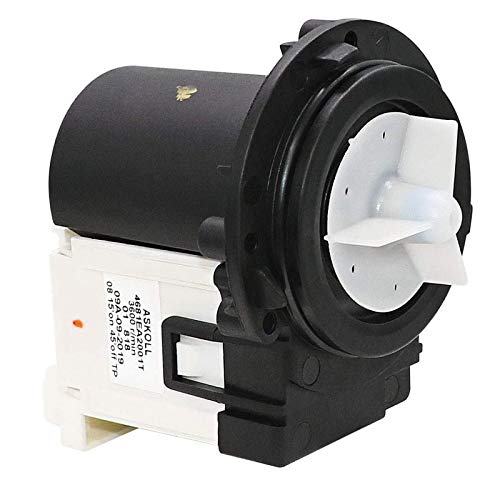
- TAR Score9.2
TAR Score is a ranking system developed by TopAppliancesReviews.com. TAR score has no relationship or impact from any manufacturers or sales agent websites. Learn more
- BrandBeaquicy
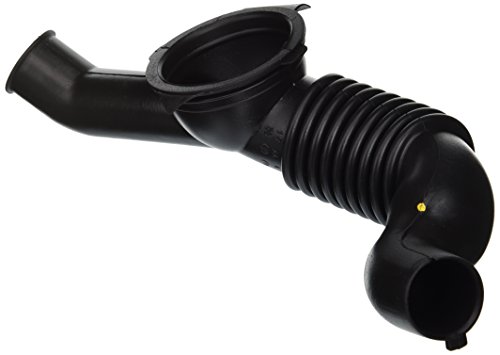
- TAR Score9.2
TAR Score is a ranking system developed by TopAppliancesReviews.com. TAR score has no relationship or impact from any manufacturers or sales agent websites. Learn more
- BrandLG

- TAR Score9.0
TAR Score is a ranking system developed by TopAppliancesReviews.com. TAR score has no relationship or impact from any manufacturers or sales agent websites. Learn more
- BrandWPL

- TAR Score8.8
TAR Score is a ranking system developed by TopAppliancesReviews.com. TAR score has no relationship or impact from any manufacturers or sales agent websites. Learn more
- Brandsuperbobi

- TAR Score8.8
TAR Score is a ranking system developed by TopAppliancesReviews.com. TAR score has no relationship or impact from any manufacturers or sales agent websites. Learn more
- BrandMEANHDAG

- TAR Score8.8
TAR Score is a ranking system developed by TopAppliancesReviews.com. TAR score has no relationship or impact from any manufacturers or sales agent websites. Learn more
- BrandHufopik

- TAR Score8.6
TAR Score is a ranking system developed by TopAppliancesReviews.com. TAR score has no relationship or impact from any manufacturers or sales agent websites. Learn more
- Brandsuperbobi
Last update on 2026-06-25 / Affiliate links / Images, Product Titles, and Product Highlights from Amazon Product Advertising API
How To Fix LG Washer Not Draining Properly
A washer full of standing water can make a normal laundry day feel like a small household emergency. Wet clothes sit heavy in the drum, the room starts smelling sour, and the machine may flash an error before the spin cycle ever gets a fair shot. That is usually the moment how to fix lg washer not draining properly stops being a casual search and turns into a real problem that needs a clear, practical plan. The good news is that most drain issues start with clogs, hose problems, load imbalance, or pump strain, not some mystery breakdown hiding deep inside the machine.
LG Washer Drain Trouble
Drain trouble often shows up in small ways before the washer completely refuses to empty. A cycle may take longer than usual, clothes may come out wetter than expected, or the machine may make a dull humming sound while water barely moves. Those early signs matter because they point toward restricted water flow rather than immediate machine failure. Catching the issue early can keep a simple cleaning job from turning into a larger repair.
An LG washer depends on a steady path for water to leave the tub, travel through the drain pump, move through the hose, and exit into the standpipe or sink drain. Any blockage along that route can slow the entire process. Lint, coins, hair, buttons, detergent residue, and small fabric pieces are common troublemakers because they collect slowly and quietly. By the time the washer stops draining, the blockage has usually been building for several loads.
The washer may also pause or refuse to spin because it senses water still sitting inside the drum. That safety behavior can feel annoying, but it protects the motor and other internal parts from extra stress. Standing water adds weight, and a heavy, unbalanced drum is harder for the machine to control. So, poor draining and poor spinning often show up together, even though the root problem may be one clog or kink.
A practical first step is to stop the cycle, unplug the washer, and avoid forcing another spin. Running cycle after cycle with the same drainage problem can overwork the drain pump and make the situation worse. Place towels nearby, keep a shallow pan ready, and prepare for water to spill during inspection. That small bit of setup saves a wet floor and a lot of muttering.
Check The Drain Hose First
The drain hose deserves attention before anything gets taken apart. It sits behind the washer, so it is easy to forget, but it controls how smoothly water leaves the machine. A hose pinched between the washer and wall can restrict flow enough to cause slow draining or repeated error messages. Pull the washer forward carefully and look for sharp bends, crushed sections, or twisted loops.
The hose height also matters more than many people expect. If the hose sits too low, water may drain at the wrong time, and if it sits too high, the pump may struggle to push water out. Most washers need the hose placed securely into a proper drain standpipe without being shoved too far down. Good hose placement gives water somewhere to go without creating suction problems or backflow.
Clogs can hide inside the hose, especially after washing pet blankets, rugs, lint-heavy towels, or muddy clothes. Disconnecting the hose and flushing it with water can reveal trapped debris that is not visible from the outside. A stiff blockage may need gentle clearing, but avoid jamming sharp tools inside because the hose wall can tear. A damaged hose creates a leak problem right after the drain problem gets fixed, and nobody needs that double whammy.
Small laundry habits can also reduce hose trouble. Thick residue from too much detergent can combine with lint and form a sticky buildup inside the drainage path. For laundry loads that need softening without heavy liquid residue, reduce fabric cling with fabric softener sheets for washing machine during the drying routine instead of pouring extra products into the washer. That simple shift can help keep washer drainage cleaner over time.
Clean The Drain Pump Filter
The drain pump filter is one of the most common places LG washers collect debris. Front-load models often have an access panel near the bottom front of the machine, and behind it sits the small filter area plus a short emergency drain tube. This spot catches coins, lint clumps, hair, and small items before they reach the pump. Cleaning it can feel messy, but it is often the turning point in fixing LG washer draining problems.
Start by unplugging the washer and placing towels under the access area. Open the small drain tube first, let water empty slowly into a shallow pan, and pause as needed so the pan does not overflow. Once the water slows down, twist out the filter and check for debris. Coins, hair ties, buttons, toothpicks, and fabric scraps can sit there like little villains causing a big headache.
Rinse the filter under warm water and wipe the inside of the filter housing with a cloth. A toothbrush can help remove sticky detergent film around the filter threads. Do not force the filter back in at an angle because the seal needs to sit properly to prevent leaks. A clean, snug filter helps water move freely and keeps the pump from grinding against trapped objects.
Filter cleaning is not a one-and-done chore if the washer handles heavy household laundry. Pet bedding, kids’ clothes, work uniforms, and lint-heavy fabrics can fill the filter faster than lighter loads. A monthly check is a smart habit for busy laundry rooms, while lighter use may need less frequent cleaning. Routine filter care keeps the washer from turning every drain cycle into a guessing game.
Spot Pump Strain And Strange Sounds
The drain pump should make a steady working sound as it moves water out. A faint hum with no drainage can mean the pump is trying but cannot push water through a blockage. A rattling or grinding noise may suggest debris has reached the pump impeller. Those sounds should not be ignored because pump strain can worsen if the washer keeps running against resistance.
After cleaning the filter and checking the hose, run a drain and spin cycle with no clothes inside. Watch how quickly water leaves the drum and listen for changes in sound. Smooth draining usually sounds even and purposeful, while a struggling pump may buzz, click, or pulse without much water movement. Testing with an empty drum removes load weight from the equation and makes the drain behavior easier to judge.
A pump can fail over time, but replacement should not be the first assumption. Many “bad pump” symptoms come from blockages before or around the pump rather than the pump motor itself. Still, if the filter is clear, the hose is open, and the washer still will not drain, the pump may need closer inspection. Weak water movement after basic cleaning points toward either pump damage, wiring trouble, or a deeper obstruction.
Mold and odor issues can also appear after repeated drainage failures because water sits too long inside the washer. Damp seals, leftover detergent film, and trapped lint create a stale smell that clings to laundry. To reduce lingering odor after the drain issue is corrected, compare options for washing machine for mold if recurring moisture has already become a bigger household headache. Clean drainage and dry airflow both matter if the washer is going to smell fresh again.
Fix Load Balance And Water Level Issues
Load balance can make an LG washer act like it has a drain problem even when the water path is mostly clear. Heavy blankets, bath mats, jeans, and towels can clump on one side of the drum. The washer may pause, tumble repeatedly, or stop spinning because it cannot balance the load safely. Wet fabric then stays soaked, creating the impression that the washer failed to drain.
Redistribute heavy items by hand and run a drain and spin cycle again. Smaller mixed loads often drain and spin better than one bulky item slamming around alone. If a large blanket absorbs a lot of water, the drum may struggle to gain speed even after the water begins leaving. Balanced weight helps the machine finish the cycle without shaking, banging, or stopping early.
Too much detergent can create another sneaky problem. Extra suds may confuse sensors, slow drainage, and leave residue inside the hose or pump filter. High-efficiency washers need a smaller amount of HE detergent because they use less water than older machines. Low-suds washing keeps the drain system cleaner and helps the washer read water levels more accurately.
Laundry rooms can hold more than washer odors, especially in tight spaces where damp air lingers after back-to-back loads. If musty smells spread beyond the appliance area, improve cabin or small-space air freshness with car air purifier for viruses in the right setting rather than masking odors with sprays. That is a separate fix from washer repair, but air quality and moisture control often matter once drainage problems have created stale smells.
Read Error Codes Without Panic
Error codes can feel dramatic, but they are usually clues rather than disaster notices. LG washers commonly use drain-related alerts to show that water has not left the tub as expected. The code may appear after several failed drain attempts, especially near the end of a cycle. Instead of restarting the washer again and again, treat the code as a signal to inspect filter, hose, load size, and pump behavior.
A drain error after a bulky load may point toward balance issues, while the same error after every cycle may point toward a clog or weak pump. That difference matters because it changes the fix. One problem asks for better laundry habits, and the other asks for a physical inspection. Pattern tracking saves time because it separates one-off trouble from repeat failure.
Write down what happened before the code appeared. Note whether the load included towels, rugs, pet bedding, or too much detergent. Also check whether water drained slowly, stayed completely still, or left the drum but clothes remained soggy. Simple notes help narrow the cause and make a repair conversation easier if professional service becomes necessary.
A quote worth keeping in mind comes from old-school appliance repair logic: “Water problems usually start with the path, not the part.” That line holds up because many drainage complaints trace back to restricted flow before a failed component. Start with the easiest checks, then move toward the harder ones. Step-by-step troubleshooting keeps frustration down and prevents buying parts before the real issue is clear.
How To Fix LG Washer Not Draining Properly Part 2
Small drainage problems can sneak back if the washer gets treated like a black box after one quick fix. A cleaner filter helps, sure, but how to fix lg washer not draining properly also means changing the habits that keep clogging the same parts. The real goal is not just getting one load finished, but keeping water flow, spin performance, and washer smell under control week after week.
Reset The Washer The Smart Way
A washer reset can help after a drainage fault, but it should not be used as a magic button. Unplug the machine for a few minutes, let the control board fully power down, then plug it back in and choose a drain or spin cycle. This simple reset may clear a stuck command after water has been removed. Still, resetting without fixing the clog usually brings the same problem right back.
Run the reset only after checking the drain filter, hose path, and load balance. That order matters because the washer cannot think its way around a blocked hose or a jammed pump filter. A reset works best after the physical problem has already been corrected. Otherwise, the machine just repeats the same failed drain attempt and leaves wet clothes sitting there again.
Watch the washer closely during the first cycle after resetting it. Listen for steady pump movement, check whether water leaves at a normal pace, and notice whether the drum reaches a smooth spin. Slow draining, humming, or repeated pauses mean the issue still needs attention. A clean drain path should make the machine sound calmer and finish the cycle without drama.
A compact backup washer can be useful in tight apartments, RV spaces, or small laundry corners where one broken machine throws everything off. For a separate laundry setup, compare a best choice products portable washing machine if space-saving wash capacity matters more than a full laundry room. That does not repair an LG drain pump, but backup washing access can keep clothes from piling up during service delays.
Prevent Clogs Before They Start
Clog prevention begins before clothes ever touch the drum. Empty pockets every time, especially jeans, jackets, kids’ clothes, and work pants. Coins, screws, receipts, gum wrappers, and hair clips often travel straight toward the drain system. One forgotten object can block the pump filter and turn a normal cycle into a wet mess.
Use mesh laundry bags for small items that like to escape. Baby socks, bra pads, washable pads, pet accessories, and delicate pieces can slip between fabrics during agitation. Once they move toward the drain, they may lodge near the filter or pump impeller. Laundry bags are cheap insurance against annoying blockages.
Detergent control matters just as much as pocket checks. Too much soap leaves residue that mixes with lint and sticks inside the drainage route. High-efficiency washers need low-suds detergent in measured amounts, not a generous pour because the load looks dirty. More detergent does not mean cleaner clothes if the washer cannot rinse and drain properly.
Pet bedding, muddy towels, and lint-heavy blankets deserve a shake outside before washing. Loose fur, sand, and plant debris can collect in the filter faster than regular clothing lint. A quick shake or brush-off reduces what the washer has to trap later. Cleaner incoming laundry helps protect the drain pump from unnecessary strain.
Handle Odor After Drain Failure
Musty washer odor often lingers after a drain problem because dirty water sat inside the drum too long. Even after the machine drains, moisture can stay in the gasket, detergent drawer, and filter housing. That trapped dampness feeds sour smells that cling to clean clothes. Fixing the drain is step one, but odor control needs its own routine.
Wipe the door gasket after the washer finishes a load. Pull back the rubber folds gently and remove lint, hair, and residue hiding inside. Leave the door open so air can move through the drum. Dry airflow is one of the simplest ways to stop that stale washer smell from coming back.
Run a washer cleaning cycle after a major drainage issue. Use a washer cleaner or the cleaning method recommended for the machine, then wipe away loosened grime after the cycle ends. The goal is to clear out residue that may have been sitting in leftover water. Clean internal surfaces help laundry smell fresh again instead of damp and sour.
Home ventilation can affect moisture problems too, especially near laundry rooms connected to kitchens, utility closets, or small apartments. Separately, improve cooking-area airflow with best 36 inch range hoods if heat, steam, and odors keep spreading through nearby rooms. Better airflow will not clear a washer clog, but moisture control helps keep appliance areas from feeling stale.
Know When The Pump Needs Service
A failing drain pump usually gives warnings before it quits completely. The washer may drain sometimes and fail other times, especially with heavier loads. A buzzing sound without water movement can point to a stuck or weak pump. If the filter is clean and the hose is open, pump inspection becomes the next logical step.
Check for visible debris around the pump area if the machine design allows safe access. Never reach into moving parts or open panels while the washer is plugged in. Safety sounds boring until water and electricity share the same floor, so unplug first every time. Careful inspection beats rushed guessing.
A pump impeller should move freely without grinding against trapped objects. Small debris can jam the impeller even after the main filter looks clean. If the impeller feels stuck, cracked, or loose, the pump may not move water with enough force. Weak pump movement often explains slow draining after the obvious clogs are gone.
Professional service makes sense if the washer still fails after basic checks. Repeated errors, burning smells, leaking from underneath, or electrical symptoms are not weekend-tinkering territory. A technician can test the pump, wiring, pressure system, and control board without turning the laundry room into a parts guessing game. Targeted diagnosis can cost less than replacing random components.
Use Better Laundry Habits Daily
Daily laundry habits decide whether the same drain problem keeps returning. Avoid stuffing the drum until clothes barely move. Overloaded loads trap water between fabrics and make draining harder than it needs to be. A washer needs room for water movement, rinsing, and balanced spinning.
Separate bulky items instead of mixing every heavy thing in one cycle. Towels, jeans, hoodies, and blankets all hold water differently, and the washer has to manage that weight during draining and spinning. A smaller load may take one extra cycle, but it protects the machine from strain. Balanced loads help the washer drain cleanly and spin with less shaking.
Use the right cycle for the fabric type. A delicate cycle may not spin out heavy towels well, while a bulky cycle may be better for blankets or bedding. Matching the cycle to the load helps the washer manage water levels and drain timing properly. Cycle selection is not just a button choice, it affects the whole drain process.
Keep the detergent drawer clean, too. Sticky buildup in the dispenser can feed residue into the drum and drainage path. Remove the drawer, rinse it, and wipe the compartment so old detergent does not keep washing back into new loads. Less residue means fewer smells, fewer clogs, and better rinsing.
Build A Simple Maintenance Routine
A washer maintenance routine does not need to be complicated. Check the drain filter monthly if the machine handles frequent loads, pet bedding, or lots of towels. Inspect the hose every few months to make sure it has not shifted, kinked, or been crushed behind the machine. These tiny checks can prevent standing water from surprising you again.
Leave the door and detergent drawer open after laundry sessions. That small habit lets moisture escape instead of sitting inside seals and plastic compartments. Damp areas grow odors faster than dry ones, especially in warm laundry rooms. Air circulation keeps the washer fresher between loads.
Listen to the machine during drain and spin cycles once in a while. A new buzz, rattle, or slow drain is easier to fix early than after a full failure. Most people only notice the washer after something goes wrong, but the machine often gives clues before that. Early warning signs are worth catching.
Keep the area behind the washer clear enough for the hose to sit naturally. Pushing the machine too tightly against the wall can pinch the hose and restrict flow. A few inches of breathing room can save a lot of trouble. Proper hose clearance helps water leave the washer without fighting its way out.
Match The Fix To The Symptom
The right fix depends on the exact symptom, not just the fact that water remains in the drum. Slow draining often points to a partial clog, while no draining at all may suggest a blocked pump, jammed impeller, or failed pump motor. Wet clothes after draining may point toward poor spin balance instead. Sorting symptoms keeps the repair path clear.
If the washer drains after the filter is cleaned, the filter was probably the main issue. If it drains only after the hose is repositioned, hose placement was the troublemaker. If it still fails after both checks, the pump or deeper plumbing path needs attention. Cause-and-effect troubleshooting prevents repeat frustration.
Do not ignore the home drain itself. A washer can be working correctly while the standpipe, sink drain, or household plumbing backs up. Water spilling out of the drain opening points away from the washer and toward a plumbing restriction. Drain outlet problems need a different fix than washer pump problems.
How to fix lg washer not draining properly comes down to a steady process: remove water safely, clear the filter, inspect the hose, reduce load stress, control detergent, and watch the pump. That path handles the most common causes without jumping straight to expensive repairs. Some cases still need service, but many drainage headaches start with small, fixable details hiding in plain sight.


10 Best Quality Semi Automatic Washing Machine of 2026 For Leak-Free Laundry

11 Best Small Washer Machine of 2026 For Everyday Laundry

12 Best Vibration Pads For Washing Machine of 2026 To Stop Walking and Shaking

11 Best Selling Front Load Washing Machine of 2026 For Quiet Odor-Free Laundry

11 Best Washing Machine For King Size Bedding of 2026 To Prevent Cycle Errors

10 Best Small Front Loader Washing Machine of 2026 For Tight Closets

12 Best Side Load Washing Machine of 2026 For Low Vibration

11 Best Single Tub Washing Machine of 2026 For Apartments Without Hookups






