
How To Fix Amana Washer Not Starting Properly 2026 Guide

How to fix amana washer not starting properly sounds simple until the machine sits there, stubborn as a mule, lights blinking or staying dark. Power interruptions, safety locks, and control quirks often gang up at the worst time. Frustration builds fast, socks pile up, and patience runs thin. Still, most startup failures trace back to a handful of fixable causes.
Electrical flow sets the stage for everything else. A loose plug, tripped breaker, or worn outlet can quietly cut power without warning. Electrical continuity matters more than it seems, especially after storms or recent moves. Resetting the circuit and testing the outlet often clears the fog.
Control panels love to misbehave after a surge or accidental button mash. A frozen interface may ignore commands like it’s playing hard to get. Control board resets bring many machines back to life with a brief power disconnect. Patience helps here, oddly enough.
Safety systems can also stop the show. Lid switches and door locks protect against spin-cycle chaos, yet a misaligned latch tells the washer to stay put. Lid and door sensors fail silently, leaving no obvious clues. Adjusting or replacing them restores normal startup.
Water supply issues sneak in, too. Low pressure or closed valves confuse the washer during its startup checks. Water inlet readiness signals the machine that it’s safe to begin. Turning valves fully open often solves the mystery.
Timers and start knobs wear down over time. Contacts inside these parts lose their grip, leading to half-hearted responses. Mechanical wear explains why turning the knob slowly sometimes works. Replacement offers a lasting fix.
Internal wiring doesn’t escape blame. Vibrations loosen connectors, especially in older units. Loose harnesses interrupt signals that tell the washer to begin. Reseating connectors brings signals back in line.
Overloaded tubs create another roadblock. Excess weight prevents proper balance detection during startup. Load sensing systems halt operation to protect the motor. Reducing the load can feel anticlimactic but effective.
Environmental factors also play a role. High humidity and dust creep into sensitive parts over time. Environmental stress shortens component life and causes erratic behavior. Cleaning internal areas reduces long-term trouble.
Troubleshooting works best with a calm, step-by-step mindset. Jumping straight to replacements wastes time and money. Logical diagnosis reveals patterns behind repeated failures. That clarity turns a stalled washer into a reliable workhorse again.

W11395618 Washing Machine Run Capacitor Replacement, W11162560 W10625046, 50uF 250VAC,
View on Amazon- TAR Score10.0
TAR Score is a ranking system developed by TopAppliancesReviews.com. TAR score has no relationship or impact from any manufacturers or sales agent websites. Learn more
- BrandGDGJWL
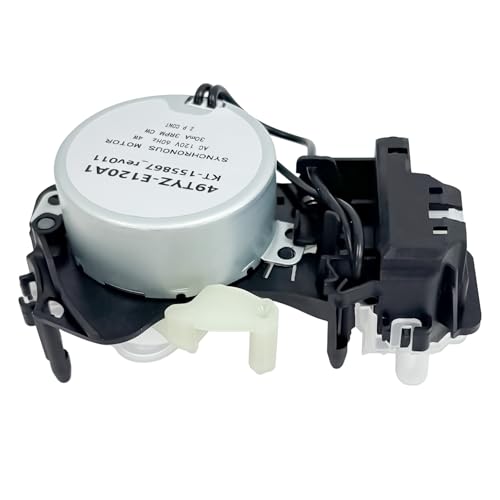
W10913953 49tyz-e120a1 50SM21-1-221B Washer Shift Actuator Replacement for Whirlpool Maytag
View on Amazon- TAR Score9.8
TAR Score is a ranking system developed by TopAppliancesReviews.com. TAR score has no relationship or impact from any manufacturers or sales agent websites. Learn more
- BrandBigHead

- TAR Score9.6
TAR Score is a ranking system developed by TopAppliancesReviews.com. TAR score has no relationship or impact from any manufacturers or sales agent websites. Learn more
- BrandSURPOUF

50SM21-1-221B Shift Actuator fit for Whirlpool-Maytag-Amana-Kenmore Washer EMZ Synchronous Motor
View on Amazon- TAR Score9.2
TAR Score is a ranking system developed by TopAppliancesReviews.com. TAR score has no relationship or impact from any manufacturers or sales agent websites. Learn more
- Brandprime&swift

- TAR Score8.8
TAR Score is a ranking system developed by TopAppliancesReviews.com. TAR score has no relationship or impact from any manufacturers or sales agent websites. Learn more
- BrandTOMOON
![[2025 Upgraded] BlueStars WPW10448876 Washer Water Level Pressure Switch - Compatible with Whirlpool, Maytag, Amana, Kenmore Washer - W10448876 10448876 2312075 AP6021553 PS11754877 WPW10448876VP](https://m.media-amazon.com/images/I/41qWfwHIMoL._SL500_.jpg "[2025 Upgraded] BlueStars WPW10448876 Washer Water Level Pressure Switch - Compatible with Whirlpool, Maytag, Amana, Kenmore Washer - W10448876 10448876 2312075 AP6021553 PS11754877 WPW10448876VP")
- TAR Score8.8
TAR Score is a ranking system developed by TopAppliancesReviews.com. TAR score has no relationship or impact from any manufacturers or sales agent websites. Learn more
- BrandBlueStars

ZYTTOO W10913953 49tyz-e120a1 Shift Actuator Compatible with May-tag, Whirlpool, Kenmore,
View on Amazon- TAR Score8.6
TAR Score is a ranking system developed by TopAppliancesReviews.com. TAR score has no relationship or impact from any manufacturers or sales agent websites. Learn more
- BrandZYTTOO
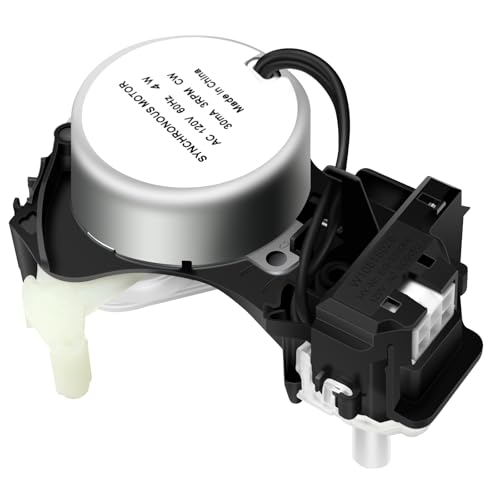
Upgraded W10913953 49tyz-e120a1 Washer Shift Actuator Compatible with Whirlpool Maytag
View on Amazon- TAR Score8.4
TAR Score is a ranking system developed by TopAppliancesReviews.com. TAR score has no relationship or impact from any manufacturers or sales agent websites. Learn more
- BrandM Motico

- TAR Score6.4
TAR Score is a ranking system developed by TopAppliancesReviews.com. TAR score has no relationship or impact from any manufacturers or sales agent websites. Learn more
- BrandChoice Manufactured Parts
Last update on 2026-05-21 / Affiliate links / Images, Product Titles, and Product Highlights from Amazon Product Advertising API
How To Fix Amana Washer Not Starting Properly
The silence after pressing the start button feels louder than the spin cycle ever did. Laundry baskets stack up, routines derail, and irritation creeps in fast. That stalled moment usually signals a simple breakdown in communication between power, safety, and controls, not a total failure. How to fix amana washer not starting properly becomes less intimidating once the real pressure points come into focus.
Power Supply And Electrical Interruptions
Electricity drives every action inside the washer, yet power issues hide in plain sight. A slightly loose plug or a tired outlet can cut the flow without tripping alarms. Stable power delivery matters more than fancy features, especially in homes with older wiring. Many stalled starts trace back to this overlooked foundation.
Breakers trip quietly after storms, overloads, or quick power flickers. Resetting them feels basic, yet it solves more startup failures than most people expect. Circuit protection systems shut things down before damage happens, even if the washer itself seems fine. That protective reflex often gets mistaken for a machine defect.
Extension cords and power strips create another weak link. They drop voltage under load, confusing the washer’s control logic. Direct wall connections keep voltage steady during startup checks. Removing temporary power solutions eliminates guesswork early.
Testing the outlet with another appliance adds clarity. If a lamp flickers or a vacuum struggles, the outlet needs attention. Consistent voltage gives the washer confidence to move forward with its cycle. That small test saves hours of deeper troubleshooting.
Control Panel Glitches And Reset Logic
Control boards act like the washer’s brain, processing every command before action begins. Power surges or rapid button presses can freeze that brain mid-thought. Control panel lockups look dramatic but usually reset cleanly. Unplugging the washer for several minutes clears residual charge.
Buttons that feel mushy or unresponsive send mixed signals. Wear inside the panel interrupts contact, leaving commands half-registered. Input recognition depends on clean, firm presses. Repeating the same command slowly often reveals whether the panel is the culprit.
Error lights or blinking patterns hint at internal confusion. These signals often appear without clear explanations on the surface. Diagnostic cues guide attention toward specific systems, even without a display screen. Observing patterns before resetting helps later repairs.
Control boards rarely fail suddenly. Heat, humidity, and minor surges chip away over time. Gradual electronic fatigue explains why resets work temporarily before problems return. That pattern signals deeper inspection rather than blind replacement.
Door Locks And Lid Switch Safeguards
Safety systems block startup more often than broken motors ever do. A washer refuses to start if it doubts the door or lid position. Lid switch alignment ensures spinning doesn’t happen at the wrong moment. A millimeter off can stop everything cold.
Front-load models rely on door locks that engage electrically. If the lock doesn’t confirm closure, the washer stays idle. Lock confirmation signals protect against leaks and sudden openings. Dirt or detergent residue sometimes interferes with that signal.
Slamming the door trains the latch to misalign over time. Gentle closure keeps the mechanism seated correctly. Mechanical precision matters more than force in these systems. Adjustments often restore startup without new parts.
Listening helps during troubleshooting. A faint click usually signals a locking attempt. Audible feedback offers clues about whether the washer reaches the safety check stage. Silence points back to wiring or control issues.
Water Supply Checks That Block Startup
Washers test water readiness before committing to a cycle. Closed valves or weak pressure trigger hesitation. Water inlet verification acts as a gatekeeper during startup. The washer won’t proceed without confirmation.
Kinked hoses restrict flow enough to confuse sensors. Straightening them feels trivial, yet results show up instantly. Unrestricted flow reassures the control board that filling can happen safely. That green light allows the cycle to begin.
Cold and hot valves both matter, even if using a single temperature. The washer checks each side during diagnostics. Balanced inlet pressure keeps sensors satisfied. Ignoring one valve creates unnecessary false errors.
For long-term reliability, hose condition counts. Cracks or internal buildup reduce pressure gradually. Preventive hose maintenance avoids sudden startup refusals down the line. Simple replacements beat emergency fixes.
Internal Wiring And Connection Fatigue
Vibration loosens internal connectors over years of use. A signal interrupted for a split second halts the entire startup sequence. Secure wiring harnesses keep communication flowing smoothly. Inspecting them requires patience, not guesswork.
Oxidation forms on terminals in humid environments. That thin layer blocks electrical signals just enough to confuse controls. Clean contact points restore proper voltage readings. A gentle reseat often solves intermittent failures.
Rodents and insects sometimes chew insulation unnoticed. Damage stays hidden until startup demands full continuity. Insulation integrity protects both safety and performance. Visual inspection inside the cabinet tells the story.
Documenting connector locations helps during reassembly. Photos prevent crossed connections later. Methodical handling reduces accidental mistakes. That discipline pays off with a successful restart.
Load Balance And Sensor Interference
Overloading the drum throws off balance detection systems. The washer halts before spinning to avoid damage. Load sensing accuracy depends on reasonable distribution. Removing a few items often restarts the process.
Bulky fabrics clump together, tricking sensors into sensing imbalance. Redistributing the load changes everything. Even weight distribution reassures the washer during startup checks. That small adjustment unlocks normal operation.
Repeated overloads strain suspension components. Sensors grow more sensitive over time as parts wear. Suspension health influences startup confidence. Early correction extends component life.
Using the right detergent amount reduces residue buildup. Excess suds confuse pressure sensors. Sensor clarity improves with proper detergent habits. That cleanliness keeps startup smooth.
Upgrade Considerations Beyond Immediate Fixes
Persistent startup issues sometimes signal aging design limits. Older machines lack modern diagnostics and efficiency. Long-term reliability becomes a deciding factor at this stage. Comparing newer options clarifies the cost-benefit balance.
To simplify future laundry days, explore best front load washing machine with dryer options that integrate smarter controls and stronger safety checks. Integrated washer-dryer systems reduce component conflicts. That consolidation often prevents startup confusion.
Detergent choice also influences internal health. Low-quality formulas leave residue on sensors and valves. To maintain cleaner internals, rely on best machine wash detergent selections designed for modern washers. Residue reduction supports consistent startups.
Environmental conditions inside the laundry space matter too. Dust and humidity shorten electronic lifespan. To protect sensitive boards, improve air quality with best hepa filter air purifier solutions. Cleaner air slows corrosion and extends reliability.
Motor Health And Thermal Protection Triggers
Motors rarely fail without warning, yet they do know how to shut things down dramatically. Overheating protection kicks in when internal temperatures climb too high. Thermal safety cutoffs pause startup to prevent permanent damage. Letting the washer rest for 30 to 60 minutes often restores operation.
Restricted airflow around the motor makes heat linger longer than it should. Dust buildup underneath the cabinet traps warmth in tight spaces. Proper ventilation helps the motor cool efficiently between cycles. A quick vacuum underneath can make a surprising difference.
Worn bearings inside the motor add resistance during startup. That extra strain triggers protection systems even before spinning begins. Mechanical drag increases electrical load and heat at the same time. Early symptoms include humming sounds without movement.
Ignoring repeated thermal shutdowns shortens motor life fast. Each restart under stress compounds wear. Cooling cycles should be respected to avoid deeper repairs. Long-term reliability depends on that patience.
Timer And Selector Dial Wear Patterns
Mechanical timers rely on internal contacts that rotate and connect circuits. Over years of use, those contacts wear unevenly. Incomplete electrical paths stop the washer before startup completes. Turning the dial slowly sometimes restores contact temporarily.
Selector knobs that feel loose hint at internal fatigue. That looseness translates into poor alignment inside the timer. Contact precision matters more than the knob’s appearance. Small misalignments create big functional gaps.
Electronic selectors face similar issues through degraded solder joints. Heat cycles expand and contract materials repeatedly. Microfractures form quietly until signals fail to pass. Startup refusal often follows.
Replacement decisions depend on consistency of failure. Random starts suggest contact wear rather than total failure. Pattern recognition helps decide between repair and replacement. Guessing leads to wasted parts.
Drain System Conflicts That Prevent Startup
Some washers perform quick drain checks before allowing a new cycle. Standing water in the tub interrupts that process. Drain readiness checks block startup as a precaution. Clearing residual water restores normal sequencing.
Lint, coins, and debris clog drain pumps more often than expected. Those blockages don’t always cause leaks or noise. Hidden obstructions quietly prevent the washer from moving forward. Accessing the pump reveals the problem quickly.
Drain hoses installed too low create siphoning issues. Water flows out unexpectedly, confusing sensors. Proper hose height stabilizes water levels during startup checks. Manufacturer guidelines matter here.
Regular maintenance prevents most drain-related failures. Cleaning filters keeps flow predictable. Consistent drainage reassures control systems during every cycle start.
Environmental Factors Inside The Laundry Space
Laundry rooms trap moisture, dust, and pet hair over time. That mix accelerates corrosion on contacts and boards. Environmental exposure shortens component lifespan silently. Startup issues often appear first.
Pet owners face an added challenge with hair migrating into internal spaces. Hair wraps around sensors and wiring. Airborne debris control protects sensitive components from interference. This detail often gets overlooked.
To reduce buildup inside the washer, protect loads using best dog hair catcher for washing machine solutions that trap hair before it circulates. Hair containment keeps internals cleaner longer. That prevention supports consistent startup behavior.
Humidity control also plays a role. Damp air speeds oxidation on metal contacts. Moisture management through ventilation or dehumidification reduces electrical resistance over time.
Power Stability During Outages And Fluctuations
Unstable power creates confusion for modern washers. Brief outages interrupt startup sequences mid-check. Voltage consistency determines whether the washer proceeds or freezes. Frequent flickers compound control issues.
Rural areas and storm-prone regions feel this problem more acutely. Power returns unevenly, stressing electronics. Surge exposure accumulates damage across seasons. Resetting helps temporarily, not permanently.
Backup power offers a buffer against sudden drops. For homes prone to outages, consider best generator for rv use options adapted for household appliances. Stable backup supply keeps startup logic intact during interruptions.
Using surge protectors rated for appliances adds another layer of defense. They absorb spikes before boards feel the hit. Electrical protection extends control board life noticeably.
Long-Term Habits That Prevent Repeat Failures
Habits shape reliability more than most people realize. Gentle door closure preserves lock alignment. Consistent handling reduces mechanical stress at every cycle.
Load discipline prevents suspension strain and sensor confusion. Avoiding chronic overloading keeps startup checks simple. Balanced usage protects both motor and controls. That balance pays off long term.
Routine inspections catch issues early. Listening for new sounds or delayed responses signals change. Early awareness turns potential failures into quick fixes. Waiting always costs more.
Respecting cooldown periods after heavy use matters. Motors and boards need recovery time. Operational patience preserves internal systems and keeps startup dependable.


10 Best Quality Semi Automatic Washing Machine of 2026 For Leak-Free Laundry

11 Best Small Washer Machine of 2026 For Everyday Laundry

12 Best Vibration Pads For Washing Machine of 2026 To Stop Walking and Shaking

11 Best Selling Front Load Washing Machine of 2026 For Quiet Odor-Free Laundry

11 Best Washing Machine For King Size Bedding of 2026 To Prevent Cycle Errors

10 Best Small Front Loader Washing Machine of 2026 For Tight Closets

12 Best Side Load Washing Machine of 2026 For Low Vibration

11 Best Single Tub Washing Machine of 2026 For Apartments Without Hookups






