
How to Fix a Rusty or Sticky Cast Iron Skillet

Most damaged skillets can be saved. Scrubbing away the buildup down to bare iron (the raw grey metal underneath) and baking on fresh oil quickly restores that slick cooking surface. Orange rust, gummy grease, and flaking black specks look terrible, but that damage almost never ruins the pan itself.
The right fix depends on what is happening across the surface. A sticky pan usually just needs extra heat to cure the soft oil into a hard protective coating, while stubborn rust or burnt crust takes a stiff scouring pad and coarse salt. The only flaws you cannot fix are cracked metal or a warped base that rocks on the stove. If the iron stays solid, you can strip the grime away and rebuild a smooth finish that lasts for years.
Most damaged skillets have surface issues you can fix
Finding an old cast iron pan covered in red rust, sticky grease, or flaking crust can feel discouraging. Many home cooks assume that once bare metal shows or orange dust appears, the pan is ruined. Cast iron, however, is a single piece of solid metal. Surface rust and burnt food only affect the outer face of the iron. You can bring almost any neglected pan back to life with basic kitchen supplies.
Before spending time scrubbing, inspect the pan to confirm it is safe to repair:
- Cracks in the metal: Look along the rim, sidewalls, and flat cooking surface. A crack goes through the iron and can split open under heat. A cracked skillet cannot be repaired safely and must be retired.
- Heat warping: Place the skillet on a flat counter. Press down on opposite sides of the rim to verify whether it wobbles or spins. The pan bottom bending or wobbling because cold water hit hot metal means the base is warped. A warped skillet will not heat evenly on flat electric or induction burners, though it can still work over a gas flame if it sits steady.
- Deep pitting: Minor surface texture fills in with oil over time. Deep pits that create thin spots weaken the iron and cause food to stick permanently.
- Surface rust and flaking crust: Bright orange rust, thick brown grease, and peeling black specks look alarming, but they do not ruin the iron underneath. Learning how to refurbish an old cast iron skillet follows these exact restoration steps.
Scrub away rust and burnt crust to bare iron
When rust or charred food covers your skillet, spot cleaning will not hold up. You need to strip away the decayed layers down to bare iron, which is the raw grey metal hiding underneath. You do not need power tools or chemical lye baths for ordinary rust. Simple friction, warm water, and an abrasive pad will strip the metal safely.
- Loosen surface grease: Run warm tap water into the pan with a drop of mild dish soap. Soap cuts through old grease so your abrasive pad can reach the rusted metal directly.
- Scrub down the rust: Take fine steel wool or a stainless steel chainmail scrubber and scour the rusted areas using tight circular motions. For stubborn patches, pour coarse kosher salt into the pan as an abrasive paste. Using how to clean a cast iron skillet with salt scours away grit without scratching the metal.
- Clean the outside walls and handle: Scrub the exterior walls, handle, and bottom base. Pay special attention to the seams where the handle meets the rim, because trapped water often starts rust spots there.
- Rinse and inspect the raw metal: Rinse away the dirty slurry with warm water. Bare iron has a light, matte grey appearance. If you still spot orange stains or bumpy carbon spots, scrub those areas again until only clean grey metal remains.
- Dry immediately to prevent flash rust: Bare raw iron reacts with moisture quickly, creating flash rust, which is fast surface rust from moisture in the air. Wipe the skillet dry with a clean cloth right away. Set it on a stove burner over low heat for two minutes to vaporize lingering moisture.
Sticky residue and black flakes come from excess oil
Not every damaged skillet suffers from rust. Many cooks struggle with sticky, gummy surfaces or black flakes that peel off into food. Both problems happen when cooking oil is applied incorrectly or heated unevenly.
A sticky skillet happens when too much cooking oil is applied during seasoning, or when the pan comes off the heat before the oil cures. To form a smooth nonstick surface, cooking oil must get hot enough to transform into a hard protective oil coating. When heat is too low or oil is too thick, the liquid half-bakes into a gummy film that traps dust and makes food stick.
Peeling black specks happen when food particles get trapped under old oil layers, or when seasoning builds up in uneven crusts. Over time, that brittle carbon crust separates from the iron, leaving black specks in your food. While these flakes are harmless carbonized oil, they ruin your cooking and leave bare metal exposed to moisture.
Fixing these issues depends on the type of buildup:
- Fixing light stickiness: If the surface feels slightly tacky, place the skillet upside down in an oven heated to 450°F for one hour. The dry heat finishes baking the uncured oil into a hard shell. Let the pan cool inside the oven.
- Fixing heavy gummy grease: If the oil formed thick yellow drops, wash the pan with hot water, mild dish soap, and a stiff brush or chainmail scrubber. Scrub until the tacky residue dissolves and the surface feels completely dry under your fingers.
- Fixing peeling flakes: Take a rigid pan scraper or chainmail pad and scrape the cooking surface firmly while the pan is dry. Knock loose every brittle flake until only smooth coating remains. Wash the pan, dry it on the stove, and patch the bare areas with fresh oil.
Bake thin oil layers to rebuild a slick finish
Once you scrub away rust or scrape off peeling flakes, you must protect the exposed metal. A baked-on oil layer that stops sticking and prevents rust is the foundation of every cast iron skillet. When fat is heated past its smoke point in a hot oven, it bonds tightly to the metal pores and hardens into a smooth, durable shield.
- Heat your oven: Set your oven between 450°F and 500°F. High heat cures the oil completely and prevents a gummy finish. Place a sheet of aluminum foil on the bottom rack to catch any stray drips.
- Pick the right oil: Choose an oil with a high smoke point and plenty of unsaturated fats. Canola oil, grapeseed oil, sunflower oil, and refined coconut oil work exceptionally well. Avoid butter, unrefined olive oil, and bacon grease, because their low smoke points produce heavy smoke and sticky residue.
- Apply oil across the entire pan: Pour half a teaspoon of oil into the warm skillet. Use a clean cloth or paper towel to rub the oil over the entire pan, including the flat cooking surface, sidewalls, handle, and bottom base.
- Wipe the pan until it looks dry: This is the most critical step. Take a clean paper towel and wipe the skillet until it looks completely matte and dry. Only a microscopic film should cling to the iron pores. If the metal looks wet or glossy, you left too much oil, which will pool into sticky spots.
- Bake the skillet upside down: Place the skillet upside down on the middle oven rack. Turning the pan upside down prevents microscopic excess oil from pooling on the flat cooking surface. Bake undisturbed for one full hour.
- Let the pan cool slowly: Turn off the oven after an hour and leave the skillet inside until it cools to room temperature. Repeat this wipe, bake, and cool routine twice more for the strongest finish.
Wash gently and dry thoroughly after every meal
Once you rebuild your skillet, simple daily care prevents rust and sticky grease from returning. Cast iron does not require complex routines, but it does require protection from standing water and damp air.
- Clean while the pan is warm: Rinse the skillet under warm tap water shortly after cooking. Use a stiff brush or a flat scraper to lift browned crusty bits stuck to the bottom. Reviewing how to clean a dirty cast iron skillet will help you lift stubborn grease safely.
- Use mild dish soap when needed: Old kitchen lore says soap destroys cast iron. That rule applied to antique soaps made with harsh lye, which stripped away baked-on oil finishes. Modern mild dish soaps contain no lye and will not damage a cured oil coating. Use a few drops of soap whenever you need to wash away grease.
- Never soak your skillet: Leaving a cast iron pan in a sink full of standing water or running it through a dishwasher will trigger instant rust. Wash the pan quickly, rinse it clean, and never let it sit wet in the sink.
- Dry the iron over stove heat: Towel drying removes surface drops, but iron retains microscopic moisture. Set your clean skillet on a stove burner over low heat for two to three minutes until bone-dry.
- Apply a protective micro-coat: While the skillet remains warm, add one drop of cooking oil to the center. Rub the oil across the cooking surface with a paper towel, then wipe it with a clean dry towel until the surface looks matte. This thin coat shields the iron from humid air while in storage.
Simple restoration tools protect your hands and the iron
Restoring an old skillet is much easier with tools designed for heavy iron. While cast iron requires firm scrubbing, harsh wire wheels or sharp knives can gouge the cooking floor and ruin its shape.
When choosing care accessories to repair and maintain your skillet, look for durable, food-safe materials that provide good leverage:
- Rigid pan scrapers: Polycarbonate scrapers with assorted corner angles help you push against rounded skillet edges. They scrape away charred bits and crusty carbon without scratching the iron surface.
- Stainless steel chainmail scrubbers: Chainmail provides strong scouring power to scrape away orange rust and hardened grease without stripping the underlying cured oil finish. Choose scrubbers made of food-grade stainless steel with smooth, round links so they glide over the metal. Scrubbers that feature an internal silicone core or an ergonomic silicone handle keep your grip firm and protect your hands from dirty grime.
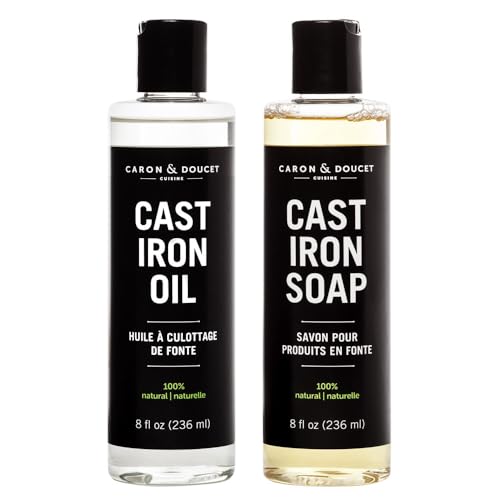
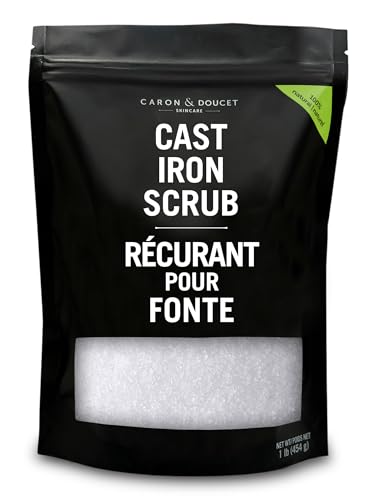
- Natural plant-based cleaning sets: Specialized cast iron soaps and restoring scrubs made from refined coconut oils and natural abrasive salts help remove rust spots gently. Unlike harsh household detergents, plant-based formulas lift grime without drying out the iron.
- Replacement skillets: If you inspect an old pan and find structural cracks or a warped base that rocks on your burner, restoration cannot make it safe. Look for a standard 10-inch or 12-inch cast iron skillet with a thick, even base that spreads heat steadily and resists thermal warping. A pan with sturdy pouring spouts and a solid helper handle gives you safe control whether you cook on the stove or in the oven.

- TAR Score9.4
TAR Score is a ranking system developed by TopAppliancesReviews.com. TAR score has no relationship or impact from any manufacturers or sales agent websites. Learn more
- BrandToiserns

- TAR Score9.4
TAR Score is a ranking system developed by TopAppliancesReviews.com. TAR score has no relationship or impact from any manufacturers or sales agent websites. Learn more
- BrandLodge

- TAR Score9.4
TAR Score is a ranking system developed by TopAppliancesReviews.com. TAR score has no relationship or impact from any manufacturers or sales agent websites. Learn more
- BrandCARON & DOUCET
- TAR Score9.4
TAR Score is a ranking system developed by TopAppliancesReviews.com. TAR score has no relationship or impact from any manufacturers or sales agent websites. Learn more
- BrandCARON & DOUCET

- TAR Score9.2
TAR Score is a ranking system developed by TopAppliancesReviews.com. TAR score has no relationship or impact from any manufacturers or sales agent websites. Learn more
- BrandCARON & DOUCET

- TAR Score9.0
TAR Score is a ranking system developed by TopAppliancesReviews.com. TAR score has no relationship or impact from any manufacturers or sales agent websites. Learn more
- BrandLodge

- TAR Score8.8
TAR Score is a ranking system developed by TopAppliancesReviews.com. TAR score has no relationship or impact from any manufacturers or sales agent websites. Learn more
- BrandCARON & DOUCET
- TAR Score8.8
TAR Score is a ranking system developed by TopAppliancesReviews.com. TAR score has no relationship or impact from any manufacturers or sales agent websites. Learn more
- BrandCARON & DOUCET

- TAR Score8.6
TAR Score is a ranking system developed by TopAppliancesReviews.com. TAR score has no relationship or impact from any manufacturers or sales agent websites. Learn more
- BrandCulina
Last update on 2026-09-29 / Affiliate links / Images, Product Titles, and Product Highlights from Amazon Product Advertising API


Top Rated Best Quality Range Hoods: 2026 Expert Picks

The 12 Best Small Solar Generators 2026

10 Best Quality Semi Automatic Washing Machine of 2026 For Leak-Free Laundry

11 Best Small Washer Machine of 2026 For Everyday Laundry

12 Best Vibration Pads For Washing Machine of 2026 To Stop Walking and Shaking

11 Best Selling Front Load Washing Machine of 2026 For Quiet Odor-Free Laundry

11 Best Washing Machine For King Size Bedding of 2026 To Prevent Cycle Errors

10 Best Small Front Loader Washing Machine of 2026 For Tight Closets






