
How to Drain Water From Top Load Washer Fast

How to drain water from top load washer sounds simple until you’re standing ankle-deep in laundry room panic with a machine that refuses to empty. One minute the spin cycle stops halfway through, then boom, dirty water just sits there like it owns the place. That stale smell creeping out of the drum doesn’t help either. A clogged drain hose, blocked pump, or twisted line can turn a regular wash day into a full-blown headache faster than expected.
Most people don’t realize how quickly trapped water can create bigger problems. Lingering moisture inside the tub often leads to mildew odors, slippery floors, and even damage around the washer base. Worse yet, lifting heavy soaked clothes out by hand feels like dragging bricks through water. A few practical steps can make the whole process smoother without tearing apart the machine or calling for costly repairs right away.
Proper draining techniques matter because top load washers don’t always fail in obvious ways. Sometimes the washer hums but won’t spin. Other times it drains painfully slow while leaving puddles behind. Small warning signs usually show up first, and ignoring them tends to backfire. Catching those issues early keeps laundry routines from spiraling into a frustrating weekend project.
Simple tools around the house often do the trick. A bucket, towels, gloves, and a little patience can handle most drainage situations without much fuss. Tilting the drain hose lower than the washer tub can help gravity push trapped water out naturally. Also, checking for lint buildup or sock blockages inside the hose may save hours of trial and error. Funny enough, tiny clothing items are notorious troublemakers in these machines.
Drain hose positioning plays a bigger role than many expect. Kinked hoses reduce water flow and force the pump to work harder than necessary. Over time, that extra strain can wear parts down faster. Straightening the hose and clearing obstructions may restore normal drainage almost immediately. It’s one of those little fixes people overlook until water starts pooling across the floor.
Then there’s the mess factor. Nobody wants grimy washer water splashing across clean floors or soaking nearby storage boxes. Controlled draining helps prevent sudden spills and keeps cleanup manageable. Slow and steady works better than rushing through the process. Honestly, a few extra minutes now beats scrubbing detergent sludge off the floor later.
How to drain water from top load washer also ties into long-term washer care. Standing water left inside the tub can weaken internal components and create funky odors that cling to freshly washed clothes. Regular maintenance keeps the machine smelling cleaner while improving wash performance. Small habits like inspecting hoses and cleaning filters now and then can save a surprising amount of stress down the road.

- TAR Score9.2
TAR Score is a ranking system developed by TopAppliancesReviews.com. TAR score has no relationship or impact from any manufacturers or sales agent websites. Learn more
- BrandCamco

- TAR Score9.2
TAR Score is a ranking system developed by TopAppliancesReviews.com. TAR score has no relationship or impact from any manufacturers or sales agent websites. Learn more
- BrandTOVEN-RV

- TAR Score9.2
TAR Score is a ranking system developed by TopAppliancesReviews.com. TAR score has no relationship or impact from any manufacturers or sales agent websites. Learn more
- BrandMAREKINEKO

- TAR Score9.0
TAR Score is a ranking system developed by TopAppliancesReviews.com. TAR score has no relationship or impact from any manufacturers or sales agent websites. Learn more
- BrandDLHMBOQ

- TAR Score9.0
TAR Score is a ranking system developed by TopAppliancesReviews.com. TAR score has no relationship or impact from any manufacturers or sales agent websites. Learn more
- BrandElyfree
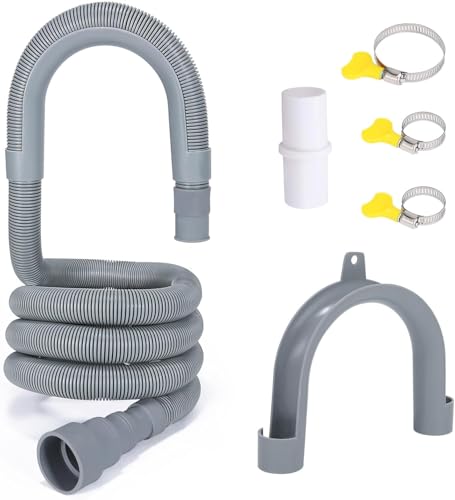
- TAR Score8.8
TAR Score is a ranking system developed by TopAppliancesReviews.com. TAR score has no relationship or impact from any manufacturers or sales agent websites. Learn more
- BrandPink Cross
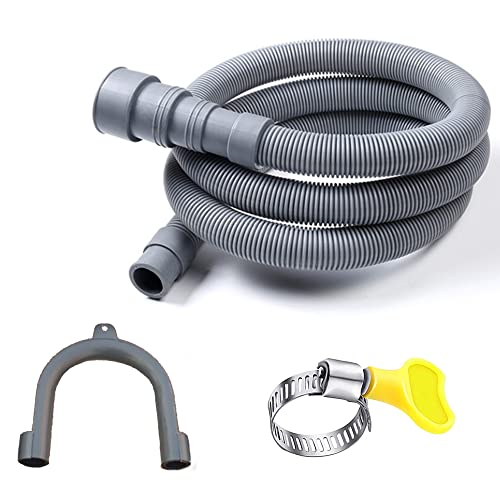
- TAR Score8.6
TAR Score is a ranking system developed by TopAppliancesReviews.com. TAR score has no relationship or impact from any manufacturers or sales agent websites. Learn more
- BrandHLMOptimo
Last update on 2026-06-25 / Affiliate links / Images, Product Titles, and Product Highlights from Amazon Product Advertising API
How To Drain Water From Top Load Washer Safely
A washer full of murky water can make a normal laundry day feel like a mini household crisis. Wet clothes get heavy, the room starts smelling sour, and every move feels risky because one wrong tilt can send water across the floor. That is where how to drain water from top load washer becomes more than a repair tip. It becomes a practical way to protect your floor, your washer, and your patience before the mess gets worse.
Start With Safety First
Safety should come before hoses, buckets, or any quick fix. A top load washer holds water near electrical parts, so unplugging the machine is the first move, not an optional step. Standing water and plugged-in appliances make a bad pair. Kill the power, clear the floor, and keep kids or pets away from the laundry area.
Water weight is easy to underestimate. A drum that looks half full can still hold several gallons, and that makes soaked clothes feel like gym weights. Pulling them out too fast can strain your back or splash dirty water everywhere. Work slowly, keep towels close, and use a small container if the drum is too full to move clothing safely.
Floor protection saves cleanup time later. Place old towels around the washer base before touching the drain hose or moving the machine. A shallow tray or wide bucket helps catch sudden spurts from the hose. Yeah, it looks fussy at first, but it beats chasing water under cabinets with a mop.
Personal protection matters too, especially if the water has been sitting for hours. Wear gloves if the washer smells musty or the load included pet bedding, muddy clothes, or cleaning rags. Stale wash water can carry detergent residue, lint, grime, and odor-causing buildup. Keep the area ventilated so that damp smell does not hang around like an unwanted guest.
Check Why Water Is Sitting
Standing water usually points to a blocked path, a failed drain cycle, or a washer that stopped before it could spin. The issue might be as simple as a kinked hose behind the machine. It might also be a clogged pump, a jammed lid switch, or an overloaded drum that threw the cycle off balance. A quick visual check can keep you from tearing into parts that are not the problem.
Listen to the washer before assuming the worst. A humming sound may suggest the pump is trying to work but something is blocking it. Silence can point toward a power, lid lock, or control issue. Loud grinding, on the other hand, deserves caution because a coin, button, or small clothing item may be stuck near the pump.
Drain hose position can make or break the whole process. A hose pushed too far into the standpipe may create siphoning trouble, while a crushed hose can stop water from leaving the tub. Pull the washer forward just enough to inspect the hose without yanking it loose. Small bends behind the machine often cause big headaches.
Load size can also trigger drainage problems. Heavy blankets, towels, and bulky clothing can settle unevenly and stop the washer from spinning out water correctly. For future loads, matching machine capacity to household laundry habits can prevent repeated drainage drama. For a more practical size match before upgrading, compare your setup with the best size washing machine family guide and avoid buying more drum than your laundry space can handle.
Use The Drain Hose Method
The drain hose method is usually the least invasive way to remove water from a top load washer. Start by unplugging the machine, then locate the drain hose at the back. Keep a bucket or floor drain nearby before lowering the hose. Gravity does the heavy lifting once the hose sits below the water level in the tub.
Controlled draining matters because water may rush out faster than expected. Hold the hose firmly and aim it into a bucket, utility sink, or low floor drain. If the bucket fills quickly, raise the hose above the washer water level to pause the flow. That simple up-and-down motion gives you control without fancy tools.
Clog checks should happen if water barely trickles out. Disconnect the hose carefully and inspect both ends for lint, coins, hair ties, or fabric bits. A straightened wire hanger can damage the hose if used too aggressively, so go gentle. Warm water flushed through the hose may loosen detergent sludge without poking holes in the rubber.
Mess control depends on patience. Empty the bucket often, wipe small spills right away, and avoid rushing the final bit of water. The last few inches may drain slowly because pressure drops as the tub empties. That is normal, and forcing the hose around can create a bigger spill than the washer ever did.
Drain From The Washer Tub
Manual tub draining helps when the drain hose will not release water or the washer sits too far from a safe drain point. Use a small pitcher, plastic container, or wet-dry vacuum rated for liquids. Scoop water into a bucket in steady rounds instead of trying to lift soaked clothes right away. Removing water first makes the load lighter and safer to handle.
Wet-dry vacuum use can speed things up, but only if the vacuum is built for liquid pickup. Never use a regular household vacuum on washer water. Keep the nozzle low in the tub and stop before the vacuum tank overfills. That little pause between fills prevents a nasty overflow surprise.
Clothing removal gets easier once the water level drops. Lift heavy items one at a time and press them gently against the inside of the tub to release extra water. Avoid twisting fabric too hard because zippers, buttons, or soaked seams can snag. Place wet clothing in a laundry basket lined with towels so it does not drip across the house.
Odor control starts after the tub is mostly empty. Wipe the inside rim, agitator area, and lower drum surface with a clean towel. If the machine sat overnight, the smell may cling to the rubber and plastic areas. For front-load style seal issues in nearby laundry setups, protect against grime buildup with this guide to the best cleaner washing machine door seal, especially if damp odors keep coming back.
Clear Common Drain Blockages
Blockages love hiding in places that look harmless. Lint, pet hair, small socks, bra pads, coins, and loose buttons can all restrict water flow. Top load washers often push debris toward the pump or drain hose during the final cycle. Once that path narrows, the washer may leave water behind or stop before spinning.
Small clothing items are repeat offenders. Baby socks, thin washcloths, and removable pads can slip around the agitator or basket area. Use a flashlight to inspect the drum bottom and side gaps after draining. A long pair of tongs can help remove visible items without pushing them deeper.
Pump access depends on the washer model, so do not start unscrewing panels blindly. Some top load washers have an accessible pump area near the back or bottom, while others need more careful disassembly. Check the machine label and look for the manual before removing parts. If you hear grinding or smell burning, stop and avoid running another cycle.
Pet hair buildup can turn into a real drainage nuisance. Hair clings to lint, detergent residue, and fabric fibers until water flow slows down. Shake pet bedding outside before washing and run smaller loads when fabric is heavily covered. For homes where pet dander also affects the air, reduce lingering laundry-room irritation by comparing the best air purifier pet allergies asthma options before odors and particles spread into nearby rooms.
Reset And Test The Washer
A reset can help after the washer is drained and the obvious blockage is gone. Leave the machine unplugged for a few minutes so the control board can fully power down. Plug it back in, select a drain or spin cycle, and listen closely. The goal is not to wash another full load yet, but to see whether the pump moves water normally.
A small test load gives better feedback than jumping straight into towels or blankets. Add a few light items, choose a short cycle, and stay nearby during the drain stage. Watch the hose, floor, and standpipe for leaks or overflow. If water drains cleanly and the spin cycle finishes, the original issue may have been a temporary clog or load imbalance.
Repeated failure means the problem needs deeper attention. A washer that fills, agitates, and then refuses to drain may have a pump, lid switch, belt, or control issue. A machine that drains slowly every time may have a partial hose blockage or plumbing restriction. Running the same failed cycle again and again only adds wear.
Professional help makes sense if you smell burning, hear harsh grinding, see water leaking from the bottom, or notice the breaker tripping. Those signs go beyond a simple clogged hose. A good technician will check the drain pump, belt drive, lid switch, wiring, and standpipe behavior. Paying for the right repair beats replacing parts on a hunch.
Prevent The Next Drain Problem
Prevention starts with better loading habits. Bulky items need room to move, and dense loads can stop the washer from balancing during spin. Mix heavy and light pieces carefully instead of stuffing the drum to the top. A washer that can spin freely drains more reliably and leaves clothes less soggy.
Routine hose checks take only a minute but prevent plenty of grief. Look behind the washer for kinks, cracks, loose clamps, or hose ends jammed too tightly into the drain pipe. Replace brittle hoses before they split. That small bit of maintenance can protect floors, walls, and stored items nearby.
Lint control also helps, especially with towels, pet bedding, and older fabrics. Shake out dusty laundry before loading it and avoid using too much detergent. Excess soap can leave residue that traps lint inside hoses and pump areas. More detergent does not mean cleaner clothes, and in many washers, it just creates sticky buildup.
Odor prevention comes down to airflow and moisture control. Leave the lid open after a wash so the tub can dry out. Wipe visible residue around the rim and agitator area if the washer smells damp. Clean, dry surfaces make it harder for mildew and stale laundry smells to settle in.
How To Drain Water From Top Load Washer Without Damage
A washer that drains poorly once may feel like a fluke, but repeat trouble usually means something deeper is going on. The tricky part is that water left in a top load washer can point to several small problems instead of one obvious failure. A hose may be pinched, the pump may be struggling, or the machine may be overloaded just enough to stop the spin cycle. Taking a calm, step-by-step approach keeps the repair from turning into a guessing game.
Handle Soaked Laundry The Smart Way
Soaked laundry gets heavy fast, and pulling everything out at once can make a mess in seconds. Start with the items sitting on top and let extra water drip back into the tub before moving them. Thick towels, jeans, and blankets should go into a plastic basket or utility sink if one is nearby. This keeps dirty water from trailing through the hallway like a crime scene.
Fabric weight matters more than it seems during a drainage problem. Bulky loads often throw a washer off balance, which can stop the final spin and leave water sitting in the drum. Felting projects, wool items, and dense fabric loads need extra care because agitation and hot water can change the fabric quickly. For specialty laundry habits, plan your setup around the best washing machine felting so heavy wet fibers do not overwhelm the wrong machine.
Wrung-out clothing should not be twisted harshly if the fabric is delicate. Press items gently against the side of the tub or let them drain in a sink before placing them in a basket. Buttons, seams, and zippers can stretch or snag when wet fabric is forced too hard. Slow handling saves the clothing and keeps the washer area cleaner.
Temporary storage helps if the washer still needs troubleshooting. Put wet clothes in a tub, sink, or lined basket instead of leaving them piled on the floor. Sitting fabric can sour quickly, especially in warm rooms or humid homes. Once the washer drains, run a rinse and spin cycle only after the drainage path has been checked.
Inspect The Standpipe And Home Drain
The washer drain does not end at the machine. Water has to move through the drain hose, into the standpipe, and through the home plumbing without backing up. If the washer drains but water rises from the standpipe, the machine may not be the main problem. A slow household drain can mimic a washer failure and send water back toward the floor.
Standpipe height affects drainage behavior. A hose placed too low can siphon water out too early, while a hose shoved too deep can restrict airflow. The hose should sit securely without being jammed into the pipe. Airflow around the hose helps water move properly instead of gurgling, backing up, or draining unevenly.
Clog symptoms often show up as bubbling, slow draining, or water spilling near the wall. Detergent residue, lint, hair, and old plumbing buildup can narrow the pipe over time. A drain snake or plumber may be needed if the standpipe repeatedly overflows. Forcing another washer cycle will only add more water to a drain that already cannot keep up.
Ventilation around utility areas also plays a quiet role in moisture control. A laundry room near a kitchen or open living space can spread damp odors faster than expected. Separately, if cooking steam and laundry humidity share the same air path, improve airflow planning with the best island hood vent so moisture does not linger across connected rooms. Good air movement will not fix a clog, but it helps keep musty smells from settling in.
Know What The Pump Is Telling You
The drain pump is the part doing the hard work once the washer starts removing water. If it hums without moving water, something may be stuck inside or blocking flow. If it clicks and stops, the motor may be overheating or failing. A totally silent pump during the drain cycle can point toward a lid switch, wiring, or control issue instead.
Pump blockages often come from tiny objects that slip through the wash. Coins, hair pins, buttons, and broken zipper pulls can jam the impeller. A stuck impeller may sound rough, like gravel rattling inside the machine. Stop the cycle right away if that noise appears because continued running can damage the pump.
Access panels vary by washer model, so guessing is risky. Some top load washers let you reach the pump from the back, while others require tipping or removing lower panels. Unplug the washer before touching any internal part. If the pump sits near sharp metal edges or wiring, slow down and avoid turning a simple drain job into a repair bill.
Replacement signs include recurring drainage failure, burning smells, leaks from the pump body, or a pump that runs but never clears the tub. A single clog does not always mean the pump is bad. Repeated trouble after the hose and standpipe are clear deserves a closer look. Spending money on a pump before checking the simple stuff can be a costly shortcut.
Clean Residue After Draining
Leftover residue is easy to miss after the water is gone. The washer may look empty, but detergent film, lint, and grime often cling around the agitator, rim, and bottom of the tub. Wipe those areas with a damp cloth before running another load. Otherwise, the next wash can stir that gunk right back into clean clothes.
Odor control should happen right away if the water sat for several hours. Leave the lid open and let the tub air out fully. A damp closed washer becomes a cozy little hideout for musty smells. A clean rinse cycle can help, but only after the washer is draining normally again.
Detergent habits can either help or hurt drainage. Too much soap creates sticky buildup that traps lint and slows water movement. High-efficiency detergent should be measured carefully, even in a top load machine. More suds may look satisfying, but they can leave the pump and hose dealing with residue they do not need.
Regular cleaning keeps the washer from turning every small clog into a bigger problem. Run a cleaning cycle on schedule if the machine has one. Wipe the lid, rim, and dispenser areas where moisture tends to hide. Small maintenance habits keep how to drain water from top load washer from becoming a repeat emergency.
Avoid Mistakes That Make Leaks Worse
Rushing the drain is one of the easiest ways to flood the floor. Pulling the hose too low without a bucket ready can send gallons out fast. Keep one hand on the hose and raise it to pause the flow whenever needed. That simple control move can save a stack of towels.
Tilting the washer without checking the hose can create another mess. Water trapped inside the machine may shift suddenly and leak from places that normally stay dry. Move the washer only as much as needed to access the back. Scraping the floor or bending the hose too sharply can create extra damage.
Running repeated cycles is another bad habit. If the washer failed to drain once, another full cycle may just add more water to the same problem. Use a drain or spin setting only after checking for visible blockages. If the machine stops again, shut it off and troubleshoot instead of hoping the next try magically fixes it.
Chemical drain cleaners should not be poured into the washer or drain hose. Harsh cleaners can damage rubber parts, seals, and pump components. They may also splash back during draining and create a safety risk. Mechanical cleaning and careful inspection are safer paths for washer drainage problems.
Build Better Laundry Habits
Balanced loads keep the washer from fighting itself during the spin cycle. Mix large and small items so weight spreads evenly around the drum. One heavy blanket by itself can slap around, trigger imbalance, and leave water behind. The washer needs room to move clothing, not a packed drum that behaves like a wet brick.
Pocket checks sound basic, but they prevent plenty of pump trouble. Coins, receipts, tissues, hair clips, and small toys all find their way into washers. Once those items reach the drain path, they can block water or damage the impeller. A ten-second pocket check beats fishing soggy paper out of a hose later.
Proper detergent dosing reduces residue inside the machine. Follow the detergent label and adjust for load size rather than pouring by habit. Soft water usually needs less detergent, while heavy soil may need a measured boost. Guessing often creates extra suds, and extra suds can slow the drain stage.
Routine inspection should be part of normal laundry care. Look behind the washer once in a while to spot crushed hoses, damp flooring, or loose connections. Replace damaged hoses before they fail during a full tub drain. A washer that looks boring behind the scenes is usually the one causing the least trouble.
Spot Signs That Need Repair
Recurring standing water is the biggest sign that a quick drain was only a temporary fix. If the tub fills, washes, and stalls again at the drain stage, something is not cycling properly. The pump, lid switch, belt, or control board may need attention. Repeating the same drain workaround every week is a clue, not a solution.
Burning smells should never be ignored. A struggling pump or belt can overheat if the washer keeps trying to drain against a blockage. Shut the machine off and unplug it if the smell appears. Waiting it out can turn a minor part issue into a larger failure.
Leaks from underneath call for a closer inspection. Water at the front may come from overflow, but water from the bottom can mean a loose hose, damaged pump, or cracked internal part. Dry the floor, run a small controlled test, and watch where the water starts. Guessing from a puddle alone can send you in the wrong direction.
Drainage confidence comes from knowing what is normal for your machine. A healthy top load washer should move from wash to drain to spin without long pauses, loud grinding, or leftover water. Small changes in sound, smell, and cycle behavior often show up before total failure. Catching those clues early keeps how to drain water from top load washer from turning into a soaked-floor surprise.


10 Best Quality Semi Automatic Washing Machine of 2026 For Leak-Free Laundry

11 Best Small Washer Machine of 2026 For Everyday Laundry

12 Best Vibration Pads For Washing Machine of 2026 To Stop Walking and Shaking

11 Best Selling Front Load Washing Machine of 2026 For Quiet Odor-Free Laundry

11 Best Washing Machine For King Size Bedding of 2026 To Prevent Cycle Errors

10 Best Small Front Loader Washing Machine of 2026 For Tight Closets

12 Best Side Load Washing Machine of 2026 For Low Vibration

11 Best Single Tub Washing Machine of 2026 For Apartments Without Hookups






