
How to Drain Washer Stuck on Drain or Spin Cycle Fast

How to drain washer stuck on drain or spin cycle becomes a real headache the second dirty water refuses to leave the drum. One minute the laundry routine feels normal, then bam, the washer freezes mid-cycle with soggy clothes and a tub full of water. That stale smell starts creeping in, towels get heavier by the minute, and frustration builds fast. Plenty of people assume the appliance is toast, but honestly, clogged filters, twisted hoses, or overloaded drums usually sit at the center of the mess.
Standing water inside a washer creates more than annoyance. Damp clothes can develop mildew odors surprisingly fast, especially in humid laundry rooms with weak airflow. A blocked drain pump often makes strange humming noises, while a kinked hose can stop water from moving altogether. Drain hose problems, trapped lint, and overloaded cycles tend to snowball into bigger issues if ignored too long.
Most washers give warning signs before they completely stop draining. Slow spinning, unusual vibrations, or random pauses during the rinse cycle often hint that something’s brewing behind the scenes. Some machines flash error codes that leave people scratching their heads, while others stay completely silent and stubborn. Either way, understanding why the washer gets stuck saves time, prevents unnecessary repair bills, and helps avoid dumping gallons of water onto the laundry room floor.
Small maintenance habits can make a huge difference. Cleaning the pump filter every so often helps prevent coins, pet hair, and lint buildup from choking the drainage system. Checking pockets sounds basic, sure, but loose objects jam drain pumps more often than most folks realize. Also, using too much detergent creates excess suds that interfere with proper draining and spinning cycles.
Some situations need quick action before things spiral. Water sitting inside the drum overnight can seep into fabrics and leave clothes smelling funky even after rewashing them. Front-load washers especially struggle with lingering moisture if the drain system stays blocked. Manual draining methods, proper hose positioning, and safe water removal techniques become essential during these moments.
Mechanical failures sometimes enter the picture too. Drain pumps wear down, lid switches malfunction, and control boards occasionally freeze mid-cycle for no obvious reason. Still, replacing expensive parts without checking the basics first can burn through money fast. A simple clog hidden in the filter housing might look dramatic while actually being a straightforward fix.
Laundry piles up quickly once a washer stops working properly. Sports uniforms, bedding, work clothes, and towels suddenly turn into a mountain of damp fabric nobody wants to deal with. That’s why learning how to drain washer stuck on drain or spin cycle matters so much. The faster the water comes out safely, the easier it becomes to inspect the real cause and get the machine back on track without extra chaos.
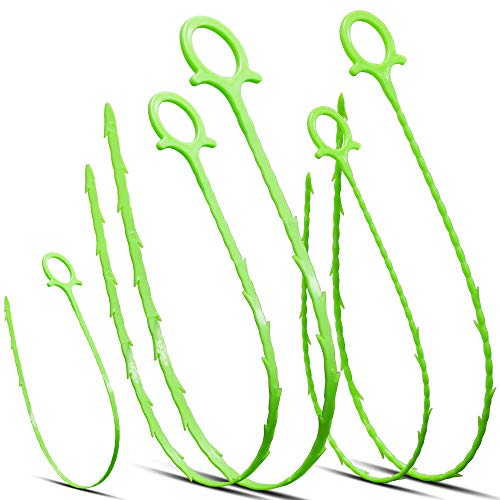
- TAR Score8.6
TAR Score is a ranking system developed by TopAppliancesReviews.com. TAR score has no relationship or impact from any manufacturers or sales agent websites. Learn more
- BrandMUSMU

- TAR Score8.4
TAR Score is a ranking system developed by TopAppliancesReviews.com. TAR score has no relationship or impact from any manufacturers or sales agent websites. Learn more
- BrandLYMGS

- TAR Score8.4
TAR Score is a ranking system developed by TopAppliancesReviews.com. TAR score has no relationship or impact from any manufacturers or sales agent websites. Learn more
- BrandOutus

- TAR Score8.0
TAR Score is a ranking system developed by TopAppliancesReviews.com. TAR score has no relationship or impact from any manufacturers or sales agent websites. Learn more
- BrandDrSnake

- TAR Score7.8
TAR Score is a ranking system developed by TopAppliancesReviews.com. TAR score has no relationship or impact from any manufacturers or sales agent websites. Learn more
- Brandoanie

- TAR Score7.6
TAR Score is a ranking system developed by TopAppliancesReviews.com. TAR score has no relationship or impact from any manufacturers or sales agent websites. Learn more
- BrandDrainX

- TAR Score7.2
TAR Score is a ranking system developed by TopAppliancesReviews.com. TAR score has no relationship or impact from any manufacturers or sales agent websites. Learn more
- BrandRIDGID
Last update on 2026-06-25 / Affiliate links / Images, Product Titles, and Product Highlights from Amazon Product Advertising API
How To Drain Washer Stuck On Drain Or Spin Cycle
A washer full of standing water can turn a normal laundry day into a soggy little nightmare. Clothes sit heavy in the drum, the timer refuses to move, and the machine keeps humming like it knows something you don’t. That’s exactly where how to drain washer stuck on drain or spin cycle becomes more than a quick fix, because safe draining, clog checks, and smart troubleshooting can stop a small mess from becoming a repair bill.
Drain Cycle Trouble
A washer stuck in drain or spin usually points to one thing first: water cannot leave the machine properly. The tub may still be full, the clothes may feel soaked, and the drum may refuse to reach full spin speed. That doesn’t always mean the washer is broken beyond repair. Often, blocked flow, too much detergent, or a jammed pump filter is hiding behind the drama.
Start with the simple clues before pulling panels or blaming the control board. A humming sound without water movement often suggests the drain pump is trying, but something is stopping it. A silent washer may point toward a lid switch, door lock, or paused cycle issue. Either way, forcing the cycle over and over can make the washer work harder without solving the blockage.
Waterlogged laundry also creates a second problem. Heavy clothes can throw the drum off balance, especially towels, blankets, jeans, and hoodies. The washer may keep restarting spin because it senses an uneven load. Redistributing the load can sometimes help, but standing water still needs to be drained before the machine can spin correctly.
Safety comes first, no kidding. Unplug the washer before reaching near hoses, filters, or pump access areas. Keep towels, a shallow tray, and a bucket nearby because trapped water can rush out fast. A calm setup protects the floor, keeps hands away from moving parts, and makes manual draining much less stressful.
Manual Water Removal
Manual draining is the quickest way to bring the situation back under control. For many front-load washers, a small access door near the lower front panel hides the drain filter and emergency hose. Pulling that hose into a shallow container lets water flow out slowly instead of flooding the room. This step matters because controlled draining beats panic-mopping every single time.
Top-load washers may need a different approach. The drain hose at the back can sometimes be lowered into a floor drain, bucket, or utility sink to let gravity help. Keep the hose end lower than the water level inside the tub, or the flow may stop. That simple height difference is often the whole trick behind gravity draining.
Never yank the hose loose without planning for the water volume. Even a small washer can hold more water than expected once clothes are soaked through. Use a bucket, pause, empty it, then continue. Slow and boring is better than sending dirty wash water across the laundry room floor.
If the water refuses to move, the blockage may sit deeper inside the hose or pump housing. Coins, hair pins, lint clumps, bra wires, and tiny socks are common troublemakers. A clog can act like a cork, letting only a trickle through. That’s a strong sign to inspect the pump filter, drain hose, and hose outlet before restarting the washer.
Pump Filter Checks
The pump filter catches debris before it reaches the drain pump, which sounds helpful until it fills up with gunk. A clogged filter can leave the washer stuck mid-cycle, especially during the final drain before spin. Open the access panel slowly, because water often sits right behind the cap. Keep the area protected with towels and drain a little at a time for cleaner water control.
Small items cause big headaches here. Coins, lint sheets, pet hair, and loose threads can pack together until water has nowhere to go. Once the filter is out, rinse it under running water and check the cavity with a flashlight. A clean filter helps restore drain flow and reduces strain on the washer pump.
Old detergent residue can also gum up the filter area. Too much soap creates suds that confuse sensors and slow down draining. This gets worse in older machines because buildup collects around hoses and seals over time. For machines that already struggle with residue, compare smarter soap choices through best laundry detergent older washing machine to reduce future drainage headaches.
Reinstall the filter carefully after cleaning. A loose cap can leak during the next cycle, and a cross-threaded cap can be a pain to fix. Turn it snug, wipe the area dry, and run a short drain or rinse cycle while watching for leaks. That quick check confirms the filter seal, pump area, and water path are behaving again.
Drain Hose Problems
The drain hose looks simple, but it can make the whole washer act broken. A kink behind the machine blocks water flow just like stepping on a garden hose. Push the washer back too tightly, and the hose may bend sharply against the wall. That one cramped bend can stop drain performance cold.
Pull the washer forward gently and inspect the full hose length. Look for crushed spots, twists, clogs, or sections packed with lint sludge. A hose that sits too far down the standpipe may also cause siphoning or slow drainage. Proper hose placement keeps wastewater moving without creating weird cycle behavior.
Portable washers deserve extra attention because hose height and sink connections matter a lot. A loose sink adapter, low drain position, or pinched hose can leave water sitting inside the tub. Small laundry spaces make this even trickier because hoses get tucked wherever they fit. For compact laundry setups, compare practical layout choices with ge portable washer before blaming every issue on the machine itself.
Flush the hose only after disconnecting it safely. Run water through it into a bucket or utility sink and watch for slow flow. If water backs up, a clog may be lodged inside the hose or at the drain connection. Replacing an old hose can be cheaper and cleaner than fighting a stubborn internal blockage.
Spin Cycle Stalling
A washer needs proper drainage before it can spin at full speed. If water stays in the drum, the machine may pause, rebalance, or refuse to ramp up. That’s why a spin problem often starts as a drainage problem. Fix the water flow first, then judge the spin cycle.
Overloaded drums cause plenty of false alarms. A bulky blanket can trap water, slap against one side, and make the washer think the load is unsafe. Remove a few items, spread the remaining clothes evenly, and try drain and spin again. Balanced laundry gives the washer a fair shot at proper spinning.
The lid switch or door lock can also stop spin. Top-load washers usually need the lid switch to confirm the lid is closed before spinning. Front-load washers rely on a door lock for the same safety reason. If the washer drains but won’t spin, door lock failure or lid switch trouble may be worth checking.
Noise gives useful clues too. A grinding sound may point toward debris in the pump, while a loud thump often points toward imbalance. A faint click with no spin may suggest a control or lock issue. Listen carefully because sound patterns often narrow the problem faster than guessing.
Suds And Sensor Confusion
Too much detergent can trap a washer in a frustrating loop. Extra suds make the machine think water is still present or that the load needs more rinsing. The washer may keep draining, pausing, or spinning weakly without finishing the cycle. Using the right detergent amount protects sensor accuracy and drain efficiency.
High-efficiency washers are especially picky about soap. They use less water, so excess detergent does not rinse away as easily. Sticky residue can coat hoses, filters, and the inside of the drum. Over time, that buildup turns into a hidden drag on washer drainage.
Run an extra rinse if the drum looks foamy. Skip adding more detergent, even if the clothes still smell stale. Once the water drains, clean the gasket, dispenser, and filter to remove old residue. That small reset helps prevent repeat drain or spin stalls.
Laundry rooms with poor airflow can make washer odors worse after a stuck cycle. Damp clothes, detergent residue, and stagnant water create a sour smell fast. Cleaner air around the home can help with odors and airborne irritants, so for allergy-sensitive spaces, explore best dyson air purifier allergies as a separate comfort upgrade. The washer still needs mechanical fixes, but air quality and moisture control can make the room feel less stale.
How To Drain Washer Stuck On Drain Or Spin Cycle Part Two
Once the water is out and the floor is dry, the next job is figuring out why the washer got stuck in the first place. A quick drain may save the laundry load, but repeat drain failures, weak spinning, and strange pauses usually point to a problem that needs a closer look. This part focuses on the less obvious causes, the habits that prevent another mess, and the warning signs that say the washer needs more than a quick reset.
Resetting The Washer Safely
A washer can freeze during drain or spin because the control system gets confused after an unbalanced load, power flicker, or sensor delay. Unplugging the machine for a few minutes gives the control board a clean restart. That doesn’t fix a physical clog, of course, but it can clear a stuck command. A safe reset helps separate a temporary cycle glitch from a real drainage problem.
Start by turning the washer off and unplugging it from the wall. Wait several minutes before plugging it back in, then choose a simple drain or spin cycle. Avoid loading the drum again until the washer proves it can drain cleanly. This keeps water weight, motor strain, and cycle confusion from piling onto the original issue.
Some machines need the door or lid opened and closed firmly after a reset. A weak latch can stop the washer from spinning because the machine thinks the door is unsafe. Listen for the lock click, then watch whether the cycle actually starts. If the washer drains but refuses to spin, the door lock or lid switch deserves attention.
Repeated resets are a red flag, not a repair strategy. If the washer keeps getting stuck after every load, something is still blocking water movement or throwing off the machine’s balance. Reset once, test carefully, then move on to filters, hoses, and pump checks. That approach saves time and avoids beating up the washer with the same failed cycle.
Checking Load Balance
A washer stuck on spin often has less to do with electronics and more to do with weight. Heavy towels, bedding, rugs, and hoodies can clump on one side of the drum. The machine senses that uneven pull and slows down to protect itself. Balanced laundry allows smooth spinning, better draining, and less banging against the cabinet.
Open the washer and move soaked items around by hand. Break up twisted sheets, pull heavy pieces apart, and remove a few items if the drum looks packed. The goal is not to make the load tiny, but to give the drum room to move. A washer needs open space for water extraction and steady rotation.
Small portable washers can be especially sensitive to load size. A compact drum may struggle with thick blankets or several jeans at once, even if the washer technically fits them. For tight laundry areas, compare practical machine limits through oneconcept portable washing machine before expecting a compact unit to handle bulky household loads. Smaller machines can be handy, but load discipline matters more.
Try a drain and spin cycle after redistributing the clothes. If the washer spins normally, the problem was likely imbalance rather than a failed pump. If water still sits in the tub, the drain path is still restricted. That split tells you whether to focus on load habits or drainage hardware.
Inspecting The Drain Pump
The drain pump is the muscle behind water removal. If it hums but does not move water, something may be jammed inside the impeller. If it stays silent, the pump may not be getting power or the machine may be blocking the cycle for safety. Either way, the pump area is a key checkpoint after the filter and hose look clear.
Unplug the washer before touching any pump access area. Remove the filter again and shine a flashlight into the pump cavity. Small objects can sit just beyond the filter where fingers barely reach. A trapped coin, screw, or hair pin can stop the pump impeller from turning freely.
Gently turn the impeller if it is visible. It should move with slight resistance, not feel completely frozen. Broken fins, rough grinding, or a stuck blade can explain why the washer drains poorly. Those signs suggest the drain pump assembly may need repair or replacement.
Pump replacement is not always the first move, though. Many washers act dramatic over a simple blockage. Clean the cavity, reinstall the filter, check the hose, then test the machine before buying parts. This keeps the repair path practical instead of turning every stuck cycle into a guessing game.
Preventing Repeat Clogs
Washer drainage problems often come back because the habits that caused them stay the same. Loose coins, tissues, pet hair, and tiny clothing pieces keep finding their way into the drain system. Empty pockets before every load, even when it feels like a chore. That one boring habit protects the pump filter, drain hose, and washer motor.
Use less detergent than the bottle suggests if your washer creates heavy foam. Too many suds can slow draining and leave residue in the tub, hose, and filter area. This is especially true with high-efficiency washers that use less water. Cleaner rinsing supports better spin speed and fewer odor issues.
Pet bedding and lint-heavy towels need extra care. Shake them outside before washing, then clean the filter more often afterward. Hair and lint can build into a soft plug that water struggles to pass through. Preventing that buildup is easier than draining a full tub by hand again.
Leave the washer door open after use if the room allows it. Airflow helps moisture escape and reduces sour smells inside the drum. Laundry rooms near kitchens can also trap humidity, steam, and odors, so improve nearby ventilation with range hoods chinese cooking if cooking moisture drifts through the home. Better airflow supports odor control, though the washer still needs regular filter and hose maintenance.
Knowing When To Stop DIY
Some washer issues are safe to troubleshoot, but others call for professional help. Burning smells, repeated electrical clicking, visible wire damage, or water leaking near electrical parts should stop the DIY work immediately. A stuck drain cycle is annoying, but safety matters more than saving one laundry load. Serious symptoms need qualified repair and proper diagnosis.
Call for service if the washer drains only after you manually empty it every time. That pattern often means the pump, pressure switch, control board, or wiring needs deeper testing. Guessing with parts gets expensive fast. A technician can test electrical continuity, pump voltage, and sensor response instead of swapping parts blindly.
Age also changes the decision. An older washer with a clogged filter may still have plenty of life left. An older washer with a failing pump, worn bearings, rust, and control issues may not be worth chasing repair after repair. Compare the cost of fixing the current problem against the machine’s overall condition.
Keep notes on what happened before the failure. Write down the cycle used, the load type, noises, error codes, and whether the washer drained at all. Those details help narrow down the real cause faster. Clear notes turn a vague “it won’t spin” complaint into useful evidence about drain behavior and cycle failure.
Building A Better Laundry Routine
A smoother laundry routine starts with not overloading the washer. Clothes need room to tumble, rinse, and release water during spin. Stuffing the drum may feel efficient, but it often leaves clothes wetter and the machine stressed. Smaller loads protect spin balance, drain flow, and wash quality.
Clean the pump filter on a schedule instead of waiting for standing water. Monthly checks work well for busy homes, pet owners, or anyone washing lint-heavy fabrics. Less frequent checks may be fine for lighter laundry routines. The right rhythm depends on how much debris your washer usually catches.
Watch the drain hose every time the machine gets moved. A small shift during cleaning, flooring work, or appliance repair can pinch the hose behind the washer. That hidden kink can recreate the same stuck drain problem days later. Keeping the hose visible and relaxed supports steady drainage.
Match the cycle to the fabric load. Bulky cycles use different water movement than quick washes, and drain timing can change by setting. Heavy bedding needs a cycle designed to handle weight and water retention. Better cycle choices reduce unbalanced spinning and help the washer finish without constant pauses.
Reading Warning Signs Early
A washer rarely goes from perfect to stuck without giving small hints first. Slow draining, damp clothes after spin, repeated rinse cycles, or a faint pump hum all deserve attention. These early signs are easy to ignore because the washer still finishes eventually. Catching them early prevents standing water and mid-cycle failure.
Odor can be another clue. A sour smell after draining may mean water is lingering in the pump area or hose. Mildew odor around the gasket can point to poor airflow and detergent residue. Cleaning the drum, gasket, dispenser, and filter keeps moisture buildup from turning into a bigger problem.
Watch how clothes feel after the final spin. Slight dampness is normal, but dripping sleeves or soaked towels are not. Wet laundry means either the washer did not spin fast enough or water did not leave the tub properly. That detail points back to spin speed, load balance, or drain restriction.
Error codes should not be ignored, even if the washer starts working again. Look up the code in the owner’s manual and connect it to what you saw during the cycle. A code tied to draining, door locking, or imbalance gives a useful trail. The sooner those clues are handled, the less likely the washer gets stuck on drain or spin again.


10 Best Quality Semi Automatic Washing Machine of 2026 For Leak-Free Laundry

11 Best Small Washer Machine of 2026 For Everyday Laundry

12 Best Vibration Pads For Washing Machine of 2026 To Stop Walking and Shaking

11 Best Selling Front Load Washing Machine of 2026 For Quiet Odor-Free Laundry

11 Best Washing Machine For King Size Bedding of 2026 To Prevent Cycle Errors

10 Best Small Front Loader Washing Machine of 2026 For Tight Closets

12 Best Side Load Washing Machine of 2026 For Low Vibration

11 Best Single Tub Washing Machine of 2026 For Apartments Without Hookups






