
How to Drain a Washer That Won’t Drain Water Fast

How to drain a washer that won’t drain water becomes a whole different headache once the drum sits there full of murky water and soaked clothes that smell worse by the hour. One minute the cycle seems normal, then bam, the washer stops dead in its tracks. Suddenly, you're stuck hauling towels across the floor, wondering if the machine’s completely toast or just clogged somewhere deep inside. Most people don’t realize how often a tiny blockage, twisted hose, or overloaded drain pump causes the entire mess.
Standing water inside a washer isn’t just annoying. It can leave behind mildew smells, create slippery floors, and stress internal components if ignored too long. That heavy drum full of water also makes simple troubleshooting harder because moving the machine becomes a pain in the neck. A lot of frustration comes from not knowing where to start first, especially with front-load washers hiding drain filters behind tiny access panels near the floor.
How to drain a washer that won’t drain water usually starts with slowing down instead of yanking hoses at random. Pulling the wrong line too quickly can send gallons of water pouring across the laundry room before you even grab a bucket. Small steps matter here. Unplugging the washer, checking the drain hose for kinks, and locating the pump filter often reveal the culprit faster than people expect.
Some washers hide lint, coins, pet hair, or tiny socks deep inside the drain system. Those little troublemakers build up quietly over time until the machine finally refuses to empty. Front-load models commonly trap debris inside the pump filter, while top-load units sometimes struggle with clogged standpipes or faulty lid switches. Odd noises, humming sounds, or slow draining cycles usually show up before total failure happens.
Drain hose clogs, blocked pump filters, and jammed impellers often create the same symptoms, which makes troubleshooting feel confusing at first. Still, narrowing things down gets easier once you understand how water exits the washer during a cycle. Gravity, pump pressure, and proper airflow all work together inside the drainage system. If one piece fails, the entire process stalls out.
Then there’s the cleanup side nobody enjoys talking about. Wet towels everywhere, dirty water smells lingering in the room, and soaked clothing turning heavier by the second can test anyone’s patience. A proper draining method helps avoid extra mess while protecting flooring and nearby appliances from water damage. Careful handling also reduces the risk of damaging the washer pump or cracking fragile plastic components during inspection.
How to drain a washer that won’t drain water doesn’t always require expensive repairs or replacing the entire appliance. Plenty of drainage problems come down to maintenance issues that build gradually over months of normal use. A clogged filter, improperly installed drain hose, or overloaded laundry cycle can throw the entire machine off balance. Tackling those smaller issues early usually saves money, time, and a whole lot of aggravation later on.

- TAR Score8.6
TAR Score is a ranking system developed by TopAppliancesReviews.com. TAR score has no relationship or impact from any manufacturers or sales agent websites. Learn more
- BrandDrain King

- TAR Score9.6
TAR Score is a ranking system developed by TopAppliancesReviews.com. TAR score has no relationship or impact from any manufacturers or sales agent websites. Learn more
- BrandTide

- TAR Score9.6
TAR Score is a ranking system developed by TopAppliancesReviews.com. TAR score has no relationship or impact from any manufacturers or sales agent websites. Learn more
- BrandTide

- TAR Score9.6
TAR Score is a ranking system developed by TopAppliancesReviews.com. TAR score has no relationship or impact from any manufacturers or sales agent websites. Learn more
- BrandTide

- TAR Score9.6
TAR Score is a ranking system developed by TopAppliancesReviews.com. TAR score has no relationship or impact from any manufacturers or sales agent websites. Learn more
- BrandTide

- TAR Score9.6
TAR Score is a ranking system developed by TopAppliancesReviews.com. TAR score has no relationship or impact from any manufacturers or sales agent websites. Learn more
- BrandTide

- TAR Score9.6
TAR Score is a ranking system developed by TopAppliancesReviews.com. TAR score has no relationship or impact from any manufacturers or sales agent websites. Learn more
- BrandTide

- TAR Score9.6
TAR Score is a ranking system developed by TopAppliancesReviews.com. TAR score has no relationship or impact from any manufacturers or sales agent websites. Learn more
- Brandall

- TAR Score9.6
TAR Score is a ranking system developed by TopAppliancesReviews.com. TAR score has no relationship or impact from any manufacturers or sales agent websites. Learn more
- BrandDowny

- TAR Score9.4
TAR Score is a ranking system developed by TopAppliancesReviews.com. TAR score has no relationship or impact from any manufacturers or sales agent websites. Learn more
- BrandACTIVE
Last update on 2026-06-25 / Affiliate links / Images, Product Titles, and Product Highlights from Amazon Product Advertising API
How To Drain A Washer That Won’t Drain Water
A full tub of dirty water can turn laundry day into a little indoor disaster fast. Wet clothes get heavy, the room starts smelling sour, and every towel nearby suddenly becomes part of the cleanup crew. The trick with how to drain a washer that won’t drain water is staying calm, working in the right order, and avoiding the one move that floods the floor. A gallon of water weighs about 8.34 pounds, so a washer holding several gallons isn’t just messy, it’s awkward and risky to move.
Washer Drain Basics
Washer drainage depends on three simple things: a clear path, a working pump, and enough airflow through the drain system. Once the spin or drain cycle starts, the pump pushes water through the drain hose and into the standpipe, laundry sink, or household drain. If that path gets blocked, the water stays put and the machine may hum, pause, flash an error code, or stop completely. That’s usually the moment panic kicks in, but the cause is often smaller than it looks.
Standing water inside the drum doesn’t always mean the washer is ruined. A kinked drain hose, clogged pump filter, jammed impeller, overloaded load, or backed-up standpipe can all cause the same stubborn symptom. Front-load washers often hide lint, coins, hair ties, and small fabric pieces inside the lower pump filter area. Top-load washers may point more toward the drain hose, lid switch, pump belt, or household plumbing.
Safety comes first before touching hoses, panels, filters, or pooled water. Unplug the washer from the wall, keep hands dry near electrical parts, and avoid tipping the machine while the tub is still heavy. Grab a shallow tray, towels, a bucket, and gloves before opening any drain access. Sounds fussy, sure, but having those items nearby keeps the job from turning into a slapstick puddle show.
Drain problems also leave clues before the washer fully quits. Slow draining, wet clothes after the spin cycle, gurgling from the standpipe, or a faint burning smell near the pump can point toward different issues. A humming sound usually suggests the machine wants to drain but can’t move water properly. Silence, on the other hand, may mean the washer isn’t sending power to the pump or the lid or door lock isn’t allowing the drain cycle to run.
Start With A Safe Setup
Unplugging the washer should happen before any draining attempt, even if the machine looks harmless. Water and electricity make a rotten pair, and wet laundry rooms already have enough chaos going on. Move baskets, rugs, shoes, and cords away from the floor so nothing soaks up dirty water or becomes a trip hazard. Keep a flashlight handy because many drain filters sit low, dark, and weirdly inconvenient.
Water control matters more than speed. Place towels around the washer base, then slide a shallow pan or baking tray under the drain filter door if your washer has one. Some front-load machines include a small emergency drain hose beside the filter, which lets water trickle out slowly into a bowl. That little hose feels painfully slow, but it prevents a wild gush from the pump filter.
Heavy wet clothes should stay inside until most water is gone. Pulling soaked jeans, towels, or bedding from a full drum can splash water everywhere and strain your back. A washer full of water and fabric may weigh far more than expected, especially with blankets or rugs. Let gravity and controlled draining do the hard work before removing the load.
Odor control also starts right away. Dirty standing water can smell musty because detergent residue, lint, skin oils, and soil sit trapped inside the tub. After the water is removed, running a cleaning cycle can help clear leftover grime in the drum and gasket. To reduce sour washer smells after the repair, refresh the drum with washing machine cleaner front loader so the machine doesn’t keep carrying that damp funk into future loads.
Drain Through The Pump Filter
Front-load washers commonly have a small access door near the bottom front panel. Behind it, you may find a round pump filter cap and sometimes a short drain tube. Put a towel and shallow tray underneath before loosening anything because trapped water may come out fast. Turn the cap slowly, just enough to let water seep out instead of blasting across the floor.
Pump filter debris can be surprisingly gross. Coins, bobby pins, lint clumps, pet hair, tiny socks, collar stays, and broken zipper pulls can collect there until water barely moves. Once the water slows, remove the filter fully and clean it with warm water. Check the filter cavity with a flashlight, but don’t jam fingers deep into sharp or unknown parts.
Impeller blockage is another sneaky troublemaker. The impeller is the small moving part inside the pump that helps push water out, and it can get stuck if debris wedges around it. If it spins with light resistance and no grinding, that’s a decent sign. If it won’t move at all, rattles badly, or feels jammed, the pump may need deeper inspection or replacement.
Reinstalling the filter needs care because a loose cap can leak during the next cycle. Wipe the rubber seal, twist the filter back firmly, and pour a small amount of water into the drum to check for drips. Don’t overtighten plastic parts until they creak, though. Snug and sealed beats forced and cracked every single time.
Drain Through The Hose
The drain hose is the next place to check if the pump filter isn’t the issue or your washer doesn’t have front access. Pull the washer out carefully, but don’t yank it so hard that the hose tears or the water supply lines strain. Look for sharp bends, crushed sections, or a hose shoved too far into the standpipe. A kink can stop drainage just like a clog, and it’s much easier to fix.
Gravity draining can help with many top-load washers and some portable models. Lower the drain hose into a bucket, floor drain, or large basin while keeping the hose end controlled. Water should flow if the hose path is clear and the tub water sits above the hose outlet. Keep swapping buckets before they fill because nobody wins a race against several gallons on a laundry room floor.
Clogged hoses may need removal, but that step gets messy. Clamp or pinch the hose if possible, place towels underneath, then loosen the connection at the washer or standpipe side. Push a flexible cleaning brush through the hose or rinse it outdoors with a garden hose. If gritty sludge, lint ropes, or small fabric pieces come out, you’ve likely found a big part of the drainage problem.
Detergent habits can affect drainage more than people expect. Too much detergent creates suds and residue that can slow draining, confuse sensors, and leave clothes wetter than normal. Machines designed for specific detergent types may struggle if the soap foams too much or fails to rinse clean. For a better match with certain European-style washers, compare detergent behavior with detergent for beko washing machine so residue doesn’t keep feeding the same drainage headaches.
Spot The Real Cause
A washer that hums during drain mode often has a blocked pump or stuck impeller. The motor may be trying to work, but debris prevents movement. That sound is useful because it tells you the machine is at least attempting the drain cycle. No noise at all may point toward a control issue, lid switch problem, door lock fault, or wiring concern.
A slow-draining washer usually points toward partial blockage rather than total failure. Water may leave the tub, but not fast enough to finish the cycle properly. Clothes come out heavy, the spin cycle feels weak, and the washer may repeat draining attempts. A partially clogged hose, dirty pump filter, or restricted standpipe can all create that drawn-out mess.
Backflow from the standpipe tells a different story. If water leaves the washer but spills back from the wall drain, the household plumbing may be clogged or the hose may be installed incorrectly. The drain hose needs an air gap and should not be sealed airtight into the standpipe. A sealed hose can cause siphoning, slow drainage, or ugly water surprises during the cycle.
Laundry room air quality can suffer after a bad drain backup, especially if damp towels, wet flooring, and musty washer seals sit too long. Dust, lint, and humidity tend to hang around small utility spaces with poor airflow. Separate from the washer repair itself, reduce stale airborne mess with air purifier for dusty house if the laundry area keeps smelling dusty or damp after cleanup. That won’t fix the drain pump, but it can make the room feel less like a forgotten basement corner.
How To Drain A Washer That Still Won’t Empty
A washer can look fixed for one cycle, then act up again like nothing ever happened. That’s the annoying part. How to drain a washer that won’t drain water doesn’t stop at clearing the first puddle because the real issue may still be hiding in the hose, pump, standpipe, or even the way the machine sits in the room. A smart second pass helps prevent repeat messes, sour laundry, and that awful “not again” feeling.
Check The Standpipe And Drain Height
Drain height can make or break the whole system. If the hose sits too low, water may siphon out before the cycle finishes. If it sits too high, the pump may struggle to push water out with enough force. That tiny setup detail can leave clothes soaked even after the washer sounds like it completed the cycle.
The standpipe also needs space for airflow. Stuffing the drain hose tightly into the pipe can cause gurgling, backflow, or slow draining. A loose but secure fit usually works better than a sealed connection. The washer needs to breathe a little while water rushes out.
Small laundry spaces can make hose placement tricky, especially where washers sit close to walls or inside tight utility closets. Mobile homes, apartments, and narrow laundry corners often leave little room behind the machine. For compact laundry setups, compare layout-friendly options through washing machine for mobile home so hose access and drain clearance don’t become a constant headache.
A backed-up household drain can mimic a washer problem. If water shoots from the wall pipe or laundry sink while the washer drains, the appliance may not be the main villain. Try pouring water into the standpipe or nearby sink to see whether it drains normally. Slow movement there points toward plumbing that needs attention before the washer can behave properly.
Test The Pump Without Guessing
The drain pump should sound steady during the drain cycle. A clear hum with no water movement often means the pump is blocked or weakened. A grinding sound can suggest debris caught around the impeller. Total silence may mean the washer isn’t sending power to the pump at all.
Error codes are worth checking before tearing anything apart. Many washers flash drain-related codes when water stays in the tub too long. The code may point toward a clogged filter, blocked hose, locked door issue, or pump failure. That little clue can save a lot of crawling around on the floor.
Manual draining helps you separate a clog from a mechanical failure. If water flows freely through the emergency hose or lowered drain hose, the blockage may not be inside the tub itself. If almost nothing comes out, debris may still be trapped near the pump or hose connection. Slow trickles tell a story, even if they test your patience.
Pump replacement makes sense only after the easy checks are done. Filters, hoses, standpipes, and wiring connections should be inspected first. A new pump won’t help if the hose remains clogged behind the washer. That’s like buying new shoes while leaving a pebble in the old sock.
Clean Up After The Drain
Dirty washer water leaves behind more than a puddle. Detergent residue, lint, body oils, and grime can cling to the drum, gasket, and filter housing. Wipe the inside surfaces after draining so leftover muck doesn’t dry into a sticky film. That quick cleanup helps stop musty smells from settling in.
The rubber door gasket on front-load washers deserves extra attention. Pull the folds back gently and check for coins, hair, lint, and trapped fabric scraps. Moisture hides there after drainage problems, and mildew loves that quiet little pocket. A dry cloth and a careful wipe can make a big difference.
Floor cleanup matters too, especially if water reached baseboards or nearby cabinets. Damp corners can smell stale for days if ignored. Run a fan, open a window, and move soaked towels out of the room quickly. Moisture that sits too long can turn one washer issue into a bigger household nuisance.
Laundry room ventilation often gets overlooked. Heat, humidity, lint, and detergent scents build up fast in small rooms. If the washer sits near a kitchen or utility area, better airflow also helps control cooking odors and damp smells, and a properly sized 30 inch range hoods setup can support cleaner air in nearby connected spaces. It won’t drain the washer, but fresher airflow makes cleanup feel less miserable.
Prevent The Same Drain Problem
Load size plays a bigger role than most people think. Heavy blankets, towels, and rugs absorb a ton of water, then strain the pump during draining. Overstuffing the drum can also push small items into places they don’t belong. Leave enough space for water to move, rinse, and exit cleanly.
Detergent amount should match the washer type, soil level, and load size. Too much soap creates suds that can slow drainage and confuse sensors. High-efficiency machines need less detergent than many people use out of habit. More soap doesn’t mean cleaner clothes, it often means more residue.
Monthly filter checks help prevent surprise clogs. Front-load washer filters catch the junk that would otherwise reach the pump, but they can’t do their job forever without cleaning. Keep a small towel and shallow pan nearby for that routine. It’s not glamorous, but it beats fishing gray water out of the drum on a busy morning.
Small-item control saves pumps from unnecessary abuse. Use mesh bags for baby socks, bra pads, pet bedding covers, and anything likely to slip through gaps. Check pockets before washing because coins and hairpins are tiny wrecking balls inside a drain pump. A two-second pocket check can spare an afternoon of mess.
Know When To Stop And Call Help
Electrical symptoms deserve caution. Burning smells, repeated breaker trips, sparks, or a washer that shuts off mid-drain can point beyond a simple clog. Don’t keep restarting the cycle if something smells hot or sounds wrong. Unplug it and let a qualified repair tech inspect the machine.
Repeated drainage failures usually mean the first fix didn’t reach the root cause. A washer that clogs again within a few loads may have a damaged pump, collapsed hose, faulty control board, or plumbing restriction. Keep notes on sounds, error codes, and where water backs up. Those details help narrow the repair faster.
Leaks near the pump area shouldn’t be ignored after cleaning the filter. A cracked filter cap, worn seal, loose hose clamp, or damaged pump housing can drip during every cycle. Even a small leak can creep under flooring before anyone notices. Dry the area, run a short rinse cycle, and watch carefully for fresh water.
Washer age also shapes the decision. An older machine with a failing pump, worn bearings, and recurring drain faults may not be worth repeated repairs. A newer washer with one blocked filter is a different story. Honest troubleshooting keeps money from flying out the door for the wrong fix.


10 Best Quality Semi Automatic Washing Machine of 2026 For Leak-Free Laundry

11 Best Small Washer Machine of 2026 For Everyday Laundry

12 Best Vibration Pads For Washing Machine of 2026 To Stop Walking and Shaking
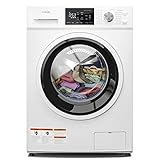
11 Best Selling Front Load Washing Machine of 2026 For Quiet Odor-Free Laundry

11 Best Washing Machine For King Size Bedding of 2026 To Prevent Cycle Errors

10 Best Small Front Loader Washing Machine of 2026 For Tight Closets

12 Best Side Load Washing Machine of 2026 For Low Vibration

11 Best Single Tub Washing Machine of 2026 For Apartments Without Hookups






