
How To Descale Washer Drain Pipe From Hard Water Buildup

How To Descale Washer Drain Pipe From Hard Water Buildup becomes a real concern once that funky smell starts creeping out of the laundry room. Slow draining water, gurgling noises, or white crusty residue around the pipe usually means mineral deposits are building up little by little. Hard water has a sneaky way of turning a perfectly fine washer drain into a clogged, sluggish mess. Leave it alone too long, and suddenly the washer struggles to drain while dirty water lingers where it shouldn’t.
Most people don’t notice the issue until laundry day turns frustrating. One load drains fine, then the next leaves standing water behind like a bad surprise. Those chalky minerals cling to the inside of the pipe walls over time, shrinking water flow and trapping lint, detergent residue, and grime. That sticky combination creates a stubborn blockage that won’t magically disappear with another rinse cycle. Drain pipe descaling helps restore proper water movement before things spiral into leaks, odors, or overflow headaches.
Vinegar solutions, hot water flushing, and safe descaling products can loosen thick mineral layers without damaging older plumbing. Still, not every pipe responds the same way. Some buildup sits lightly on the surface, while other pipes feel practically cemented shut from years of untreated hard water exposure. That’s where patience matters. Aggressive chemical cleaners often sound tempting, but they can wear down seals or weaken certain drain materials if used too often.
Proper cleaning also helps the washer itself run smoother. A restricted drain forces the machine to work harder during spin cycles, and over time that extra strain can affect pumps, hoses, and drainage efficiency. Nobody wants a washer sounding like it’s fighting for its life halfway through laundry day. Hard water buildup doesn’t just affect plumbing aesthetics either. It quietly reduces performance in ways that pile up month after month.
Maintenance habits make a huge difference here. Small steps like monthly hot water flushes, using the correct detergent amount, and avoiding excess fabric softener can slow mineral accumulation dramatically. Pipes stay cleaner longer when buildup never gets the chance to harden into thick scale. A few preventative routines now can save plenty of aggravation later, especially in homes where hard water leaves marks on faucets, sinks, and appliances almost overnight.

- TAR Score9.2
TAR Score is a ranking system developed by TopAppliancesReviews.com. TAR score has no relationship or impact from any manufacturers or sales agent websites. Learn more
- BrandGreen Gobbler

- TAR Score9.0
TAR Score is a ranking system developed by TopAppliancesReviews.com. TAR score has no relationship or impact from any manufacturers or sales agent websites. Learn more
- BrandAC Line

- TAR Score8.8
TAR Score is a ranking system developed by TopAppliancesReviews.com. TAR score has no relationship or impact from any manufacturers or sales agent websites. Learn more
- BrandAC Line
- TAR Score8.4
TAR Score is a ranking system developed by TopAppliancesReviews.com. TAR score has no relationship or impact from any manufacturers or sales agent websites. Learn more
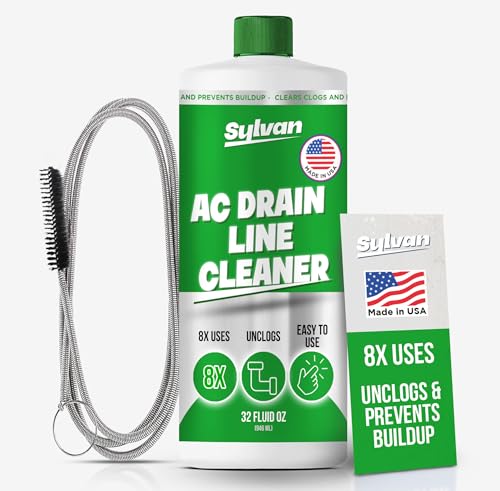
- BrandSylvan Hills

- TAR Score8.0
TAR Score is a ranking system developed by TopAppliancesReviews.com. TAR score has no relationship or impact from any manufacturers or sales agent websites. Learn more
- BrandZep
Last update on 2026-07-12 / Affiliate links / Images, Product Titles, and Product Highlights from Amazon Product Advertising API
How To Descale Washer Drain Pipe From Hard Water Buildup
That slow gurgle behind the washer can turn laundry day sour fast. A drain that once cleared without fuss may start holding water, smelling musty, or leaving the machine stuck in a soggy pause. That is where how to descale washer drain pipe from hard water buildup becomes more than a cleaning chore, because mineral scale can quietly shrink the pipe opening while lint and detergent residue pile on top. A smart descaling routine helps protect water flow, reduce odors, and keep the washer from working harder than it should.
Washer Drain Scale Signs
Slow draining is usually the first red flag, and it rarely shows up with a polite warning. The washer may finish a cycle, but water lingers longer than normal or backs up near the standpipe. That delay often points to hard water minerals, especially calcium and magnesium, sticking inside the drain line. Once those deposits grab lint, soap film, and dirt, the pipe starts acting like it has a stubborn traffic jam.
Odor tells another part of the story. A sour smell near the washer can come from trapped sludge sitting against rough mineral buildup inside the pipe. The EPA lists total dissolved solids at 500 mg/L as a secondary guideline tied to hardness, deposits, colored water, and staining, which explains why hard water homes often battle crusty residue in more than one spot. That same mineral-heavy water can leave the laundry drain coated over time, even if the pipe looks fine from the outside.
Gurgling sounds deserve attention too. Air bubbles often fight their way through restricted drainage, especially during the spin cycle when the washer pushes out a lot of water fast. That noise may feel harmless at first, but restricted flow can force water to move around buildup instead of straight through the drain. Ignore it long enough, and a small annoyance can turn into a backup that soaks the floor.
White crust around the standpipe or hose connection is another clue worth taking seriously. That chalky residue is often a visible sign of the same scale formation happening deeper inside the drain path. Nebraska Extension notes that heated hard water forms calcium and magnesium scale that can reduce water flow and even contribute to appliance trouble. A washer drain may not heat water inside the pipe the same way a water heater does, but warm wash cycles and mineral-rich wastewater still create the right mess for buildup.
Why Hard Water Hits Washer Drains
Hard water acts slowly, which makes it easy to underestimate. Each wash sends minerals, detergent, fabric softener, soil, and lint through the drain line. On a smooth pipe, most of that waste moves along without drama, but mineral deposits create rough patches that catch residue like burrs on a sweater. Over weeks and months, those little snags become a thicker, stickier layer.
Detergent habits can make the problem worse. Too much detergent does not make laundry cleaner, and in hard water it may leave behind more soap film for minerals to cling to. Fabric softener can add a waxy feel to the buildup, especially in homes where towels, work clothes, or pet bedding go through frequent cycles. To reduce odor issues inside the machine before they feed the drain, freshen the appliance with a targeted routine and compare washing machine cleaner for mold for deeper tub maintenance.
Pipe layout matters more than people think. A drain line with a long horizontal run, a weak slope, or several bends gives scale and lint more places to settle. Fast-moving water helps carry debris away, while slow water lets mineral residue sit and harden. That is why two homes with the same hard water level may have totally different washer drain problems.
Washer size and laundry volume also change the equation. Larger families often run more loads, which means more mineral-heavy wastewater moving through the pipe every week. A busy laundry setup needs dependable drainage, and households comparing capacity needs may also want to review washing machine for family of 5 before upgrading the appliance itself. Bigger loads are convenient, but strong drainage has to keep up or the pipe becomes the weak link.
Safe Descaling Prep
Preparation saves headaches, and yep, it is tempting to dump something strong down the pipe and hope for the best. That shortcut can backfire if the cleaner is too harsh for older plumbing, rubber connections, or nearby seals. A safer start means checking the drain hose, standpipe opening, and visible residue before choosing a descaling method. Good prep keeps the job focused instead of turning it into a guessing game.
Unplug the washer before working around hoses or wet areas. Safety sounds boring until water and electricity share the same floor, so keep things simple and cautious. Pull the machine forward just enough to inspect the hose without yanking it too hard, because a cracked hose can create a whole new mess. A flashlight helps spot white scale, lint clumps, kinks, and damp spots around the drain area.
Ventilation helps too, especially if the laundry room already smells musty. Stagnant odor can come from the washer, the drain, or nearby damp materials that have absorbed old moisture. Smoke, mildew, and laundry-room funk are different problems, but cleaner indoor air still helps the space feel less stale, so reduce lingering smells by comparing an air purifier for smoke under 100 if the room traps odors easily. That will not descale the pipe, but air cleanup can make the work area less unpleasant.
Skip random chemical mixing. Vinegar, commercial descalers, bleach, and drain openers do not belong in the same experiment, no matter what some internet shortcut claims. Mixing cleaners can create irritating fumes or damage surfaces, and the drain may still stay clogged afterward. Pick one descaling approach, follow the product label if using a store-bought cleaner, and give it enough contact time to loosen mineral buildup properly.
Vinegar Flush Method
Vinegar is a practical first move for light to moderate mineral buildup. Its acidity can help loosen calcium scale without the harsh punch of heavy drain chemicals. The method works best when the drain still moves water, even slowly, because the solution needs contact with the coated pipe walls. If the line is fully blocked, mechanical clearing may need to happen before descaling can do much.
Start with hot water, not boiling water, especially if the plumbing includes PVC. Very hot water can soften greasy residue and warm the pipe, but boiling water may stress plastic fittings or old connections. Pouring a controlled amount of hot water into the standpipe can help wake up the buildup before the vinegar goes in. This step supports better contact between the acidic solution and the mineral-coated surface.
Then add white vinegar slowly into the drain opening. Let it sit so the mineral deposits have time to soften instead of rushing the whole job. A patient soak can do more than repeated quick splashes, because scale does not always dissolve on command. After the soak, flush with warm water and watch how quickly the line accepts the flow.
Repeat the process if drainage improves but still feels sluggish. That second round often loosens residue that the first flush weakened but did not fully move. A skeptical eye helps here, because vinegar is useful but not magic. Thick, hardened scale mixed with lint may need manual cleaning, a drain snake, or a stronger descaling product made for plumbing use.
Commercial Descaler Choices
Commercial descalers can be useful when vinegar feels too gentle for the job. The key is choosing a product labeled for mineral scale, not just a generic clog remover. Many drain openers focus on hair, grease, or organic sludge, while hard water buildup needs an acid-based formula designed to break down calcium and magnesium deposits. The wrong product may smell aggressive and still leave the pipe restricted.
Read the label like it matters, because it does. Some descalers are not recommended for certain pipe materials, septic systems, or mixed-metal plumbing. A product that fits one home may be a bad call in another, especially with older laundry setups. Matching the cleaner to the pipe protects plumbing durability while giving the scale a fair fight.
Contact time is where many people trip up. Pouring a descaler down the pipe and flushing it away right away usually wastes the product. Mineral scale needs time to soften, loosen, and release from the pipe wall. Follow the label window closely, then rinse well so loosened scale residue does not settle farther down the line.
Strong does not always mean better. A harsh chemical can irritate lungs, damage surfaces, or weaken fittings if used carelessly. In a laundry room with limited airflow, that is a lousy tradeoff. A measured product, used correctly, gives better control and reduces the risk of turning hard water buildup into a bigger repair bill.
How To Descale Washer Drain Pipe From Hard Water Buildup
Once the loose scale starts moving, the job shifts from “clear the pipe” to “keep it from coming back.” A washer drain can look fixed after one flush, but hard water buildup has a nasty habit of rebuilding in the same rough spots. The goal is steady drainage, fewer odors, and less strain on the washer during heavy rinse cycles. With the right follow-up, how to descale washer drain pipe from hard water buildup becomes a manageable routine instead of a messy surprise.
Snake The Drain Carefully
A drain snake can help when softened scale refuses to budge. After a vinegar soak or descaler treatment, some chunks may loosen but still sit inside the pipe. A small hand snake can break apart mineral crust, lint mats, and detergent sludge without relying on more chemicals. The trick is patience, because forcing the cable can scrape fittings or push the blockage deeper.
Start gently and feed the snake into the standpipe a little at a time. If it hits resistance, rotate the handle instead of jamming it forward. That movement helps the tip chew through scale buildup while reducing the chance of damaging the pipe wall. Pull the cable back slowly so loosened debris comes out instead of settling farther down the line.
Expect a gross mix of gray lint, soap film, and chalky residue. That mess is actually a good sign because it means the blockage is breaking apart. Wipe the cable between passes, then flush the pipe with warm water to carry loosened material away. A strong rinse helps restore drain flow and shows whether the clog has truly improved.
Washer location can affect how often this maintenance is needed. Apartment laundry corners, utility closets, and tight mudrooms often have short drain runs with awkward bends. Larger portable setups can also send plenty of wastewater through compact drain arrangements, so compare a large portable washing machine only after checking whether the drain area can handle frequent discharge. A washer with more capacity feels convenient, but pipe clearance still has to keep up.
Flush After Every Treatment
Flushing is the step people rush, and that is where half-done descaling gets sneaky. A cleaner may loosen hard water deposits, but the pipe still needs enough water movement to carry them out. Without a solid rinse, softened scale can resettle in bends, traps, or low spots. That leaves the drain acting better for a few loads before the same sluggish behavior creeps back.
Warm water is usually the safer choice for most washer drain lines. Boiling water can be risky with PVC, older joints, or rubber parts near the hose connection. Warm water still helps dissolve soap film and move loosened minerals without shocking the plumbing. A slow, steady pour gives the drain time to accept the flow and clear loose residue.
Run a rinse and spin cycle after the manual flush if the drain is moving normally. Watch the standpipe area while the washer drains, because that moment tells the truth fast. Water should move away cleanly without bubbling up, gurgling wildly, or leaving a stale odor behind. A smooth drain cycle means the descaling process is actually helping, not just masking the issue.
Repeat flushing over the next few laundry days if the pipe had heavy buildup. Old scale rarely gives up in one neat round, especially in homes with visible hard water stains on faucets and showerheads. Small follow-up rinses can remove loosened debris without stressing the pipe. That slow-and-steady rhythm often beats one aggressive chemical attack.
Prevent New Scale Buildup
Prevention starts with detergent discipline. Too much soap leaves sticky residue, and sticky residue gives minerals something to grab. High-efficiency washers need measured detergent, not a heavy pour based on guesswork. Cutting back to the correct amount can reduce sludge inside both the washer and the drain pipe.
Monthly maintenance helps hard water homes stay ahead of trouble. A warm water flush, followed by a mild vinegar treatment if the drain smells stale, can slow mineral accumulation. This does not need to turn into a weekend project. Ten steady minutes of care often prevents the kind of clog that steals an entire afternoon.
Lint control matters more than it gets credit for. Washer drains do not only carry water, because every load sends fibers, hair, soil, and detergent film into the pipe. Those bits stick faster when scale has already roughened the pipe walls. Keeping pockets empty, shaking out muddy clothes, and cleaning washer filters can reduce drain debris before it reaches the line.
Laundry room airflow also plays a role in odor control. A damp utility space can make musty drain smells feel worse, especially if the room shares air with nearby cooking areas or garage fumes. Separately, if outdoor cooking smoke drifts toward the laundry area, compare range hoods for gas grills for better ventilation around grill spaces. Cleaner surrounding air will not remove scale, but odor management makes the home feel fresher while the plumbing work does its job.
Know When To Call A Plumber
Some drain problems are bigger than mineral scale. If water backs up immediately after a flush, the clog may sit deeper in the branch line. A plumber can check whether the issue comes from hard water buildup, a blocked trap, a venting problem, or a damaged pipe. Guessing at that point can waste money and make the mess worse.
Recurring backups after repeated descaling deserve a closer look. A pipe with poor slope may keep collecting residue no matter how carefully it gets cleaned. Cracked fittings, old galvanized lines, or hidden restrictions can also trap scale and sludge in the same spot. Professional drain inspection helps identify the real cause instead of chasing symptoms every few weeks.
Strong sewer odors are another warning sign. A washer drain should not smell like rotten waste after basic cleaning and flushing. That odor could point to a dry trap, poor venting, biofilm buildup, or a deeper plumbing issue. Fast attention protects indoor air quality and keeps the laundry room from turning into the house’s least favorite corner.
Standing water on the floor is the point where caution wins. Unplug the washer, stop running cycles, and avoid dumping more cleaner into a backed-up line. Water damage spreads quickly under flooring, baseboards, and cabinets. A controlled service call often costs less than repairing moisture damage from repeated overflow.
Build A Realistic Maintenance Rhythm
A good schedule depends on how hard the water is and how often the washer runs. Homes with heavy laundry loads may need monthly attention, while lighter use may only need a seasonal flush. The best clue is behavior, not a calendar. If the drain starts slowing, smelling, or gurgling, scale control should move up the list.
Keep the routine simple enough that it actually happens. Warm water flushes, measured detergent, occasional vinegar treatment, and filter cleaning cover most basic needs. Complicated routines tend to fade after the first month, especially when laundry already feels like a chore. A practical plan keeps washer drainage reliable without turning maintenance into another full-time job.
Track small changes after each cleaning. Faster draining, less odor, and quieter discharge all show that the pipe is responding. If nothing improves after two careful attempts, the blockage may not be simple mineral scale. That is the moment to stop pouring products down the line and protect the plumbing from unnecessary chemical stress.
Hard water will not politely disappear, so the goal is control rather than perfection. Scale may return over time, but regular care keeps it from becoming a thick, pipe-choking layer. The washer drains better, the room smells cleaner, and surprise backups become less likely. That is the practical win behind descaling washer drain pipes before buildup turns into a bigger repair.


10 Best Quality Semi Automatic Washing Machine of 2026 For Leak-Free Laundry

11 Best Small Washer Machine of 2026 For Everyday Laundry

12 Best Vibration Pads For Washing Machine of 2026 To Stop Walking and Shaking

11 Best Selling Front Load Washing Machine of 2026 For Quiet Odor-Free Laundry

11 Best Washing Machine For King Size Bedding of 2026 To Prevent Cycle Errors

10 Best Small Front Loader Washing Machine of 2026 For Tight Closets

12 Best Side Load Washing Machine of 2026 For Low Vibration

11 Best Single Tub Washing Machine of 2026 For Apartments Without Hookups






