
How Accidental Knife Cuts Happen and How to Prevent Them

A kitchen knife skates off a slick sweet potato skin, the cutting board rattles, and the blade skids sideways. Most accidental cuts happen because a blade slips under heavy downward force while fingers sit directly in the cutting line. Pushing hard against stubborn food or dry whittling wood instantly removes control, sending the sharp edge straight into unprotected flesh.
Preventing these injuries comes down to keeping the edge sharp, anchoring the work surface, and shielding the guide hand. A dull knife causes far more slips than a sharp one because forced pressure replaces a clean slice. Curling fingertips inward like a claw and directing every stroke away from the body eliminates nearly every common accident before it starts.
Why does a knife suddenly slip while cutting?
A knife slips when the force driving the blade loses its track. In a smooth cut, the sharp edge bites into the material and parts the fibers with controlled, forward motion. A slip happens when that forward motion stalls, but your hand keeps pushing down with heavy force. The edge deflects off the hard surface, jumps sideways, and travels through the air until something stops it. That stopping point is often your thumb, forearm, or the guide fingers holding the material.
Unstable work surfaces cause many blade slips. When a cutting board rests on a slick stone or laminate countertop, the board can slide an inch without warning. That sudden shift throws your balance off and jerks the blade out of alignment. You can fix this instability by placing a damp paper towel or a thin silicone mat flat beneath your board before starting prep work.
Rolling food and shifting wood grain present another major risk. Round foods like squash, onions, carrots, and potatoes have curved surfaces that rock under blade contact. If the item rolls while your knife is halfway through, the blade binds in the cut or kicks out sideways. Fighting the food creates an erratic cut path (the direction a blade travels if it slips through material). You can eliminate this danger by slicing off a thin slab first to create a broad, flat base that sits firmly against the cutting surface.
Why do dull knives cause more injuries than sharp ones?
Many people assume a dull knife is safer because the edge feels less sharp to the touch. In real kitchen and workshop use, dull knives cause far more frequent and severe injuries. A sharp blade requires almost no downward muscle force. It glides through food fibers or wood shavings because the thin apex separates the material cleanly. For instance, delicate kitchen tasks work best with a steep 15-degree slicing edge per side for delicate Japanese kitchen knives, while outdoor work relies on a sturdy 20-degree utility edge for pocket and hunting knives.
When an edge loses its sharpness, it stops slicing and acts like a blunt wedge. It cannot penetrate tomato skins or wood fibers easily. Because the edge refuses to bite, your arm bears down harder, pushing and rocking the blade with heavy shoulder pressure.
Pushing hard destroys fine motor control. If a blade skids under heavy force, you cannot stop your hand in midair, driving the edge into your guide fingers. Dull cuts also heal slower because crushed, ragged tissue repairs less cleanly than a straight, crisp incision. Using German steel knives that hold a durable edge makes everyday prep safer because the blade bites on initial contact instead of skidding across the food surface.
Regular honing straightens the microscopic teeth along the edge, while light sharpening resets the bevel when the steel rounds off. When sharpening, watch for the burr (the microscopic wire edge or curved sliver of metal that forms on the opposite side during sharpening). Removing that burr leaves a crisp, predictable edge that slices with minimal hand effort.
How do you use the claw grip to protect fingers?
The claw grip is the single most important safety habit you can learn for kitchen prep. It shields your soft tissue by putting hard bone and fingernails between your skin and the steel. At the same time, it uses your knuckle as a physical guide to steer the blade. Here is how to set up the claw grip correctly:
- Place your guiding hand flat on top of the food item.
- Curl your fingertips inward like a bear paw, pressing the tips of your nails directly into the food.
- Push your middle knuckles forward so they form a vertical wall facing the knife blade.
- Rest the wide, flat side of your knife blade gently against the second knuckle of your middle finger. Keep the sharp edge below the knuckle joint at all times.
- Tuck your thumb completely behind your curled fingers so it never sticks out toward the cutting line.
- Glide the knife down and forward while keeping the side of the blade in light contact with your guide knuckle.
- Walk your guiding hand backward across the board as you work, keeping your fingertips tucked inward for every slice.
Pair this guide hand technique with a proper pinch grip on the knife handle. A pinch grip means holding the base of the blade between your thumb and forefinger for steady control, while wrapping your remaining three fingers around the handle. This grip prevents the knife from twisting or rolling in your palm when you meet tough resistance.
What cutting habits keep hands clear of the blade path?
Safe cutting comes down to positioning your body so an accidental slip hits empty air instead of flesh. Follow this checklist of core safety rules every time you pick up a blade:
- Cut away from your body and hands at all times. Never pull a kitchen knife or whittling blade toward your torso, lap, or guide thumb.
- Keep your guide hand behind the blade. If you are trimming fat or slicing bread, your support hand must rest behind the cutting edge, never in front of the advancing blade path.
- Create flat surfaces on round items immediately. Cut round vegetables, fruits, and branches in half before slicing them into smaller sections so they cannot roll under pressure.
- Maintain a clear safety circle around your workspace. Check that children, pets, and other people are at least arm's length away before making long slicing motions.
- Never try to catch a dropping blade. If a knife slips off a counter or cutting board, pull your hands back, step away quickly, and let the tool hit the floor.
- Keep handles dry and clean. Grease, oil, and moisture turn handles slick, causing fingers to slide forward onto the blade heel. Wipe handles dry immediately.
- Never drop knives into a sink full of soapy water. Hidden blades under suds become invisible slicing hazards for the next person reaching into the basin.
What should you do immediately if you cut yourself?
Even careful cooks and woodworkers occasionally experience a slip. When a cut happens, staying calm and acting quickly keeps blood loss minimal and protects tissue from infection. Take these immediate steps:
- Set the blade down on a flat surface. Do not toss it onto the counter where it could bounce or slide toward your feet.
- Apply direct, firm pressure right away. Press a clean towel, sterile gauze pad, or clean cloth directly over the cut without lifting it to peek.
- Raise your injured hand above heart level. Elevation reduces local blood pressure and slows down bleeding rapidly.
- Maintain steady pressure for ten full minutes. Avoid lifting the cloth early, which tears delicate initial blood clots.
- Rinse the wound under cool running water once bleeding slows. Wash gently around the cut with mild soap. Avoid rubbing alcohol or hydrogen peroxide directly in an open wound because those liquids irritate exposed tissues.
- Cover the cut with a sterile dressing. Apply a thin layer of antibiotic ointment to protect the wound and seal out bacteria.
Knowing when to visit an urgent care clinic or emergency room is vital for preventing permanent damage. Seek professional medical evaluation if the cut spurts bright red blood, if steady pressure fails to control bleeding after ten minutes, or if the wound edges gap open widely. Numbness, tingling, or an inability to bend or straighten your finger indicates possible nerve or tendon damage that requires immediate medical repair.
What should you look for in safe cutting tools?
Preventing cuts starts with choosing tools engineered for stability, control, and hand security. Look for knives featuring a full tang, meaning one solid piece of blade steel extending all the way through the handle. Full tang construction gives the knife structural balance and prevents the blade from snapping or wobbling loose inside the grip during heavy prep. In contrast, a partial tang tool, where the blade metal narrows or stops inside the handle, can flex unpredictably under strain.
Pay close attention to handle geometry and texture. Handles with slight finger guards or textured grip materials prevent your hand from sliding forward onto the sharp heel if your palms become wet or oily. Well-balanced chef knives and utility knives place the center of gravity directly at the bolster, making the blade feel light and responsive in a pinch grip. Pairing well-crafted tools, like high-carbon slicing knives designed for clean kitchen prep, with dedicated illustrated manuals helps beginners learn proper hand placement before handling sharp edges. Proper storage also matters; using secure storage blocks that keep edges from knocking against other tools protects both the blade sharpness and your fingers when reaching into storage areas.
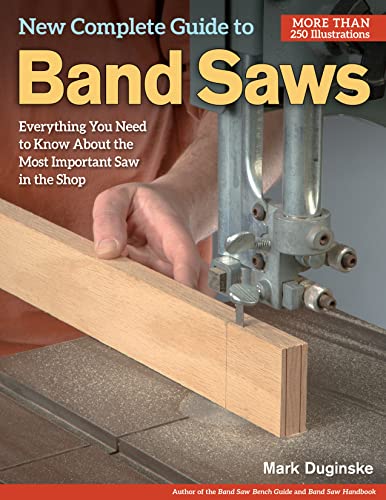
- TAR Score9.4
TAR Score is a ranking system developed by TopAppliancesReviews.com. TAR score has no relationship or impact from any manufacturers or sales agent websites. Learn more
- BrandFox Chapel Publishing

- TAR Score9.4
TAR Score is a ranking system developed by TopAppliancesReviews.com. TAR score has no relationship or impact from any manufacturers or sales agent websites. Learn more
- BrandDover Publications
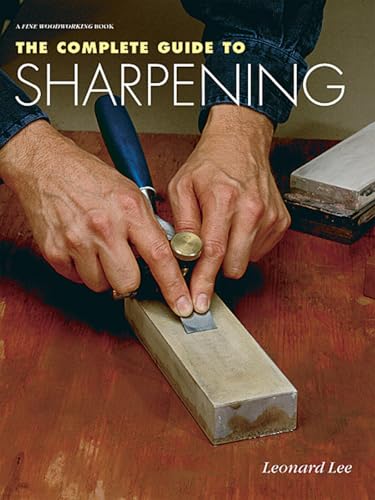
- TAR Score9.2
TAR Score is a ranking system developed by TopAppliancesReviews.com. TAR score has no relationship or impact from any manufacturers or sales agent websites. Learn more
- BrandTaunton Press

- TAR Score9.2
TAR Score is a ranking system developed by TopAppliancesReviews.com. TAR score has no relationship or impact from any manufacturers or sales agent websites. Learn more
- BrandTaunton Press

- TAR Score9.2
TAR Score is a ranking system developed by TopAppliancesReviews.com. TAR score has no relationship or impact from any manufacturers or sales agent websites. Learn more
- BrandFox Chapel Publishing

- TAR Score8.8
TAR Score is a ranking system developed by TopAppliancesReviews.com. TAR score has no relationship or impact from any manufacturers or sales agent websites. Learn more
- BrandW. W. Norton & Company
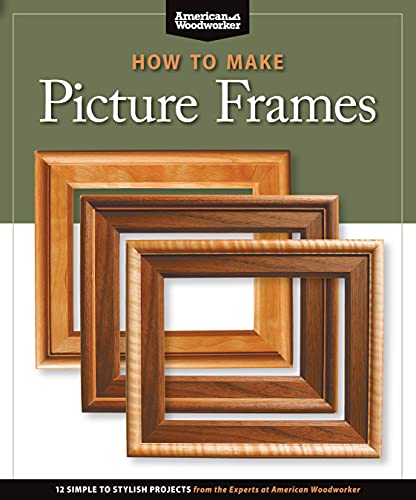
- TAR Score8.8
TAR Score is a ranking system developed by TopAppliancesReviews.com. TAR score has no relationship or impact from any manufacturers or sales agent websites. Learn more
- BrandFox Chapel Publishing

- TAR Score8.6
TAR Score is a ranking system developed by TopAppliancesReviews.com. TAR score has no relationship or impact from any manufacturers or sales agent websites. Learn more
- BrandDover Publications

- TAR Score8.4
TAR Score is a ranking system developed by TopAppliancesReviews.com. TAR score has no relationship or impact from any manufacturers or sales agent websites. Learn more
- BrandGingko Press

- TAR Score8.0
TAR Score is a ranking system developed by TopAppliancesReviews.com. TAR score has no relationship or impact from any manufacturers or sales agent websites. Learn more
- BrandWatson-Guptill Publications
Last update on 2026-10-03 / Affiliate links / Images, Product Titles, and Product Highlights from Amazon Product Advertising API
FAQs
Should you ever cut or whittle toward your own body?
Cutting toward your body invites severe puncture wounds if the blade jumps through material. Woodworkers sometimes use controlled chest lever cuts with locked elbows, but kitchen prep requires cutting away from your torso, legs, and fingers at all times.
How do you stabilize a round vegetable or rolling item?
Stabilize round produce by slicing off a thin portion of the curved outer edge before doing any detailed chopping. Place the newly created flat side down on the cutting board so the item cannot wobble or roll. For round items like squash or melons, cut the entire piece in half through the center first to create two broad, stable surfaces that stay anchored to your board.
When does an accidental cut need emergency stitches?
An accidental cut requires professional medical attention if bleeding continues after ten minutes of steady, direct pressure, or if blood spurts from the wound. You should also seek emergency care if the cut is deeper than a quarter inch, if yellow fat tissue or muscle is visible, or if the edges will not stay together when pressed lightly. Numbness in the fingertip or trouble moving the joint means a nerve or tendon might be cut, requiring immediate surgical repair.
How should you hold a chef knife for steady control?
The most secure way to hold a chef knife is the pinch grip. Grasp the sides of the blade just ahead of the handle between your thumb and the curved side of your index finger. Wrap your remaining three fingers securely around the handle itself. This grip keeps the blade aligned with your forearm, eliminating handle wobble and preventing the knife from rolling sideways during tough downward cuts.


Top Rated Best Quality Range Hoods: 2026 Expert Picks

The 12 Best Small Solar Generators 2026

10 Best Quality Semi Automatic Washing Machine of 2026 For Leak-Free Laundry

11 Best Small Washer Machine of 2026 For Everyday Laundry

12 Best Vibration Pads For Washing Machine of 2026 To Stop Walking and Shaking

11 Best Selling Front Load Washing Machine of 2026 For Quiet Odor-Free Laundry

11 Best Washing Machine For King Size Bedding of 2026 To Prevent Cycle Errors

10 Best Small Front Loader Washing Machine of 2026 For Tight Closets






