
How to Cut a Knife Blade Without Ruining the Steel

Trimming a broken tip or reshaping blade steel is completely manageable at home as long as you control the heat. The most reliable method is to use a thin cut-off wheel on an angle grinder or rotary tool with a bucket of water right beside you. Rapid friction generates heat in seconds, which softens hardened metal and ruins its edge. Taking shallow, gentle passes and dunking the blade in cold water after every quick stroke keeps the steel tough.
The best approach depends on your metal and the cut you need to make. A piece of soft, unhardened steel cuts fine with a basic hand hacksaw, but a finished knife demands an abrasive disc. Fixing a small snapped tip also requires less time and heat control than slicing a whole new shape from thick bar stock. Here is how to choose your cutting tool and shape the steel safely.
Choosing the Right Cutting Tool for Knife Steel
Cutting through knife steel comes down to whether the metal is soft or hardened. A soft steel blank (a flat piece of steel cut to knife shape before heat treatment) is easy to cut with standard workshop saws. A finished knife blade is a completely different story. It has already gone through heat treatment to give it temper (metal hardness from heat treatment), which makes the metal hard enough to resist everyday cutting tools.
If you try to cut an existing knife with a standard hand hacksaw, the teeth will slide across the steel without biting. Hardened knife steel is often harder than the hacksaw blade itself, which strips the saw teeth flat in seconds. A manual hacksaw only works if the steel is unhardened bar stock or if you use a specialized carbide-grit rod blade. For hardened blades, abrasive power tools are the practical choice.
An angle grinder fitted with a thin abrasive cut-off wheel is the most dependable tool for cutting knife steel at home. Look for a wheel labeled for metal cutting with a thickness of 1/16 inch or 3/64 inch. Thinner wheels remove less metal, which produces less friction and reduces heat buildup. An angle grinder makes fast, straight cuts through tough steels, making it ideal for lopping off a snapped tip or shortening a long blade.
A rotary tool works well when you need to make smaller, delicate cuts or curved shapes. Fitted with a reinforced fiberglass cutting disc, a rotary tool gives you excellent control over tight spots. It cuts much slower than an angle grinder, but the smaller wheel makes it easier to follow a marked outline on a small pocket knife or paring blade. For raw, unhardened bar stock, a metal-cutting bandsaw running at low speed is another great option.
Avoid using oxy-acetylene torches or plasma cutters on any knife blade you plan to use again. These tools generate intense heat that spreads deep into the steel. That heat completely ruins the hardness of the metal along the cut, leaving the edge soft and unable to stay sharp. Stick to mechanical abrasive cutting paired with steady cooling.
Set up your workspace with safety in mind before touching any power tool. Secure the knife in a sturdy bench vise so it cannot vibrate or kick back. Wear safety glasses, a full face shield, heavy leather work gloves, and ear protection. Sparks from cut-off wheels will fly several feet, so clear away any rags, cardboard, solvents, or dry sawdust before you start.
Step-by-Step Technique for Cutting Knife Steel
Cutting knife steel requires patience and a gentle touch. Forcing a cut-off wheel into hard steel creates rapid friction heat that can destroy the blade in seconds. Following a steady, repeatable rhythm protects both your safety and the temper of the steel.
- Mark your cut line clearly. Color the steel along the cut area with a dark permanent marker. Use a metal ruler and a carbide scribe or a sharp nail to scratch a clean, visible line through the ink. This line shows you exactly where to track your cut.
- Clamp the blade securely in a vise. Pad the vise jaws with scrap wood, heavy leather, or thick cardboard. Clamping bare steel between steel vise jaws can mar the finish, bend the blade, or crack handle scales. Position the cut line as close to the vise jaws as possible to stop metal vibration.
- Place a bucket of cold tap water directly below the work area. Keep the water bucket within arm's reach of your cutting station. You need to dip the blade into the water every few seconds throughout the cutting process. Having to walk across the garage to cool the metal gives friction heat too much time to spread.
- Score a light guide groove along the marked line. Turn on your cutting tool and let it reach full speed before touching the steel. Skim the edge of the abrasive wheel lightly across the scribe mark to create a shallow track. Do not press down into the metal. Let the abrasive wheel do the work.
- Make shallow, sweeping passes across the groove. Move the wheel back and forth along the score line like a butter knife slicing bread. Deep, plunging cuts trap heat inside the metal and can cause thin cut-off wheels to bind and shatter. Keep the tool moving smoothly along the groove.
- Dunk the blade in cold water every three to five seconds. Pull the tool away from the cut, switch off the motor or step back, and submerge the blade in the water bucket for two to three seconds. Wipe away excess water with a shop towel before resuming your cut so water does not splash into your power tool.
- Complete the cut and let the metal cool completely. As you approach the bottom of the cut, ease up on tool pressure even further so the falling piece does not grab the spinning disc. Once the cut piece drops, turn off the tool and plunge both pieces into the water bucket until they are cool to the touch.
Controlling heat buildup is the deciding factor between a successful cut and a ruined blade. Keep this practical checklist in mind during every single pass:
- The bare-finger test: Tap the steel near the cut line with a bare fingertip. If the metal feels hot rather than lukewarm, dunk it in water immediately.
- Color monitoring: Watch the metal closely near the cut. Steel turns pale yellow around 400 degrees Fahrenheit, which is the safety limit for most knife steels.
- Immediate stop on blue: If you see purple, bright blue, or dark grey along the cut, stop cutting. That color indicates the steel has overheated and softened.
- Three-second rule: Never keep the spinning disc against the blade for more than three to five seconds at a time without a water dunk.
- Wheel alignment: Keep the spinning cut-off wheel perfectly straight inside the cut slot to prevent binding, kickback, or cracked discs.
Smoothing the Profile and Addressing Food Prep Cuts
Cutting through the steel leaves behind a rough edge, sharp corners, and a burr (the rough metal lip left along the cut edge). You must clean up this rough edge before the knife is safe to handle or use. If you shortened a broken knife, you also need to blend the cut area into the profile (the outer outline shape of the knife) so the blade looks natural.
Use a bench grinder, an electric belt sander, or a coarse hand file to smooth the cut area. If you use a belt sander or bench grinder, the same heat rules apply: make light passes and dunk the steel in cold water frequently. Belt friction can ruin the temper of thin steel just as fast as a cut-off wheel. Work slowly until the cut line is flat, smooth, and blended into the spine or belly of the knife.
To remove the burr, rub the edge with a medium-grit hand stone, a diamond sharpening block, or a strip of 220-grit wet-or-dry sandpaper wrapped around a hard wooden block. Smooth down the rough metal until you can run a clean shop rag over the edge without snagging any loose fibers. Once the shape is clean, you can regrind a primary cutting bevel if you altered the edge geometry.
Sometimes people search how to cut a knife when they actually want to learn culinary cutting techniques for food preparation. If your goal is preparing ingredients in the kitchen rather than reshaping steel in the garage, the process focuses on hand placement and blade motion instead of power tools.
Basic food prep relies on foundational cuts such as slicing, dicing, mincing, and julienne (cutting vegetables into thin matchstick shapes). To cut food safely, use a pinch grip by gripping the sides of the blade between your thumb and curved index finger just ahead of the handle. Curl the fingertips of your other hand into a claw shape against the ingredient to guide the flat of the blade while keeping your fingers out of the cutting path.
The type of kitchen knife also changes how you cut ingredients. Cooks who use high-carbon Japanese chef knife sets often use a steep 15-degree slicing edge per side that glides through delicate fish and vegetables with minimal effort. In contrast, those working with German high-carbon steel premium knife block sets benefit from a sturdier 20-degree utility edge built to handle dense squash, root vegetables, and poultry bones without chipping. For both kitchen prep and workshop projects, always cut away from your body, keep blades clean and dry, and avoid running fine knives through a dishwasher.
Helpful Guides for Blade Projects and Kitchen Cutting
Whether you are shaping steel in a home workshop or improving your technique at the cutting board, having dedicated reference guides makes a big difference. Working with steel involves clear physical limits around friction and heat treatment, while kitchen prep requires consistent muscle memory and precise cutting measurements.
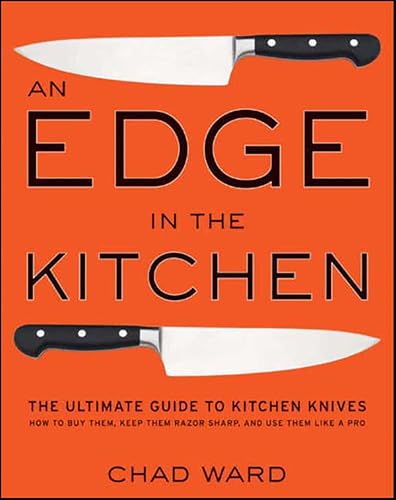
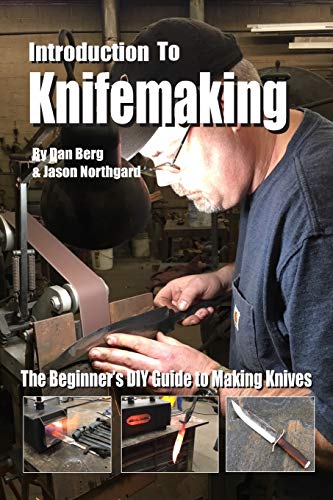
For workshop projects, look for practical knifemaking manuals that cover steel stock selection, blade profiling, and heat treating steps. A solid DIY guide provides clear diagrams for handle shaping, drilling tang holes, and grinding bevels without ruining the steel. These guides help hobbyists understand the difference between working soft bar stock and reshaping factory-hardened blades.
If you are looking to refine your kitchen skills, visual cutting guides and 3D knife cut models are valuable learning tools. These models show exact physical dimensions for classic culinary cuts like brunoise, batonnet, and julienne. Comparing your diced vegetables directly against color-coded plastic resin reference guides helps culinary students and home cooks master uniform sizing for even cooking.
When selecting a reference guide or instructional book, look for straightforward explanations, clear step-by-step illustrations, and practical safety instructions. Good workshop guides will explain how to handle full tang designs (where one solid piece of blade steel extends all the way through the handle) and partial tang designs (where the blade metal narrows or stops inside the handle). Clear references remove the guesswork so you can complete your project safely.

- TAR Score9.6
TAR Score is a ranking system developed by TopAppliancesReviews.com. TAR score has no relationship or impact from any manufacturers or sales agent websites. Learn more
- BrandARD Culinary
- TAR Score9.2
TAR Score is a ranking system developed by TopAppliancesReviews.com. TAR score has no relationship or impact from any manufacturers or sales agent websites. Learn more
- BrandHarperCollins Children's Books
- TAR Score9.2
TAR Score is a ranking system developed by TopAppliancesReviews.com. TAR score has no relationship or impact from any manufacturers or sales agent websites. Learn more
- BrandQuarry Books
- TAR Score9.2
TAR Score is a ranking system developed by TopAppliancesReviews.com. TAR score has no relationship or impact from any manufacturers or sales agent websites. Learn more
- BrandIndependently Published

- TAR Score9.2
TAR Score is a ranking system developed by TopAppliancesReviews.com. TAR score has no relationship or impact from any manufacturers or sales agent websites. Learn more
- BrandN/A

- TAR Score8.8
TAR Score is a ranking system developed by TopAppliancesReviews.com. TAR score has no relationship or impact from any manufacturers or sales agent websites. Learn more
- BrandN/A

- TAR Score8.8
TAR Score is a ranking system developed by TopAppliancesReviews.com. TAR score has no relationship or impact from any manufacturers or sales agent websites. Learn more
- BrandN/A

- TAR Score8.8
TAR Score is a ranking system developed by TopAppliancesReviews.com. TAR score has no relationship or impact from any manufacturers or sales agent websites. Learn more
- BrandKrause Publications

- TAR Score8.6
TAR Score is a ranking system developed by TopAppliancesReviews.com. TAR score has no relationship or impact from any manufacturers or sales agent websites. Learn more
- BrandKrause Publications

- TAR Score8.2
TAR Score is a ranking system developed by TopAppliancesReviews.com. TAR score has no relationship or impact from any manufacturers or sales agent websites. Learn more
- BrandN/A

- TAR Score8.2
TAR Score is a ranking system developed by TopAppliancesReviews.com. TAR score has no relationship or impact from any manufacturers or sales agent websites. Learn more
- BrandCedar Lane Press

- TAR Score8.2
TAR Score is a ranking system developed by TopAppliancesReviews.com. TAR score has no relationship or impact from any manufacturers or sales agent websites. Learn more
- BrandN/A
Last update on 2026-10-03 / Affiliate links / Images, Product Titles, and Product Highlights from Amazon Product Advertising API
FAQs
Can a regular manual hacksaw cut through a hardened knife blade?
A standard manual hacksaw with high-speed steel teeth cannot cut through a hardened knife blade. The heat-treated steel of the knife is typically as hard as or harder than the saw teeth, causing the blade to skate across the metal and dull instantly. You can only cut hardened steel with an abrasive cut-off wheel, a rotary tool, or a specialized carbide-grit rod saw.
What should you do if the knife steel turns blue while you are cutting it?
If the steel turns blue or purple, that section has overheated and lost its temper, leaving the metal soft. You cannot restore the hardness without completely annealing, re-hardening, and tempering the entire blade in a forge or kiln. The practical fix at home is to grind the cut back past the discolored blue area using light, water-cooled passes until you reach unaffected, hard metal.
How do you cut a knife blade without damaging the handle scales?
Wrap the handle scales in a wet shop towel or wrap them tightly with several layers of painter's tape before clamping the blade. Position the cut line as far from the handle as practical, and point the spark shower away from the wood, micarta, or resin handle materials. Dip the blade into cold water frequently so that conduction heat does not travel down the steel tang and melt the handle epoxy or scorch the scales.


Top Rated Best Quality Range Hoods: 2026 Expert Picks

The 12 Best Small Solar Generators 2026

10 Best Quality Semi Automatic Washing Machine of 2026 For Leak-Free Laundry

11 Best Small Washer Machine of 2026 For Everyday Laundry

12 Best Vibration Pads For Washing Machine of 2026 To Stop Walking and Shaking

11 Best Selling Front Load Washing Machine of 2026 For Quiet Odor-Free Laundry

11 Best Washing Machine For King Size Bedding of 2026 To Prevent Cycle Errors

10 Best Small Front Loader Washing Machine of 2026 For Tight Closets






