How to Cut a Cigar with a Knife Without Crushing It

Roll the cigar instead of pressing down. A regular pocket knife opens a smoke cleanly, but downward force crushes the head and cracks the fragile outer wrapper leaf. To get a smooth draw without unraveling the tobacco, gently score around the cap while turning the cylinder in your fingers. This circular motion slices through the thin surface paper so the round tip pops right off, leaving the glued seams beneath it completely intact.
Making this work comes down to blade sharpness and exact placement. An edge that feels dull will pull and tear the leaf, so use the sharpest knife available. Keep the cut high on the rounded end, staying well above the faint seam line where the curved shoulder meets the straight body. Slicing too low breaks the seal and causes the entire wrapper to uncoil while smoking. Follow these simple steps to slice the tip cleanly every time.
The Golden Rule: Roll the Cigar, Never Chop Down
A handmade cigar is not a solid stick of wood. It is a bundle of dried, cured tobacco leaves bound by natural plant sap and rolled under delicate tension. The filler leaves run the length of the body, held together by an inner binder leaf and sealed under a smooth wrapper (the thin outer tobacco leaf that gives the cigar its color and primary aroma). Because the tobacco is dry and light, it responds poorly to direct downward force. When you chop straight down on the head with a pocket knife or kitchen blade, the blade functions like a dull wedge. It compresses the internal leaves and crushes the delicate wrapper against the cutting board long before the edge breaks through the leaf.
Crushing the head causes instant structural failure. The wrapper fractures along its veins, the shoulder cracks open, and air begins to leak out of the sides rather than pulling through the foot. This completely ruins the draw (how easily air pulls through the cigar from the foot to your mouth), causing the smoke to turn hot, harsh, and bitter. If you apply heavy downward pressure, you will also squash the internal air channels, leaving you with a plugged cigar that refuses to stay lit.
The only reliable way to cut a cigar with a knife is by rolling the cigar while maintaining light contact with the blade. Instead of driving the edge down into the tobacco, you let the sharp steel slice across the outer leaf in a continuous circle. Think of it like peeling the thin skin off a ripe tomato or scoring the crust of artisanal bread dough. Light pressure and continuous movement allow the razor edge to part the leaf fibers cleanly without disturbing the filler bunch underneath. If you are preparing to smoke at home, a clean, sharp paring knife selected from quality German high-carbon steel kitchen knives provides the thin profile and keen edge needed for this kind of delicate work.
Locating the Cap Seam and Shoulder Before Slicing
Before you touch steel to tobacco, you must identify exactly where the cigar is built to be cut. Cigar rollers finish every stick by applying the cap (the rounded closed end you puff on) to keep the wrapper leaf from uncoiling. The cap is made from one, two, or three small circular discs of tobacco glued over the tip with an odorless, natural vegetable gum. Just below the cap sits the shoulder (the gentle curve where the rounded tip meets the straight body of the cigar). Finding this boundary is the secret to keeping your cigar intact while you smoke it.
Hold the head of the cigar directly under a bright light and tilt it slightly. Look closely at the curved tip. You will notice one or two faint horizontal lines circling the dome, resembling tiny seams. These lines show the edge of the protective cap leaves. Everything above the top line is sacrificial material meant to be opened. Everything below the shoulder line provides structural tension that holds the outer wrapper leaf in place.
If you place your blade below the shoulder, you sever the glued seam completely. The moment you place the cigar in your mouth, your saliva will dissolve the remaining gum, and the wrapper will begin unrolling like loose ribbon. To protect the wrapper, keep your cut well above the shoulder, roughly one-eighth of an inch from the very tip of the dome. You only need an opening the size of a drinking straw to create an effortless draw. Slicing off too much tobacco is the most common mistake beginners make, but staying within the cap perimeter guarantees the outer leaf stays glued tight from the first puff to the last.
How to Cut a Cigar with a Knife: The Circular Scoring Method
When you have a sharp pocket knife or small paring blade, the circular scoring method creates a cut as clean as any specialty cigar tool. Follow these numbered steps to open the cap without crushing the tobacco.
- Verify your blade sharpness and clean the steel. Wipe the blade clean of any pocket lint, dirt, or machine oil, and check the edge for any burr (a microscopic wire edge or rough curl of metal that forms during sharpening and catches on delicate leaves). A clean, razor-sharp edge is mandatory because dull metal drags and tears tobacco leaves instead of slicing them.
- Moisten the cap lightly with your lips. Place the rounded tip of the cigar in your mouth for two or three seconds to dampen the outer leaf with a tiny amount of moisture. Dry wrapper leaves crack instantly under blade pressure, but slight moisture makes the leaf pliable and flexible.
- Rest the cigar flat on a stable surface. Set the cigar flat on a table, desk, or cutting board rather than trying to balance it in midair. Supporting the body against a firm surface prevents the cigar from wobbling and keeps your fingers completely clear of the blade edge.
- Position the blade tip just above the upper cap seam. Hold your knife at a shallow 45-degree angle to the cigar head, placing the keen edge about one-eighth of an inch above the shoulder. Staying above the seam ensures you only cut the cap disc while leaving the glued wrapper below fully anchored.
- Roll the cigar forward while keeping gentle pressure on the knife. Keep the knife blade stationary against the tobacco and roll the barrel of the cigar forward with your free hand. The rolling action guides the sharp edge around the entire dome, scoring a neat circular line through the cap leaf without flattening the body.
- Peel the loosened tobacco disc free from the head. Use the flat tip of your blade or your fingernail to gently lift the edge of the scored circle and flick it off the tip. Removing only this thin top disc exposes the filler leaves beneath while preserving the rounded shoulder completely.
- Check the draw before striking a match. Take a gentle, unlit puff through the newly opened head to verify air movement. Air should flow as easily as pulling through a milkshake straw, confirming you have an open passage without needing to cut any deeper.
The X-Cut Method for Thicker Pocket Knife Blades
Sometimes you do not have access to a thin kitchen blade or a scalpel-sharp penknife. If you only have an everyday carry pocket knife (often called an EDC knife), the blade stock is likely thicker, with a sturdy 20-degree utility edge ground for heavy chores rather than delicate slicing. Slicing around the cap with a thick blade wedge can pinch the wrapper and cause the seam to split open. In this situation, the X-cut method provides a safe alternative that opens the airway without removing the cap.
First, make sure your folding knife features a dependable locking mechanism, such as a liner lock (the spring bar inside the handle that snaps behind the open blade to stop it from closing on your fingers). Stand the cigar vertically on a table with the cap facing straight up, stabilizing the sides with your thumb and forefinger. Position the pointed tip of your knife right in the dead center of the rounded cap dome.
Second, press the point down gently into the center until the tip enters the tobacco roughly one-eighth of an inch deep. Rock the blade slightly forward and backward to create a clean slit across the center of the cap, stopping before the blade reaches the curved shoulder. Lift the blade, rotate the cigar ninety degrees, and repeat the motion to create a second shallow slit directly across the first. The two cuts form a crisp X directly on top of the dome.
Third, use the blade tip to gently tease open the four triangular flaps created by the cut. You do not need to pull these flaps off the cigar. When you draw air through the head, the four flaps flex outward naturally, allowing smoke to pass freely through the filler channels. Because you never severed the outer perimeter of the cap, the structural integrity remains completely intact, and the wrapper cannot unroll during your smoke.
Common Cutting Mistakes That Ruin the Draw and Wrapper
Cutting a cigar with a knife requires patience and finesse. Avoid these frequent mistakes to ensure your smoke stays intact from start to finish:
- Chopping straight down like a guillotine: Treating your knife like a cleaver applies concentrated downward weight that crushes the internal tobacco bunch and splits the wrapper leaf along its side. Always slice with a rolling motion or use light point pressure.
- Cutting below the shoulder line: Slicing too far down the barrel severs the vegetable gum holding the wrapper in place. Once that seam is cut away, the wrapper will rapidly peel apart in your hand and mouth.
- Using a dull or serrated blade: A dull edge pushes the leaf rather than cutting it, while serrated teeth catch on the delicate leaf veins and tear chunks out of the head. Use only straight, keen edges like those found on Japanese chef knives made for precision slicing.
- Cutting a dry, brittle cigar: Cigars stored outside of proper humidity become brittle like autumn leaves. Slicing a dry cap without moistening it first causes the tobacco to shatter into small flakes that plug the airway.
- Yanking loose tobacco flags: If a small strip of wrapper catches on your blade during the cut, never pull it away with your fingers. Tearing the leaf will peel a long stripe down the side of the cigar. Always use the edge of the knife to slice the snag clean against the head.
Why Keeping a Dedicated Cigar Tool Helps Over Time
Using a pocket knife or a sharp paring blade works well in a pinch, but using a dedicated cigar cutting tool makes the entire process faster, safer, and far more consistent. Dedicated cigar tools are engineered specifically around the cylindrical shape and delicate nature of cured tobacco leaves. They eliminate the danger of a blade slipping against your fingers or cutting too deeply into the filler bunch.
The most common tool is a dual-blade straight guillotine. These cutters feature two opposing curved blades made of stainless steel (a rust-resistant, easy-to-clean metal) that slide together simultaneously from both sides. Because the blades press inward from opposite directions at the exact same moment, the cutting force balances out evenly. This prevents the cigar from pinching or warping, creating a perfectly flat, uniform opening in a fraction of a second.
Another excellent option is a V-cutter, which uses an inverted, angled blade to carve a deep wedge into the head of the cigar. The V-shaped cut creates an expanded surface area for air to pass through without removing the outer edges of the cap, which helps protect the wrapper on cigars with delicate construction. You can also find cigar punches, which utilize a small circular tube blade to core a clean hole directly out of the center of the cap without touching the outer shoulder at all.
When selecting a dedicated cigar cutter for long-term use, verify that the aperture accommodates the sizes you prefer to smoke. Many traditional cutters only fit slender sticks, but modern cigars often feature larger ring gauges (a measurement of cigar diameter in 64ths of an inch). Choosing a cutter rated for 52 to 60 ring gauge cigars ensures you can cleanly open everything from slender coronas to thick gordos without scraping the wrapper. Look for solid construction, smooth mechanical action, and pocket safety locks that prevent spring-loaded blades from opening unintentionally while carried in your pocket.

- TAR Score9.8
TAR Score is a ranking system developed by TopAppliancesReviews.com. TAR score has no relationship or impact from any manufacturers or sales agent websites. Learn more
- Brandroygra

- TAR Score9.4
TAR Score is a ranking system developed by TopAppliancesReviews.com. TAR score has no relationship or impact from any manufacturers or sales agent websites. Learn more
- BrandThe Big Easy Tobacco Accessories

- TAR Score9.4
TAR Score is a ranking system developed by TopAppliancesReviews.com. TAR score has no relationship or impact from any manufacturers or sales agent websites. Learn more
- BrandCIGARLOONG

- TAR Score9.2
TAR Score is a ranking system developed by TopAppliancesReviews.com. TAR score has no relationship or impact from any manufacturers or sales agent websites. Learn more
- BrandLIHTUN
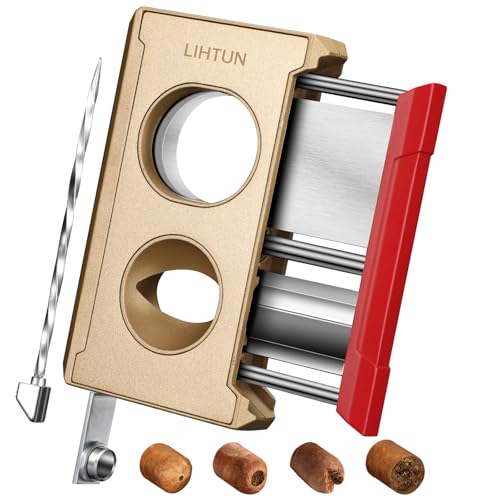
- TAR Score9.2
TAR Score is a ranking system developed by TopAppliancesReviews.com. TAR score has no relationship or impact from any manufacturers or sales agent websites. Learn more
- BrandLIHTUN
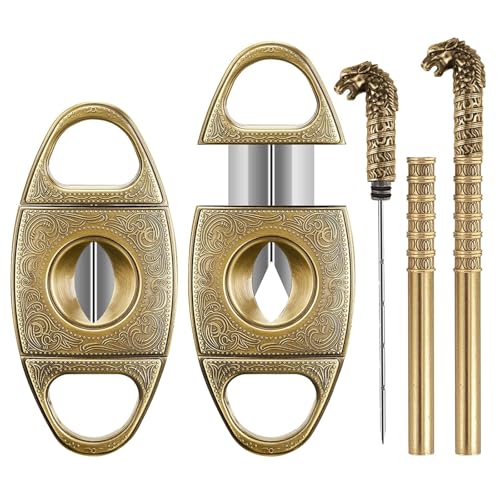
- TAR Score9.2
TAR Score is a ranking system developed by TopAppliancesReviews.com. TAR score has no relationship or impact from any manufacturers or sales agent websites. Learn more
- BrandScotte

- TAR Score9.2
TAR Score is a ranking system developed by TopAppliancesReviews.com. TAR score has no relationship or impact from any manufacturers or sales agent websites. Learn more
- BrandCIGARLOONG

- TAR Score9.0
TAR Score is a ranking system developed by TopAppliancesReviews.com. TAR score has no relationship or impact from any manufacturers or sales agent websites. Learn more
- BrandXZJMY

- TAR Score8.8
TAR Score is a ranking system developed by TopAppliancesReviews.com. TAR score has no relationship or impact from any manufacturers or sales agent websites. Learn more
- BrandXIFEI
Last update on 2026-10-03 / Affiliate links / Images, Product Titles, and Product Highlights from Amazon Product Advertising API
FAQs
Can I use a standard folding pocket knife to cut a cigar?
Yes, you can use any standard folding pocket knife as long as the blade is razor sharp and clean. A dull pocket knife will tear the leaf and ruin the cigar head, so verify that the edge slices paper cleanly before touching your tobacco. For safety, ensure the knife has a solid locking mechanism, such as a liner lock, so the blade cannot accidentally fold onto your fingers while rolling the cigar.
What should I do if the wrapper starts unraveling after I cut it?
If the wrapper begins to lift or peel after making your cut, do not pull or tear the loose leaf away. Moisten your fingertip with a tiny drop of water or natural saliva and gently smooth the loose edge back down against the cigar body. The moisture temporarily reactivates the natural vegetable gum underneath the leaf, resealing the wrapper so you can finish your smoke without further damage.
Is it better to cut a cigar with a knife or bite the cap off?
Cutting with a knife is vastly superior to biting the cap off with your teeth. Biting applies uneven crushing pressure across the head, which shatters the wrapper leaf, loosens the binder, and fills your mouth with loose, bitter tobacco flecks. Even a rough knife cut creates a cleaner edge and preserves the internal air channels much better than tearing the tobacco with your teeth.
How do I know if my knife cut is deep enough?
You can verify your cut depth by taking a gentle puff through the cigar before lighting the foot. If air flows smoothly into your mouth with only slight resistance, your cut is the correct depth. If you feel strong resistance, like sipping a thick milkshake, do not cut farther down the shoulder; instead, use the tip of your knife to gently loosen the packed tobacco fibers directly inside the opening.


Top Rated Best Quality Range Hoods: 2026 Expert Picks

The 12 Best Small Solar Generators 2026

10 Best Quality Semi Automatic Washing Machine of 2026 For Leak-Free Laundry

11 Best Small Washer Machine of 2026 For Everyday Laundry

12 Best Vibration Pads For Washing Machine of 2026 To Stop Walking and Shaking

11 Best Selling Front Load Washing Machine of 2026 For Quiet Odor-Free Laundry

11 Best Washing Machine For King Size Bedding of 2026 To Prevent Cycle Errors

10 Best Small Front Loader Washing Machine of 2026 For Tight Closets