
How to Close a Kershaw Knife Safely

There is no need to panic, because an open folding knife is built to stay locked tight until you move a small safety piece out of the way. To fold the blade shut, push the springy metal bar resting against the bottom of the blade sideways toward the handle wall, freeing the hinge so the steel swings closed. Keep your fingers completely out of the handle slot as you fold it down.
The exact way you release the blade depends on your specific model. Most pocketknives use a flexible strip tucked inside the handle slot, while others use a cut-out part of the outer frame or a push lever on the back spine. Built-in spring assist can also create slight resistance as the blade folds, or pocket lint in the hinge can make the lock feel stiff. Here is how to identify your lock style and close the knife safely.
Check the handle frame to identify your lock type
When you open a pocket knife, a mechanical lock snaps into place so the blade cannot accidentally fold shut across your fingers while cutting. Kershaw uses a few different locking systems. Before trying to close the blade, you need to identify which mechanism your knife uses. Forcing a blade against an engaged lock can bend internal parts, strip the hinge, or cause your fingers to slip across the sharp edge.
Hold the open knife firmly and look closely at the handle. You will find one of three common locking designs:
- Liner lock: Look straight into the open slot in the handle where the blade rests when closed. You will see a flat strip of spring metal resting flush against the base of the blade tang (the back end of the blade metal). This spring bar inside the handle snaps behind the open blade to stop it from closing on your fingers. Kershaw models like the Brawler and Cinder use this style.
- Frame lock: Turn the knife over and look at the outer metal handle plate (the scale). If the metal handle itself has an open channel cut through it, and that section has angled inward behind the open blade, you have a frame lock. The Kershaw Misdirect uses this design.
- Back lock (or spine lock): Look along the top backbone of the handle opposite the sharp edge. If you see a metal spine bar running along the top with an open cutout notch near the middle or butt of the handle, your knife uses a spine lock.
Most everyday carry pocket knives feature either a liner lock or a frame lock. Both operate on the same mechanical principle, even though one sits inside the handle and the other forms the outside wall.
Push the locking bar aside and guide the blade down safely
If your Kershaw has a liner lock or a frame lock, the knife stays open because that springy piece of metal blocks the blade from rotating. To close the knife, push that metal strip sideways toward the handle wall so the blade has an open path to swing shut.
Follow these numbered steps to close your knife safely:
- Adjust your grip on the handle: Hold the knife securely in your dominant hand with fingers wrapped around the outside scales. Keep fingertips completely clear of the inner channel where the sharp edge lands. Point the blade away from your body.
- Place your thumb pad on the lock bar: Look at the base of the blade near the hinge screw (the pivot). Place the flat pad of your thumb directly against the small ridges on the locking bar.
- Push the lock bar sideways toward the handle wall: If you are holding the knife in your right hand with the edge downward, push the lock bar to your left, pressing it flat against the inside handle wall. On a frame lock, press the cutout section outward. Move it about two millimeters until it clears the corner of the blade base.
- Start the folding motion with your other hand: While holding the lock bar against the handle wall, use your free hand to gently push the dull back spine of the blade forward just a fraction of an inch until the blade slips past the lock bar.
- Move your thumb out of the handle channel immediately: As soon as the blade clears the lock bar, pull your thumb completely out of the handle slot. Leaving your thumb resting inside the handle slot while the blade closes is how cuts happen.
- Guide the blade completely shut: Use your free hand on the dull back spine to push the blade all the way into the handle slot until you feel it settle safely inside the frame.
Press the spine release notch if your knife uses a back lock
If your Kershaw features a back lock, there is no spring bar inside the handle channel to push sideways. Instead, this traditional design uses a long rocker bar that runs along the top spine of the handle and pivots on a center pin like a seesaw.
When you open the knife, a square hook at the front of this rocker bar drops into a matching notch cut into the top of the blade base. This creates a solid physical barrier that holds the blade open under heavy cutting pressure.
To release a back lock safely:
- Check your hand position: Grip the sides of the handle with your fingertips resting on the outer scales. Keep your fingers clear of the open slot where the sharp edge lands.
- Find the release notch: Locate the cutout along the top spine of the handle where the rocker bar is exposed.
- Press down firmly on the rocker bar: Use the pad of your thumb to press downward into the notch. This action lifts the front hook out of the blade notch.
- Fold the blade shut: With the lock lifted, use your other hand to push the dull back spine of the blade downward until it swings cleanly into the handle.
Expect spring resistance when folding an assisted opening blade
Many popular Kershaw models feature SpeedSafe assisted opening. When you pull the flipper tab on the back of the handle to open the knife, an internal torsion bar catches the blade and snaps it open with spring assistance. While this makes opening the knife fast, it changes how the knife feels when you close it.
When you unlock an assisted opening knife and begin swinging the blade shut, you will hit a firm wall of resistance about halfway through the fold. New knife owners often think the blade is jammed or broken. This resistance is completely normal. Folding the blade forces the internal torsion bar to bend and reload its spring tension for the next open.
Once you have moved the lock bar aside and cleared your fingers from the handle opening, apply smooth, steady pressure on the dull spine of the blade. The blade will overcome the spring tension and snap securely into the closed position. Never touch the sharp cutting edge to push the blade shut.
Clean out pocket lint and adjust pivot screws when the lock sticks
A locking bar should move smoothly when pressed with moderate thumb pressure. However, pocket knives collect clothing fuzz, dust, and dried grease inside pants pockets. Over time, debris can make the locking mechanism stiff or gritty. A lock can also stick due to microscopic friction between the blade tang and the lock bar face.
If your Kershaw knife lock feels frozen or painful to release, follow this troubleshooting checklist:
- Relieve opening pressure on the blade: Pulling backward on the blade wedges the lock face tighter against the blade base. Instead, push the blade slightly forward in the open direction with your free hand to take pressure off the lock bar, then press the bar sideways.
- Never pry the lock bar with metal tools: Jamming a screwdriver or key into the handle to force the lock bar sideways can bend the spring out of alignment, ruining the lock.
- Blow out pocket lint and grit: Blast the inner handle slot, the lock bar cutout, and the hinge area with compressed air to clear trapped fuzz.
- Apply dry graphite to the lock face: If your lock bar sticks hard every time you open the knife, unlock the blade and rub a standard number 2 graphite pencil across the angled metal ramp at the base of the blade tang. The graphite acts as a slick dry lubricant that prevents sticking.
- Check pivot screw tension: If the blade itself feels tight and hard to swing closed, the main hinge screw might be overtightened. The hinge needs to be snug enough to prevent side-to-side blade wiggle, but loose enough for the blade to rotate freely.
Maintaining a pocket folder requires regular care, just as fine kitchen cutlery needs proper washing and storage. For example, high-end blades like a German high carbon steel premium knife block set require immediate drying to prevent rust spots. Storing home cutlery on a magnetic knife block and knife set combo keeps edges clean, but an everyday carry knife carried in a pocket needs regular cleaning to keep lint out of its moving parts.
Pick the right maintenance tools to keep your lock moving smoothly
To keep your folding knife opening swiftly and unlocking without sore thumbs, keeping a couple of basic maintenance items at home makes a substantial difference. You do not need a large workshop setup, but using the correct fluids and screwdrivers prevents damage to the delicate internal mechanisms.
First, choose a dedicated, lightweight knife oil formulated specifically for folding mechanisms. Avoid heavy motor oils, thick petroleum grease, or cooking oils. Thick oils act like magnets for pocket lint, forming a gritty paste that wears down pivot washers and jams the locking bar. Look for a thin, non-gumming synthetic oil that creeps into tight tolerances around the hinge pivot. A single drop applied to the hinge washers every few months prevents corrosion and keeps the blade swinging effortlessly.
Second, pick up a compact magnetic bit driver equipped with star-shaped Torx bits, particularly sizes T-6, T-8, and T-10. Folding knives rarely use standard Phillips or slotted screws. Trying to tighten a loose pocket clip or adjust a stiff pivot screw with a mismatched screwdriver will strip the soft screw heads. A small, knurled driver gives you the grip needed to adjust pivot tension by tiny fractions of a turn until the blade swings smoothly with zero play.

- TAR Score9.4
TAR Score is a ranking system developed by TopAppliancesReviews.com. TAR score has no relationship or impact from any manufacturers or sales agent websites. Learn more
- BrandKershaw

- TAR Score9.2
TAR Score is a ranking system developed by TopAppliancesReviews.com. TAR score has no relationship or impact from any manufacturers or sales agent websites. Learn more
- BrandKershaw
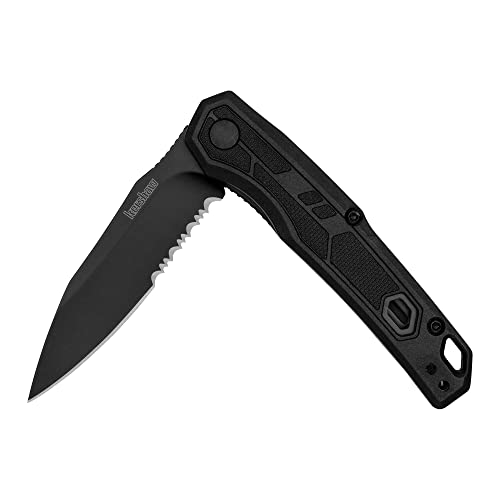
- TAR Score9.2
TAR Score is a ranking system developed by TopAppliancesReviews.com. TAR score has no relationship or impact from any manufacturers or sales agent websites. Learn more
- BrandKershaw
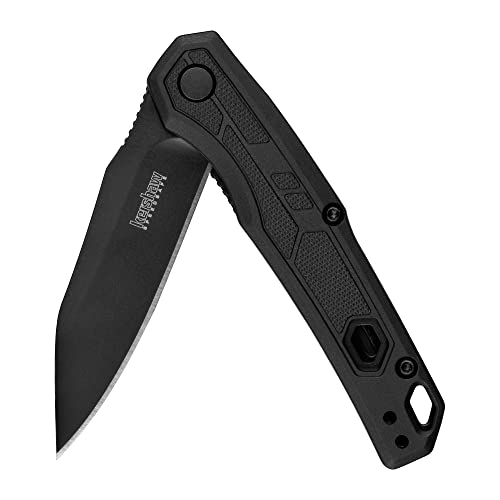
- TAR Score9.2
TAR Score is a ranking system developed by TopAppliancesReviews.com. TAR score has no relationship or impact from any manufacturers or sales agent websites. Learn more
- BrandKershaw

- TAR Score9.2
TAR Score is a ranking system developed by TopAppliancesReviews.com. TAR score has no relationship or impact from any manufacturers or sales agent websites. Learn more
- BrandKershaw

- TAR Score9.2
TAR Score is a ranking system developed by TopAppliancesReviews.com. TAR score has no relationship or impact from any manufacturers or sales agent websites. Learn more
- BrandKershaw

- TAR Score9.2
TAR Score is a ranking system developed by TopAppliancesReviews.com. TAR score has no relationship or impact from any manufacturers or sales agent websites. Learn more
- BrandKershaw

- TAR Score9.2
TAR Score is a ranking system developed by TopAppliancesReviews.com. TAR score has no relationship or impact from any manufacturers or sales agent websites. Learn more
- BrandKershaw

- TAR Score9.0
TAR Score is a ranking system developed by TopAppliancesReviews.com. TAR score has no relationship or impact from any manufacturers or sales agent websites. Learn more
- BrandKershaw
Last update on 2026-10-03 / Affiliate links / Images, Product Titles, and Product Highlights from Amazon Product Advertising API
FAQs
Why does my Kershaw knife blade feel stuck open?
Your knife feels stuck because the locking bar has snapped firmly behind the base of the blade, which is designed to protect your fingers while cutting. If the bar will not move sideways when you press it with your thumb, metal friction or built-up pocket lint is jamming the lock. Push the blade slightly forward in the open direction with your free hand to take pressure off the lock bar, then press the bar sideways toward the handle wall.
Can I safely close my Kershaw knife using only one hand?
Yes, you can close liner lock and frame lock knives with one hand once you are familiar with the motion, but beginners should always use two hands. To close it with one hand, push the lock bar aside with your thumb pad, tap the dull spine of the blade forward with your index finger until the blade clears the lock, remove your thumb from the channel, and press the dull spine against your thigh to finish folding it shut. Never rush a one-handed close.
Is it normal for an assisted opening knife to push back when folding?
Yes, spring pushback is completely normal on all assisted opening models. As you fold the blade closed, the blade tang compresses an internal torsion wire spring so the knife is reloaded and ready to snap open the next time you press the flipper. As long as you have pushed the lock bar aside and cleared your fingers from the handle opening, push firmly against the dull spine of the blade until it snaps shut inside the frame.
How do I know if my knife has a frame lock or a liner lock?
Look at the outer handle of the knife. If the metal bar you push is a thin strip hidden inside the handle slot beneath a separate handle cover, your knife has a liner lock. If the metal bar is part of the outer handle wall itself, featuring a channel cut directly into the thick handle frame, your knife has a frame lock. Both work the exact same way and require pushing the bar sideways to release the blade.


Top Rated Best Quality Range Hoods: 2026 Expert Picks

The 12 Best Small Solar Generators 2026

10 Best Quality Semi Automatic Washing Machine of 2026 For Leak-Free Laundry

11 Best Small Washer Machine of 2026 For Everyday Laundry

12 Best Vibration Pads For Washing Machine of 2026 To Stop Walking and Shaking

11 Best Selling Front Load Washing Machine of 2026 For Quiet Odor-Free Laundry

11 Best Washing Machine For King Size Bedding of 2026 To Prevent Cycle Errors

10 Best Small Front Loader Washing Machine of 2026 For Tight Closets






