How to Safely Unlock and Close a CRKT Knife

Push the metal lock bar aside. Most folding blades stay open because a springy piece of steel inside the handle rests behind the blade. Press this metal lock bar sideways with your thumb, keep your fingers outside the handle groove, and gently swing the blade shut.
A couple of details can change how the mechanism works. Some models feature a small safety lever near the main hinge pin that you must pull back before the lock will move at all. Other designs use a bend in the outer handle wall, while some unlock with a button on the side. Trapped pocket lint or an overtightened pivot screw can also make the bar feel frozen. Spotting which style sits in your hand makes unlocking it simple and safe.
Identify the Locking System on Your CRKT Knife
To fold your knife safely, you first need to identify the lock holding the blade open. CRKT folding knives use mechanical barriers to stop the blade from swinging shut on your fingers during cutting. Forcing the blade shut against this barrier can bend the frame, strip the pivot, or cause injury.
Look closely at the handle while the blade is open. Most CRKT folders use one of three main locking setups: a liner lock, a frame lock, or a lock paired with a safety switch.
A liner lock features a springy metal strip inside the handle. When the blade opens fully, this strip snaps inward behind the base of the blade (the tang), blocking it from folding. You will find this setup on everyday carry pocket knife models like the Drifter or the slim CEO. Look inside the open handle slot to see the flat metal strip resting against the blade base.
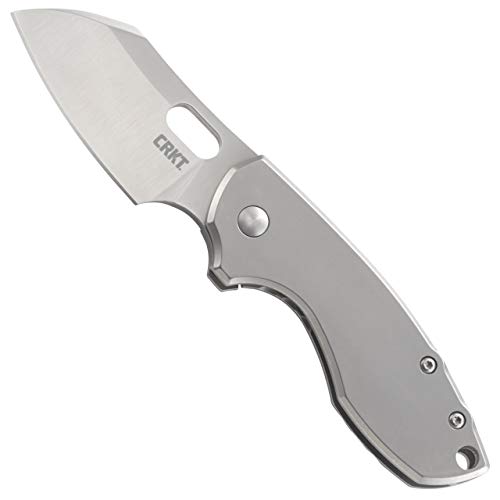
A frame lock works similarly, but the outer handle wall itself acts as the lock bar. A thick section of the metal handle bends inward behind the blade tang. Knives like the Pilar and certain M16 models use this frame lock design, making the lock bar visible on the outside of the handle.
Some models feature an automated secondary lock, known as Auto-LAWKS. This safety switch near the hinge slides a metal pin behind the lock bar, preventing it from moving. If your knife has a small rocker tab near the pivot pin, your knife has this added safety system.
Fixed blade models, such as the Minimalist series, do not fold. They stay rigid and slide into a sheath. If your knife has solid pins with no hinge, you are holding a fixed blade.
Step-by-Step Instructions to Unlock and Fold a Standard CRKT Knife
Closing a standard liner lock or frame lock takes only a few seconds once your hands are in position. Use two hands while learning the movement. Here is how to unlock and fold the blade smoothly.
- Grip the handle with your fingers on the back spine. Keep your palm and fingers clear of the inner slot. (Reason: Keeps your fingers out of the path where the sharp edge travels.)
- Turn the knife so you can see inside the handle channel. Angle the open side of the handle toward you to see the blade base clearly. (Reason: Ensures your thumb presses the right piece of metal without slipping.)
- Place the pad of your thumb on the textured edge of the lock bar. Find the serrated tab behind the blade tang inside the handle slot, or on the outer frame for a frame lock. (Reason: The ridges give your thumb solid traction.)
- Push the lock bar toward the outside handle scale. Press the metal strip outward until it clears the corner of the blade tang. (Reason: The blade cannot rotate closed until this springy metal bar moves aside.)
- Nudge the dull spine of the blade with your other hand. Use your free hand to gently push the unsharpened back of the blade forward into the handle. (Reason: Moving the blade past the lock bar prevents the spring from snapping back into the locked position.)
- Remove your thumb completely from the inside of the handle. Take your thumb off the lock bar and pull your hand to the outside of the handle. (Reason: Leaving your thumb inside the slot puts it directly in front of the closing blade edge.)
- Fold the blade smoothly into the handle slot. Push the blade all the way closed until you feel it click into its seated pocket. (Reason: Fully seating the blade keeps the cutting edge safely covered.)
How to Disengage CRKT Knives with an Auto-LAWKS Safety Lever
If your knife includes an Auto-LAWKS safety lever, pressing the liner lock alone will not move the bar. The safety lever locks the liner in place. You must pull the safety lever back while pressing the liner lock bar. Follow these steps to close an Auto-LAWKS knife cleanly.
- Locate the safety lever near the main pivot screw. Find the small lever on the handle near the pivot pin where the blade rotates. (Reason: You must disengage this secondary safety wedge before the liner lock can move.)
- Pull the safety lever backward toward the rear of the handle. Use your index finger to slide the spring-loaded lever back away from the blade and hold it there. (Reason: Pulling this switch moves the internal pin out of the way, freeing the locking liner.)
- Push the liner lock bar to the side with your thumb. While holding the safety lever back, push the internal liner lock bar outward toward the handle scale. (Reason: The lock bar now has space to move away from the blade tang.)
- Nudge the dull spine of the blade slightly forward. Use your free hand to push the unsharpened spine of the blade slightly into the handle opening. (Reason: Moving the blade past the lock face prevents the liner from springing back into the locked position.)
- Release both the safety lever and the liner lock. Let go of the small lever and lift your thumb completely clear of the handle opening. (Reason: Your fingers must leave the handle channel so the cutting edge can fold safely.)
- Swing the blade fully closed into the handle. Push the back of the blade down until the handle covers the entire cutting edge. (Reason: The internal safety lever automatically resets itself for the next time you open the knife.)
Vital Finger Safety Rules While Closing Any Folding Knife
Closing accidents cause many painful cuts. When a lock disengages, the blade pivots freely. If your fingers wrap across the handle slot, the sharp edge lands directly on your skin. Keep these essential safety rules in mind every time you close your knife:
- Never wrap fingers across the handle opening: Hold only the outer sides and the solid spine of the handle. The open channel where the blade folds must stay completely clear of fingers, palms, and clothing.
- Always press against the dull blade spine: When guiding the blade into the handle, place your fingers only on the flat, unsharpened back of the blade steel. Never touch the sharpened edge or pinch the blade near the cutting bevel.
- Use two hands until the motion feels natural: Closing a knife with one hand forces your thumb into the closing path. Using one hand to hold the lock open and the other to guide the blade spine prevents accidental slips.
- Angle the cutting edge away from your body: Keep the knife pointed outward in front of you while closing it. Never close a knife against your leg, your chest, or toward another person.
- Stop immediately if you feel resistance: Never force the blade down if it stops moving halfway. Forcing a blade against a stuck lock can bend the liner, chip the pivot pin, or cause the blade to snap shut violently.
What to Do When the Lock Feels Completely Stuck
Sometimes a knife lock refuses to budge. You press your thumb against the liner or frame lock, but the metal bar feels frozen. Knife owners call this problem lock stick. In other cases, the blade itself feels stiff, making it difficult to swing back into the handle even after the lock clears.
Lock stick usually happens because of friction between the blade tang and the lock bar, or debris lodged inside the pivot (the screw pin the blade rotates on). Pocket lint, dust, and moisture gather inside the handle during daily carry. This debris packs tightly around the pivot washers and behind the locking liner, wedging the lock bar against the blade tang.
To fix a jammed or gritty lock, clean it before adjusting any screws:
- Blow out loose lint from inside the handle cavity and around the pivot screw using compressed air.
- Wash the pivot area under warm running water with mild dish soap, working the blade gently open and closed to dislodge trapped grit.
- Dry the knife thoroughly right after washing. Pocket folders use rust-resistant stainless steel, but lingering moisture can cause corrosion. In kitchen prep, specialized sets like German high carbon steel knife sets demand immediate drying to stop rust spots; your pocket knife needs that same care around its moving pivot pin.
- Apply one drop of light mineral oil directly to the pivot seam, wiping away excess oil so it does not attract fresh pocket lint.
If cleaning does not loosen the lock, check the pivot screw tension. A pivot screw tightened down too far pinches the handle scales against the blade tang. You can loosen the pivot screw slightly using a small Torx driver, usually a T6 or T8 bit. Turn the screw counterclockwise by a tiny fraction of a turn to relieve clamping pressure without creating blade wobble.
If the lock remains stuck after cleaning and pivot adjustment, stop working on it. Never pry the lock bar open with a screwdriver, as this bends the spring steel and ruins the lock geometry. If the mechanism is frozen, contact the manufacturer or use your product warranty to have it serviced safely.
Choosing the Right Pocket Knife and Maintenance Gear for Easy Handling
If you regularly struggle with stiff locks or tight folding actions, choosing knives with user-friendly features makes a big difference. Certain designs are naturally easier on your hands and far simpler to keep in working order.
Look for pocket knives that feature generous cutouts along the handle scales. A deep cutout around the lock bar gives your thumb direct access to the textured tab, so you do not have to dig your fingernail into a cramped slot. Knives with ball bearing pivot systems also require much less hand force to swing open and shut compared to tight nylon washer designs. Grippy handle materials, like textured G-10 or grooved fiberglass nylon, prevent your hands from slipping when you apply thumb pressure to a stiff lock bar.
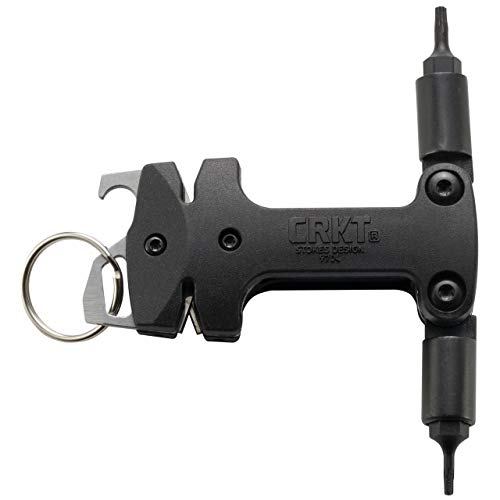
Keeping a compact maintenance tool on hand also prevents common lock problems. A small pocket tool equipped with standard T6 and T8 Torx bits lets you keep pivot pins dialed to the perfect tension wherever you go. Routine pivot care keeps your pocket tools working smoothly, just as regular honing keeps Japanese chef knife sets clean and ready for precision work.

- TAR Score9.6
TAR Score is a ranking system developed by TopAppliancesReviews.com. TAR score has no relationship or impact from any manufacturers or sales agent websites. Learn more
- BrandCRKT

- TAR Score9.6
TAR Score is a ranking system developed by TopAppliancesReviews.com. TAR score has no relationship or impact from any manufacturers or sales agent websites. Learn more
- BrandCRKT
- TAR Score9.4
TAR Score is a ranking system developed by TopAppliancesReviews.com. TAR score has no relationship or impact from any manufacturers or sales agent websites. Learn more
- BrandCRKT

- TAR Score9.4
TAR Score is a ranking system developed by TopAppliancesReviews.com. TAR score has no relationship or impact from any manufacturers or sales agent websites. Learn more
- BrandCRKT
- TAR Score9.2
TAR Score is a ranking system developed by TopAppliancesReviews.com. TAR score has no relationship or impact from any manufacturers or sales agent websites. Learn more
- BrandCRKT

- TAR Score9.2
TAR Score is a ranking system developed by TopAppliancesReviews.com. TAR score has no relationship or impact from any manufacturers or sales agent websites. Learn more
- BrandCRKT

- TAR Score9.2
TAR Score is a ranking system developed by TopAppliancesReviews.com. TAR score has no relationship or impact from any manufacturers or sales agent websites. Learn more
- BrandCRKT

- TAR Score9.2
TAR Score is a ranking system developed by TopAppliancesReviews.com. TAR score has no relationship or impact from any manufacturers or sales agent websites. Learn more
- BrandCRKT

- TAR Score9.0
TAR Score is a ranking system developed by TopAppliancesReviews.com. TAR score has no relationship or impact from any manufacturers or sales agent websites. Learn more
- BrandCRKT
Last update on 2026-10-03 / Affiliate links / Images, Product Titles, and Product Highlights from Amazon Product Advertising API
FAQs
Why will my CRKT knife not fold even when I push hard on the blade?
You are likely fighting an engaged lock bar or an active secondary safety switch like Auto-LAWKS. Never push down directly on the sharp blade to overcome resistance. Inspect the inside slot of the handle to verify whether the metal lock bar has moved completely to the side before attempting to fold the blade.
Can I close a liner lock knife safely using only one hand?
Yes, experienced users do close liner locks with one hand, but it requires careful finger control. You press the lock bar with your thumb, start the fold with your index finger against the blade spine, and quickly pull your thumb out of the handle channel before swinging the blade home. Beginners should always use two hands to keep fingertips completely safe.
Is a frame lock harder to close than a liner lock?
A frame lock uses a thicker piece of metal cut directly from the handle wall, which means the lock bar is often stiffer than an internal liner spring. While this gives the knife immense strength during hard work, you need firm thumb pressure to push the thick bar clear of the blade tang.
What should I do if my knife makes a gritty sound when closing?
A gritty sound means dirt, sand, or pocket lint has invaded the pivot washers or ball bearings. Stop forcing the blade closed, as grit can scratch the pivot surface and cause premature wear. Blow out the pivot with compressed air, wash it with warm soapy water, dry it thoroughly, and add a single drop of light oil to the hinge.

Top Rated Best Quality Range Hoods: 2026 Expert Picks

The 12 Best Small Solar Generators 2026

10 Best Quality Semi Automatic Washing Machine of 2026 For Leak-Free Laundry

11 Best Small Washer Machine of 2026 For Everyday Laundry

12 Best Vibration Pads For Washing Machine of 2026 To Stop Walking and Shaking

11 Best Selling Front Load Washing Machine of 2026 For Quiet Odor-Free Laundry

11 Best Washing Machine For King Size Bedding of 2026 To Prevent Cycle Errors

10 Best Small Front Loader Washing Machine of 2026 For Tight Closets