
How To Clean Washer Standpipe And Wall Drain Right

How To Clean Washer Standpipe And Wall Drain sounds simple until dirty water starts creeping back up behind the machine, leaving that sour smell nobody wants lingering in the laundry area. One clogged standpipe can quietly build pressure inside the drain line for weeks before the real headache shows up. Then suddenly, water spills onto the floor during a spin cycle, soap residue hardens inside the pipe, and lint turns into a nasty sludge that just won’t budge. A lot of people wipe down the washer itself but completely forget the hidden drain system tucked behind the wall.
That hidden buildup causes more trouble than most expect. Slow drainage often starts with tiny warning signs like gurgling noises, damp odors, or occasional standing water near the drain opening. Ignore those clues long enough, and the pipe can trap detergent residue, fabric fibers, and greasy grime in layers. Before long, the washer pushes water out faster than the drain can handle it. Cleaning the standpipe properly helps restore smooth water flow while also reducing moisture problems that can creep into walls and flooring.
Drain maintenance also matters for the washer itself. A blocked wall drain forces the appliance to work harder during draining cycles, which can stress the pump and create unnecessary wear over time. Nobody enjoys pulling a heavy washing machine away from the wall only to find black sludge coating the pipe opening. Still, tackling the mess early usually prevents larger plumbing repairs later. Even basic cleaning habits can help stop recurring backups from turning into an expensive problem.
Some drain lines clog faster depending on laundry habits. Pet hair, thick blankets, excess detergent, and powdered soap residue often collect inside narrow sections of the pipe. Older homes can make things worse because aging plumbing sometimes narrows from mineral buildup or corrosion. That’s why quick surface cleaning rarely fixes the root issue. A deeper approach clears out stubborn grime while helping water move freely again.
How To Clean Washer Standpipe And Wall Drain also becomes easier once the process feels less intimidating. A few practical tools, steady cleaning steps, and proper flushing techniques usually handle most common blockages without unnecessary frustration. The key is working carefully instead of dumping random chemicals into the drain and hoping for the best. Strong chemical cleaners can sometimes damage older pipes or leave harsh fumes trapped in tight laundry spaces.
Fresh airflow, cleaner pipes, and smoother drainage can completely change the feel of a laundry room. Instead of dealing with musty smells and surprise puddles, the entire washing setup runs more reliably. Small maintenance routines often prevent the “uh-oh” moments that happen right before guests arrive or during a huge laundry pileup. Nobody wants to battle a flooded floor while towels and jeans sit soaking wet inside the washer.

- TAR Score10.0
TAR Score is a ranking system developed by TopAppliancesReviews.com. TAR score has no relationship or impact from any manufacturers or sales agent websites. Learn more
- BrandKerroEdion

- TAR Score9.2
TAR Score is a ranking system developed by TopAppliancesReviews.com. TAR score has no relationship or impact from any manufacturers or sales agent websites. Learn more
- BrandSANBIAOPEN

- TAR Score9.2
TAR Score is a ranking system developed by TopAppliancesReviews.com. TAR score has no relationship or impact from any manufacturers or sales agent websites. Learn more
- BrandGreen Gobbler
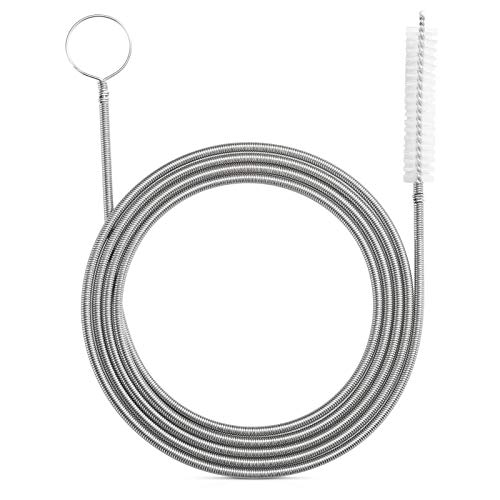
- TAR Score8.8
TAR Score is a ranking system developed by TopAppliancesReviews.com. TAR score has no relationship or impact from any manufacturers or sales agent websites. Learn more
- BrandRayTour

- TAR Score8.8
TAR Score is a ranking system developed by TopAppliancesReviews.com. TAR score has no relationship or impact from any manufacturers or sales agent websites. Learn more
- BrandKeyFar

- TAR Score8.8
TAR Score is a ranking system developed by TopAppliancesReviews.com. TAR score has no relationship or impact from any manufacturers or sales agent websites. Learn more
- BrandAdove

- TAR Score8.6
TAR Score is a ranking system developed by TopAppliancesReviews.com. TAR score has no relationship or impact from any manufacturers or sales agent websites. Learn more
- BrandBozenu

- TAR Score8.6
TAR Score is a ranking system developed by TopAppliancesReviews.com. TAR score has no relationship or impact from any manufacturers or sales agent websites. Learn more
- BrandMBJRFU

- TAR Score8.4
TAR Score is a ranking system developed by TopAppliancesReviews.com. TAR score has no relationship or impact from any manufacturers or sales agent websites. Learn more
- BrandGeneric
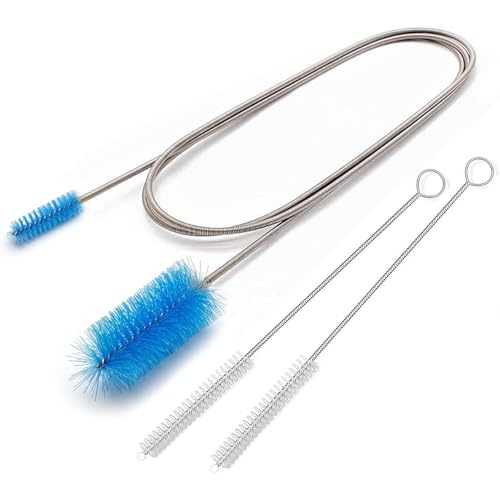
- TAR Score8.4
TAR Score is a ranking system developed by TopAppliancesReviews.com. TAR score has no relationship or impact from any manufacturers or sales agent websites. Learn more
- Branddesin
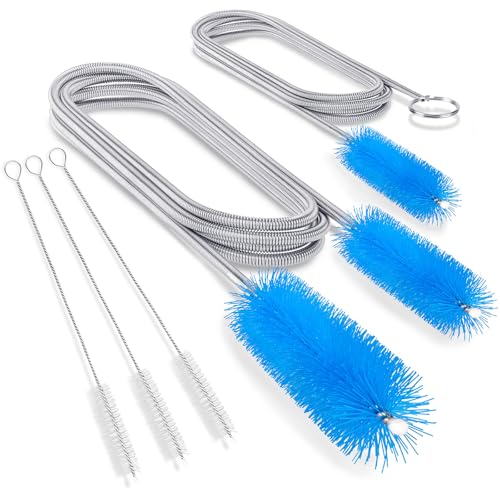
- TAR Score8.0
TAR Score is a ranking system developed by TopAppliancesReviews.com. TAR score has no relationship or impact from any manufacturers or sales agent websites. Learn more
- BrandSARDVISA
Last update on 2026-07-10 / Affiliate links / Images, Product Titles, and Product Highlights from Amazon Product Advertising API
How To Clean Washer Standpipe And Wall Drain Without Messy Backups
A laundry room can look spotless and still hide a nasty little problem behind the washer. Water drains fine one week, then suddenly it gurgles, spits, or creeps back up the pipe like it has a mind of its own. That’s the frustrating moment where how to clean washer standpipe and wall drain stops being a random home chore and turns into a real fix for slow drainage, sour odors, and floor puddles. The trick isn’t panic cleaning with harsh chemicals. It’s clearing the buildup in the right order so lint, detergent sludge, and grime don’t keep coming back.
Clean Washer Drain Basics
The standpipe behind a washer has one job, and it’s not a glamorous one. It carries dirty rinse water away fast enough to keep up with the washer pump. A modern washer can dump water quickly, so even a partial clog can turn into overflow, backflow, or a wet mess around the wall. That’s why washer drain cleaning matters before the pipe acts completely blocked.
Most drain trouble starts small. A little lint sticks to soap film, then more fibers cling to that sticky layer, and before long the pipe has a soft plug that slows every rinse cycle. Fabric softener can make the mess worse because it leaves a waxy coating along the pipe wall. Add pet hair, sandy work clothes, or muddy garden towels, and the drain begins holding onto sludge, odor, and standing moisture.
A good cleaning plan starts with the visible parts first. Pull the washer forward carefully, check the drain hose, and look at the standpipe opening with a flashlight. If the pipe smells sour or you see black residue around the rim, that’s a clear sign of organic buildup and trapped detergent waste. Before pushing tools into the wall drain, make sure the washer is unplugged and the water supply valves are turned off.
The wall drain deserves a slower approach than the average sink drain. Dumping random cleaners into it can loosen debris halfway and create a thicker blockage deeper in the line. A safer first move is to remove loose lint around the pipe opening, wipe the rim, and test how fast a small amount of water drops into the standpipe. This simple check helps separate a surface clog from a deeper drain line restriction.
Regular cleaning also protects the washer pump. If wastewater can’t leave smoothly, the pump has to work against extra resistance during the drain cycle. That strain won’t always break something right away, but it can lead to noisy draining, cycle errors, or water left in the drum. Keeping the standpipe clear supports steady water flow, better odor control, and a less dramatic laundry day.
Spot Drain Warning Signs Early
A washer drain rarely fails out of nowhere. It usually gives a few hints before water spills onto the floor. Listen for gurgling, watch for slow draining, and check for damp smells after a heavy load. Those little clues often mean the standpipe or wall drain is already collecting buildup.
The easiest warning sign is water rising in the standpipe during the drain cycle. A small swirl near the opening may be normal, but bubbling, splashing, or overflowing is a red flag. The washer pump may be pushing water faster than the pipe can accept it. That mismatch points to restricted drainage, lint buildup, or a pipe that needs deeper cleaning.
Bad smells tell a story too. A musty odor behind the washer often comes from wet lint, soap scum, and bacteria sitting inside the drain opening. If the laundry room smells worse after a hot wash, warm water may be waking up trapped grime in the pipe. Cleaning the standpipe helps remove that hidden source of sewer-like odors, mildew smells, and stale laundry-room air.
Small leaks near the wall can be sneaky. Water may splash out only during bulky loads, then dry before anyone notices. Check the baseboard, floor edge, and washer pan for stains or soft spots. Repeated moisture can damage flooring, attract pests, and turn a minor drain issue into water damage that costs a lot more than basic maintenance.
The average household may run hundreds of laundry loads each year, so the drain line handles a steady stream of lint, soil, detergent, and body oils. That volume makes routine checks worth it, especially in homes with kids, pets, gardeners, or heavy work clothes. A quick monthly look behind the washer can catch slow drainage before it becomes a weekend plumbing headache.
To reduce soap film before it reaches the drain, upgrade laundry habits with liquid for front load washing machine that rinses cleaner in low-water cycles.
Clear The Standpipe Safely
Start by pulling the washer away from the wall just enough to work without yanking the hoses. The drain hose should slide out of the standpipe, but move slowly because old rubber can crack or cling to the pipe. Keep towels nearby because trapped water may spill from the hose end. This first step gives you direct access to the standpipe opening, hose outlet, and visible grime.
Wipe the rim and inside lip of the pipe with a rag wrapped around your fingers or a small brush. Black gunk around the opening often comes from detergent residue mixed with lint and moisture. Don’t shove that mess down the pipe. Remove it upward so you’re not feeding the clog deeper into the wall drain or creating a thicker plug below the trap.
A flexible drain brush works well for the upper section of the standpipe. Feed it down gently, twist slowly, then pull it back out to catch lint and sludge. Rushing this step can pack debris tighter, which is the opposite of what you want. Slow passes help break up soft buildup, loosen hair, and clear the pipe walls without abusing older plumbing.
Warm water can help flush loosened debris after brushing. Pour it in gradually, not all at once, and watch how quickly it drops. If the water drains smoothly, repeat the flush a few times to rinse away residue. If it rises back up, stop pouring and move to a deeper clearing method because the blockage is probably farther down the wall drain.
Avoid boiling water if the plumbing is older or unknown. Very hot water can soften some plastic pipes, stress fittings, or loosen seals that were already weak. Warm water plus mechanical cleaning usually works better for laundry sludge anyway. The goal is controlled clearing, not shocking the pipe and hoping for the best.
Clean The Wall Drain Deeper
A wall drain clog can sit beyond the visible standpipe, especially where the pipe bends or connects to the trap. That hidden section collects heavier debris that brushing the top won’t reach. A hand-crank drain auger can help if warm flushing fails. Feed the cable slowly so it follows the pipe path without scraping too aggressively against older fittings or tight bends.
Push the auger only until you feel resistance, then rotate the handle to break through the clog. Don’t force it like you’re drilling concrete. Laundry clogs are often soft, layered, and stringy, so patient twisting usually works better than brute pressure. Pull the cable back often and wipe away caught lint ropes, soap sludge, and hair before sending it in again.
After clearing, flush the drain in stages. Pour warm water slowly, pause, then pour again while watching the standpipe. Fast draining with no bubbling usually means the line has opened up. If water still rises, the clog may sit farther downstream, and that’s where a plumber’s equipment can save the wall from unnecessary damage.
Chemical drain cleaners deserve caution here. Some products generate heat, release strong fumes, or react badly with other cleaners already in the pipe. They can also splash back during an overflow, which is a nasty surprise in a cramped laundry corner. Mechanical clearing is usually safer for washer standpipes, especially in homes with older drains or unknown pipe materials.
Washer size affects drain demand too. Bigger tubs push larger water volumes during drain cycles, so the standpipe needs to keep up without choking. To match heavy laundry days with better capacity planning, compare extra large washing machine choices before upgrading a laundry setup that already has slow drain issues.
Stop Odors From Coming Back
Bad drain smells usually return because the source wasn’t fully removed. Wiping the opening helps, but the pipe walls may still hold damp lint and detergent film deeper down. After brushing and flushing, a mild cleaning rinse can reduce leftover residue. The biggest wins come from removing trapped debris, improving airflow, and keeping wastewater moving fast.
Use detergent carefully because more soap doesn’t mean cleaner clothes. Too much detergent leaves residue in the washer and the drain line, especially with low-water machines. That extra film gives lint something sticky to grab. Measuring detergent properly can reduce soap scum, pipe coating, and the sour smell that lingers after washing towels.
Fabric softener can be another troublemaker. It may make clothes feel smoother, but it can leave a waxy layer inside hoses and drains. That layer traps pet hair, garden soil, and fibers from thick fabrics. Cutting back or switching routines can help the standpipe stay cleaner between deep cleanings.
Air quality matters in tight laundry spaces too. Moisture behind the washer can feed musty smells, especially if the room has weak ventilation. To cut airborne irritants that make laundry rooms feel stale, explore hepa air purifier for allergies as a separate comfort upgrade while the drain stays on its own cleaning schedule.
A simple maintenance rhythm keeps the problem from sneaking back. Check the standpipe opening monthly, clean visible lint, and run a warm-water flush after washing pet bedding or muddy clothes. Leave the washer area dry after spills and keep the drain hose properly seated without cramming it too far down the pipe. Those small habits protect clean drainage, odor control, and the floor behind the machine.
How To Clean Washer Standpipe And Wall Drain For Better Flow
A drain that runs fine during small loads can still choke during towels, bedding, or muddy work clothes. That uneven behavior usually points to partial buildup, not a fully blocked pipe. Learning how to clean washer standpipe and wall drain with steady habits helps prevent overflow, odor, and surprise puddles behind the washer. Clean drainage isn’t fancy, but it keeps laundry day from going sideways.
Flush The Drain After Heavy Loads
Heavy laundry sends more lint, soil, and detergent residue through the standpipe than light everyday clothing. Towels, pet blankets, rugs, and gardening clothes are especially rough on the drain because they shed fibers and carry grit. A simple warm-water flush after these loads helps move loose debris before it sticks. This small habit supports cleaner drain walls, faster water flow, and fewer recurring clogs.
Pour warm water slowly into the standpipe after the washer finishes draining. Watch the water level closely instead of dumping a full bucket at once. If the pipe takes water smoothly, the drain is probably clear enough for routine maintenance. If water rises, bubbles, or smells sour, the line may still have hidden sludge deeper inside.
Detergent choice also affects buildup. Too much soap leaves a sticky film that catches lint and hair inside the pipe. To reduce residue from regular laundry loads, compare detergent for washing machine philippines options that fit local water conditions and washer type. Cleaner rinsing can help lower soap film, musty odor, and drain grime over time.
Warm flushing won’t fix every clog, and that’s the tradeoff. It works best as prevention or after a light brushing. A thick blockage needs mechanical clearing, not wishful pouring. Still, this easy routine keeps small debris from turning into a stubborn plug.
Check The Drain Hose Position
The drain hose can cause trouble even when the wall pipe is mostly clear. If the hose sits too deep in the standpipe, it can restrict airflow and create weird draining behavior. If it barely sits inside the pipe, water can splash out during the pump cycle. The right fit supports proper venting, steady discharge, and less mess behind the washer.
Leave a little air gap around the hose where it enters the standpipe. That gap helps wastewater move without creating suction problems. A hose shoved tightly into the pipe may seem secure, but it can trap pressure during fast draining. Small placement details often explain gurgling, splashing, and slow drain complaints.
Secure the hose with the proper guide or bracket instead of tape wrapped around the pipe opening. Tape can trap moisture, collect dust, and hide leaks until the floor is already damp. A stable hose should curve gently without kinks or sharp bends. Kinks reduce water flow and make the pump push harder than it should.
Look for cracks, soft spots, and grime inside the hose end. A dirty hose can reintroduce sludge into a freshly cleaned standpipe. If the hose smells bad or has black buildup around the outlet, clean it before reinstalling it. That keeps freshly cleared drains from getting dirty again right away.
Control Laundry Room Moisture
Moisture makes drain problems feel worse. A little splash behind the washer can turn into a stale smell if the area stays dark and poorly ventilated. Wipe the wall, floor, and washer back panel after any overflow or hose spill. Dry surfaces help reduce mildew growth, sour smells, and hidden damage near the baseboard.
Air movement matters more than most people think. A cramped laundry corner with weak ventilation traps humidity after hot washes and long drying cycles. That damp air can make drain odors seem stronger, even after the pipe has been cleaned. For better household airflow in nearby utility spaces, compare range exhaust hoods separately when kitchen steam and indoor humidity are part of the bigger comfort problem.
Keep storage away from the standpipe area. Boxes, baskets, and cleaning bottles can hide small leaks and make it harder to spot early warning signs. A clear space behind the washer lets you notice drips before they soak into flooring. Visibility is a quiet but powerful part of laundry room maintenance.
Moisture control also protects wall materials. Repeated splashes can soften drywall, stain trim, or create a musty pocket behind the machine. After cleaning the wall drain, check the area again during the next full wash cycle. Catching one small splash early can prevent a much bigger repair later.
Avoid Mistakes That Make Clogs Worse
The biggest mistake is forcing tools too aggressively into the wall drain. Older pipes may have tight bends, fragile fittings, or rough interior surfaces. A drain snake should move with steady pressure, not anger. Gentle clearing protects pipe joints, drain bends, and the wall connection.
Another common mistake is mixing cleaners. Bleach, drain opener, vinegar, and other products can create fumes or reactions if combined carelessly. Even if nothing dramatic happens, leftover chemical residue can splash back during an overflow. Mechanical cleaning and warm flushing are usually safer for washer standpipes.
Skipping the washer hose is another sneaky problem. A cleaned pipe won’t stay clean if the hose outlet is still coated with lint and sludge. Wipe the hose end, rinse it carefully, and inspect the inside edge before putting it back. That one extra step supports longer-lasting results.
Don’t ignore repeated backups after cleaning. A clog that returns quickly may point to a deeper main line issue, poor venting, or a pipe slope problem. At that point, a plumber can inspect beyond the standpipe without guessing. Repeated overflow is not normal, and it shouldn’t be treated like a regular laundry quirk.
Build A Simple Drain Care Routine
A reliable routine beats emergency cleanup every time. Check the standpipe opening once a month, especially after washing lint-heavy items. Wipe away visible residue before it hardens into a sticky ring. That routine protects smooth drainage, cleaner airflow, and a calmer laundry setup.
Use the right amount of detergent for the washer and load size. Extra soap often creates extra residue, not cleaner clothes. Low-water machines are especially sensitive because they use less water to rinse everything away. Better measuring helps reduce detergent sludge in both the washer and drain.
Wash pet bedding, muddy clothes, and garden towels with a little more care. Shake loose dirt outside first, remove hair when possible, and avoid overloading the washer. Large clumps of soil and fur can travel straight toward the drain hose. Small prep steps make a real difference for standpipe cleaning and long-term flow.
Run a drain check after any sign of gurgling, odor, or slow water movement. A quick look behind the washer may feel annoying, but it’s easier than mopping a flooded floor. Keep towels, gloves, a flashlight, and a small brush nearby so the job doesn’t become a production. Practical tools make washer drain maintenance less of a headache.
Know When The Drain Needs Help
Some drain issues go beyond basic cleaning. Water backing up after brushing, flushing, and hose inspection may mean the clog sits deeper in the plumbing line. A blocked trap or branch drain can affect more than the washer. Professional help makes sense when standing water, repeated overflow, or sewer-like smells keep returning.
Older homes deserve extra caution. Aging pipes may have buildup from minerals, corrosion, or years of detergent residue. Aggressive cleaning can loosen chunks that lodge farther down the line. A camera inspection may reveal the real issue without tearing into the wall too soon.
Shared drain lines can complicate things too. If a nearby sink, floor drain, or utility tub also drains slowly, the washer standpipe may not be the only problem. Multiple slow drains point to a larger restriction. That’s a different situation than a simple lint clog at the standpipe opening.
Fast action protects the laundry room. Turn off the washer if water rises in the standpipe, unplug the machine if the floor gets wet, and dry the area before resetting anything. Water and electricity don’t belong in the same panic moment. Careful steps protect appliance safety, flooring, and the drain system while the real blockage gets handled.


10 Best Quality Semi Automatic Washing Machine of 2026 For Leak-Free Laundry

11 Best Small Washer Machine of 2026 For Everyday Laundry

12 Best Vibration Pads For Washing Machine of 2026 To Stop Walking and Shaking

11 Best Selling Front Load Washing Machine of 2026 For Quiet Odor-Free Laundry

11 Best Washing Machine For King Size Bedding of 2026 To Prevent Cycle Errors

10 Best Small Front Loader Washing Machine of 2026 For Tight Closets

12 Best Side Load Washing Machine of 2026 For Low Vibration

11 Best Single Tub Washing Machine of 2026 For Apartments Without Hookups






