How to Clean a Washer Drain Without Making a Mess

Look behind the appliance during a drain cycle to see where the water backs up. Spotting the overflow reveals right away whether the blockage sits inside the tub, the rubber line, or the house pipes. Fixing the problem requires clearing the debris filter, the flexible hose, and the upright wall pipe. Removing trapped lint, coins, and soap scum from these three passages restores steady flow and protects the pump motor from burning out.
The exact steps depend on your machine style and what is clogging the line. Front-loading washers usually have a small access door near the floor for easy filter cleaning, while top-loaders often require checking the hose directly. A sudden flood of dirty water often means a small object jammed the pump, whereas a sour odor and slow draining point to soap sludge inside the wall pipe. Here is how to find the blockage and clear each section safely.
Pinpoint the blockage before taking any pipes apart
Disconnect the power cord from the standard 120-volt 3-prong grounded wall outlet before touching anything. Washers drain in a set sequence: the pump pulls water from the wash basket, pushes it through the corrugated rubber hose, and empties it into the upright wall drain pipe (standpipe). Where water backs up reveals which part failed.
If clothes sit in standing water at the end of a cycle, the clog is inside the machine. Debris is likely choking the coin trap (debris filter near the pump) or jamming the pump impeller (the small spinning water wheel inside the pump). If the pump hums without draining, check the machine base first.
If water spews from the top of the wall pipe during draining, the washer pump works properly. The machine discharges water at full speed, but the upright wall drain pipe cannot accept the flow. That points to a blockage in the curved trap below the pipe or further down the plumbing.
Use this symptom checklist to identify the problem:
- Water stays in the stainless steel clothes tub: The coin trap, pump filter, or pump impeller is clogged.
- Water overflows from the upright wall drain pipe: The standpipe or house drain line is blocked.
- Water pools underneath the cabinet: A flexible rubber hose has slipped loose, cracked, or lost its clamp.
- The washer buzzes during drain mode: A coin, screw, or hairpin is jamming the small spinning water wheel inside the pump.
Empty the coin trap and pump filter without flooding the room
Front-load machines and some modern top-loaders feature an accessible debris filter near the drain pump. Manufacturers place this coin trap near the lower front base to capture loose change, pins, and lint before they reach the pump motor. Opening this filter with water in the tub will flood your floor if you skip proper prep.
Follow these steps to drain residual water and clean the filter:
- Place a towel and a shallow baking sheet directly below the lower front access door.
- Pry open the access door using your fingers or a flat tool wrapped in tape.
- Pull out the emergency drain tube next to the filter cap, hold it over your tray, and unplug it.
- Let standing water drain completely into the tray, emptying it into a bucket until flow stops.
- Replace the plug into the emergency hose and clip it back into place.
- Slowly twist the coin trap (debris filter near the pump) counterclockwise, keeping a towel pressed against the base.
- Pull the filter screen straight out and dump trapped coins, buttons, and lint into the trash.
- Rinse the plastic screen under warm sink water, scrubbing off soap scum with an old toothbrush.
- Shine a flashlight into the pump chamber to inspect the impeller (the small spinning water wheel inside the pump), verifying the blades spin freely by hand.
- Slide the clean filter back in, twist it clockwise until snug, and close the access door.
Disconnect and flush the flexible drain hose
The flexible corrugated rubber drain hose carries water from the pump to the wall standpipe. Over time, sticky soap scum, lint, and pet hair collect along the internal ridges. Running cold-water cycles or using excess detergent turns this residue into a thick sludge that chokes water flow.
Follow these steps to inspect and flush the hose:
- Slide the washer 4 to 6 inches away from the wall to create working room without straining supply lines.
- Lift the hooked end of the drain hose out of the upright wall drain pipe, holding it over a bucket.
- Inspect the rubber line for sharp kinks, crushing behind the appliance, or flat spots.
- Squeeze the hose along its length to locate stiff lint plugs or trapped debris.
- Loosen the metal clamp where the hose connects to the rear pump outlet, using pliers or a screwdriver.
- Slide the hose off the plastic outlet nipple and take it outdoors or to a utility sink.
- Run warm tap water through the hose while gently tapping the ridges to dislodge packed lint.
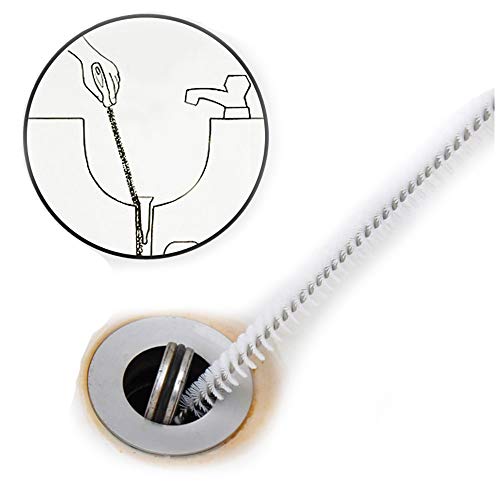
- Feed a narrow, flexible pipe brush through both ends to scrub away slimy buildup from ribbed walls.
- Reattach the hose to the washer outlet, tighten the clamp securely, and return the hooked end to the wall pipe.
Clear the upright wall drain pipe and curved trap
The upright wall drain pipe (standpipe) directs laundry water down into a P-trap (a curved pipe that holds standing water to block sewer odors from entering your living space). Because automatic washers discharge water at high speeds, even a small accumulation of lint and soap scum in that curved pipe can cause dirty water to spill over the top rim.
Follow these steps to clear the standpipe and curved trap:
- Remove the washer drain hose from the upright wall drain pipe and secure it in a bucket.
- Pour hot tap water directly into the wall pipe using a funnel or pitcher to soften congealed soap scum. Avoid boiling water, which can soften PVC cement and weaken plastic joints.
- Push a manual plumbing snake or long drain brush down into the pipe until you feel the bottom curve of the P-trap, about 2 to 3 feet down.
- Rotate the snake handle clockwise while applying gentle downward pressure to work through the bend and snag hair and lint clumps.
- Slowly pull the snake back out, wiping gunk onto paper towels.
- Repeat the snaking process two or three times until the cable passes through the curve freely.
- Pour two gallons of warm water from a bucket into the upright pipe to verify water drains instantly.
- Return the washer drain hose to the standpipe, leaving an open air gap around the top so water drains freely without siphoning.
Avoid chemical drain openers that melt rubber seals and hoses
Pouring caustic liquid drain openers down a washing machine line is an expensive mistake. These products rely on concentrated lye, potassium hydroxide, or sulfuric acid, which generate intense chemical heat as they react with organic waste. That heat softens thin PVC standpipes, warps glued joints, and degrades rubber washer seals.
Caustic chemicals that back up into the tub or pump cavity quickly ruin rubber flapper valves, eat through pump seals, and corrode basket bearings. Once rubber components become brittle, leaks develop inside the cabinet and burn out the pump motor. Also, if caustic liquid sits trapped in the standpipe, the next drain cycle can splash corrosive water back onto your walls, floor, and skin.
Instead of harsh chemicals, rely on safer drain-clearing methods:
- Use enzyme-based drain cleaners that use natural bacteria cultures to break down organic waste, lint, and grease over several hours without generating pipe-damaging heat.
- Run monthly maintenance cycles with dedicated washing machine cleaner tablets on a hot wash setting to dissolve residue inside the tub and pump lines.
- Switch to low-suds HE (High Efficiency) detergent and measure each dose carefully, since excess suds leave sticky soap films that trap lint inside drainage pipes.
Call a licensed plumber when water backs up across multiple fixtures
Some drainage issues sit far deeper than your washer coin trap or the upright wall pipe. Your laundry drain connects to your home main waste line and out to the sewer or septic tank. When the main sewer line clogs or the plumbing vent pipe gets blocked, your washing machine is often the first appliance to overflow because it discharges large volumes of water quickly.
Check for these warning signs that indicate a whole-house plumbing problem:
- Water bubbles or backs up into a nearby shower, bathtub, or floor drain when the washer pumps out.
- Sinks in nearby rooms make loud gurgling noises or spit air bubbles while the washing machine drains.
- Strong sewer gas odors linger in your laundry area even though the curved P-trap holds standing water and the filter is clean.
- A plumbing snake hits a solid obstruction past 6 to 10 feet down the pipe that hand tools cannot penetrate.
- The upright wall drain pipe overflows immediately when you pour a single pitcher of water into it.
- A blocked rooftop plumbing vent stack is trapping air in your drainage system, preventing water from flowing downhill naturally.
If water backs up across multiple fixtures, turn off the water shutoff valves behind the machine and contact a licensed plumber to inspect the main waste line.
Choose a washing machine with accessible filters and self-cleaning cycles
If you constantly fight lint clogs, foul standing water odors, or difficult drain access, appliance design makes a huge difference. Basic top-loaders often lack an accessible pump cleanout door, forcing you to dismantle cabinet panels or tip the machine backward just to retrieve a trapped coin or lint plug.
When shopping for a replacement, look for front-serviceable designs. Many modern front-load washing machines feature a front-access coin trap door at the bottom of the cabinet, letting you clear debris in minutes. For compact living spaces or temporary laundry setups, verify whether your home needs a portable automatic washing machine with a built-in drain pump to push wastewater up into an elevated sink, or a gravity drain model that requires a floor-level outlet.
Look for machines equipped with dedicated tub-clean cycles that use high water temperatures to flush out hidden soap scum before it solidifies. For homes running on private wells with heavy dissolved minerals, picking washing machines built for well water helps stop mineral scale from crusting over internal drain valves and ribbed rubber hoses.

- TAR Score9.4
TAR Score is a ranking system developed by TopAppliancesReviews.com. TAR score has no relationship or impact from any manufacturers or sales agent websites. Learn more
- BrandAffresh

- TAR Score9.2
TAR Score is a ranking system developed by TopAppliancesReviews.com. TAR score has no relationship or impact from any manufacturers or sales agent websites. Learn more
- BrandOxiClean

- TAR Score9.2
TAR Score is a ranking system developed by TopAppliancesReviews.com. TAR score has no relationship or impact from any manufacturers or sales agent websites. Learn more
- BrandACTIVE
- TAR Score8.8
TAR Score is a ranking system developed by TopAppliancesReviews.com. TAR score has no relationship or impact from any manufacturers or sales agent websites. Learn more
- BrandALINK

- TAR Score8.8
TAR Score is a ranking system developed by TopAppliancesReviews.com. TAR score has no relationship or impact from any manufacturers or sales agent websites. Learn more
- BrandBZTT

- TAR Score8.6
TAR Score is a ranking system developed by TopAppliancesReviews.com. TAR score has no relationship or impact from any manufacturers or sales agent websites. Learn more
- BrandAdove

- TAR Score8.2
TAR Score is a ranking system developed by TopAppliancesReviews.com. TAR score has no relationship or impact from any manufacturers or sales agent websites. Learn more
- BrandHELIX LABORATORIES, INC.
Last update on 2026-09-29 / Affiliate links / Images, Product Titles, and Product Highlights from Amazon Product Advertising API
FAQs
Why does my washer drain smell like rotten eggs?
A rotten egg smell usually means sewer gas is leaking past the P-trap or bacteria is feeding on stagnant lint inside the pump. If the upright wall drain pipe lacks water in its curved trap, sewer fumes rise directly into your laundry area. Running a hot tub-clean cycle and pouring warm water down the wall pipe refills the trap seal and stops the odor.
Can I pour boiling water down my washer drain pipe?
Avoid pouring boiling water directly down PVC drain pipes or rubber washer hoses. Boiling temperatures can soften plastic pipes, loosen glued PVC joints, and crack brittle rubber fittings behind your wall. Use hot tap water instead, which is warm enough to melt congealed soap scum without risking plumbing damage.
How often should I clean the washing machine pump filter?
Clean the pump filter and coin trap every one to three months depending on your laundry frequency. Homes with shedding pets or cloth diapers should inspect the filter monthly to prevent lint blockages. Regular cleaning prevents slow drainage, reduces pump strain, and stops odors from settling on clean laundry.
How far down should the drain hose go into the wall pipe?
The flexible drain hose should extend roughly 4 to 7 inches into the upright wall drain pipe. Pushing the hose too deep can submerge the tip in standing trap water, causing an automatic siphon that pulls water out mid-wash. Always leave an air gap around the top opening rather than taping the hose airtight.


10 Best Quality Semi Automatic Washing Machine of 2026 For Leak-Free Laundry

11 Best Small Washer Machine of 2026 For Everyday Laundry

12 Best Vibration Pads For Washing Machine of 2026 To Stop Walking and Shaking

11 Best Selling Front Load Washing Machine of 2026 For Quiet Odor-Free Laundry

11 Best Washing Machine For King Size Bedding of 2026 To Prevent Cycle Errors

10 Best Small Front Loader Washing Machine of 2026 For Tight Closets

12 Best Side Load Washing Machine of 2026 For Low Vibration

11 Best Single Tub Washing Machine of 2026 For Apartments Without Hookups