
How to Clean Washer Drain Filter to Prevent Clogging

How to clean washer drain filter to prevent clogging sounds simple at first, yet plenty of laundry rooms end up smelling funky or flooding because this tiny part gets ignored. Lint, pet hair, detergent residue, coins, and random pocket junk slowly build up inside the filter until water struggles to move properly. Then the washer starts acting weird. Cycles drag on forever, drainage slows down, or puddles sneak across the floor right when nobody has time to deal with it.
Dirty drain filters rarely create problems overnight. They creep in little by little, which makes them easy to brush off. One noisy spin cycle becomes two. A damp smell sticks around longer than usual. Clothes stop feeling fully clean even after a fresh wash. Before long, the washer sounds like it's fighting for its life while draining water. Cleaning the filter regularly helps avoid those headaches and keeps the machine running smoother without forcing the motor to work overtime.
Washer maintenance doesn't need fancy tools or a complicated checklist either. Most drain filters sit behind a small access panel near the bottom front of the machine, and once opened, the mess inside can be pretty eye-opening. Bits of fabric, sludge-like residue, and trapped debris often collect there for months. Honestly, it's one of those household jobs people forget exists until the washer refuses to drain properly.
Fresh airflow and clean drainage also make a huge difference in reducing musty odors. That stale smell lingering on towels or gym clothes sometimes has less to do with detergent and more to do with trapped moisture around a clogged filter. Cleaning the filter helps water move freely again, reducing damp buildup that bacteria and mildew love. A cleaner washer usually means fresher laundry without needing extra fragrance boosters.
Preventing clogs also helps avoid unnecessary repair bills. Small drainage issues can eventually strain the pump or trigger error codes that send people straight into panic mode. Some washers even stop mid-cycle when the filter gets blocked badly enough. Spending a few minutes rinsing out the filter every so often can help avoid those frustrating interruptions and keep laundry routines from turning chaotic.
Little habits matter more than people think. Checking pockets before washing, using the right amount of detergent, and cleaning the drain filter consistently all help reduce buildup over time. Sure, it isn't the most glamorous task in the house, but neither is scooping water off the laundry room floor at midnight. Keeping the filter clean gives the washer a better shot at lasting longer while making everyday laundry feel less like a gamble.

- TAR Score9.2
TAR Score is a ranking system developed by TopAppliancesReviews.com. TAR score has no relationship or impact from any manufacturers or sales agent websites. Learn more
- BrandGreen Gobbler

- TAR Score9.2
TAR Score is a ranking system developed by TopAppliancesReviews.com. TAR score has no relationship or impact from any manufacturers or sales agent websites. Learn more
- Brandsuoundey
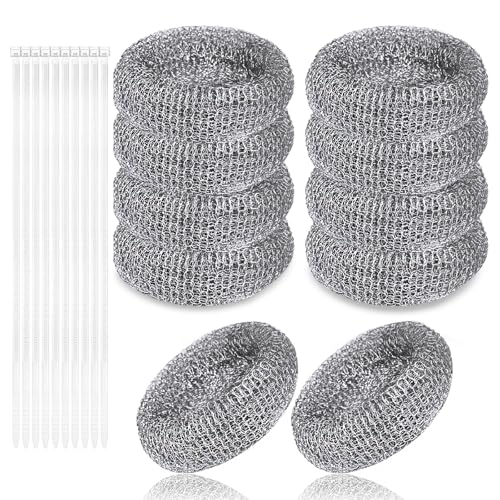
- TAR Score9.2
TAR Score is a ranking system developed by TopAppliancesReviews.com. TAR score has no relationship or impact from any manufacturers or sales agent websites. Learn more
- Brandvivinin

- TAR Score9.0
TAR Score is a ranking system developed by TopAppliancesReviews.com. TAR score has no relationship or impact from any manufacturers or sales agent websites. Learn more
- BrandPalksky

- TAR Score8.6
TAR Score is a ranking system developed by TopAppliancesReviews.com. TAR score has no relationship or impact from any manufacturers or sales agent websites. Learn more
- BrandXANGNIER

- TAR Score8.4
TAR Score is a ranking system developed by TopAppliancesReviews.com. TAR score has no relationship or impact from any manufacturers or sales agent websites. Learn more
- BrandWZRAXJ

- TAR Score6.4
TAR Score is a ranking system developed by TopAppliancesReviews.com. TAR score has no relationship or impact from any manufacturers or sales agent websites. Learn more
- BrandDrain Armor
Last update on 2026-06-25 / Affiliate links / Images, Product Titles, and Product Highlights from Amazon Product Advertising API
How To Clean Washer Drain Filter To Prevent Clogging
A washer that drains slowly can turn one load of towels into a soggy little crisis. The machine hums, the drum sits heavy with water, and that damp smell starts acting like it pays rent. That mess is exactly why how to clean washer drain filter to prevent clogging matters before the laundry room starts feeling like a repair shop. A clean filter protects water flow, reduces odor buildup, and helps the washer finish cycles without throwing a fit.
Drain Filter Basics
The drain filter catches the stuff that sneaks past pockets, fabrics, and daily laundry habits. Think lint clumps, hair, pet fur, thread, coins, and softened detergent residue. Small pieces don’t look scary on their own, but they pile up fast in a tight filter chamber. Once that buildup blocks water movement, the washer pump has to push harder than it should.
Most front-load washers place the filter behind a small access door near the bottom front panel. Some top-load models hide drainage parts differently, so the manual still matters. A safe routine starts with unplugging the washer, setting down towels, and keeping a shallow tray nearby. That bit of prep saves the floor from a surprise puddle.
The filter cap usually turns counterclockwise, but it may feel stuck if grime has dried around it. Slow pressure works better than forcing it. Once loosened, water may trickle out first, then debris follows. This is the point where patience beats speed because rushing can spill dirty water across the room.
Rinsing the filter under warm water removes the obvious gunk, but the housing needs attention too. A flashlight helps reveal hidden lint rings and slimy residue inside the opening. Wiping that area with a soft cloth keeps the seal cleaner and helps the cap sit properly. For the rubber areas around the washer, fight stubborn residue with a separate routine and use a focused guide like washing machine door seal cleaner for better gasket care.
Signs Your Filter Is Begging For Help
Slow drainage is usually the first clue. Clothes come out wetter than usual, the spin cycle seems weaker, and water lingers at the bottom of the drum. Those symptoms point toward restricted drainage rather than a random bad wash day. A clogged filter can also make the machine pause mid-cycle because the pump can’t move water fast enough.
Odd noises matter too. A rattling sound during draining may come from coins, hairpins, buttons, or tiny toy parts trapped near the filter. The pump isn’t built to grind through pocket junk forever. Clearing the filter early protects the drain pump from strain and reduces the chance of bigger repairs.
Smell gives another loud hint, even if it arrives quietly. A musty odor after washing often means moisture and residue are sitting somewhere they shouldn’t. The drain filter can trap damp lint and soap film, creating a cozy little hideout for mildew. Cleaning it helps restore fresh airflow and keeps laundry from smelling half-washed.
Error codes can show up after the washer has tried and failed to drain properly. Different brands use different codes, but the pain feels the same. The load sits wet, the door may stay locked, and the whole routine stalls. Before assuming the pump is dead, check the filter blockage because that tiny part causes plenty of drama.
Safe Cleaning Steps That Avoid A Flood
Start by turning off the washer and unplugging it from the outlet. Safety isn’t flashy, but water and electricity don’t need to meet. Place towels under the access panel and slide a shallow pan beneath the drain area. This setup catches standing water before it spreads under cabinets or across tile grout.
Open the access door and look for the small drain hose if your washer has one. Pull it out gently, remove the plug, and let water drain slowly into the tray. Empty the tray as needed instead of letting it overflow. That slower pace keeps the job clean and makes the whole process feel less like a panic scene.
After draining, twist the filter cap carefully and pull the filter out. Debris may look gross, but it tells a useful story about laundry habits. Pet hair, fabric fuzz, and detergent sludge often show up together. Rinse the filter well and remove anything wrapped around its grooves because tight debris can block flow even after a quick rinse.
Wipe the filter housing before putting everything back. A clean filter inside a dirty chamber won’t solve the whole problem. Check the cap seal for grit, then reinstall the filter snugly without overtightening it. Run a short rinse or drain cycle afterward to confirm leak-free drainage before starting a full load.
Habits That Prevent Clogs From Coming Back
Checking pockets sounds boring until one coin blocks the drain path. Loose change, hair ties, tissues, screws, and receipts all create trouble once they break apart in water. A ten-second pocket check protects the filter chamber and saves the pump from chewing on junk. It’s a tiny habit with a pretty big payoff.
Detergent choice and dosage matter more than people think. Too much soap leaves residue that clings to lint and creates a sticky film inside the washer. High-efficiency machines need low-sudsing detergent, and using extra doesn’t make clothes cleaner. It usually just feeds buildup in places that are annoying to clean.
Family laundry creates heavier drain-filter work because more socks, towels, school clothes, and bedding move through the machine every week. Bigger laundry routines need better machine habits, especially if loads are frequent and mixed. To match capacity with real household rhythm, compare practical washer sizing through washing machine for family of 3 before replacing a struggling unit. A washer that fits the routine can reduce overloaded cycles and drainage stress.
Cleaning frequency depends on how the washer is used. Homes with pets, kids, work uniforms, towels, or lint-heavy fabrics may need filter checks more often. A light-use washer might stay clear longer, but waiting until a smell appears is asking for trouble. A steady monthly filter check keeps clogs from getting comfortable.
Odor Control Starts With Drainage
Bad washer smells often come from trapped moisture, not just the drum surface. A blocked filter leaves dirty water sitting longer than it should. That damp pocket of residue can spread odor through the machine and into clean clothes. Keeping the drain filter clear supports faster water removal and fresher cycles.
Leave the washer door slightly open after laundry if the space allows it. Air movement helps dry the drum, gasket, and filter area instead of trapping humidity inside. Small laundry rooms can hold stale air, especially during rainy seasons or humid weather. For broader indoor air concerns beyond the washer, reduce lingering household haze with air purifier for haze support in nearby living spaces.
Wiping the gasket after wash day also cuts down on grime. The filter handles drainage debris, while the gasket catches moisture, lint, and detergent film around the door. Both areas feed odor if ignored. Pairing filter cleaning with door seal care keeps the washer from smelling like a damp basement.
Hot maintenance cycles can help, but they don’t replace physical filter cleaning. Water alone can’t remove coins, hair wraps, or compacted lint from a filter basket. Use washer cleaner cycles as backup, not the main event. The real win comes from combining manual debris removal, smart detergent use, and steady airflow after each load.
How To Clean Washer Drain Filter To Prevent Clogging
Small drainage problems rarely stay small for long. A washer can limp along for weeks with slow water removal, musty smells, and wetter-than-normal clothes before the filter finally blocks enough to stop a cycle cold. That is why how to clean washer drain filter to prevent clogging should be treated like regular home care, not an emergency chore. A cleaner filter helps the washer drain faster, smell fresher, and avoid putting extra stress on the pump.
Clean The Filter Without Making A Mess
Start with a simple setup before touching the filter cap. Place a few towels on the floor, grab a shallow tray, and keep a small bowl nearby for debris. This part matters because the filter area often holds dirty standing water, even after the washer looks empty. A calm setup keeps the job from turning into a slippery little circus.
Pull the small drain hose out first if your washer has one. Remove the plug slowly and let water trickle into the tray instead of rushing the process. Empty the tray as needed, then repeat until the hose stops draining. That slow release protects the floor and makes washer filter cleaning feel way less chaotic.
Twist the filter cap gently once the water is drained. Stuck caps usually need steady pressure, not brute force. Pull the filter out and remove coins, hair, lint, and soggy fabric bits from the grooves. For laundry rooms dealing with heavy lint from towels, pet bedding, or fleece, reduce buildup with a practical lint remover so less debris reaches the filter in the first place.
Rinse the filter under warm water and wipe the inside of the filter housing with a soft cloth. A flashlight helps spot sludge tucked around the edges. Reinstall the filter straight and snug, then run a short drain or rinse cycle to check for leaks. That final test confirms the filter seal is seated properly before the next full load.
Fix The Habits That Cause Repeat Clogs
Repeat clogs usually come from repeat habits. Pockets full of tissues, loose coins, pet hair, and too much detergent can all end up in the same narrow drain path. The washer may handle it for a while, but the filter slowly turns into a packed little trap. Simple changes protect drain flow without making laundry feel like a science project.
Check pockets before every load, especially work pants, kids’ clothes, and hoodies. Tissue scraps break apart into sticky pulp that clings to lint and soap residue. Hair ties, screws, and coins can rattle around near the pump and cause annoying noises. A quick pocket sweep saves the drain pump from dealing with junk it was never meant to handle.
Use less detergent if the washer smells soapy or leaves residue on clothes. More soap does not mean cleaner fabric. Extra suds can leave behind a film that grabs lint and settles inside the filter area. High-efficiency washers need proper detergent dosing because they use less water to rinse everything away.
Separate lint-heavy items from smoother fabrics whenever possible. Towels, blankets, fleece, and pet bedding shed more fibers than shirts or jeans. Washing those loads separately helps reduce loose lint traveling through the drain system. That small sorting habit supports clog prevention and keeps the filter cleaner between maintenance checks.
Control Odors Around The Washer Area
A clogged filter often smells worse than it looks. Damp lint, detergent film, and trapped water create the kind of odor that sneaks into towels and gym clothes. Even a clean-looking drum can hide grime near the filter or gasket. Clearing the filter supports fresher laundry because dirty water leaves the machine faster.
Leave the washer door open after the final load if the space allows it. Airflow helps dry the drum, gasket, and lower drain area. Closed doors trap moisture, and moisture gives mildew a comfortable place to settle. A few inches of open space can make a real difference in odor control.
Small laundry rooms connected to kitchens can collect heat, steam, and lingering smells from different appliances. That mix makes ventilation more important, especially in tight homes or apartments. If cooking fumes and laundry humidity share the same area, compare better kitchen airflow through ducted island range hoods to keep stale air from spreading through nearby rooms. Cleaner air around the home helps the laundry area feel less damp and stuffy.
Do not rely only on scented beads or stronger detergent to cover washer odors. Fragrance can hide the smell for a while, but it will not remove trapped sludge from the drain filter. Manual cleaning handles the source instead of masking the problem. Pair filter maintenance with door seal wiping and steady airflow for a cleaner routine.
Know What Not To Do During Filter Cleaning
Forcing the filter cap is one of the fastest ways to create a bigger problem. A jammed cap may have grit, dried detergent, or pressure holding it tight. Rock it gently and use a cloth for grip rather than twisting with tools that can crack plastic. Protecting the cap matters because a damaged seal can cause leaks during future cycles.
Do not remove the filter before draining the water first. The filter chamber can hold more water than expected, especially after a failed drain cycle. Opening it too quickly can send dirty water across the floor in seconds. A slow drain keeps the job controlled and protects nearby cabinets, baseboards, and flooring.
Avoid sharp objects inside the filter housing. Scraping with knives, screwdrivers, or metal picks can nick seals and damage plastic parts. A soft cloth, cotton swab, or small soft brush is safer for removing residue. Gentle cleaning protects the filter housing while still clearing grime from tight spots.
Do not ignore warning signs after cleaning. If the washer still drains slowly, rattles, or shows drain errors, debris may be deeper in the hose or pump area. That does not mean the filter cleaning failed. It means the drainage system may need a wider check, especially if standing water keeps returning after every cycle.
Build A Simple Filter Maintenance Routine
A steady schedule beats emergency cleaning every time. Homes that wash pet bedding, towels, uniforms, or kids’ clothes may need filter checks more often than light-use households. Monthly cleaning works well for many busy laundry rooms, while lighter routines may stretch longer. The goal is consistent prevention, not waiting until the washer starts complaining.
Keep a small washer-care kit near the laundry area. A tray, towel, soft brush, gloves, and flashlight make the job easier to start. The fewer things you have to hunt down, the less likely the task gets pushed aside. Convenience supports regular maintenance, especially on hectic laundry days.
Watch how clothes feel after a cycle. Heavy, dripping items after spinning can signal poor drainage. So can longer cycle times, louder drain sounds, or a sour smell after washing. These clues give you a heads-up before a clog turns into a full stop.
Clean the filter before washing bulky loads if the machine has shown any drainage issues recently. Blankets, rugs, and towels hold more water and place extra demand on the drain system. Starting with a clear filter gives the pump a better chance to move water smoothly. That simple step helps protect washer performance during heavier laundry days.
Handle Stubborn Drain Problems The Smart Way
A clean filter should improve drainage quickly, but not every problem lives inside the filter basket. Kinked drain hoses, blocked standpipes, or debris near the pump can create similar symptoms. Check the visible drain hose for bends or tight spots behind the washer. A clear filter paired with a pinched hose still leaves water flow struggling.
Listen during the drain cycle after cleaning. A healthy drain sound is usually steady, while grinding or rattling may point to trapped objects deeper inside. Sudden silence can also matter if the pump is trying to run but cannot move water. These clues help separate a simple filter clog from a bigger drainage issue.
Check the washer manual before removing extra panels or hoses. Some designs make pump access simple, while others are better left alone unless you know the layout. Guessing can lead to broken clips, loose seals, or more leaks. A careful approach protects both the machine and the floor.
Call a repair professional if the washer keeps showing drain errors after the filter and hose are clear. Persistent problems may involve the pump, pressure system, or internal blockage. That kind of issue needs proper diagnosis instead of repeated guessing. Regular drain filter cleaning still matters because it reduces the chance of those deeper problems starting in the first place.


10 Best Quality Semi Automatic Washing Machine of 2026 For Leak-Free Laundry

11 Best Small Washer Machine of 2026 For Everyday Laundry

12 Best Vibration Pads For Washing Machine of 2026 To Stop Walking and Shaking

11 Best Selling Front Load Washing Machine of 2026 For Quiet Odor-Free Laundry

11 Best Washing Machine For King Size Bedding of 2026 To Prevent Cycle Errors

10 Best Small Front Loader Washing Machine of 2026 For Tight Closets

12 Best Side Load Washing Machine of 2026 For Low Vibration

11 Best Single Tub Washing Machine of 2026 For Apartments Without Hookups






