
How to Clean Mold from Your Washing Machine

Pull back the rubber door seal and check inside the deep folds for dark slime. Moisture gathers in these hidden pockets after laundry days, creating an ideal spot for musty growth. To clear out the smell and stop spores from spreading, wipe down the rubber folds and soap tray with a targeted cleaner, then run an empty wash cycle on the hottest setting to flush the machine.
The exact fix depends on the design of the appliance and how deep the stains sit. Front-load washers trap moisture along the door seal, while top-load tubs collect buildup under the inner rim. Fresh mildew wipes away quickly, but deep discoloration set into porous rubber needs a longer soak to lift. Keep chemical safety in mind as well, since mixing bleach with vinegar creates dangerous fumes. The steps below walk through cleaning each hidden spot without damaging any parts.
Where is mold hiding inside your washing machine?
Black mold thrives in washing machines because they offer the three things spores need to grow: moisture, warmth, and soap residue. Every time you wash a load of laundry, water, lint, and body oils splash across internal parts. When the door stays closed between cycles, that dampness stays locked inside the dark cabinet.
If you own a front-load washing machine, the rubber door seal is the most common trouble spot. Water naturally pools in the lowest groove of the rubber fold after every spin cycle. Hair, lint, and detergent scum collect in that puddle, creating a dark sludge that turns into speckled mold within days.
The pull-out soap tray is another favorite hiding spot. Liquid detergents and fabric softeners leave a sticky coating in the siphon channels. Mold spores take root on the underside of the drawer and along the ceiling of the tray housing where clean water sprays in. You rarely notice the slime until a musty smell reaches your clean laundry.
Hidden deeper in the cabinet is the small lower drain trap behind an access door near the floor. This filter catches stray coins, hair, and lint before water reaches the drain pump. Water sits trapped in this chamber constantly, turning into stagnant, foul-smelling liquid if you do not empty it regularly.
Top-load models can harbor mold as well. Water and grime splash up under the top plastic rim of the washing tub. If you run a high-efficiency top-load washing machine, hard water minerals combine with soap residue to form a crusty ring along the splash guard just above the water line.
Which cleaning products kill mold safely without ruining parts?
Cleaning washer mold requires the right supplies, but mixing random chemicals can ruin your machine or harm your health. Your primary safety rule is simple: never combine chlorine bleach with vinegar, ammonia, or acid-based cleaners. Mixing bleach and vinegar produces toxic chlorine gas, causing severe coughing and burning eyes. Pick one cleaner and stick to it.
Household chlorine bleach kills surface spores and lightens dark stains. But liquid bleach is thin and watery. When wiped onto the vertical rubber door seal, it runs straight down before it can penetrate deep stains. Bleach can also dry out and crack rubber parts if used in heavy amounts too often.
Distilled white vinegar is a mild acid that dissolves detergent residue, mineral deposits, and surface mildew. It is safe for plastic parts like the pull-out soap tray. But vinegar works slowly and struggles against deep black stains embedded in rubber folds.
For stubborn stains set into the rubber, thick mold remover gels work much better. These specialty gels cling to vertical rubber surfaces without dripping away. That clinging action allows active cleaning agents to penetrate rubber pores over several hours, lifting discoloration that ordinary wiping cannot budge.
To clean parts you cannot reach behind the tub, washing machine cleaner tablets work best. These effervescent foaming tablets dissolve slowly during a hot cycle, pushing cleaning agents into hidden water channels and the back of the outer tub to strip away mold-feeding grime.
Avoid harsh scrubbing tools. Never use wire brushes, steel wool, or abrasive scouring pads. These tools scratch plastic, tear the rubber door seal, and create rough grooves where new mold grows even faster. Stick to soft microfiber cloths and an old soft-bristled toothbrush.
How do you scrub the rubber seal and soap tray?
Removing visible mold takes elbow grease, but following the right order makes the job simple. Put on rubber gloves, grab warm water, and follow these steps.
- Clean the rubber door seal folds: Open the door wide. Peel back the rubber folds around the opening with your fingers. Wipe out trapped hair, coins, and loose slime using dry paper towels, then throw them away.
- Treat stubborn mold spots: For light surface mildew, wipe down the rubber folds with a cloth dipped in equal parts warm water and white vinegar. For deep black stains that do not wipe away, apply a thick bead of mold remover gel directly onto the stained rubber. Spread the gel with an old toothbrush. Let it sit for five to eight hours so it can penetrate the rubber pores.
- Soak and scrub the pull-out soap tray: Press the release latch at the back of the fabric softener compartment and slide the drawer completely out. Pull off the removable siphon caps. Submerge the parts in warm, soapy water. Scrub away caked detergent and black mold using your toothbrush, then rinse clean.
- Wipe the dispenser housing cavity: Look inside the empty slot in the machine with a flashlight. Mold often lines the plastic ceiling where water sprays down. Spray the cavity with your vinegar solution, scrub the ceiling with your toothbrush, and wipe it dry with a clean cloth. Pop the siphon caps back onto the tray and slide it into place.
- Drain and clean the small lower drain trap: Lay a shallow pan on the floor under the lower access door. Unclip the emergency drain hose and pull the stopper to drain standing water. Unscrew the round drain filter cap, pull out the catch, rinse away lint under hot water, and screw it back in tightly.
How do you flush hidden mold out of the tub?
Scrubbing visible parts handles surface grime, but spores also hide behind the clothes tub. Flushing the drum cleans those hidden areas and washes away trapped soap scum.
- Empty the washing tub: Make sure the stainless steel clothes tub is completely empty. Even a stray washcloth will absorb your cleaning solution and weaken the cycle.
- Add your cleaning agent: Place one washing machine cleaning tablet directly in the bottom of the empty wash tub. If using liquid chlorine bleach instead, pour one-half cup directly into the main detergent compartment. Never put cleaning tablets inside the soap drawer, because they need tumbling water to dissolve properly.
- Choose your hottest wash setting: Turn the dial to the dedicated "Tub Clean" or "Sanitize" cycle. If your washer lacks a self-clean cycle, choose the "heavy-duty cycle" or "normal cycle." Set the water temperature to hot, pick the heaviest soil level, and add an extra rinse. Hot water sends foaming suds high up the outer tub walls.
- Run the complete cycle: Let the washer run completely through the wash, rinse, and spin cycles without interruption. The foaming cleaner strips away the slick biofilm behind the metal basket and flushes it down the drain.
- Wipe and vent the drum: When the cycle ends, open the door right away. Use a clean, dry microfiber cloth to wipe down the glass door, the inner wash basket, and the rubber door seal. Leave the door wide open so the drum dries out.
How can you stop mold from ever coming back?
Once your washer is clean, simple daily habits will stop mold spores from returning. Mold needs standing moisture to grow, so keeping your machine dry is the best defense.
Follow this quick maintenance routine after laundry day:
- Leave the washer door cracked open: Keep the door open two to three inches between loads so fresh air can dry out the stainless steel clothes tub.
- Leave the soap tray open: Pull the pull-out soap tray out an inch after your final load so trapped moisture inside the dispenser housing can evaporate.
- Use the right amount of low-suds HE detergent: Measure detergent carefully. Excess soap creates thick suds that do not rinse away, leaving a film on the tub that feeds mold. Two tablespoons of liquid detergent is plenty for a normal load.
- Skip liquid fabric softener: Liquid softeners contain oils that leave a slick coating on internal parts. Use distilled white vinegar in the rinse dispenser or wool dryer balls in the dryer instead.
- Remove wet laundry promptly: Never leave damp clothes sitting in the wash tub for hours or overnight.
- Wipe the rubber door seal weekly: Keep a microfiber cloth near the washer and run it through the bottom fold of the rubber door seal after your last load of the week.
What cleaning solutions work best for stubborn washer mold?
Standard household sprays often slide down vertical rubber surfaces, which makes them ineffective against deep stains set into the door seal. When choosing products to treat stubborn washer mold, look for thick cleaning gels equipped with precision applicator tips. These gels cling to vertical and inverted rubber folds without dripping into the bottom of the machine, giving active stain-lifting ingredients hours to penetrate porous rubber.
For cleaning behind the clothes tub, effervescent cleaning tablets work much better than ordinary liquid bleach. A slow-dissolving tablet produces high-foaming cleaning agents that circulate through the entire water system during a hot wash setting. Look for tablets labeled as septic-safe and formulated for high-efficiency machines. These cleaners dissolve mineral deposits, wash away soap scum behind the drum, and protect internal pumps from corrosion, whether you are maintaining a standard home laundry setup or a compact portable automatic washing machine.

- TAR Score10.0
TAR Score is a ranking system developed by TopAppliancesReviews.com. TAR score has no relationship or impact from any manufacturers or sales agent websites. Learn more
- BrandAAROVIBE

- TAR Score9.2
TAR Score is a ranking system developed by TopAppliancesReviews.com. TAR score has no relationship or impact from any manufacturers or sales agent websites. Learn more
- BrandACTIVE

- TAR Score9.2
TAR Score is a ranking system developed by TopAppliancesReviews.com. TAR score has no relationship or impact from any manufacturers or sales agent websites. Learn more
- BrandOxiClean
- TAR Score8.8
TAR Score is a ranking system developed by TopAppliancesReviews.com. TAR score has no relationship or impact from any manufacturers or sales agent websites. Learn more
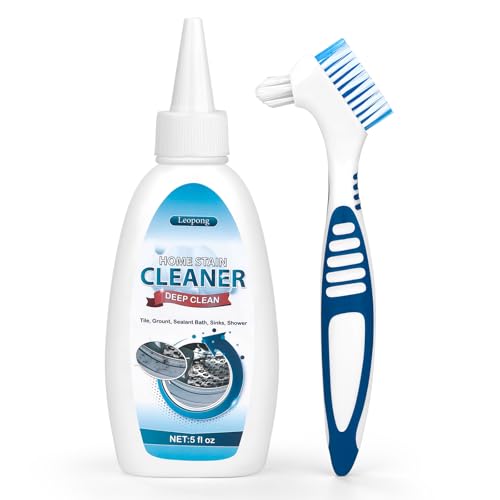
- BrandLeopong

- TAR Score8.8
TAR Score is a ranking system developed by TopAppliancesReviews.com. TAR score has no relationship or impact from any manufacturers or sales agent websites. Learn more
- BrandRMR Brands

- TAR Score8.6
TAR Score is a ranking system developed by TopAppliancesReviews.com. TAR score has no relationship or impact from any manufacturers or sales agent websites. Learn more
- BrandHZEVERO

- TAR Score8.2
TAR Score is a ranking system developed by TopAppliancesReviews.com. TAR score has no relationship or impact from any manufacturers or sales agent websites. Learn more
- BrandACTIVE

- TAR Score8.2
TAR Score is a ranking system developed by TopAppliancesReviews.com. TAR score has no relationship or impact from any manufacturers or sales agent websites. Learn more
- BrandHORSEFISH TOOL

- TAR Score8.2
TAR Score is a ranking system developed by TopAppliancesReviews.com. TAR score has no relationship or impact from any manufacturers or sales agent websites. Learn more
- BrandSugelary
Last update on 2026-09-30 / Affiliate links / Images, Product Titles, and Product Highlights from Amazon Product Advertising API
FAQs
Can vinegar damage the rubber door seal on a washer?
Using vinegar occasionally in normal wash cycles will not damage your washer. But letting undiluted vinegar sit on rubber parts for hours can gradually weaken and dry out soft rubber seals. If you use vinegar to clean the door seal, mix it with equal parts warm water, wipe the surfaces clean, and dry the rubber with a towel rather than letting acid sit on it.
Why do clean clothes smell musty right after washing?
Musty laundry happens when mold and soap scum hide behind the stainless steel clothes tub or inside the rubber door seal. During the wash cycle, water splashes across these dirty areas and transfers mold spores into your clothes. Cleaning the rubber folds, washing the soap tray, and running an empty hot cycle with a tub cleaning tablet removes the odor at its source.
How often should you deep clean a washing machine?
Run an empty hot tub cleaning cycle once a month to prevent soap scum and mold from building up behind the drum. The rubber door seal and the pull-out soap tray should be wiped down every week or two, especially if you wash frequently with cold water. Checking the small lower drain trap every three to four months keeps standing water from turning sour.
Can black mold permanently stain the rubber door seal?
Yes, black mold can leave behind dark stains that remain even after spores are dead. Mold roots push deep into porous rubber, causing permanent discoloration. Applying a specialty clinging mold gel for several hours will fade or remove most dark spots. As long as the rubber is clean, smooth, and odor-free, slight discoloration will not soil your laundry.


10 Best Quality Semi Automatic Washing Machine of 2026 For Leak-Free Laundry

11 Best Small Washer Machine of 2026 For Everyday Laundry

12 Best Vibration Pads For Washing Machine of 2026 To Stop Walking and Shaking

11 Best Selling Front Load Washing Machine of 2026 For Quiet Odor-Free Laundry

11 Best Washing Machine For King Size Bedding of 2026 To Prevent Cycle Errors

10 Best Small Front Loader Washing Machine of 2026 For Tight Closets

12 Best Side Load Washing Machine of 2026 For Low Vibration

11 Best Single Tub Washing Machine of 2026 For Apartments Without Hookups






