
How to Clean Front Load Washer With Vinegar

That sour, musty smell doesn’t come out of nowhere; it’s usually a mix of trapped detergent, skin oils, and moisture hiding in the places you don’t see. how to clean front load washer with vinegar works best when you treat the washer like a system, not just a drum you rinse and forget. Think of vinegar as your deodorizing acid rinse, not a magic potion, and you’ll get way better results. And yep, a few small habits after cleaning can keep that “gym bag” odor from coming right back.
Start with the easy win: clear the drain filter area if your model has one, because gunk there can make the whole machine smell like defeat. Then wipe the gasket thoroughly, pulling back the folds where water and lint love to camp out, and focus on any slimy spots with a vinegar dampened cloth. If you see stubborn residue, let the vinegar sit briefly so it can loosen the film, then wipe again until the rubber feels clean, not slick. Finish this part by drying the gasket with a towel, because leaving it wet is like rolling out the red carpet for mildew.
Next, tackle the detergent drawer and its housing, since this is where sticky buildup forms a not so charming “soap glue.” Remove the drawer, rinse it under warm water, and scrub corners with a small brush while the vinegar helps cut through residue. Don’t ignore the cavity where the drawer slides in; a cloth wrapped around a finger or a brush works great to reach deep grooves. This step matters because detergent buildup can keep feeding odors even after the drum looks spotless.
Now for the main event: run a hot cycle with vinegar to flush out the hidden grime that clings to the outer drum and hoses. Pour vinegar into the detergent dispenser (or the drum, depending on what your washer manual prefers), then choose the hottest, longest cycle you’ve got, because heat helps break down oily films. While it runs, resist the urge to add extra cleaners that might create weird reactions or leave more residue behind. When the cycle ends, wipe the inside glass and gasket again, since loosened gunk can redeposit there like an unwanted encore.
If odors still linger, don’t panic; it usually means moisture management needs a little tightening up, not that you “did it wrong.” Leave the door and detergent drawer cracked open after loads so the interior can dry, and cut back on too much detergent because excess suds often turn into biofilm. Run a periodic hot maintenance wash using vinegar when the machine starts smelling “off,” and you’ll stay ahead of the funk instead of chasing it. Done this way, how to clean front load washer with vinegar becomes a routine that keeps clothes fresher and the washer calmer, not a once in a blue moon emergency.

- TAR Score9.4
TAR Score is a ranking system developed by TopAppliancesReviews.com. TAR score has no relationship or impact from any manufacturers or sales agent websites. Learn more
- BrandAffresh
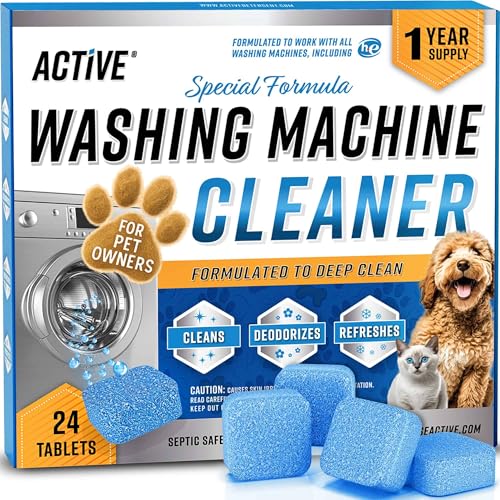
- TAR Score9.4
TAR Score is a ranking system developed by TopAppliancesReviews.com. TAR score has no relationship or impact from any manufacturers or sales agent websites. Learn more
- BrandACTIVE

- TAR Score9.2
TAR Score is a ranking system developed by TopAppliancesReviews.com. TAR score has no relationship or impact from any manufacturers or sales agent websites. Learn more
- BrandACTIVE

- TAR Score9.2
TAR Score is a ranking system developed by TopAppliancesReviews.com. TAR score has no relationship or impact from any manufacturers or sales agent websites. Learn more
- BrandOxiClean
- TAR Score9.0
TAR Score is a ranking system developed by TopAppliancesReviews.com. TAR score has no relationship or impact from any manufacturers or sales agent websites. Learn more
- BrandRenuv

- TAR Score9.0
TAR Score is a ranking system developed by TopAppliancesReviews.com. TAR score has no relationship or impact from any manufacturers or sales agent websites. Learn more
- BrandPalksky

- TAR Score8.8
TAR Score is a ranking system developed by TopAppliancesReviews.com. TAR score has no relationship or impact from any manufacturers or sales agent websites. Learn more
- BrandOh Yuk

- TAR Score8.2
TAR Score is a ranking system developed by TopAppliancesReviews.com. TAR score has no relationship or impact from any manufacturers or sales agent websites. Learn more
- BrandHORSEFISH TOOL
Last update on 2026-03-12 / Affiliate links / Images, Product Titles, and Product Highlights from Amazon Product Advertising API
Why Vinegar Works When Your Washer Smells “Clean-ish”
If your laundry comes out with that faint swampy note, it’s rarely the drum’s fault alone; it’s the damp corners, leftover soap, and skin oils clinging to surfaces you don’t see. how to clean front load washer with vinegar matters because vinegar’s mild acidity helps loosen mineral haze and break up the film that gives odors a cozy place to live. The goal isn’t to “perfume” your washer, it’s to strip away what’s feeding the stink. And once that buildup is gone, your detergent starts working like it’s supposed to, not fighting yesterday’s residue.
Front loaders are efficient, but they’re also a bit too good at sealing in moisture. That airtight door keeps water from splashing out, sure, yet it can also keep humidity trapped long enough for biofilm to set up shop in the gasket folds and dispenser housing. A vinegar clean is basically a reset button for those sticky layers that survive regular cycles. It’s not glamorous, but it’s the difference between “looks clean” and actually clean.
Don’t confuse vinegar with a miracle wand, though; it shines when you use it with heat, contact time, and a little elbow grease. You’ll get the best payoff when you wipe first, run a hot cycle second, and dry things out last. That sequence targets the three usual suspects: moisture, residue, and trapped gunk. Ignore any one of those, and the odor has a way of sliding back in like it pays rent.
One more reality check: vinegar is helpful, but it’s not a substitute for removing physical debris. Lint, hair, and sludge near the drain filter won’t dissolve politely just because vinegar showed up. Pair vinegar with a brush and towel, and you’re finally speaking the washer’s language. Do it right, and you’ll notice cleaner smelling loads and fewer “why does this still stink?” moments.
What’s Causing That Funk In A Front Loader
That musty smell isn’t random; it’s usually a mix of detergent buildup, fabric softener residue, and warm moisture sitting in hidden pockets. Front loaders use less water, which is great for efficiency, but it also means leftover suds can cling to the outer tub and hoses instead of rinsing away. Over time, those leftovers become a slick film that traps bacteria. It’s like a sticky cafeteria tray you never fully wash, and it starts telling on you.
The rubber gasket is the MVP of smell problems, because its folds are basically tiny rain gutters. Water sits there, lint gathers, and residue glues it all together into a smear that’s hard to spot until it’s obvious. If you’ve ever wiped the gasket and found gray slime, that’s not “dirt,” that’s biofilm doing its thing. Vinegar helps loosen it, but you still need to wipe and dry like you mean it.
The detergent drawer can also sabotage you, especially if you tend to “eyeball” detergent amounts. More soap doesn’t equal cleaner clothes; it often equals more residue, more scum, and more odor. The dispenser housing gets coated in a paste that water doesn’t fully rinse away. Cleaning it is a small step with a huge effect because it removes a constant source of funk.
Finally, there’s the drain system: filters, traps, and low points where water and debris collect. If your washer has a cleanout filter, it can hold coins, hairpins, lint, and sludge that smells like defeat. Even if your drum looks fine, that hidden area can stink up the whole machine. Handle it carefully, and you’ll cut off a major odor source at the root.
Safety First: Materials, Machine Settings, And A Few Don’ts
Before you start, grab the basics: white vinegar, microfiber cloths, a small scrub brush or old toothbrush, and a towel you don’t mind sacrificing. If you’ve got sensitive skin, gloves are smart because grime plus vinegar can be irritating. Keep a bowl nearby for soaking the detergent drawer, and have a flashlight ready for gasket folds. The whole vibe here is simple tools, consistent steps, and no shortcuts.
Use plain white vinegar, not the fancy infused stuff that smells like a salad bar. You want acidity without oils, dyes, or fragrances that can leave their own residue. For cycles, pick the hottest water option and the longest cleaning or heavy duty cycle available, because heat helps loosen oily films. If your washer has a “tub clean” mode, that’s usually the best choice for a deep rinse path.
A big don’t: avoid mixing vinegar with chlorine bleach in the same cleaning session. Combining acids and bleach can create harmful fumes, and nobody needs that kind of drama in the laundry room. Also skip adding extra foaming cleaners; foam can linger and create more residue, which is the opposite of what you want. Keep it clean, keep it basic, and let vinegar plus heat do the heavy lifting.
Another don’t that trips people up: don’t close the washer door right after cleaning. That trapped moisture is basically a “welcome back” sign for mildew. Let the drum and gasket dry fully, and leave the detergent drawer cracked open too. This habit is small, but it’s a long term odor stopper that pays off every single week.
Step 1: Clean The Gasket Like It’s Hiding Secrets
The gasket is where most front loader smells begin, so don’t treat it like an afterthought. Pull back the rubber folds and wipe inside them slowly, because water and lint hide in the creases. Dip your cloth in vinegar, wring it out, and work section by section, focusing on any slick or slimy spots. If you see stubborn grime, let the vinegar sit on it briefly before wiping again, because contact time is your friend.
If the folds have visible mildew spots, you’ll need a little more effort. Use a toothbrush dipped in vinegar to scrub along the seam and corners, then wipe away loosened residue with a clean cloth. Keep switching to fresh cloth sections so you’re not smearing gunk around like peanut butter. When the gasket feels clean, dry it with a towel until it’s not shiny with moisture.
Here’s a detail people skip: wipe the inside of the door glass too, especially along the bottom edge. That area catches detergent mist and grime, and it can redeposit onto the gasket during cycles. A quick vinegar wipe removes that film so you’re not undoing your own work. It’s a small move, but it supports the bigger goal of odor prevention.
After wiping, leave the door wide open for airflow while you move to the next step. If you close it “just for a minute,” the gasket stays damp longer and that’s how mildew gets its second wind. Dry plus airflow is the boring hero here. Think of it as locking the door after you’ve kicked the odor out.
Step 2: Detox The Detergent Drawer And Its Hidden Tunnel
Pop the detergent drawer out and take a look; if it feels sticky or looks cloudy, that’s buildup, not “normal wear.” Rinse it under warm water first, then scrub corners and siphon inserts with a brush dipped in vinegar. Pay extra attention to any gel like residue because it can keep feeding odor even after the drum is clean. You’re removing soap glue, not just surface dirt.
Now the important part: the cavity where the drawer slides in. That tunnel often has slimy residue on the ceiling and sides, and it’s easy to forget because it’s dark and awkward. Wrap a cloth around your finger, dampen it with vinegar, and wipe deep into the grooves. If you can reach with a brush, even better, because you’ll dislodge buildup that cloth alone might miss.
If you want a clearer rinse path, run a quick warm rinse cycle after reinstalling the drawer, or flush the dispenser with a cup of warm water poured slowly through it. The idea is to wash away loosened residue so it doesn’t settle back into the system. You’ll notice the difference later when the drawer doesn’t smell sour or look slimy. That’s the payoff of proper dispenser cleaning.
From here on out, use less detergent than you think you need, especially if you have soft water. Too much detergent is a common reason front loaders start smelling funky, because extra suds don’t fully rinse away. If you’ve been dosing heavy, this change alone can reduce odor and residue buildup. It’s not about being stingy; it’s about being smart with suds.
Step 3: Check The Drain Filter And The “Gross Corner” Zone
If your washer has a drain pump filter, this step can feel like opening a mystery box you didn’t order. Place a shallow pan or towel under the access door, because water can spill out fast. Open the filter slowly and let any trapped water drain, then pull the filter out and remove debris. Coins, lint, hair, and sludge are common, and yes, they can smell like something crawled in and gave up.
Rinse the filter under warm water and scrub it with a brush dipped in vinegar to remove slimy buildup. Wipe the filter housing too, because gunk collects around the edges and can stink even if the filter looks okay. If you see a thick film, wipe it until it feels clean, not slick. This is one of those steps that can cut odor dramatically because it removes a concentrated source of funk.
Not all models have an easy access filter, and that’s fine; you can still focus on the area where standing water tends to linger. Watch for slow drainage or gurgling sounds, which can hint at buildup in the drain path. If problems persist, you might need a deeper maintenance check, but cleaning what you can reach is still valuable. The goal is reducing trapped debris and stagnant water, because those two love to team up.
If you’ve been dealing with orange stains or metallic streaks around the door or dispenser, that can point to mineral deposits and rust related residue in the wash environment. In those cases, you may want to read about best rust remover options that are washer-safe and targeted for that specific issue. Vinegar can help with mild deposits, but heavy rust staining may need a specialized approach. Keeping the machine clean also helps prevent that residue from reappearing as quickly.
Step 4: Run A Hot Vinegar Cycle That Actually Flushes The System
Once the gasket, drawer, and filter area are handled, it’s time to run a cycle that cleans the internal path. Pour white vinegar into the detergent dispenser or directly into the drum if your machine manual allows it, then select the hottest and longest cycle available. Heat plus vinegar helps loosen oily films and mineral haze stuck to the outer tub and hoses. This is the backbone of how to clean front load washer with vinegar in a way that lasts.
While the cycle runs, avoid adding detergent or additional cleaners that could create extra residue. The point is to strip and flush, not foam and coat. If your washer has an extra rinse option, turn it on to help carry away loosened grime. That extra rinse can be the difference between “smells better for a day” and stays fresh for weeks.
Here’s a helpful benchmark: the U.S. Environmental Protection Agency’s WaterSense program has long emphasized that efficient appliances use less water to reduce waste, which is great, but it can also mean residue management matters more for performance over time. That’s why periodic hot maintenance washes are widely recommended by manufacturers in their care guidance. Think of it as routine maintenance, the same way you wouldn’t skip oil changes and expect a car to stay happy. Your washer’s no different; it just complains with odor instead of dashboard lights.
When the cycle ends, wipe the door glass, gasket, and drum lip again. Loosened gunk can redeposit at the end of the cycle, especially around the lowest points. Dry everything with a towel, then leave the door open for airflow. That final dry down is a make or break habit that keeps the vinegar clean from being a temporary fix.
How To Keep Odors From Coming Back Next Week
Cleaning is great, but keeping a front loader fresh is mostly about daily habits that feel too small to matter until they do. First, leave the door cracked open after every load so moisture can escape. Second, leave the detergent drawer slightly open so the dispenser tunnel dries out too. This alone reduces mildew friendly humidity and supports long term freshness.
Next, adjust your detergent use, because overdosing is a classic front loader mistake. If you see lots of suds mid-cycle, that’s often a sign you’re using too much for your water and soil level. Less detergent can actually rinse cleaner, which sounds backwards but isn’t. Cleaner rinses mean less film, and less film means less odor feeding residue.
Try a simple schedule: do a quick gasket wipe once a week and a hot maintenance wash when the machine starts smelling “off.” If you wash lots of athletic gear, pet bedding, or heavily soiled clothes, you may need maintenance more often because oils and soils build up faster. The trick is staying ahead of the smell so it never becomes a full-blown problem again. A little routine beats a big rescue, every time.
If your laundry space is humid, consider improving air quality in that room, because damp air keeps the washer damp longer. Some households use compact air purifiers to reduce mustiness, and you can compare options like a desktop hepa unit if your laundry area is small. It won’t clean the washer by itself, but reducing humidity and musty air can help the room feel fresher overall. Paired with the right habits, it’s a practical layer of odor control.
Common Mistakes That Make Vinegar Cleaning Backfire
The biggest mistake is treating vinegar like a one-step pour-and-pray solution. If you skip wiping the gasket and cleaning the drawer, you’re leaving behind the thickest grime sources. Then you run a cycle, and loosened gunk can smear around without ever being fully removed. Vinegar works best when it’s part of a sequence, not a shortcut.
Another common slip is using cold or lukewarm water for the maintenance cycle. Heat is what helps loosen oily residues and soften stubborn films, so a cool cycle can leave you disappointed. If your washer has a sanitize or tub clean mode, use it, because it’s designed for deeper cleaning paths. In a front loader, the combo of hot water and proper contact is what makes vinegar earn its keep.
People also forget the final dry down and close the door right away. That traps moisture and essentially cancels the “fresh start” you just created. Dry the gasket, wipe the glass, and leave everything open long enough to air out. It’s not fussy; it’s the difference between lasting freshness and a quick relapse.
Lastly, be careful with “extra” additives. Mixing cleaners can create unpleasant reactions or residue, and it can even damage components over time. Stick to vinegar for the deep clean session, then use proper detergent amounts going forward. Simple beats complicated when the goal is cleaner rinses and less buildup.
When Vinegar Isn’t Enough And What To Do Next
Sometimes you do how to clean front load washer with vinegar “by the book” and the smell still hangs around like an uninvited guest. That usually means the odor source is either deeper in the system or you’re dealing with stubborn residue that needs more than acidity alone. Common culprits include heavy detergent scum in the outer tub, a persistently dirty drain path, or mildew that keeps reappearing because the machine never fully dries between loads. The fix isn’t to panic and pour more vinegar; it’s to tighten the process and target the real hotspot.
If the smell is sharp, sewer-like, or comes and goes depending on drainage, check the filter area and drain hose again. A partial clog can trap dirty water, and that stagnant water can backwash odor into the drum during rinse or spin. If you notice slow draining, gurgling, or repeated funky bursts after a cycle ends, you may need to flush the drain path and clean the filter housing more thoroughly. The key is eliminating standing water, because odor thrives where water sits.
For stains that look orange, brown, or metallic, vinegar may lighten them, but it won’t always remove them fully. That’s where a washer-safe product designed for rust related residue can be the better tool, especially if you’re seeing repeated discoloration on the gasket or inside the drum lip. If that’s your situation, comparing a best rust remover option that’s formulated for washing machines can make more sense than endlessly repeating vinegar cycles. You’re matching the cleaner to the problem, which is a smarter and often faster path to results.
If you suspect a deep residue problem, run one more hot rinse after any deep cleaning session to make sure loosened grime leaves the machine completely. Then dry the gasket, wipe the glass, and leave the door open for airflow. In a front loader, dryness is your “maintenance mode” because it makes the environment hostile to mildew. That small habit is a high impact move that keeps the machine from sliding back into funk territory.
A Practical Maintenance Rhythm That Doesn’t Feel Like A Chore
The best routine is the one you’ll actually keep, not the one that looks impressive on paper. Start with a quick weekly wipe: run a cloth along the gasket folds and the bottom of the door glass, then dry everything. This takes a couple minutes and prevents that slick film from turning into full-on biofilm. It’s the difference between light upkeep and a big, annoying deep clean later.
For the detergent drawer, a rinse and wipe every few weeks goes a long way, especially if you use liquid detergent or fabric softener. Those products are convenient but can leave sticky residue behind, and residue is basically odor food. If you see cloudy buildup, scrub it before it hardens into “soap cement.” Keeping the dispenser clean supports better rinsing and helps your washer stop smelling like old detergent.
Plan a hot maintenance wash periodically, especially if you wash gym clothes, towels, or heavily soiled loads often. Oils and soils build up faster in those cases, and front loaders don’t always rinse them away completely with everyday cycles. A hot cycle helps flush the internal path and keeps hidden residue from thickening. Think of it as the washer’s version of clearing your inbox before it becomes chaos.
Finally, make airflow non-negotiable after loads. Leave the door and detergent drawer cracked open, and don’t let wet laundry sit in the drum for hours. A closed, damp machine is the perfect setup for mildew to rebound even after cleaning. This habit doesn’t cost anything, but it delivers consistent freshness that you’ll notice in your clothes.
How To Avoid Residue Without Sacrificing Clean Clothes
More detergent feels like “more clean,” but in a front loader it often means more leftover film. Because these machines use less water, excess detergent can cling to surfaces and build up in hoses, the outer tub, and the gasket folds. That leftover film becomes sticky, traps lint, and feeds bacteria, which is why odor creeps back. Using the right amount is a quiet upgrade that makes everything work better.
If you have soft water, you can usually use less detergent than the bottle suggests. Soft water makes suds easily, and extra suds can be hard to rinse away completely. If you see lots of foam during the wash, that’s a signal to cut back. Less foam often equals cleaner rinses, which is exactly what you want when you’re fighting buildup and smell.
Skip routine fabric softener if your washer is prone to odor, because softener residue can be stubborn and waxy. That residue coats the drum and internal components, and it can hold onto smells. If you love softer towels, consider alternatives that rinse more cleanly, but keep the focus on reducing buildup first. A washer that rinses well keeps clothes feeling fresh without needing extra products to mask odors.
After a deep vinegar clean, your detergent may suddenly feel “stronger” because it’s not battling old residue. That’s a good thing, but it also means you might be able to reduce detergent even further without losing performance. Cleaner machine plus correct dosing equals less film, fewer smells, and better results. It’s the simplest combo for long term washer health.
Dealing With Persistent Musty Smell In Humid Laundry Spaces
Even a spotless washer can smell off if the room around it stays damp, because moisture slows drying and gives mildew a runway. If your laundry area is small, poorly ventilated, or naturally humid, the machine can’t dry out between loads as quickly as it should. That’s why the door-open habit matters so much, and why wiping the gasket dry is a big deal. You’re not just cleaning; you’re changing the conditions that create odor.
Try timing your loads so you can remove laundry promptly, because wet clothes sitting inside creates a mini steam chamber. That trapped humidity settles into the gasket folds and the drum lip. If you can, run an exhaust fan or crack a window during and after washing to help moisture escape. Better airflow is a practical fix that makes all your cleaning efforts last longer.
In very humid spaces, consider adding a small dehumidifier or improving ventilation, especially if mustiness is a recurring theme. This isn’t about turning your laundry room into a science project; it’s about giving moisture fewer places to hide. You’ll notice fewer odors not just in the washer, but in towels and stored linens too. Lower humidity supports fresher loads and less mildew pressure overall.
If you’re regularly battling mildew on the gasket despite cleaning, it’s worth checking whether the door seal is damaged or holding water abnormally. A worn gasket can trap water in spots that never fully dry, creating repeat growth. While vinegar helps, a mechanical issue can keep undoing your progress. Fixing the root cause is the ultimate odor solution, even if it’s not as satisfying as a quick clean.
What “Clean” Should Smell Like And How To Tell You’re Done
A truly clean washer doesn’t smell like flowers, citrus, or “fresh breeze” marketing copy. It smells neutral, like nothing, because there’s no residue feeding odor and no moisture trapped long enough to grow mildew. After you complete how to clean front load washer with vinegar, the drum should feel clean, the gasket should feel dry and not slick, and the detergent drawer shouldn’t smell sour. Neutral is the win here.
You can also check for signs that residue is gone: less cloudiness on the door glass, fewer suds during cycles, and no slimy feel when you wipe the gasket folds. If you run a hot cycle and the washer still smells strongly musty afterward, that’s a clue something remains in the drain path or the machine isn’t drying between uses. In that case, tighten your drying habits and revisit the filter area. The goal is consistent neutrality, not temporary improvement.
Another practical test is how your laundry smells after sitting in the hamper for a day. If clothes stay fresh instead of turning sour, your washer is likely rinsing and draining properly. If the smell returns only after clothes sit, consider your drying time and storage habits too. Washer odor and laundry odor can feed each other, so address both sides for the best outcome.
Once your washer is back to neutral, keep it that way with quick wipe downs, correct detergent dosing, and airflow after loads. Those habits keep residue from building up and prevent mildew from finding a foothold. Vinegar becomes a maintenance tool instead of an emergency response. That’s how you get lasting freshness without turning laundry into a never-ending project.
Real World Scenarios And Quick Fixes That Actually Hold Up
If you wash a lot of towels, you’re dealing with oils, dead skin, and heavy water retention that can stress a front loader’s rinse efficiency. In that case, regular hot maintenance washes matter more, because oils build up faster and feed odor. A quick gasket wipe after towel loads can prevent that slimy film from taking hold. It’s a simple habit that protects clean smell and better rinsing.
If you live with pets, hair and dander can collect in the gasket folds and filter area, which can turn into a funky sludge over time. Cleaning the drain filter more often can make a noticeable difference, especially if you wash pet bedding regularly. Vinegar helps reduce the residue that binds that gunk together, but removing debris is the real hero. Less debris means less trapped odor, plain and simple.
If your household uses cold washes most of the time, residue buildup is more likely, because warm and hot water do a better job dissolving oils and detergent remnants. Cold cycles are fine for many fabrics, but your machine still needs periodic heat to flush its internal path. A scheduled hot maintenance wash helps balance that, keeping residue from thickening. It’s the easiest compromise for energy savings without inviting smell problems.
If you ever open the washer and catch a sudden sour blast, don’t just rerun another cycle and hope. Wipe the gasket, check the drawer and filter, run a hot vinegar cycle, then dry everything and leave it open. That sequence tackles the usual sources in the right order and prevents immediate relapse. It’s the most reliable way to keep how to clean front load washer with vinegar from becoming a weekly headache.


10 Best Quality Semi Automatic Washing Machine of 2026 For Leak-Free Laundry

11 Best Small Washer Machine of 2026 For Everyday Laundry

12 Best Vibration Pads For Washing Machine of 2026 To Stop Walking and Shaking

11 Best Selling Front Load Washing Machine of 2026 For Quiet Odor-Free Laundry

11 Best Washing Machine For King Size Bedding of 2026 To Prevent Cycle Errors

10 Best Small Front Loader Washing Machine of 2026 For Tight Closets

12 Best Side Load Washing Machine of 2026 For Low Vibration

11 Best Single Tub Washing Machine of 2026 For Apartments Without Hookups






