
How To Clean And Maintain Washer Drain Pump Right

How To Clean And Maintain Washer Drain Pump sounds simple at first glance, yet plenty of laundry rooms end up dealing with standing water, nasty smells, weird rattling noises, or slow drainage because small warning signs get brushed aside. A washer drain pump works quietly behind the scenes, so it’s easy to forget about it until the machine suddenly refuses to drain. Then comes the headache. Wet clothes sit there dripping, the spin cycle acts up, and frustration starts boiling over faster than anyone expects.
Built-up lint, stray coins, pet hair, detergent residue, and tiny fabric fibers slowly collect inside the drain system over time. Little by little, that debris restricts water flow and forces the pump to work harder than it should. A clogged or neglected drain pump doesn’t just affect drainage either. Strange odors can creep into the laundry area, especially in humid conditions where trapped moisture lingers. That stale smell often catches people off guard because the washer drum may still look clean on the surface.
Regular upkeep helps prevent those annoying surprises before they snowball into expensive repairs. A few practical habits make a massive difference. Cleaning the filter, checking hoses for kinks, and rinsing out grime around the pump area can help maintain smoother drainage and quieter performance. Also, paying attention to unusual sounds matters more than many realize. Grinding noises, humming, or slow draining usually hint that the pump is struggling with debris buildup or restricted water flow.
Preventive maintenance also helps reduce wear on surrounding washer components. A stressed drain pump can place extra strain on the motor and internal drainage system, which eventually affects overall washing performance. Nobody wants to deal with surprise leaks soaking the floor or emergency repair appointments right in the middle of a busy week. That’s where routine care earns its keep. Small maintenance steps may feel minor now, but they often save serious hassle later.
Some washers include accessible pump filters behind lower front panels, while others hide components in tighter spaces that require a little patience. Either way, keeping towels nearby and working slowly helps avoid unnecessary messes. Warm water rinses, soft brushes, and gentle cleaning tools usually handle most grime without damaging parts. Harsh chemicals, though, can wear down seals and internal materials over time, so a lighter touch often works better.
Washer efficiency depends heavily on proper drainage. Clothes won’t rinse correctly if dirty water struggles to exit the machine, and leftover moisture can create unpleasant mildew smells before long. A clean drain pump supports smoother cycles, steadier water movement, and more reliable spinning performance. Bit by bit, those improvements help laundry feel less like a chore and more like a routine that simply works the way it should.

- TAR Score9.4
TAR Score is a ranking system developed by TopAppliancesReviews.com. TAR score has no relationship or impact from any manufacturers or sales agent websites. Learn more
- BrandSeentech

- TAR Score9.2
TAR Score is a ranking system developed by TopAppliancesReviews.com. TAR score has no relationship or impact from any manufacturers or sales agent websites. Learn more
- BrandTOVEN-RV

- TAR Score9.0
TAR Score is a ranking system developed by TopAppliancesReviews.com. TAR score has no relationship or impact from any manufacturers or sales agent websites. Learn more
- BrandAMI PARTS

- TAR Score8.8
TAR Score is a ranking system developed by TopAppliancesReviews.com. TAR score has no relationship or impact from any manufacturers or sales agent websites. Learn more
- BrandAMI PARTS

- TAR Score8.4
TAR Score is a ranking system developed by TopAppliancesReviews.com. TAR score has no relationship or impact from any manufacturers or sales agent websites. Learn more
- BrandSeentech

- TAR Score8.2
TAR Score is a ranking system developed by TopAppliancesReviews.com. TAR score has no relationship or impact from any manufacturers or sales agent websites. Learn more
- BrandHELIX LABORATORIES, INC.

- TAR Score8.2
TAR Score is a ranking system developed by TopAppliancesReviews.com. TAR score has no relationship or impact from any manufacturers or sales agent websites. Learn more
- BrandHELIX LABORATORIES, INC.
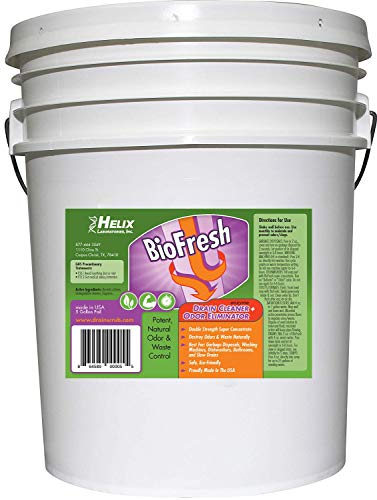
- TAR Score8.2
TAR Score is a ranking system developed by TopAppliancesReviews.com. TAR score has no relationship or impact from any manufacturers or sales agent websites. Learn more
- BrandHELIX LABORATORIES, INC.
Last update on 2026-06-25 / Affiliate links / Images, Product Titles, and Product Highlights from Amazon Product Advertising API
How To Clean And Maintain Washer Drain Pump
A washer that won’t drain can wreck the whole laundry rhythm fast. Wet clothes sit heavy in the drum, the room starts smelling sour, and the machine suddenly sounds like it’s chewing gravel. That’s where how to clean and maintain washer drain pump becomes less of a chore and more of a smart habit that keeps laundry days from going sideways. A clean pump helps protect drainage flow, reduces odor buildup, and keeps the washer from working harder than it should.
Clean Drain Pump Basics
Washer drain pump care starts with knowing what the pump actually does. The pump moves dirty water out of the washer after wash and rinse cycles, so any blockage can slow everything down. Lint, coins, pet hair, detergent sludge, and tiny fabric scraps can all gather near the filter or pump housing. Once debris builds up, slow drainage and strange humming usually aren’t far behind.
Cleaning the pump filter is often the first practical step. Many front-load washers place the drain filter behind a small lower access panel, while some top-load models hide the drain system deeper inside the cabinet. Before opening anything, unplug the washer and place towels under the panel because trapped water usually comes out. That small prep step saves the floor from a mini flood.
Routine maintenance works best before the machine starts throwing error codes or leaving water in the tub. A quick monthly check can catch hair, lint, and pocket junk before it hardens into a stubborn clog. Households with pets, work uniforms, muddy clothes, or heavy towel loads may need more frequent cleaning. That’s not overdoing it, it’s just matching the washer’s care to real laundry habits.
Drain pump problems rarely announce themselves politely. A low hum, a longer spin cycle, or clothes coming out wetter than normal can all point to restricted water movement. Some washers may pause mid-cycle because the sensor detects that water isn’t draining correctly. Catching those signs early helps avoid burned-out pump parts and surprise repair bills.
Warning Signs Before Trouble
Slow draining is one of the clearest signs that the washer drain pump needs attention. The washer may finish the cycle, but clothes feel heavier because water didn’t leave the drum efficiently. That extra moisture also makes drying take longer, which adds more hassle to an already annoying laundry day. A clean drain path helps the washer rinse and spin with less strain.
Bad washer smells can also point toward trapped moisture near the pump or filter. Detergent residue, lint, and warm water create the kind of damp mess that mildew loves. The drum may look fine, yet the odor keeps coming back because the dirty water path hasn’t been cleaned. For odor control in brand-specific care routines, refresh your washer upkeep with best cleaner for bosch washing machine to support cleaner cycles.
Odd noises deserve attention too. A rattling sound may come from a coin, button, or small object trapped near the pump impeller. A buzzing noise can mean the pump is trying to run but something is blocking movement. Ignoring that sound is a bit like ignoring a pebble in your shoe, small at first, then maddening.
Drain error codes vary by washer brand, but the message usually means the machine can’t remove water fast enough. That doesn’t always mean the pump is dead. Sometimes the filter is packed with lint, the drain hose is kinked, or the standpipe is partially blocked. Checking the simple stuff first keeps panic out of the laundry room.
Safe Prep Before Cleaning
Safety first makes this job easier and less messy. Unplug the washer before touching the drain pump area, even if the machine looks completely off. Water and electricity don’t need to meet each other, full stop. Turning off the water valves can also help if you’ll be moving the washer away from the wall.
Towels and a shallow tray are your best friends during pump cleaning. Most drain filters hold leftover water, and it can rush out faster than expected. Open the filter slowly, let the water drain in stages, and keep a small container nearby. That patient approach beats scrambling across the floor with a soaked bath towel.
Manual draining may be needed if water is still sitting inside the tub. Some washers include a small emergency drain hose beside the pump filter. Pull it out gently, remove the cap, and let water flow into a low pan. If your model doesn’t have one, opening the filter slowly can still release trapped water without turning the laundry room into a puddle party.
Model differences matter, so the washer manual is worth a quick look. Some pump filters twist out, while others need a screwdriver or a lower panel removed. Forcing plastic parts can crack tabs or damage seals. A gentle hand protects pump housing, filter threads, and rubber gaskets from avoidable damage.
Cleaning The Pump Filter
Filter cleaning usually starts by turning the filter cap counterclockwise. Move slowly because trapped debris can jam the cap or cause water to leak around the opening. Once the filter comes out, pull away lint, hair, threads, and small objects by hand. Rinse the filter under warm water until the screen and grooves look clear.
Pet hair buildup can clog washer drain systems faster than people expect. Dog beds, blankets, towels, and fleece jackets hold hair deep in the fabric, then release it during the wash. To reduce hair before it reaches the pump, manage loose fur with best pet hair collector washing machine during heavy shedding loads. That small barrier can help keep pump filters cleaner between maintenance checks.
Inspect the pump cavity before putting the filter back. Shine a flashlight inside and look for coins, hairpins, buttons, or clumps wrapped around the impeller. The impeller should move slightly, but it shouldn’t feel jammed or packed with debris. Never stab around with sharp tools because puncturing a seal can create a leak you really don’t want.
Reinstalling the filter needs a snug fit, not brute force. Wipe the threads and rubber seal before twisting the cap back into place. If lint sits on the seal, water can seep out during the next cycle. After cleaning, run a short rinse or drain cycle and watch the filter area for leaks.
Drain Hose Checks That Matter
The drain hose can cause problems even when the pump itself is clean. A kink behind the washer restricts water flow and makes the pump work harder. Push the machine back carefully after cleaning, leaving enough room so the hose doesn’t fold flat. That small spacing detail can prevent repeat drainage headaches.
Clogged hoses often collect lint and sludge near bends or connection points. Disconnecting the hose may be messy, so keep towels and a bucket ready. Flush the hose with water if your setup allows it, then check for slow flow or trapped debris. A hose that stays blocked after rinsing may need replacement rather than more poking.
Standpipe height also affects drainage. If the hose sits too low, water may siphon out too early. If it’s jammed too deep into the standpipe, airflow can suffer and drainage may act strange. Keeping the hose positioned correctly helps the pump move water without fighting the plumbing setup.
Loose hose connections can create leaks that look like pump failure. Check clamps, fittings, and the hose end for cracks or soft spots. Rubber ages, especially in hot laundry rooms or tight utility spaces. Replacing a worn hose costs far less than dealing with floor damage from a slow leak.
Habits That Protect The Pump
Better laundry habits protect the washer drain pump long before cleaning day arrives. Empty pockets every time, even when the load seems harmless. Coins, screws, paper scraps, and hair ties can travel straight toward the pump filter. One forgotten pocket can turn a normal wash into a noisy repair problem.
Detergent control makes a bigger difference than most people think. Too much soap creates residue that clings to hoses, filters, and internal surfaces. High-efficiency washers need low-sudsing detergent in the right amount, not a heavy pour for “extra clean” clothes. Less residue means better drainage and fewer sour smells.
Pet-heavy homes need a little extra prevention. Shake blankets outside, brush off bedding, and run a lint roller over hair-covered fabrics before washing. Air quality can also suffer where pet hair and dander pile up around laundry areas, so support the surrounding space with best air purifier for dog dander if shedding feels constant. Cleaner fabric going into the washer means less debris heading toward the pump.
Balanced loads help the washer spin and drain properly. Overstuffing the drum traps water in fabric and pushes extra lint into the drain system. Heavy items like rugs, blankets, and towels need room to move so water can rinse away cleanly. Give the washer some breathing space, and the pump won’t have to muscle through every cycle.
Maintenance Schedule That Feels Realistic
A realistic cleaning schedule beats a perfect plan nobody follows. For average laundry use, checking the pump filter every month or two keeps buildup from getting out of hand. Homes with pets, kids, outdoor work clothes, or frequent towel loads may need shorter intervals. The goal is steady upkeep, not a weekend-long repair mission.
After messy loads, a quick rinse cycle can help move leftover grit and lint out of the system. Muddy pants, pet blankets, washable rugs, and beach towels all leave more debris behind than regular clothes. Running a cleaner cycle or empty rinse after those loads gives the drain pump a break. It’s a small habit, but it pays off.
Seasonal checks make sense for hoses and connections. Look behind the washer every few months for leaks, crushed hoses, or damp spots on the floor. Laundry rooms with poor airflow may hold moisture longer, which can make smells worse. Keeping the area dry supports pump longevity, hose condition, and odor control.
Washer behavior tells you whether the schedule is working. Faster draining, fewer odors, quieter cycles, and drier clothes after spinning are good signs. If symptoms return quickly after cleaning, the clog may sit deeper in the hose, standpipe, or pump assembly. That’s the point where a careful inspection beats guessing.
How To Clean And Maintain Washer Drain Pump For Long-Term Care
Small laundry habits can either protect the washer drain pump or slowly wear it down. A machine may still run with lint, soap film, and damp grime sitting inside the drain path, but that doesn’t mean it’s happy. The real goal with how to clean and maintain washer drain pump is keeping water moving freely before clogs, odors, and noisy cycles start calling the shots. A little consistency gives the pump a much easier job and keeps laundry days from turning into a wet, cranky mess.
Deep Cleaning Without Damaging Parts
Deep cleaning the washer drain pump takes patience, not muscle. The filter cap, rubber seal, and plastic housing can crack or warp if handled roughly. Warm water, a soft brush, and a cloth usually do more good than harsh cleaners. Scrubbing too aggressively can damage small seals, and that tiny mistake may lead to leaks during the next cycle.
Drain pump grime often hides in grooves, threads, and corners where lint packs itself tightly. A toothbrush-style brush can loosen residue without scratching the filter surface. Rinse until the water runs clear, then wipe the opening before reinstalling the filter. That extra wipe helps the seal sit flat and prevents slow drips around the access panel.
Vinegar and washer cleaners can help with odor control, but they don’t replace physical debris removal. A cleaner cycle may freshen the drum, yet a coin or clump of hair in the pump filter will still block water. Treat cleaning products as support, not magic. Real maintenance means removing the stuff that shouldn’t be there in the first place.
Harsh chemicals can create more trouble than they solve. Bleach-heavy mixtures, drain openers, and abrasive powders may weaken rubber parts or leave residue inside the washer. Stick with gentle cleaning methods and follow the washer manual for product limits. The pump needs clear flow, not chemical punishment.
Preventing Clogs From Daily Laundry
Clog prevention starts before clothes ever hit the drum. Empty pockets, shake out dusty work clothes, and remove loose pet hair from blankets before washing. Tissues, receipts, coins, and small hardware can travel straight toward the drain pump. That quick pocket check feels boring until it saves the machine from a nasty blockage.
Load size plays a big role in drainage. Overpacked loads hold more water, trap lint, and make it harder for detergent to rinse away cleanly. Smaller loads move better, rinse better, and leave less debris behind for the pump to catch. For compact laundry setups or tight spaces, compare a single tub washing machine if a smaller wash routine fits better than stuffing a full-size washer every time.
Fabric type changes how much lint the washer has to manage. Towels, fleece, pet bedding, rugs, and flannel shed more fibers than smooth cotton shirts. Wash lint-heavy items separately when possible, and clean the filter soon after bulky loads. That habit keeps pump strain lower and helps prevent sludge from building inside the drain path.
Detergent amount matters more than the label makes it seem. Too much detergent leaves sticky residue that catches lint and hair like glue. Use the right amount for load size, water hardness, and washer type. Cleaner rinsing supports better drainage, less odor, and fewer cloudy deposits around the pump filter.
Odor Control Around The Laundry Area
Washer odors often start with trapped moisture. A drain pump area packed with lint and soap residue can hold dirty water long after the cycle ends. That damp buildup creates the sour smell people notice when they open the washer door. Cleaning the pump filter helps remove one of the hidden sources of that odor.
Airflow also affects how fresh the laundry area feels. Leave the washer door or lid open after use so the drum can dry out. Wipe the gasket on front-load machines because water collects in the folds. A dry washer interior gives mildew fewer places to settle.
Laundry room ventilation can make odors worse or better. Small rooms, closed doors, and damp floors trap smells faster than open utility spaces. If the laundry area sits near the kitchen or shares a utility wall, improve air movement and manage cooking moisture with ducted range hoods so household humidity doesn’t linger where appliances already create moisture. Better ventilation supports odor control and keeps damp air from hanging around.
Regular wipe-downs help more than people expect. Clean detergent drawers, rubber gaskets, and the lower filter door so residue doesn’t keep feeding smells. A clean pump filter paired with a damp-free drum makes the washer feel fresher overall. It’s not glamorous, but it works.
Fixing Slow Drainage Step By Step
Slow drainage needs a simple, logical check before assuming the pump has failed. Start with the pump filter because it catches the most obvious debris. Then inspect the drain hose for kinks, crushed spots, or clogs near the connection. This order saves time and keeps the repair path from turning into a guessing game.
Standing water in the drum usually means the washer couldn’t push water out fast enough. Use the emergency drain hose if the machine has one, or open the filter slowly with towels ready. Once the water is out, clean the filter and look inside the pump cavity. Small objects near the impeller can stop drainage even if the filter itself looks fairly clean.
Repeated drainage trouble may point beyond the washer. A clogged household standpipe can make the washer seem faulty even when the pump is doing its job. Watch how quickly water backs up near the drain pipe during a cycle. If water rises or spills from the standpipe, the plumbing path may need attention.
Pump replacement should be the later step, not the first guess. A pump that hums but won’t move water may be blocked, while a pump that stays silent may have an electrical or mechanical issue. Cleaning, hose checks, and drain checks should happen before buying parts. That practical order protects the budget and avoids replacing a pump that wasn’t actually dead.
Common Mistakes That Shorten Pump Life
Ignoring small sounds is one of the easiest ways to make pump problems worse. Rattling, buzzing, or grinding can mean debris is trapped near the impeller. The washer may still finish the load, but the pump is working through friction it shouldn’t have. Stopping early and checking the filter can prevent bigger damage.
Using too much detergent creates residue that builds quietly over time. More soap doesn’t mean cleaner clothes, especially in high-efficiency machines. Excess suds can slow drainage and leave behind sticky film inside hoses and pump areas. A measured dose keeps rinsing cleaner and protects the drain system.
Skipping filter checks lets small debris turn into packed sludge. Lint alone may not seem serious, but lint mixed with hair, soap, and pocket debris can form a thick plug. That plug makes the pump work harder during every drain cycle. Regular cleaning keeps water flow smoother and reduces unnecessary strain.
Forcing stuck parts can create leaks or broken filter caps. If the drain filter won’t turn, pause and check for trapped debris or pressure from leftover water. Work slowly instead of grabbing pliers and cranking hard. Gentle handling protects plastic threads, rubber seals, and the pump housing.
Building A Maintenance Routine That Sticks
A simple routine is easier to follow than a long checklist. Check pockets before every wash, leave the door open after cycles, and clean the pump filter on a predictable schedule. Add a hose inspection every few months and the washer gets steady care without much fuss. Small habits stack up nicely.
Monthly pump checks work well for busy laundry rooms. Homes with pets, kids, sports uniforms, or dusty work clothes may need more frequent filter cleaning. Lighter-use households can often stretch the schedule, but smells or slow draining mean it’s time to check sooner. The washer will usually tell you when maintenance is slipping.
After heavy loads, give the machine a little extra attention. Blankets, towels, rugs, and pet bedding shed more fibers and hold more moisture than everyday clothes. A quick filter check after these loads can stop debris from settling deeper inside the drain path. That five-minute habit can save a much bigger headache later.
Long-term washer care comes down to clean water movement. The drain pump doesn’t need pampering, but it does need a clear path, sensible detergent use, and fewer surprises from forgotten pocket junk. Keep the filter clean, protect the hose from kinks, and pay attention to sounds before they get ugly. A washer that drains smoothly gives clothes a better rinse and keeps the whole laundry routine calmer.


10 Best Quality Semi Automatic Washing Machine of 2026 For Leak-Free Laundry

11 Best Small Washer Machine of 2026 For Everyday Laundry

12 Best Vibration Pads For Washing Machine of 2026 To Stop Walking and Shaking

11 Best Selling Front Load Washing Machine of 2026 For Quiet Odor-Free Laundry

11 Best Washing Machine For King Size Bedding of 2026 To Prevent Cycle Errors

10 Best Small Front Loader Washing Machine of 2026 For Tight Closets

12 Best Side Load Washing Machine of 2026 For Low Vibration

11 Best Single Tub Washing Machine of 2026 For Apartments Without Hookups






