
How To Clean And Flush Washer Drain Hose Right

How To Clean And Flush Washer Drain Hose regularly sounds like one of those chores people keep pushing aside until the washing machine suddenly starts acting up. Then comes the funky smell, the sluggish draining, or worse, dirty water creeping back into the drum. Laundry rooms don’t usually throw obvious warning signs right away, which is why clogged residue quietly builds inside the hose over time. Detergent sludge, lint, mineral deposits, and tiny bits of fabric all stick together like glue, slowly turning smooth water flow into a frustrating mess.
Oddly enough, many washers still seem “fine” even while the drain hose is already halfway blocked. That’s the sneaky part. Clothes may take longer to spin properly, cycles might stop unexpectedly, or puddles begin appearing near the machine. Little annoyances pile up fast. Regular flushing keeps those headaches from snowballing into expensive repairs or emergency plumbing calls that nobody wants to deal with on a busy weeknight.
Strong maintenance habits also help protect the washer pump and internal drainage system. A neglected hose forces the machine to work harder every cycle, and over time that strain can shorten the appliance’s lifespan. Cleaning the hose doesn’t require fancy tools or technical know-how either. A bucket, warm water, vinegar, and a bit of patience usually handle the job just fine. That practical simplicity makes routine washer maintenance one of the easiest ways to avoid larger mechanical issues later.
Smells deserve attention too. Musty odors lingering around freshly washed clothes often trace back to trapped debris inside the drain hose. Yikes, that’s enough to ruin the feeling of clean laundry altogether. Flushing the line regularly helps remove hidden grime before bacteria and mildew settle in for good. Fresh airflow and cleaner drainage can noticeably improve the overall smell of both the machine and laundry area.
Different households also face different drainage challenges. Hard water buildup can create stubborn residue inside hoses, while pet hair and heavily soiled clothing increase lint accumulation much faster. Small apartments with limited ventilation may notice mildew odors sooner than larger laundry rooms. Paying attention to these real-world conditions makes washer hose cleaning feel less like random maintenance and more like practical prevention that genuinely saves trouble down the road.
Then there’s the peace of mind factor. Nobody enjoys hearing strange gurgling sounds during a wash cycle or wondering whether the machine will overflow overnight. A clean hose keeps water moving smoothly and reduces the chance of unexpected backups. That steady performance matters more than people realize, especially during heavy laundry weeks packed with towels, bedding, and muddy clothes after outdoor activities.

- TAR Score9.0
TAR Score is a ranking system developed by TopAppliancesReviews.com. TAR score has no relationship or impact from any manufacturers or sales agent websites. Learn more
- BrandVOLUDA

- TAR Score9.0
TAR Score is a ranking system developed by TopAppliancesReviews.com. TAR score has no relationship or impact from any manufacturers or sales agent websites. Learn more
- BrandMAREKINEKO

- TAR Score9.0
TAR Score is a ranking system developed by TopAppliancesReviews.com. TAR score has no relationship or impact from any manufacturers or sales agent websites. Learn more
- BrandTayapura
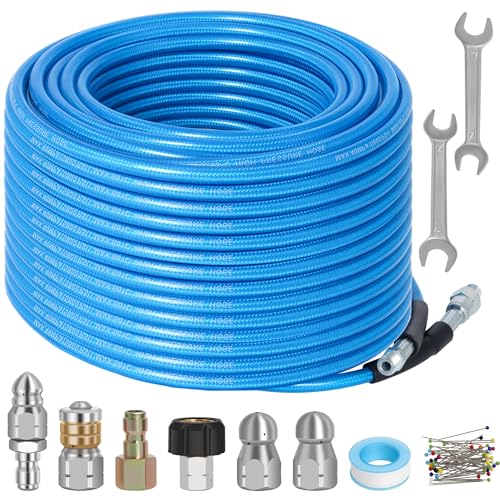
- TAR Score8.8
TAR Score is a ranking system developed by TopAppliancesReviews.com. TAR score has no relationship or impact from any manufacturers or sales agent websites. Learn more
- BrandZejoot
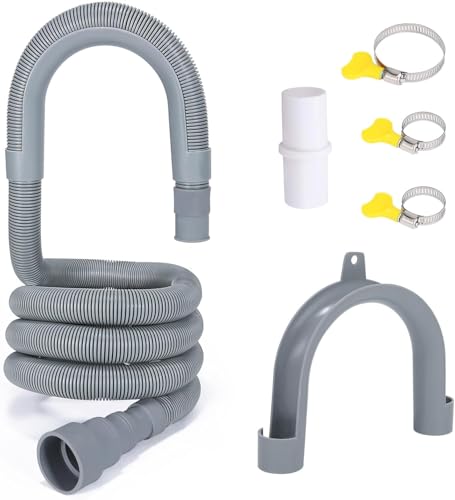
- TAR Score8.8
TAR Score is a ranking system developed by TopAppliancesReviews.com. TAR score has no relationship or impact from any manufacturers or sales agent websites. Learn more
- BrandPink Cross

- TAR Score8.8
TAR Score is a ranking system developed by TopAppliancesReviews.com. TAR score has no relationship or impact from any manufacturers or sales agent websites. Learn more
- BrandZOFINE

- TAR Score8.8
TAR Score is a ranking system developed by TopAppliancesReviews.com. TAR score has no relationship or impact from any manufacturers or sales agent websites. Learn more
- BrandWest Bay

- TAR Score8.8
TAR Score is a ranking system developed by TopAppliancesReviews.com. TAR score has no relationship or impact from any manufacturers or sales agent websites. Learn more
- BrandM MINGLE

- TAR Score8.6
TAR Score is a ranking system developed by TopAppliancesReviews.com. TAR score has no relationship or impact from any manufacturers or sales agent websites. Learn more
- BrandElyfree
Last update on 2026-06-25 / Affiliate links / Images, Product Titles, and Product Highlights from Amazon Product Advertising API
How To Clean And Flush Washer Drain Hose Regularly
A sour laundry room smell can sneak up fast, and the washer usually gets blamed before the drain hose ever gets a fair look. Dirty water, lint, soap film, pet hair, and mineral grit can collect inside the hose until slow draining turns into a bigger mess. Regular care for how to clean and flush washer drain hose regularly keeps wash cycles steadier, reduces odors, and helps protect the drain pump from working harder than it should. It’s not glamorous, sure, but this small habit can save a whole lot of floor-mopping panic.
Why Drain Hose Cleaning Matters
A washer drain hose doesn’t need to look dirty from the outside to be clogged on the inside. Thick detergent residue, lint, and fabric debris can cling to the inner walls after repeated wash cycles. That buildup narrows the water path, which makes drainage slower and puts extra strain on the washer pump. Once the hose starts holding grime, musty odors often tag along.
Small laundry problems usually start quietly. Clothes may come out wetter than usual, the washer may pause longer during draining, or the laundry area may smell damp even after cleaning the drum. Those clues point to restricted water flow, not always a broken machine. A clean hose helps water leave the washer smoothly instead of backing up at the worst moment.
Regular flushing also helps prevent the gross stuff people don’t see. Soap scum, hair, and lint can form sticky sludge that traps bacteria and mildew. That’s why odor control matters just as much as clog prevention. A simple drain hose routine can make laundry feel cleaner without buying another scented booster that only masks the problem.
Think of the old saying, “An ounce of prevention is worth a pound of cure.” That line fits washer care perfectly. A few careful minutes with the hose can prevent water backups, damp floors, and expensive service calls. Better yet, it gives the machine a fighting chance to run without constant drainage drama.
Warning Signs Your Hose Needs Attention
Slow draining is the big red flag, but it isn’t the only one. A washer that leaves clothes heavy with water may be fighting a partially blocked hose. Gurgling sounds during the drain cycle can also point to trapped debris or poor water movement. Those sounds aren’t just background noise, they’re the machine complaining.
Bad smells can be even more frustrating because they make clean laundry feel dirty. A hose lined with detergent sludge and lint can hold moisture between cycles. That damp pocket creates the right setting for mildew growth and stale odors. Once that smell settles in, wiping the drum alone usually won’t fix it.
Leaks around the washer area deserve quick attention too. A blocked hose can force water to escape from loose connections, worn clamps, or the standpipe area. Before assuming the washer itself has failed, check the drain hose connection and the hose interior. Sometimes the fix is less dramatic than it first looks.
Heavy laundry habits can speed up buildup. Washing pet bedding, muddy work clothes, bath mats, or lint-heavy towels sends more debris through the drainage path. To reduce lint before it reaches the hose, compare practical options like best lint catcher washing machine hose for an extra layer of clog prevention. That small add-on won’t replace flushing, but it can help reduce the amount of mess moving through the line.
Tools And Supplies That Make The Job Easier
Cleaning a washer drain hose doesn’t require a garage full of tools. A bucket, old towels, rubber gloves, warm water, and a small brush are usually enough for routine maintenance. White vinegar can help loosen soap film and mild odors without being harsh on most hoses. Keep things simple, because overcomplicating the chore is how it gets avoided.
A drain snake or flexible cleaning brush can help with thicker buildup. Use a gentle touch, though, because jamming a stiff tool into the hose can cause cracks or punctures. The goal is to loosen stubborn residue, not damage the rubber or plastic. Slow and steady wins here.
Bucket placement matters more than people expect. Water left inside the hose can spill fast once the connection comes loose. Place towels underneath the hose area and keep the bucket close to catch dirty drain water. That simple setup keeps a small maintenance job from turning into a soggy cleanup session.
Detergent choice also affects hose buildup over time. Too much soap, or the wrong formula for the washer type, can leave residue that collects inside the drain line. For better wash habits that support cleaner drainage, pair the routine with best detergent top loading washing machine if your machine needs a more suitable formula. Less residue inside the washer often means less sludge traveling into the hose.
Safe Steps To Disconnect The Hose
Safety starts before touching the hose. Unplug the washer and turn off the water supply so the machine can’t start or refill during the job. Pull the washer forward carefully, leaving enough room to reach the back without yanking the lines. That protects both the drain hose and the floor behind the machine.
Locate where the drain hose connects to the washer and where it empties into the standpipe or utility sink. Take a quick photo before disconnecting anything, because reassembly feels easier when there’s a visual reference. Loosen the clamp slowly and guide the hose toward the bucket. Any leftover water inside can be murky, so don’t rush that part.
Check the hose for cracks, soft spots, kinks, or crushed sections. A hose can be clean inside and still fail if the material has weakened. Replace it if the walls feel brittle or the ends no longer seal tightly. A clean but damaged hose still creates leak risk.
Standpipe height and hose position also matter. A hose pushed too far into the standpipe can create siphoning trouble, while a kinked hose can restrict flow even after cleaning. Keep the hose curved naturally without sharp bends. Good positioning supports steady drainage after the flushing work is done.
How To Flush Out Built-Up Sludge
Start by running warm water through the hose from one end into the bucket or sink. If the water comes out cloudy, gray, or full of lint, that’s the buildup breaking loose. Rotate the hose gently while flushing so water reaches the inner walls. This movement helps loosen detergent sludge hiding along the bends.
For odors, pour a vinegar and warm water mixture through the hose and let it sit briefly before flushing again. The mixture helps soften soap film and reduce stale smells. Avoid harsh chemicals unless the washer manual specifically allows them, because some cleaners can weaken hose material. Gentle cleaning protects hose durability while still removing grime.
A flexible brush can help if water alone doesn’t clear the line. Push it in carefully from each end, working through resistance without forcing it. Rinse again until the water runs clearer and debris stops coming out. That final flush is the part that restores clean water flow.
Air quality in the laundry area can also affect how fresh the space feels, especially in rooms with poor ventilation or pet odors. For homes where musty laundry smells mix with indoor air issues, consider a separate air-care step with best air purifier african grey if pet dander and odor control are also part of the household routine. A clean hose handles drainage odor at the source, while better air circulation helps the room feel less stale.
Common Mistakes That Make Clogs Worse
Using too much detergent is one of the easiest mistakes to make. More soap doesn’t mean cleaner clothes, especially in high-efficiency machines that use less water. Extra suds leave behind sticky residue, and that residue travels into the hose. Over time, it becomes a lint magnet.
Ignoring lint-heavy loads can also create trouble. Towels, blankets, pet beds, and fuzzy clothes shed more fibers than regular shirts or jeans. Running those loads back to back without checking drainage increases the chance of hose buildup. A quick lint check before washing can spare the hose from extra debris.
Forcing tools into the hose is another bad move. A stiff wire or sharp object can scratch, puncture, or stretch the drain hose. Once the material is damaged, leaks become more likely even if the clog clears. Gentle pressure protects the hose structure and keeps the repair from getting more expensive.
Skipping the standpipe area can leave the job half-done. The hose might be clean, but the receiving drain can still slow everything down. Check for lint rings, odor, or standing water near the drain opening. Clean drainage needs both the washer hose and the outlet path working together.
How To Keep Washer Drain Hose Flowing Smoothly
Clean drainage habits don’t stop after one good flush. A washer hose can collect lint, detergent film, and mineral residue again if the laundry routine stays messy. Regular care keeps water flow steady, helps prevent sour smells, and reduces those annoying moments where clothes come out wetter than they should. The trick is building a simple rhythm that fits real laundry life, not a fussy checklist nobody wants to follow.
Set A Practical Cleaning Schedule
A drain hose doesn’t need daily attention, but it shouldn’t be forgotten for months either. Homes that wash towels, pet blankets, muddy clothes, or heavy bedding may need more frequent flushing than lighter laundry setups. A monthly visual check and a deeper hose flush every few months can keep buildup from getting out of hand. That schedule feels manageable and still gives the washer enough protection.
Hard water can make the problem worse because minerals cling to soap residue inside the hose. That sticky mix slowly tightens the drainage path and gives lint something to grab onto. If the washer starts draining slower than usual, don’t wait for a full clog. Treat slow drainage as an early nudge to clean the washer drain hose before it turns into a wet floor situation.
Small laundry spaces need extra care because odors hang around longer. A closet washer, apartment laundry corner, or basement setup with poor airflow can hold musty smells even after the machine finishes running. Keeping the hose clean helps remove one major source of odor. Better airflow, dry surfaces, and clean drainage work together better than fragrance beads ever will.
Portable washers need the same attention, especially because their hoses are moved, bent, and stored more often. To make smaller laundry setups easier to manage, compare space-friendly choices like best rca portable washing machine if hose access and compact washing routines matter. A compact washer still needs clear hose flow, and skipped maintenance can cause the same backups as a full-size machine.
Use Better Laundry Habits To Reduce Buildup
Detergent control makes a bigger difference than most people think. Too much soap leaves residue inside the washer, and that residue eventually travels into the drain hose. Use the amount recommended for the load size, soil level, and washer type. More detergent can actually create more trouble, not cleaner clothes.
Heavy lint loads deserve a little extra attention before washing. Shake out pet beds, sandy towels, rugs, and fuzzy blankets outside whenever possible. That quick step keeps loose debris from heading straight into the drain system. Less lint in the water means less sludge inside the hose.
Hot water can help break down greasy residue, but it isn’t a magic fix for every load. Some fabrics need cold water, and some hoses may not love repeated exposure to very hot flushing. Use warm water during maintenance instead of going overboard. Gentle flushing protects the hose material while still loosening grime.
Kitchen grease, oily rags, and heavily soiled cloths can create stubborn drainage buildup if they go straight into the washer. Pre-rinsing those items in a utility sink can reduce the mess before the machine handles the rest. Good prep protects the pump, hose, and standpipe from extra strain. That small habit keeps washer maintenance from becoming a constant battle.
Check The Standpipe And Drain Area
A freshly cleaned hose won’t solve everything if the standpipe is partly blocked. Lint, soap scum, and small debris can collect where the hose empties out. Check the drain opening for standing water, grime rings, or sour odors. A clean hose needs a clear exit path to do its job properly.
The hose should sit securely in the standpipe without being shoved too far down. Pushing it too deep can cause siphoning problems and strange drainage behavior. A hose that barely sits in place can jump loose during a strong drain cycle. Proper placement helps prevent leaks, backups, and water splashing.
Clamps and hose ends also deserve a quick inspection. A loose clamp can drip slowly behind the washer where nobody notices until the floor smells damp. Cracked hose ends may seal poorly even after cleaning. Replacing a worn clamp or damaged hose is cheaper than dealing with hidden water damage.
Laundry rooms near kitchens or shared utility spaces can pick up odors from more than one source. If stale smells also drift from cooking areas, ventilation may need attention beyond washer care. For stronger air movement around nearby appliances, review options like best dacor range hoods if kitchen odor control is part of the bigger home setup. Cleaner drainage handles washer smells, while better ventilation helps keep the surrounding space fresher.
Prevent Odors From Coming Back
Odor prevention starts with keeping moisture from sitting too long. After laundry is done, leave the washer door or lid open so the drum can dry. A damp washer feeds mildew, and that smell can travel into the hose. Dry surfaces support cleaner laundry cycles and fewer musty surprises.
Run a washer cleaning cycle as part of the same routine. The drum, pump filter, and drain hose all affect how fresh laundry smells. Cleaning only one part may help for a while, but missed grime can bring the odor right back. A whole-system approach gives better odor control.
Vinegar can help with mild smells, but it should be used with common sense. Too much acid too often may not be friendly to every washer component. Follow the washer manual and avoid mixing cleaners. Safe maintenance beats aggressive scrubbing every time.
Smell checks are simple but useful. Sniff near the hose connection, the standpipe, and the washer drum after a cycle. A sour or swampy smell usually points to trapped moisture or buildup. Catching that early helps stop mildew growth before it digs in.
Know When Cleaning Is Not Enough
Some drain hose problems can’t be fixed with flushing. A hose with deep cracks, soft bulges, crushed bends, or worn ends should be replaced. Cleaning damaged material only delays the real fix. A new hose restores safer water flow and lowers the chance of leaks.
Repeated clogs may point to a bigger drainage issue. The hose might be clear, but the standpipe or home drain could still be restricted. If water backs up from the wall drain, the problem likely goes beyond washer maintenance. That’s the moment to treat plumbing blockage as a serious possibility.
A noisy drain pump can also signal trouble. Grinding, humming, or long pauses during draining may mean debris reached the pump filter or pump housing. Check the washer manual before opening anything near the pump. Protecting the drain pump matters because that repair can cost far more than a hose flush.
Burning smells, electrical issues, or repeated error codes shouldn’t be ignored. Stop using the washer until the cause is clear. Water and electricity don’t leave much room for guesswork. Safe troubleshooting keeps laundry maintenance from turning into a risky repair job.
Build A Routine That Actually Sticks
The best maintenance routine is the one that doesn’t feel like a punishment. Tie hose checks to something already on the calendar, like changing HVAC filters or cleaning the washer drum. That keeps drain hose care from slipping through the cracks. Simple reminders beat waiting for a clog to announce itself.
Keep basic supplies nearby so the job doesn’t become a scavenger hunt. A small bucket, gloves, towels, and a flexible brush can live on a laundry shelf. Having them ready makes quick cleaning much less annoying. Convenience helps turn washer care into a normal habit.
Watch how the washer behaves after each flush. Faster draining, fewer odors, and lighter clothes after the spin cycle are good signs. If the same problems return quickly, something else may be feeding the buildup. Those patterns help separate routine grime from a deeper issue.
Regular flushing doesn’t need to be fancy, dramatic, or expensive. It just needs to happen before the hose is packed with lint and soap sludge. Cleaner drainage means fewer surprises, calmer laundry days, and a washer that doesn’t have to fight every load. That steady payoff is exactly why how to clean and flush washer drain hose regularly belongs in the normal home care routine.


10 Best Quality Semi Automatic Washing Machine of 2026 For Leak-Free Laundry

11 Best Small Washer Machine of 2026 For Everyday Laundry

12 Best Vibration Pads For Washing Machine of 2026 To Stop Walking and Shaking

11 Best Selling Front Load Washing Machine of 2026 For Quiet Odor-Free Laundry

11 Best Washing Machine For King Size Bedding of 2026 To Prevent Cycle Errors

10 Best Small Front Loader Washing Machine of 2026 For Tight Closets

12 Best Side Load Washing Machine of 2026 For Low Vibration

11 Best Single Tub Washing Machine of 2026 For Apartments Without Hookups






