
How Much Does a Washer Cost to Buy and Install in 2026?

Check the laundry room hookups and measure doorway clearances before browsing store displays. Doing this first keeps expectations grounded, because the total cost of a washer includes both the machine and the parts needed to run it safely. An entry-level machine handles basic loads easily without stretching a budget, while heavy-duty drums with high-tech cycles push expenses higher.
Several everyday choices change that bottom line quickly. Simple top-load designs with a tall center post are generally easier on the wallet than front-loading drums packed with steam settings. Drum size makes a difference too, as compact portable tubs require less upfront cash than large family-sized basins. Extra expenses like delivery fees, old unit haul-away, and fresh connection hoses also increase the final bill at checkout. Understanding these differences makes it easy to spot what is worth buying and what to skip.
Compare Washer Price Tiers Before Setting Your Budget
Washing machines fall into distinct price tiers based on tub capacity, build quality, and control options. Knowing what separates these brackets helps you avoid overpaying for features you will never use.
Entry-level machines focus on basic operation. These washers use mechanical control dials, painted steel lids, and smaller wash baskets. You get core cycles like normal, delicate, and heavy-duty without digital displays or automated sensors. They clean dirty laundry reliably, but they create more noise during the spin cycle and use more water per load.
Mid-tier washers offer the sweet spot for most homes. In this range, you get stainless steel wash baskets that resist chipping, quiet motors, and digital touch buttons. These machines feature high-efficiency water management and automatic temperature controls that balance hot and cold water valves. If you need a reliable machine that handles frequent laundry days without shaking across the floor, this tier gives you the best value.
Premium washers cost significantly more because of expanded capacities and specialized engineering. These models offer heavy commercial-grade construction, ultra-fast spin cycles that shorten dryer run time, and internal water heaters for sanitize cycles. They also include balance sensors and suspension systems built for second-floor laundry rooms. While these machines run smoothly and quietly, you pay a steep markup for digital options and custom finishes.
Choose the Right Machine Style to Control Upfront Costs
The physical design of your washer directly impacts both the initial purchase price and how the unit fits into your daily routine. Three main designs dominate store shelves, each carrying a different baseline expense.
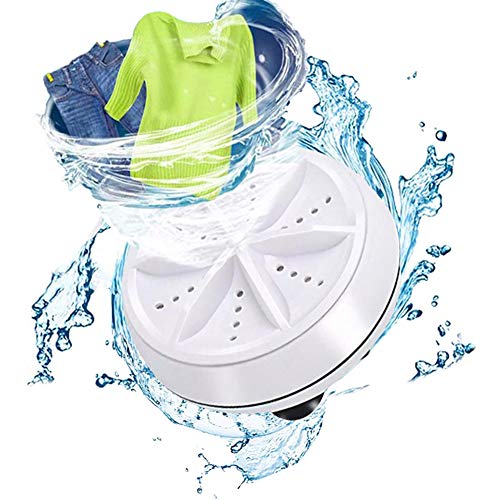
Compact and portable washers represent the lowest upfront financial commitment. These space-saving machines are built specifically for apartments, mobile homes, and dorm rooms. Many portable units connect straight to a standard kitchen sink faucet using a simple quick-connect sink adapter. Choosing a portable automatic washing machine lets renters avoid shared laundromats without altering any existing plumbing or electrical wiring.
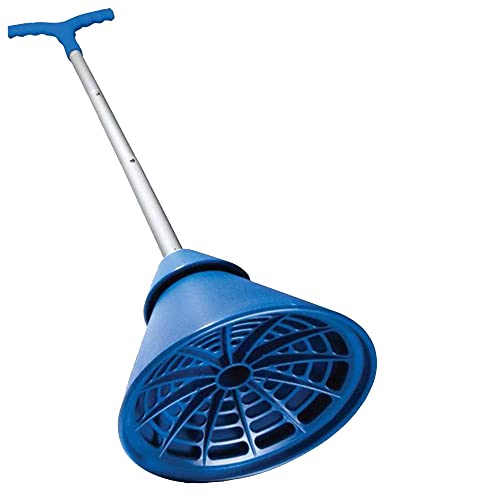
Traditional top-load washers sit at an accessible middle tier. These units load from above and use either a tall center agitator post that twists clothes through the water or a flat bottom wash plate (impeller) that moves laundry using water currents. Agitator models cost less to manufacture and use simple parts that local repair technicians can fix easily. Impeller models cost slightly more upfront, but their open drum design leaves room for bulky blankets and towels.
Front-load washers generally carry higher upfront price tags. Their horizontal drums lift clothes and drop them through shallow water pools, which cleans gently and uses far less water. While the initial investment is higher, finding a dependable front-load washing machine pays you back over time through lower utility bills and faster spin cycles that cut drying times.
Plan for Hidden Delivery and Installation Expenses
The number printed on the retail price tag is rarely what you pay at checkout. Getting a washer into your home and running safely involves mandatory accessories and service fees that catch many buyers off guard.
Walk through this expense checklist before you complete your purchase:
- Water supply hoses: Retailers do not include hot and cold water supply hoses in the washer box. Delivery crews will refuse to hook up your appliance with old hoses due to burst risks. You must buy a new hookup kit (the water hoses connecting the machine to your home valves), preferably with braided stainless steel lines.
- Delivery and drop-off fees: Standard free delivery usually covers dropping the boxed unit on your driveway or curbside. Bringing an appliance inside your home, unboxing it, carrying it up stairs, and setting it in place typically adds a separate installation fee.
- Old machine haul-away: If you have a broken washer in your laundry space, getting rid of it costs extra. Most delivery services charge a disposal fee to disconnect, carry out, and recycle the old steel frame.
- Electrical outlet verification: Washers require a dedicated 120-volt 3-prong grounded wall outlet within reach of the factory cord. Running an appliance on a lightweight extension cord creates a serious fire hazard. If your laundry nook only has an ungrounded two-prong socket, an electrician must update the wiring.
- Plumbing shutoff valves: Old laundry shutoff valves often seize up from mineral buildup or leak when turned after years in one position. If your home valves do not shut off water completely, a plumber must replace them before anyone can install the machine.
Skip Expensive Bells and Whistles You Do Not Need
Appliance manufacturers add dozens of premium upgrades to inflate machine prices. Knowing which features improve your laundry results and which ones merely add cost will keep cash in your wallet.
Skip built-in Wi-Fi connectivity and phone apps unless you have a specific accessibility need. Getting an alert on your phone when a cycle ends sounds helpful, but the novelty fades quickly. You still have to walk to the machine to move wet clothes into the dryer. Wi-Fi control boards also introduce delicate electronic circuits that cost hundreds of dollars to replace if power surges damage them.
Pass on machines boasting twenty or thirty separate wash cycles. Most households use only three settings: normal wash for everyday clothes, delicate wash for gentle fabrics, and heavy-duty for towels and bedding. Paying extra for cycles labeled activewear, denim, or bedding simply adjusts the wash time and water temperature by minor increments you can select yourself on a basic dial.
Reconsider high-dollar steam cycles and automatic bulk soap dispensers. Warm or hot water combined with proper laundry detergent dissolves household grease and cleans soiled clothes thoroughly without an expensive internal steam generator. Bulk detergent tanks seem convenient, but liquid soap can dry out inside the lines over time, creating gummy clogs that trigger error codes. Simple plastic measuring caps work every time and cost nothing extra.
Calculate Utility Bills and Maintenance Over Time
A washer costs money every single time you turn on the faucet and press start. Factoring in long-term operating costs helps you understand whether a budget top-loader or a pricier high-efficiency model makes better financial sense.
Water consumption creates the biggest ongoing difference between machine styles. A traditional top-load machine with a tall center agitator fills the drum completely for both the wash and rinse cycles. High-efficiency top-loaders and front-loaders spray laundry and use sensors to add only enough water to soak the load. If you pay high municipal water rates or live in an area with water restrictions, a high-efficiency washer saves real money every month.
Spin speed also influences your electric bill in ways many shoppers miss. High-efficiency machines and front-loaders spin clothes at rapid speeds, pulling moisture out of fabrics through raw centrifugal force. When wet clothes emerge from the wash drum merely damp rather than soaking wet, your clothes dryer runs for fifteen to twenty fewer minutes per load. Because an electric clothes dryer uses significant wattage, high washer spin speeds lower your monthly electric bill.
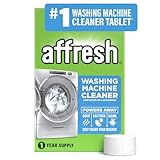
Routine maintenance protects your machine and keeps repair bills off your calendar. Run low-suds HE (High Efficiency) detergent in any modern washer to prevent soap scum buildup. Excess suds fail to rinse away cleanly, coating the drum and trapping lint, dirt, and pet hair. Periodically running washer cleaner tablets through a hot cycle dissolves limescale and clears out mildew that collects behind rubber door gaskets and inside internal drain hoses.
Pick the Right Machine Type for Your Space and Daily Routine
Matching a washer to your home layout ensures you do not waste money returning a model that cannot fit through your doors or hook up to your utilities. Taking three basic measurements before shopping eliminates costly delivery surprises.
First, measure every opening along the delivery path, not just the laundry closet. Measure exterior doorways, tight stairwell turns, and hallway corners. In the laundry room itself, add 4 to 6 inches of clearance behind the machine to accommodate hot and cold water supply hoses and the drain pipe. If you choose a front-loader, verify that you have enough room in front for the door to swing open without hitting nearby cabinets.
Second, match the machine capacity to your household laundry habits. A compact portable model works well for one or two people who wash small loads every couple of days. Busy homes with children need larger drums to avoid washing three separate loads every evening. Choosing a properly sized unit, such as an appliance rated as the best size washing machine for family of 4, prevents drum overloading that burns out drive belts and damages suspension springs.
Finally, inspect your drainage setup before choosing a machine. Portable washers offer flexibility with a built-in drain pump that pushes water up into a kitchen sink or a gravity drain hose that must lie flat across a floor drain. Permanent machines require a standard standpipe or a deep utility sink capable of handling fast water discharge without overflowing onto your floor.
- TAR Score9.4
TAR Score is a ranking system developed by TopAppliancesReviews.com. TAR score has no relationship or impact from any manufacturers or sales agent websites. Learn more
- BrandAffresh

Washing Machine Cleaner-36Pack-18 Month Supply,Washer Machine Cleaner Tablets Formulated For
View on Amazon- TAR Score9.0
TAR Score is a ranking system developed by TopAppliancesReviews.com. TAR score has no relationship or impact from any manufacturers or sales agent websites. Learn more
- BrandUSKICH

- TAR Score9.0
TAR Score is a ranking system developed by TopAppliancesReviews.com. TAR score has no relationship or impact from any manufacturers or sales agent websites. Learn more
- BrandMamouris
- TAR Score8.8
TAR Score is a ranking system developed by TopAppliancesReviews.com. TAR score has no relationship or impact from any manufacturers or sales agent websites. Learn more
- BrandDayOne Gear

- TAR Score8.8
TAR Score is a ranking system developed by TopAppliancesReviews.com. TAR score has no relationship or impact from any manufacturers or sales agent websites. Learn more
- BrandCOMFEE'

- TAR Score8.8
TAR Score is a ranking system developed by TopAppliancesReviews.com. TAR score has no relationship or impact from any manufacturers or sales agent websites. Learn more
- BrandOh Yuk

- TAR Score8.8
TAR Score is a ranking system developed by TopAppliancesReviews.com. TAR score has no relationship or impact from any manufacturers or sales agent websites. Learn more
- BrandARLIME

- TAR Score8.4
TAR Score is a ranking system developed by TopAppliancesReviews.com. TAR score has no relationship or impact from any manufacturers or sales agent websites. Learn more
- BrandThe Laundry Alternative

- TAR Score8.2
TAR Score is a ranking system developed by TopAppliancesReviews.com. TAR score has no relationship or impact from any manufacturers or sales agent websites. Learn more
- BrandSuperday
- TAR Score6.0
TAR Score is a ranking system developed by TopAppliancesReviews.com. TAR score has no relationship or impact from any manufacturers or sales agent websites. Learn more
- BrandWAQIA
Last update on 2026-09-30 / Affiliate links / Images, Product Titles, and Product Highlights from Amazon Product Advertising API
FAQs
Why do retailers make you buy new water hoses during delivery?
Delivery teams require new hoses to protect your home from sudden water damage. Old rubber hoses become brittle and degrade internally over time, making them vulnerable to bursting under normal household water pressure. Installing fresh, braided stainless steel supply hoses ensures a watertight seal and validates the retailer delivery warranty.
Does an expensive front-load washer clean clothes better than a top-loader?
Front-load washers clean heavy stains more thoroughly because they use gravity to tumble clothes repeatedly against each other. This friction removes ground-in dirt gently without the rough fabric pulling caused by a traditional center agitator. They also spin faster, which extracts more dirty water and detergent residue before the final rinse.
Can you run a portable washing machine on standard apartment plumbing?
Yes, portable washing machines are engineered to work with standard household plumbing fixtures. Most include a quick-connect sink adapter that clicks directly onto standard threaded bathroom or kitchen faucets. The wastewater simply empties into the sink basin through a secure hook hose, eliminating any need for permanent plumbing modifications.
How long should a modern washing machine typically last?
Most modern washing machines last between 10 and 13 years with consistent care and regular maintenance. You can maximize your machine lifespan by avoiding laundry overloads, balancing heavy loads evenly around the drum, and wiping down moisture seals regularly. Running monthly tub-cleaning cycles also prevents internal corrosion in pumps and valves.


10 Best Quality Semi Automatic Washing Machine of 2026 For Leak-Free Laundry

11 Best Small Washer Machine of 2026 For Everyday Laundry

12 Best Vibration Pads For Washing Machine of 2026 To Stop Walking and Shaking

11 Best Selling Front Load Washing Machine of 2026 For Quiet Odor-Free Laundry

11 Best Washing Machine For King Size Bedding of 2026 To Prevent Cycle Errors

10 Best Small Front Loader Washing Machine of 2026 For Tight Closets

12 Best Side Load Washing Machine of 2026 For Low Vibration

11 Best Single Tub Washing Machine of 2026 For Apartments Without Hookups






