
How Much Energy Does a Washing Machine Use per Load?

A standard washing machine consumes roughly 0.3 to 1.5 kilowatt-hours of electricity for a normal load. That number changes the moment you select the water temperature, because heating wash water requires far more energy than turning the drum. The motor itself generally draws only 300 to 500 watts while it spins, but hot water cycles quickly drive up total power use.
Daily electricity use also depends on the size of your machine and the cycles you run. A small portable washer designed for an apartment or camper pulls much less electricity than a full-size tub running a sanitize or heavy-duty cycle. Extra rinses and longer soak times also keep the motor running and add up over the month. Here is a clear breakdown of how washer electricity works and how simple laundry habits can keep your power bill under control.
Typical Electricity Use per Load and What It Shows on Your Bill
A standard residential washing machine uses between 0.3 and 1.5 kilowatt-hours (kWh) of electricity for each load of laundry. A kilowatt-hour is simply the measurement unit your electric utility company uses to calculate your monthly bill. In practical terms, running an ordinary wash cycle consumes roughly 300 to 500 watts of electrical power while the motor turns and the pump runs.
To picture what that power draw looks like in your home, running a normal laundry cycle uses about the same amount of direct electricity as leaving a few standard light bulbs switched on for an hour. If you do four loads of laundry each week, your machine completes around 16 to 20 loads each month. For the washer alone, that equals roughly 5 to 25 kilowatt-hours added to your monthly utility statement.
At the national average electricity rate, which typically sits between 15 and 23 cents per kilowatt-hour depending on your state, the washer motor and pump only cost about two to six dollars a month to run. When people open their utility statements and see high electric costs, they often point fingers at the laundry room. But the clothes washer itself is rarely the main culprit unless you choose cycles that demand external water heating.
Your actual energy consumption also shifts based on whether your machine relies on the center agitator post that twists clothes through the water or a flat bottom wash plate (impeller) that moves laundry using water currents. Impeller washers and front-loading units generally tumble clothes through smaller pools of water, while traditional deep-fill tubs pull more power simply because the motor must push heavier volumes of saturated fabric.
Water Temperature: Why Hot Water Cycles Spike Your Energy Bill
The single biggest factor in how much electricity your laundry consumes is wash water temperature. When you run a load on the hot or warm setting, up to 75 to 90 percent of the total energy required does not come from the washing machine motor at all. It comes from the appliance that heats the water.
Most standard washing machines do not heat their own water. They simply open an internal valve to draw hot water directly from your home water heater through the hot water supply hoses. If you have an electric water heater, every gallon of hot water pulled into your wash tub forces that tank to draw between 3,500 and 4,500 watts to heat replacement cold water coming from the street. When you choose hot water for a deep-fill top load washer, you can easily use 15 to 25 gallons of heated water per cycle.
Some newer machines feature an internal electric heating element designed for sanitize cycles, steam settings, or allergen wash profiles. When these cycles run, the machine itself draws 1,000 to 1,500 watts of electrical power continuously for 45 minutes or more to raise water temperatures inside the stainless steel clothes tub. A sanitize cycle can quickly quintuple the electricity consumption of a single load compared to a standard normal cycle.
If you are deciding between different machine designs, exploring how a top-load versus front-load washer handles water volume is helpful. Front loaders clean by lifting and dropping clothes into shallow water, using up to half the water volume of an agitator machine. That difference translates directly into lower demands on your home water heater every time you select a warm or hot wash.
Full-Size Versus Portable Washers: Power Needs for RVs and Apartments
If you live in an apartment, tiny home, or recreational vehicle, your primary concern might not be the monthly dollar cost. Instead, you may worry about whether a washer will trip a breaker on a shared 15-amp electrical branch or overwhelm a solar battery inverter. Comparing machine types helps you pick the right fit for your wall outlets.
Standard full-size washers built for single-family homes require a dedicated 120-volt 3-prong grounded wall outlet connected to a 15-amp or 20-amp circuit breaker. These machines pull 300 to 500 watts continuously while agitating or spinning. But when the electric motor first kicks on to spin a heavy, wet load of towels, it can briefly spike to 1,000 watts for a couple of seconds. In an RV or off-grid cabin, this sudden starting surge can cause a small power inverter to shut down.
Compact fully automatic washers, which typically feature tub capacities between 1.0 and 1.6 cubic feet, are built specifically for smaller living spaces. These machines run hands-free wash, rinse, and spin cycles just like full-size appliances, but their smaller motors draw only 200 to 350 watts during peak spin. They connect easily to a standard household outlet or a properly rated RV generator without overloading other small appliances running on the same circuit.
Twin-tub semi-automatic washers offer even tighter control over power draw. These units split tasks between two compartments: the wash tub where clothes soak and agitate, and the separate spin basket that spins damp-dry. Because you manually transfer clothing from one side to the other, you can run the wash cycle at around 200 to 250 watts, let it finish, and then spin clothes using only 110 to 140 watts. That low, split power draw makes twin-tub designs a reliable favorite for mobile setups and camping solar banks.
At the smallest end of the spectrum, mini foldable washers designed for baby clothes or underwear use tiny direct-current motors that draw just 10 to 40 watts. While they cannot handle jeans or bed sheets, they sip so little power that you can run them directly from a portable battery station or vehicle socket without noticeable battery drain.
How to Check Your Power Rating and Calculate Load Costs
- Locate the yellow EnergyGuide label on your appliance. Checking this yellow sticker gives you the manufacturer-rated annual kilowatt-hour estimate based on standard test cycles, helping you see how many total units of power the machine uses each year under typical household habits.
- Inspect the silver electrical rating plate behind the door or on the back panel. Reading this plate reveals the exact operating voltage (usually 120V) and the amp rating (the electrical flow required from your wall outlet), which prevents you from overloading shared circuits.
- Multiply the listed volts by the amps to calculate peak running wattage. Doing this basic math (volts multiplied by amps equals watts) shows you the absolute maximum continuous power the washer can pull, ensuring your RV inverter or generator can handle the load safely.
- Check your most recent electric utility bill for your cost per kilowatt-hour. Knowing your exact local utility rate allows you to multiply that price by the estimated 0.3 to 1.5 kWh per load, giving you the real dollar amount you spend every time the drum rotates.
- Look at your home water heating setup to account for thermal power. Checking whether your hot water comes from a natural gas heater, a heat pump unit, or a standard electric resistance tank tells you if warm wash cycles are secretly inflating your electric bill behind the scenes.
Everyday Laundry Habits That Cut Electricity Use Right Away
You do not need to replace your washing machine to bring down its electricity demands. Adjusting a few common laundry routines can immediately drop power draw to the lowest possible level without leaving your clothes smelling stale.
First, wash all standard everyday loads in cold water. Modern liquid laundry detergents rely on enzymes that break down body oils, sweat, and surface dirt just as effectively in 60-degree tap water as in heated water. Switching from hot or warm water to cold water instantly eliminates the heating penalty, ensuring your washer only draws the bare minimum 0.3 to 0.4 kWh needed to spin the motor.
Second, wash full loads whenever possible, but never cram the tub full. Washing two half-empty loads requires twice the motor run time, twice the pumping electricity, and twice the water volume of one properly loaded cycle. Fill the inner wash basket loosely to about three-quarters full so garments have space to circulate through the water without binding up.
Third, use the highest spin-only setting your fabrics can handle before moving garments to your clothes dryer. A washing machine uses a fraction of the electricity that a heated electric dryer uses. By letting the washer spin basket extract as much moisture as possible at high speeds, you shorten tumbling time in the dryer, saving far more total household electricity than the washer itself consumed.
Fourth, bypass long sanitize and heavy-duty settings unless someone in your house is sick or your garments are caked in grease. These extended cycles add 30 to 60 minutes of motor agitation. For heavily soiled items, using a soak cycle for stubborn stains lets water and detergent loosen deep grime passively while the motor sits completely powered down.
Finally, always use low-suds HE (High Efficiency) detergent in the exact amount recommended on the bottle. Using too much detergent creates a thick cushion of suds that chokes the motor. The washer must work harder against friction, and the built-in drain pump that pushes water up into a kitchen sink or standpipe must run longer drain cycles to clear the foam.
Choosing an Energy-Smart Washer for Tight Circuits and Small Spaces
If you are shopping for a new washing machine to keep utility costs low or to fit a strict electrical limit in an RV or older rental apartment, compact models offer practical advantages. Understanding what hardware features impact energy draw will help you make a sound purchase decision.
Fully automatic compact washers provide standard convenience with lower power needs. Because their stainless steel clothes tubs are smaller, their motors require fewer watts to rotate and balance loads during the final spin. Look for models equipped with an off-balance safety sensor that pauses spinning and beeps when bulky towels or blankets bunch up on one side. This prevents the motor from straining and stalling against an uneven load, protecting both the drive belt and your circuit breaker.
For mobile installations or tiny homes running on limited solar or battery setups, twin-tub semi-automatic washers offer the lowest running power. Because they do not require automated electronic control boards or continuous internal sensors, their mechanical timers and separate wash and spin motors operate efficiently on small generators.
Before purchasing any compact washer, always verify the electrical specifications listed on the packaging. Confirm that it plugs into a standard 120-volt 3-prong grounded wall outlet and check whether it includes a built-in electric drain pump or uses a gravity drain hose that must lie flat across a floor drain. Checking these details ahead of time ensures the machine operates safely without demanding electrical upgrades in your home.

- TAR Score9.4
TAR Score is a ranking system developed by TopAppliancesReviews.com. TAR score has no relationship or impact from any manufacturers or sales agent websites. Learn more
- BrandYMXA

- TAR Score8.9
TAR Score is a ranking system developed by TopAppliancesReviews.com. TAR score has no relationship or impact from any manufacturers or sales agent websites. Learn more
- BrandGIANTEX

- TAR Score7.9
TAR Score is a ranking system developed by TopAppliancesReviews.com. TAR score has no relationship or impact from any manufacturers or sales agent websites. Learn more
- BrandWinado

- TAR Score7.8
TAR Score is a ranking system developed by TopAppliancesReviews.com. TAR score has no relationship or impact from any manufacturers or sales agent websites. Learn more
- BrandROVSUN
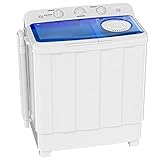
- TAR Score7.2
TAR Score is a ranking system developed by TopAppliancesReviews.com. TAR score has no relationship or impact from any manufacturers or sales agent websites. Learn more
- BrandAuertech
Last update on 2026-10-31 / Affiliate links / Images, Product Titles, and Product Highlights from Amazon Product Advertising API
FAQs
How many watts does a standard washing machine use while running?
A typical residential washing machine draws between 300 and 500 watts of electrical power during normal agitation and spin cycles. The power draw can briefly jump closer to 1,000 watts for a couple of seconds when the motor first starts spinning a heavy, wet load. If you choose an internal sanitize cycle that heats the wash water, the internal heating element can pull 1,000 to 1,500 watts continuously.
Does a quick wash cycle use less electricity than a normal cycle?
Yes, a quick wash cycle uses noticeably less electricity because it cuts the total run time of the motor and drain pump down to 15 or 30 minutes. It also uses less water, which lowers energy consumption even further if you select a warm or hot wash setting. However, quick cycles work best for lightly soiled garments, as they provide less agitation time to dissolve heavy dirt.
Can I run a portable washing machine on a standard RV solar inverter?
Most compact and portable washing machines run reliably on an RV inverter rated for at least 1,000 to 1,500 watts of continuous output. While the machine may only draw 200 to 350 watts while washing, the inverter needs sufficient headroom to handle the initial motor starting surge without tripping off. Always check the machine rating plate for listed running amps before plugging into your RV battery bank.
Why did my washing machine trip the circuit breaker during the spin cycle?
Circuit breakers usually trip during the spin cycle because the motor draws its highest electrical current while bringing a heavy, waterlogged load up to full speed. If bulky items like blankets clump on one side of the inner wash basket, the motor strains against the unbalanced weight and pulls extra amps. Breakers can also trip if the washer shares a wall circuit with another heat-producing appliance like a space heater or toaster.


10 Best Washing Machine For King Size Comforter of 2026 For Bulky Bedding

11 Best Semi Automatic Washing Machine Under 10000 of 2026 For Apartments and RVs

9 Best Compact Refrigerator For Beer Bottles of 2026 For Upright Bottle Fit

10 Best Quality Semi Automatic Washing Machine of 2026 For Leak-Free Laundry

11 Best Small Washer Machine of 2026 For Everyday Laundry

12 Best Vibration Pads For Washing Machine of 2026 To Stop Walking and Shaking

11 Best Selling Front Load Washing Machine of 2026 For Quiet Odor-Free Laundry

11 Best Washing Machine For King Size Bedding of 2026 To Prevent Cycle Errors





