
How Do I Clean Pet Hair Out of a Washing Machine?

Pet hair left in the washer usually isn’t a reason to worry, and you can clear most of it with a damp cloth. Wipe the inside tub and, on a front-load washer, the rubber ring around the door, then run an empty cleaning cycle if your manual allows it.
The right spots to check depend on your washer style: a front-load washer has a door seal, while a top-load washer may collect hair around the rim. Some washers also have a filter that catches lint and debris, but only clean or remove it as the manual directs. Here’s where hair hides and how to clear it without harming the machine.
Know where pet hair collects before you start
Pet hair often stays in the washer because it does not all rinse away with the water. Wet fur can cling to the drum, catch in folds, or stick to other damp hair and lint. Then it may transfer to the next load, especially when dark clothes come out with pale strands on them.
In a front-load washer, check the stainless steel clothes tub and the rubber door seal, the ring around the opening. Hair can gather in the seal’s folds, particularly along the bottom edge. In a top-load washer, check the inner wash basket, the area around the center agitator post or flat bottom wash plate, and the rim near the top.
Hair can also reach the filter, the part that catches lint and debris. A clogged filter may affect draining, but not every washer has a filter that owners can remove. The location and cleaning instructions depend on the washer, so check the manual before opening or removing any part.
Use a bright light to look around the drum and seal before reaching into the washer. If you see water sitting in the machine, or the washer has stopped with an error, don’t assume hair is the only cause. Follow the manual’s steps for that problem before cleaning.
Wipe visible hair from the drum and seal
Turn the washer off and wait until the drum has stopped. If your washer has a door or lid lock, don’t force it open. Follow the manual if the door stays locked or water remains inside.
Use a soft, damp cloth to wipe the inside of the drum or basket. Move around the whole surface, including the back and the area near the opening. Rinse the cloth as hair collects on it, or use a fresh cloth so you don’t spread fur around.
On a front-load washer, gently pull back the rubber door seal and look into its folds. Wipe out loose fur, lint, and any small debris you can reach without stretching or pulling the seal. Check the bottom fold carefully, where water and hair can sit after a wash.
On a top-load washer, wipe around the rim and the visible area around the center post or wash plate. Don’t pry up the wash plate or reach into a gap that you can’t see clearly. Some parts aren’t meant to be removed by the owner.
Wipe the door or lid and the edges around the opening. Leave the washer open for a while so the surfaces can dry, unless the manual says otherwise.
A soft cloth is usually enough for loose fur. Avoid scraping with a knife, metal tool, or stiff brush. These can scratch surfaces or damage the rubber seal. Don’t pour water into a control panel or spray cleaner directly into openings.
If hair is stuck to the seal, dampen the cloth and wipe gently again rather than pulling hard. If the seal is torn, loose, or no longer sits in place, stop wiping that area and contact the manufacturer or a qualified washer repair professional.
Check the filter only if the manual says you can
Look in the washer manual for instructions to clean the filter. The manual may call it a lint screen, drain filter, or pump filter. If the instructions don’t show an owner-cleanable filter, don’t remove a panel or loosen a part to search for one.
Find the exact location first. Filter locations differ by washer. Follow the manual rather than guessing from the shape of the machine.
Prepare for water. If the manual says water may come out, place towels and a shallow container where it directs you. Keep the floor dry to reduce the risk of slipping.
Follow the removal steps in order. Turn the washer off, and unplug it only if the manual directs you to do so and you can reach the plug safely with dry hands. Don’t work around standing water near electrical parts.
Clear only what the manual allows. Remove visible lint or hair as directed. Don’t use sharp tools or force a stuck cover.
Put everything back securely. Make sure the cover or filter is seated as the manual describes before running the washer.
If the filter won’t turn, you can’t reach it safely, or water keeps pouring out, stop and contact the manufacturer or a repair professional. A filter cover can release water, and forcing it may cause a leak or damage.
Run an empty cleaning cycle with an approved cleaner
Check the manual for the washer’s cleaning cycle and the cleaners it allows. Some machines have a cycle meant for an empty washer. If yours does, use that setting as directed.
Choose only a cleaner the manual permits, and follow the cleaner’s label for where to put it and how much to use. If the manual calls for a specific washer-cleaning product, use that type. Don’t add extra detergent to try to trap hair.
Keep the washer empty. Clothes or towels can hold onto loose fur and send it back into the machine during the cycle.
After the cycle, look inside the drum and around the door seal or top rim. Wipe away any hair or residue that remains with a damp cloth.
Don’t mix cleaners. In particular, never combine bleach with another cleaning product, including vinegar or ammonia. The mixture can create dangerous fumes. If you’re unsure whether two products can be used together, use one approved product by itself and follow its label.
Don’t use a cleaner just because it is described as natural, strong, or suitable for laundry. The washer manual and product label are the safer guides. If you want more help choosing a washer cleaner for residue, see this guide to washing machine drum cleaners.
An empty cleaning cycle can clear residue, but it may not remove hair caught in a seal or filter. Wipe those places by hand and clean an owner-accessible filter only as the manual directs. If the washer doesn’t have a cleaning cycle, use the manual’s cleaning instructions instead of choosing a cycle at random.
Remove loose fur from laundry before washing
Shake items outside when practical. A blanket or pet bed can drop a lot of loose hair before it reaches the washer. Keep the item away from your face, and avoid shaking it indoors if fur tends to spread through the room.
Brush pets regularly. Removing loose coat before it lands on bedding and clothes can reduce the amount that enters each load.
Use a lint roller or fabric brush on dry items. Pay extra attention to sleeves, pant legs, blankets, and the areas where your pet rests. A quick pass before washing can remove fur that would otherwise stick to the drum or other clothes.
Wash very hairy items separately. Pet blankets and washable beds can release more fur than everyday clothes. Check their care labels and the washer manual before washing bulky items.
Don’t overload the washer. Clothes need room to move through the wash. Follow the manual’s loading guidance, especially for a bulky blanket or pet bed.
Washer-safe pet-hair laundry products may help loosen or manage fur on clothes, but they don’t replace wiping the drum and seal or cleaning a filter as directed. Check the product label and your washer manual before using one. A product meant for laundry may not be approved for every machine or cleaning cycle.
Get help if hair keeps returning or water won’t drain
If you’ve wiped the visible areas and followed the manual’s cleaning steps but hair keeps appearing on clean clothes, check whether the same item is bringing in a large amount of fur. A heavily coated blanket can leave hair behind even after the washer itself is clean. Remove more loose fur before washing it again.
Stop using the washer and contact the manufacturer or a qualified repair professional if it won’t drain, repeatedly stops with a draining warning, leaks, or makes an unusual noise. Hair may be one possible cause, but those signs can also point to another problem. Don’t remove panels or reach into the drain area to clear a blockage unless the manual specifically explains how.
After cleaning, the drum and the accessible folds of the seal should look free of loose fur, and water should drain normally during a later load. If the problem continues, note what you see and when it happens so you can describe it clearly when asking for help.
Choose laundry help that fits your washer
If loose fur keeps clinging to laundry, a washer-safe product made to help manage pet hair may be useful alongside pre-wash brushing and regular wiping. Before buying, check that the product is intended for your kind of washer and for the way you plan to use it. Read the label for where it goes, whether it belongs in a regular laundry load or an empty cleaning cycle, and any warnings.
Don’t rely on a laundry product to clear a clogged filter or repair a draining problem. Check the washer manual for cleaning steps, and use only products the manual allows. If you cannot confirm that a product is suitable for your machine, contact the washer manufacturer before using it.

- TAR Score9.7
TAR Score is a ranking system developed by TopAppliancesReviews.com. TAR score has no relationship or impact from any manufacturers or sales agent websites. Learn more
- BrandUproot Clean

- TAR Score9.5
TAR Score is a ranking system developed by TopAppliancesReviews.com. TAR score has no relationship or impact from any manufacturers or sales agent websites. Learn more
- BrandDACK
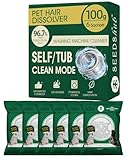
- TAR Score9.3
TAR Score is a ranking system developed by TopAppliancesReviews.com. TAR score has no relationship or impact from any manufacturers or sales agent websites. Learn more
- BrandSeedshub

- TAR Score8.3
TAR Score is a ranking system developed by TopAppliancesReviews.com. TAR score has no relationship or impact from any manufacturers or sales agent websites. Learn more
- BrandNOVELIA
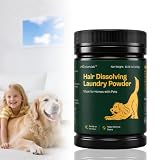
- TAR Score8.0
TAR Score is a ranking system developed by TopAppliancesReviews.com. TAR score has no relationship or impact from any manufacturers or sales agent websites. Learn more
- BrandMicrionixk
Last update on 2026-11-08 / Affiliate links / Images, Product Titles, and Product Highlights from Amazon Product Advertising API
FAQs
Can I clean pet hair out with a vacuum?
Use a vacuum only on dry, reachable surfaces, and keep it away from water and electrical parts. Don’t put a vacuum nozzle into the drum if it could scratch the surface or get caught in the seal. A damp cloth is a simple choice for loose hair inside the washer.
Should I use vinegar to remove pet hair?
Use vinegar only if your washer manual allows it. Never mix vinegar with bleach or another cleaner. Wiping fur away and following the manual’s empty-cycle instructions are safer than adding an unapproved product.
Why is pet hair still on clothes after I clean the washer?
The clothes may have carried more loose fur into the wash than the washer could rinse away. Brush or shake out hairy items before washing, and wash heavily coated blankets separately if their care labels allow it. Also check the seal and any owner-cleanable filter described in the manual.
How often should I clean the washer for pet hair?
Clean it when you see fur left in the drum or seal, and follow the washer manual for routine cleaning. You may need to wipe it more often if you wash pet bedding or clothes covered in loose coat. Check for hair after those loads rather than waiting for it to show up on clean clothes.


10 Best Washing Machine For King Size Comforter of 2026 For Bulky Bedding

11 Best Semi Automatic Washing Machine Under 10000 of 2026 For Apartments and RVs

9 Best Compact Refrigerator For Beer Bottles of 2026 For Upright Bottle Fit

10 Best Quality Semi Automatic Washing Machine of 2026 For Leak-Free Laundry

11 Best Small Washer Machine of 2026 For Everyday Laundry

12 Best Vibration Pads For Washing Machine of 2026 To Stop Walking and Shaking

11 Best Selling Front Load Washing Machine of 2026 For Quiet Odor-Free Laundry

11 Best Washing Machine For King Size Bedding of 2026 To Prevent Cycle Errors





