
How to Clean a Front Load Washer to Stop Mildew Smells

Pull back the rubber door seal right away and look inside the folds for trapped water or black spots. That airtight fold catches leftover soap scum and wet lint after every wash, creating the sour stench that ruins clean laundry. To eliminate the odor completely, wipe out that door seal, scrub the soap drawer, and clear the lower drain trap before running an empty hot cycle.
The exact routine depends on where the gunk is hiding and what cleaner sits in your cabinet. Deep mold on rubber needs a chlorine bleach wipe, while stubborn soap buildup in the inner wash tub breaks down fastest with washing machine cleaner tablets. Some machines also have a dedicated tub clean setting, while older models need the hottest manual cycle. Here is how to tackle each trouble spot step by step so that damp smell never comes back.
Gathering Supplies and Cleaning the Rubber Door Seal
Cleaning a front-load washer requires simple household items and strict chemical safety. Mixing cleaning chemicals is dangerous and can damage your appliance. Never mix chlorine bleach with vinegar or ammonia. Combining bleach and vinegar produces toxic chlorine gas that irritates your eyes and lungs. Choose one cleaning method for your wash session and stick with it.
Before you begin scrubbing, gather your supplies so you do not have to search for rags with wet, soapy hands. A short checklist of cleaning supplies makes the job fast and easy:
- Two or three soft microfiber cloths
- An old toothbrush with soft nylon bristles
- Mild liquid dish soap and warm water
- Liquid chlorine bleach or specialized washing machine cleaner tablets
- A shallow baking pan or small rimmed plastic tray
- Two dry bath towels to catch stray water spills
The thick rubber door seal right inside the door opening is the main source of front-load washer smells. This rubber ring cushions the glass door and prevents water from leaking onto your floor. Because it folds over itself, water, dog hair, lint, and sticky fabric softener settle into the bottom folds after every spin cycle. Over time, that trapped moisture turns into dark, slimy mildew that rubs off onto clean laundry.
- Pull the flexible folds of the rubber door seal back gently using your fingers. Inspect the bottom fold carefully, where dirty wash water tends to pool.
- Remove any solid items stuck in the rubber folds. Loose coins, hairpins, pet fur, and wet clumps of lint often lodge in the small drain holes at the base of the seal.
- Mix two cups of warm water with a squirt of liquid dish soap. For visible black mold spots, mix a solution of one part liquid chlorine bleach to ten parts warm water instead.
- Dip a microfiber cloth into the cleaning liquid and wipe out the entire inner channel of the rubber door seal. Use your fingers to guide the cloth deep inside the rubber lip.
- Scrub persistent black mildew spots with your soft-bristle toothbrush. Never use a stiff wire brush, scouring pad, or sharp scraper, because metal bristles can puncture the rubber door seal and cause major water leaks.
- Wipe the area clean with a fresh cloth dipped in plain warm water. Finish by drying the rubber folds thoroughly with a dry towel so no standing water remains.
Soaking the Soap Drawer and Clearing the Lower Drain Filter
Soap residue collects heavily inside the slide-out soap drawer. Modern liquid detergents and thick fabric softeners do not always wash away cleanly during a cycle. They leave a gummy film across the plastic compartments that attracts black mold spores. When fresh water flushes through a moldy soap drawer, it washes that grime straight into your clean clothes.
Removing the soap drawer takes only a few seconds. Pull the drawer outward until it stops against the safety catch. Look inside the fabric softener compartment for a small plastic release tab, which usually has the word "Push" stamped on it. Press down firmly on this tab with your thumb while pulling the drawer forward, and the entire assembly will slide free from the housing.
Take the drawer apart by popping out the removable siphon caps from the softener and bleach sections. Place all the plastic pieces into a sink filled with hot water and dish soap, and let them soak for ten to fifteen minutes. Scrub away dried detergent crust and dark spots with your soft toothbrush, making sure the narrow siphon tubes are completely clear. While the drawer soaks, take a damp rag and wipe the ceiling of the empty drawer cavity on the washer. Water spray nozzles sit in the roof of this cavity, and damp detergent mist often creates mold patches across the plastic ceiling. Once clean and dry, snap the siphon caps back into the drawer compartments and slide the drawer back into the machine until it clicks.
Next, clean the lower drain trap, also known as the drain pump filter. This small screen sits behind a tiny access door on the lower front corner of your washer. The trap catches buttons, coins, loose threads, and hair before dirty water reaches the electric drain pump. When this screen clogs, the machine cannot drain quickly, leaving stagnant, foul-smelling water sitting in the bottom of the outer tub.
- Spread an old towel flat on the floor directly beneath the small access door, and set your shallow baking pan on top of the towel.
- Open the access door by pressing the latch or gently prying the edge with a flat tool. You will see a round filter handle and, on many models, a small flexible rubber hose with a plug.
- Unclip the small drain hose, pull it out toward your shallow pan, and remove the plug to drain standing water. Once the stream stops, press the plug firmly back into the hose and clip it back into place.
- Twist the round filter knob counterclockwise slowly. More water will trickle out into the pan as the seal loosens.
- Pull the filter insert straight out of the housing. Peel away trapped lint, animal hair, and debris, then rinse the plastic screen under warm running water in your sink.
- Shine a flashlight into the empty pump cavity to check for trapped coins or buttons around the small plastic impeller blades. Slide the clean filter back into the machine and turn it clockwise until it locks tight. A loose filter will leak water across your floor during the next wash cycle.
Sanitizing the Inner Wash Tub and Daily Upkeep Habits
Once you clean the rubber seal, drawer, and drain trap, you must sanitize the inner wash tub. The stainless steel clothes tub that you see looks shiny, but an outer plastic tub surrounds it where grime collects out of sight. Soap scum and body oils build up on the hidden walls of the outer tub, creating an invisible feeding ground for bacteria. Running a dedicated sanitizing cycle with very hot water dissolves this buildup and flushes it down the drain.
- Confirm that the inner wash tub is completely empty, with no stray socks or washcloths stuck to the tub walls.
- Add your cleaning agent directly to the machine. Place one solid washing machine cleaner tablet directly on the floor of the empty stainless steel clothes tub. If you prefer liquid chlorine bleach, pour one-half cup directly into the main detergent cup of the soap drawer. Do not put bleach and a cleaner tablet in together.
- Turn your washer dial to the specialized "Tub Clean" cycle. If your machine does not feature a tub clean setting, select the normal or heavy-duty cycle and manually choose the hottest water temperature available, along with an extra rinse option.
- Start the machine and allow the full cycle to run without interruption. The combination of sustained hot water and active cleaning agents scours soap residue from the outer drum walls.
- Wipe down the inside of the glass door and the front rim of the metal tub with a dry cloth as soon as the cycle ends.
Keeping your front loader clean long-term comes down to everyday airflow and detergent control. Homeowners often ask about deciding if a front-load or top-load washing machine is better for laundry room maintenance. Front-load washers clean clothes thoroughly with very little water, but their airtight door seals trap moisture inside the machine much more easily than top loaders do.
You can prevent mold from ever returning by following a few quick daily habits:
- Leave the washer door cracked open two to three inches between wash days so fresh air dries out the inner wash tub.
- Pull the soap drawer open one inch after running laundry so moisture inside the dispenser housing evaporates.
- Use only low-suds HE (High Efficiency) detergent, and measure it carefully. Normal detergents create too much foam, and using too much soap leaves behind a thick layer of scum that feeds mildew.
- Remove wet laundry from the machine as soon as the chime sounds rather than letting damp clothes sit overnight.
What to Look for in Washing Machine Cleaner Tablets
Washing machine cleaner tablets offer an effective way to dissolve dried soap scum, hard water minerals, and foul odors from the hidden parts of your appliance. Unlike liquid bleach, which kills surface bacteria but does little to break down hardened grease, cleaner tablets are formulated to attack the sticky binders that hold residue against the outer wash tub walls.
When selecting cleaner tablets for a front-load washer, check the packaging for slow-dissolving solid formulations. Front-load washers use small amounts of water, meaning quick-dissolving powders or thin liquids often drain away during the initial pre-wash flush. Solid tablets dissolve gradually as the water heats up, ensuring active ingredients circulate through the entire wash and rinse sequence.
Look for formulas that include enzyme cleaning agents such as protease. These natural enzymes break down organic matter, including pet dander, body oils, and dried laundry starch. If your home has hard tap water, verify that the tablets contain descaling agents. These ingredients dissolve crusty white calcium and lime deposits that coat the heating element and trap foul odors.
Check the product label for septic safety if your home uses a private septic tank. Septic-safe tablets break down without harming the beneficial bacteria in your septic system. Finally, confirm that the tablets carry an HE certification, ensuring they clean without producing excess foam that could confuse your machine's water level sensors or cause pump errors.

- TAR Score9.4
TAR Score is a ranking system developed by TopAppliancesReviews.com. TAR score has no relationship or impact from any manufacturers or sales agent websites. Learn more
- BrandBukeer

- TAR Score9.3
TAR Score is a ranking system developed by TopAppliancesReviews.com. TAR score has no relationship or impact from any manufacturers or sales agent websites. Learn more
- BrandZYRO PLUS

- TAR Score8.9
TAR Score is a ranking system developed by TopAppliancesReviews.com. TAR score has no relationship or impact from any manufacturers or sales agent websites. Learn more
- BrandACTIVE

- TAR Score8.2
TAR Score is a ranking system developed by TopAppliancesReviews.com. TAR score has no relationship or impact from any manufacturers or sales agent websites. Learn more
- BrandTrue Fresh
- TAR Score7.9
TAR Score is a ranking system developed by TopAppliancesReviews.com. TAR score has no relationship or impact from any manufacturers or sales agent websites. Learn more
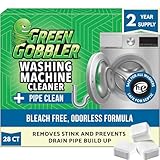
- BrandGreen Gobbler
Last update on 2026-11-03 / Affiliate links / Images, Product Titles, and Product Highlights from Amazon Product Advertising API
FAQs
Can I use vinegar and baking soda together to clean my front load washer?
Mixing vinegar and baking soda together is not effective because the acid in vinegar cancels out the base in baking soda, leaving you with salty water. If you want to use both, run a hot cycle with one cup of baking soda in the drum to scrub away grime, then run a second hot cycle with two cups of white vinegar in the soap drawer to cut mineral scale. Never combine vinegar with chlorine bleach, because that creates dangerous chlorine gas.
How often should I clean my front load washing machine?
Clean your front-load washer once a month, or roughly after every thirty wash cycles, to keep mildew smells from developing. If you wash heavily soiled work clothes, pet bedding, or cloth diapers frequently, clean the rubber door seal every two weeks. The lower drain trap should be inspected and rinsed out every three to four months to keep water pumping out freely.
Why does my front load washer still smell after running a cleaning cycle?
A persistent sour smell after a cleaning cycle usually points to decaying lint trapped inside the lower drain trap or hidden mold deep behind the rubber door seal folds. A hot wash cycle cleans the metal tub, but water cannot always flush out the lower pump filter or scrub the rubber folds. Manually remove and rinse the lower drain filter, and wipe out the rubber door seal folds by hand with a bleach-dampened cloth to eliminate the trapped odor source.


10 Best Washing Machine For King Size Comforter of 2026 For Bulky Bedding

11 Best Semi Automatic Washing Machine Under 10000 of 2026 For Apartments and RVs

9 Best Compact Refrigerator For Beer Bottles of 2026 For Upright Bottle Fit

10 Best Quality Semi Automatic Washing Machine of 2026 For Leak-Free Laundry

11 Best Small Washer Machine of 2026 For Everyday Laundry

12 Best Vibration Pads For Washing Machine of 2026 To Stop Walking and Shaking

11 Best Selling Front Load Washing Machine of 2026 For Quiet Odor-Free Laundry

11 Best Washing Machine For King Size Bedding of 2026 To Prevent Cycle Errors





