Can You Freeze Celery Juice Without Losing Nutrients?

Fresh green liquid fills the counter, wet pulp clogs the sink, and nobody wants to wash juicer parts before work tomorrow. Yes, you can freeze celery juice to cut down on daily kitchen chores. It stays safe in the freezer for up to six months, though drinking it within two to three months delivers the freshest taste and the best nutrient quality.
Good results depend on a few simple storage habits. Liquid expands as it turns to ice, so leaving an inch of empty space at the top keeps glass containers from cracking. Tight, airtight lids protect the delicate flavor from stale freezer odors. Slow thawing in the refrigerator also protects the drink far better than rushing it with heat. Here is how freezing affects your juice, which containers work best, and how to thaw each serving safely.
Does Freezing Destroy Celery Juice Nutrients and Taste?
Freezing acts like a pause button for your fresh juice. The moment you press celery through a juicer, the liquid meets air and light. This exposure starts a natural breakdown called oxidation (air spoiling the freshness and color of the juice). Putting your freshly pressed juice straight into a home freezer running at zero degrees Fahrenheit slows that chemical reaction down to a crawl. The cold stops spoilage bacteria from multiplying and locks nutrients in place until you are ready to drink.
Most beneficial nutrients in celery hold up exceptionally well to freezing temperatures. Minerals such as potassium, magnesium, calcium, and natural sodium compounds do not break down in the cold. Beneficial plant antioxidants, including apigenin and luteolin, also remain chemically stable when frozen. Water-soluble vitamins, especially vitamin C and folate, can slowly decrease over several months in cold storage, but the loss is modest. Drinking your frozen juice within two to three months preserves the vast majority of these original vitamins and plant compounds.
Freezing preserves fresh juice far better than letting it sit in your refrigerator. In the fridge, fresh celery juice begins losing flavor, color, and nutritional value within 24 to 48 hours. By day three, bacteria multiply and oxidation destroys more vitamins than freezing ever would. Freezing also keeps the liquid raw. When people explore how to make juice shelf stable, they often evaluate high-heat water canning. While heat processing creates shelf life at room temperature by killing microorganisms, high heat permanently alters delicate enzymes and changes the fresh vegetal taste. Freezing keeps those enzymes intact without cooking the juice.
The flavor and mouthfeel of frozen celery juice change only slightly. Because fresh celery juice is roughly 95 percent water, freezing creates microscopic ice crystals that expand within the liquid. Once thawed, the juice may feel slightly lighter or thinner on your tongue than juice sipped straight from the juicer spout. But the flavor remains bright, grassy, and slightly salty-sweet, provided you keep the container airtight so it does not absorb stale freezer odors.
Best Containers to Prevent Cracks, Freezer Burn, and Leaks
Water expands by roughly nine percent as it turns from liquid into solid ice. Because celery juice is mostly water, that expansion creates outward pressure inside any sealed vessel. If that expanding ice has nowhere to go, it shatters rigid glass or splits plastic seams. Choosing the right container shape and material keeps your freezer clean and your juice protected.
Glass jars are popular because they do not hold lingering odors and wash clean easily. But you must use the right style of glass. Never freeze juice in standard jars with curved shoulders that taper toward the neck. As ice expands upward, those curved shoulders block the frozen juice, channeling pressure outward and cracking the glass. Always choose straight-sided, wide-mouth jars where the opening matches the base. You must also guard against thermal shock (glass breaking from fast temperature changes). Never pour warm liquid into cold glass, and never run hot water over a frozen glass bottle to speed up thawing.
Food-grade plastic bottles offer a practical, shatterproof alternative. Thick plastic bottles made from food-safe polyethylene or PET flex naturally as ice expands. They will not shatter if dropped on a tile floor, and they take up less space in a crowded freezer. If you choose plastic, confirm the label states it is food-grade and BPA-free so no plastic odors leach into your drink.
Silicone freezer molds and ice cube trays work well for smaller, flexible portions. Pouring juice into large silicone cube trays creates convenient two-ounce blocks. Once the green cubes freeze solid, pop them out of the mold and store them in a freezer bag. You can pull out a couple of cubes whenever you want to chill a smoothie or add a fast splash of green juice to water without waiting hours for a whole bottle to thaw.
Regardless of container material, the lid seal requires careful attention. Celery juice easily absorbs surrounding odors from frozen fish, onions, or old frost. Always use containers with tight screw lids fitted with silicone gaskets. A solid seal keeps off-flavors out and stops freezer burn, which happens when cold air pulls moisture out of the top layer of juice, leaving behind a brown, oxidized ring.
How to Freeze and Thaw Celery Juice Step by Step
Freezing juice right after pressing preserves the highest level of nutrients. Prepping three to six portions at once saves you from assembling, running, and washing your juicing equipment every single morning. Follow these simple steps to freeze your juice without mess or broken containers:
- Juice and skim the froth: Feed washed celery through your juicer. If your machine leaves a thick layer of green froth on top, skim it off with a spoon. Froth traps oxygen bubbles that cause oxidation during freezing.
- Divide into single portions: Pour your fresh juice into individual 8-ounce, 12-ounce, or 16-ounce containers. Freezing single servings allows you to thaw only what you plan to drink each morning. Never freeze juice in a large multi-serving jug, because you cannot safely refreeze thawed leftovers.
- Leave enough headspace: Always leave headspace (the empty space left at the top of the bottle). Leave at least one to one and a half inches of empty space between the liquid line and the top rim. This gives the juice room to expand upward as it freezes into ice.
- Wipe the rim and cap tightly: Wipe any spilled juice off the container threads with a clean paper towel so the lid does not freeze shut. Screw the cap on securely. Stick a piece of freezer tape on the side and write the preparation date with a permanent marker.
- Freeze upright in the coldest zone: Place the bottles standing upright near the back wall of your freezer. Keep them upright until frozen completely solid so liquid does not freeze against the seal. Avoid storing unsealed or freshly filled bottles in the freezer door, where temperatures fluctuate when the door opens.
Checklist for Thawing Celery Juice Safely
Gentle thawing protects the raw qualities of your juice and prevents bacterial growth. Keep this practical checklist in mind each time you prepare a bottle to drink:
- Move the frozen bottle from the freezer into your refrigerator 12 to 24 hours before drinking.
- Place a small saucer underneath the container to catch condensation droplets as the ice melts.
- Leave the container lid tightly closed during thawing to lock out food smells inside the fridge.
- Keep the bottle away from the microwave, hot water baths, or warm kitchen counters.
- Shake the bottle vigorously for ten seconds right before opening to recombine the separated layers.
- Drink the entire bottle within 24 hours of complete thawing for optimal flavor and freshness.
When you pull the thawed bottle out of the refrigerator, you may see watery green liquid sitting beneath a floating layer of green pulp. This appearance is normal. This process is separation (juice settling into liquid and pulp layers). Fresh raw juice lacks artificial thickeners to keep solids and liquids bonded. When water freezes and thaws, heavier plant fibers naturally unbind from the water molecules. A quick, vigorous shake easily restores the smooth consistency.
Frozen celery juice stays safe to drink for up to six months when held at zero degrees Fahrenheit, though drinking it within two to three months delivers the freshest taste. After that point, flavor slowly fades. Once you thaw a bottle in the refrigerator, consume it within a single day. If you leave a thawed bottle sitting in your fridge for three or four days, check it carefully. Discard the juice immediately if it smells sour, fermented, or musty. If the cap hisses with gas pressure when opened, or if you spot tiny bubbles rising, wild yeasts have begun fermenting the sugars. Safe celery juice should always smell crisp, clean, and grassy.
What to Look for in Storage Bottles and Batch Prep Gear
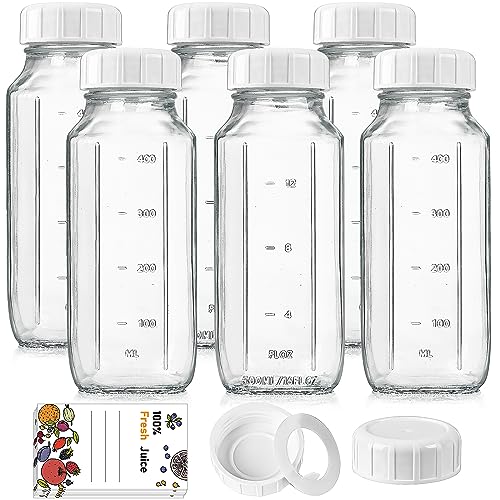
Building an effortless batch-juicing habit comes down to choosing the right storage bottles and tools for your kitchen. When selecting containers to freeze raw juice, look for models sized between 12 and 16 ounces. Single-portion bottles keep your mornings streamlined because you grab one serving without worrying about storing half-empty thawed containers.
Pay close attention to the geometry of the container. Square bottles fit neatly against each other in standard freezer drawers, saving valuable shelf space and keeping containers from rolling sideways. If you choose glass, verify that the bottle features completely straight walls without a narrow neck, ensuring expanding ice can slide upward freely. For plastic options, look for thick, food-grade materials that resist cracking when exposed to sub-zero temperatures.
Check the lid mechanism before purchasing any set of bottles. The best freezer bottles feature heavy screw caps fitted with removable silicone gaskets or integrated airtight sealing rings. These seals stop ambient freezer smells from contaminating your drink and prevent leaks if a bottle tips over. Built-in capacity markings along the side are also helpful, letting you pour exact portions while leaving the required headspace without manual measuring.
- TAR Score9.8
TAR Score is a ranking system developed by TopAppliancesReviews.com. TAR score has no relationship or impact from any manufacturers or sales agent websites. Learn more
- BrandSyntic

- TAR Score9.0
TAR Score is a ranking system developed by TopAppliancesReviews.com. TAR score has no relationship or impact from any manufacturers or sales agent websites. Learn more
- BrandPUR360

- TAR Score8.8
TAR Score is a ranking system developed by TopAppliancesReviews.com. TAR score has no relationship or impact from any manufacturers or sales agent websites. Learn more
- BrandLeaflai

- TAR Score8.6
TAR Score is a ranking system developed by TopAppliancesReviews.com. TAR score has no relationship or impact from any manufacturers or sales agent websites. Learn more
- BrandLaPura

- TAR Score8.6
TAR Score is a ranking system developed by TopAppliancesReviews.com. TAR score has no relationship or impact from any manufacturers or sales agent websites. Learn more
- BrandVitalute

- TAR Score7.6
TAR Score is a ranking system developed by TopAppliancesReviews.com. TAR score has no relationship or impact from any manufacturers or sales agent websites. Learn more
- BrandMERAKI

- TAR Score7.4
TAR Score is a ranking system developed by TopAppliancesReviews.com. TAR score has no relationship or impact from any manufacturers or sales agent websites. Learn more
- BrandLakewood

- TAR Score7.2
TAR Score is a ranking system developed by TopAppliancesReviews.com. TAR score has no relationship or impact from any manufacturers or sales agent websites. Learn more
- BrandGOCE
Last update on 2026-09-29 / Affiliate links / Images, Product Titles, and Product Highlights from Amazon Product Advertising API
FAQs
Can you thaw frozen celery juice on the counter at room temperature?
You should avoid thawing celery juice at room temperature on your kitchen counter. As the outer edges thaw, that liquid warms into the food safety danger zone between 40 and 140 degrees Fahrenheit while the center remains frozen. Bacteria can multiply rapidly in that warm outer layer before the rest of the bottle melts. Always thaw your juice slowly inside the refrigerator overnight to keep it cold and safe.
Can you refreeze celery juice after it has already thawed?
Never refreeze celery juice once it has thawed completely. Freezing ruptures cellular structures once, and freezing a second time further damages the liquid, creating a watery texture and accelerating nutrient loss. Repeated temperature shifts also increase the risk of bacterial growth. If you thaw a bottle, drink it within 24 hours, and discard any leftover portion you cannot finish.
Does freezing celery juice change its color?
Freezing causes a very slight darkening of the natural green color, but properly stored juice should remain vibrant green. If your thawed juice looks dull olive or brownish-grey, the container allowed air inside, leading to heavy oxidation. Using airtight seals and leaving only the recommended amount of headspace keeps the color bright and fresh throughout its time in the freezer.


Best Vitamix Immersion Blender Reviews: Top Choices for 2026

Banish Cramps with Homemade Pickle Juice: A Guide
Unravel the Secrets: How to Make Snake Juice at Home

Pear Juice: Unveiling the Health Benefits

Decoding the Effects: Is Pickle Juice a Laxative?

Unveiling the Truth: Is Cold Pressed Juice Pasteurized?
Is Pickle Juice Good for Plants? Unraveling the Truth

Orange Juice vs. Apple Juice: Uncovering the Better Choice