
Can Bed Bugs Die in the Washing Machine? What Heat Works

A sudden glimpse of a tiny reddish insect crawling along a pillowcase seam sends anyone straight to the laundry room in a panic. A washing machine can eliminate bed bugs, but water and detergent alone will not kill them. These pests easily survive normal washing, meaning sustained high heat is what actually destroys both the bugs and their eggs.
Everything depends on water temperature and what happens after the wash. Cool or warm water lets pests survive, so the tub must reach at least 120 degrees Fahrenheit. Transferring the load directly into a hot dryer for thirty minutes is just as vital, because dry heat penetrates deep seams where water cools down. Carrying items in sealed bags also prevents stragglers from falling onto carpets. Here is how to run each load safely so nothing survives.
Can water and soap drown bed bugs?
Bed bugs do not drown easily in plain water. These pests have tiny, flat bodies that can trap small air pockets against their shells, allowing them to survive being submerged for hours. In cooler water, adult bugs and nymphs (baby bed bugs) can stay alive under water for a day or more. Simply soaking your sheets in a tub or running a standard cycle with lukewarm water will not drown them.
Standard laundry detergent also does not kill bed bugs on contact. Soap lowers the surface tension of water and helps wash away dirt and oils, but it is not a direct poison to these insects. Some bugs may get washed down the drain line when the built-in drain pump pushes the dirty wash water out of the machine. However, many bugs simply cling to deep sheet seams, pillowcase hems, or the woven fibers of heavy blankets inside the inner wash basket.
Relying on water agitation and soap alone leaves you at risk. When the spin cycle ends, surviving bugs can crawl out of the damp laundry and spread into your laundry room. Water movement loosens them, but only temperature can finish the job. If you want to stop an active infestation (bugs spreading in the home), you must introduce heat.
Does cold or warm water kill bed bugs?
Cold water cycles have no negative effect on bed bugs. Running your clothes on tap cold or delicate wash settings will leave adult bugs, baby bugs, and eggs completely alive. Warm water settings, which typically reach between 90 and 105 degrees Fahrenheit in home washing machines, are also not hot enough to hurt them. Bed bugs can easily survive a standard warm wash and walk out on your clean laundry.
To eliminate them, your wash water must reach a lethal temperature (heat high enough to kill bugs). Adult bed bugs and nymphs begin dying when exposed to sustained temperatures of 120 degrees Fahrenheit or higher. Their eggs are noticeably tougher and require temperatures of at least 125 degrees Fahrenheit for several minutes to break down the protective outer shell and destroy the embryo inside.
The problem is that many home water heaters are set to 120 degrees Fahrenheit at the tank to avoid accidental burns. By the time that hot water travels through household pipes and enters a cold stainless steel clothes tub, the water temperature can drop by 10 to 15 degrees. A standard hot wash might only sit at 105 to 110 degrees inside the tub. Choosing a long, heavy-duty cycle helps, but standard residential hot wash cycles often fall just short of the heat needed to guarantee a total kill on their own. This is why pairing the wash cycle with extreme dryer heat is essential.
How do you safely wash and dry infested laundry?
Getting infested sheets and clothing clean requires a strict routine. If you carry loose laundry across your home, you risk dropping bugs onto carpets, hallway baseboards, and living room furniture. Follow these five steps to isolate the bugs and treat your laundry safely:
- Bag everything inside the infested room: Strip the bed sheets, pillowcases, blankets, and nearby clothing directly into heavy-duty plastic garbage bags. Seal the bags tightly with a knot or strong tape before picking them up. Do not sort your laundry in the bedroom, and do not use a standard open laundry hamper.
- Transfer laundry directly into the machine: Carry the sealed bags straight to your washer. Place the mouth of the bag directly inside the open wash tub before untying it. Tip the clothes gently into the drum without shaking the fabric. Immediately knot the used plastic bag, carry it outside, and throw it in an outdoor trash can.
- Wash on the highest heat setting: Select your machine's heavy-duty cycle or sanitize setting. Use the hottest water temperature available on your control panel. Add a standard low-suds HE (High Efficiency) detergent or specialized bed bug laundry detergent pods to lift residue. For machines with specialized cycles, running a washer with an allergen cycle helps keep water at elevated temperatures long enough to weaken the pests.
- Move immediately to the dryer on high heat: While the hot wash weakens bugs and washes many down the drain, the clothes dryer is what truly guarantees they die. Transfer the wet laundry into the dryer drum immediately. Run the dryer on high heat for at least 30 to 45 continuous minutes after the drum reaches full temperature. The dry heat penetrates thick hems and folds that water might not fully treat.
- Seal the clean clothes in fresh bags: When the dry cycle finishes, take the hot laundry out and immediately place it into brand new, clean plastic bags. Seal those bags tightly until your bedroom mattress, frame, and baseboards have been professionally treated. Keeping clean clothes sealed stops bugs still lurking in the room from crawling back into your fresh linens.
What laundry mistakes cause bed bugs to spread?
When dealing with biting pests, panic can cause homeowners to make quick choices that accidentally worsen the problem. Avoid these common mistakes when processing your laundry:
- Carrying open laundry piles through the house: Holding loose sheets against your chest or tossing them into a wicker laundry basket lets frightened bugs drop onto carpets and hallway runners. Always seal dirty fabrics in plastic bags right at the bed.
- Shaking out bedding before loading: Shaking sheets to inspect them or knock off dust flings adult bugs and tiny eggs across the room. Drop items straight into the stainless steel clothes tub with as little movement as possible.
- Overstuffing the wash tub: Cramming the drum full of bulky comforters stops hot water from reaching the center of the load. Pack loads loosely so water currents created by the flat bottom wash plate or center agitator post can push heat completely through the fabrics.
- Skipping the clothes dryer: Hanging clothes on a drying rack or clothesline allows damp, surviving bugs to crawl away and hide behind walls or under appliances. High heat drying is the most reliable step in the entire process.
- Reusing the original laundry hamper: If you put clean, hot laundry back into the same unwashed fabric or wicker hamper you used before, bugs hiding in the hamper seams will crawl right back onto your clean clothes. Wipe plastic hampers with rubbing alcohol or hot soapy water, and wash fabric hamper liners on high heat.
How do you clean delicate clothes that cannot take heat?
Items made of silk, wool, fine lace, or delicate synthetic blends will shrink, warp, or unravel if you wash and dry them on high heat. You cannot risk putting these fabrics through a hot water sanitize cycle, but you also cannot leave them untreated if they were near an infested bed.
One safe approach for delicate dry fabrics is placing them in the clothes dryer on medium heat while completely dry, provided the fabric care label permits warm tumble drying. Dry heat is much gentler on dry fibers than boiling water and wet tumbling. A 30-minute tumble on medium-high heat can reach the lethal temperature needed to kill bugs without the shrinkage caused by hot water agitation.
For garments that cannot enter a dryer under any circumstances, cold treatment is an effective alternative. Seal the delicate clothing in airtight plastic freezer bags, squeeze out the excess air, and place the bags in a chest freezer or kitchen deep freeze set to 0 degrees Fahrenheit or lower. You must leave the items in the freezer continuously for at least four full days. Keep a freezer thermometer next to the bags to verify the temperature stays at or below zero, because standard refrigerator freezers that get opened frequently may not maintain the deep cold required to kill hidden eggs.
Professional dry cleaning is another dependable choice for delicate suits, dresses, and coats. If you choose this route, inform the dry cleaner in advance that the items may have been exposed to bed bugs. Deliver the clothes inside sealed plastic bags so the staff can move them directly into their commercial solvent cleaning machines without endangering their facility.
What washer features help eliminate bed bugs?
If you are dealing with pest concerns or looking for an appliance that handles extreme sanitizing loads, certain washer capabilities make a major difference. Standard washing machines pull hot water directly from your household water tank, which often cools down before the tub fills. Choosing a machine with a built-in water heater allows the appliance to boost water temperatures internally, reaching levels far higher than your home plumbing can safely supply on its own.
Look for washers that include certified sanitize, steam, or deep allergy cycles. These cycles are specifically programmed to sustain extreme temperatures for extended periods, rather than just giving clothes a brief hot rinse. A spacious inner wash basket is also critical because it gives bulky blankets and heavy winter jackets room to tumble freely, ensuring hot water and steam touch every hidden pocket and hem.
Maintenance features also help keep your laundry area clean after washing infested loads. Choosing a washing machine with a self-cleaning tub cycle makes it simple to run an empty, piping-hot wash cycle with high heat after your bedding is done. This rinses away any stray lint, dead insects, or soap scum caught along the tub walls before you wash everyday clothing.

- TAR Score8.2
TAR Score is a ranking system developed by TopAppliancesReviews.com. TAR score has no relationship or impact from any manufacturers or sales agent websites. Learn more
- BrandFORMULA 4 BED BUG DETERGENT
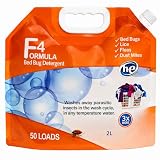
- TAR Score7.6
TAR Score is a ranking system developed by TopAppliancesReviews.com. TAR score has no relationship or impact from any manufacturers or sales agent websites. Learn more
- BrandFormula 4 Bed Bug Solutions
Last update on 2026-10-30 / Affiliate links / Images, Product Titles, and Product Highlights from Amazon Product Advertising API
FAQs
Can bed bugs survive inside the washing machine drum?
Bed bugs do not live or breed inside a washing machine tub once the water drains. Surviving bugs might temporarily hide under the rubber door boot gasket of a front loader or around the lint filter catch, but they cannot survive the extreme heat of subsequent hot washes. Running an empty hot cycle or tub cleaning cycle after your infested loads will flush out any remaining debris.
Do you need to wash clean clothes if they were near the bed?
Yes, you should treat clean clothes that were stored on an open rack, in open bins, or in nightstand drawers right next to the bed. Bed bugs travel several feet from the mattress during the night to seek dark, undisturbed crevices between folded shirts and pants. If the clothes are already clean, you can skip the washing machine and simply run them through a 30-minute high-heat dryer cycle to kill any hidden bugs.
Will standard laundry detergent kill bed bug eggs on contact?
No, standard laundry detergent cannot penetrate or dissolve the protective coating on bed bug eggs. Detergent helps remove body oils and loosen debris from fabric fibers, but the eggs will survive the soap alone. Only sustained exposure to water or air temperatures of 120 to 125 degrees Fahrenheit or higher will destroy the eggs inside the fibers.
When should you call a professional exterminator?
You should call a pest control professional immediately upon confirming you have bed bugs. While washing and drying your bedding on high heat completely clears your clothing and sheets, it does not fix bugs hiding inside your mattress core, box spring, headboard, baseboards, or wall outlets. Laundry is only one part of an effective treatment plan, and professional heat or targeted chemical treatments are usually required to clear the entire room.


10 Best Washing Machine For King Size Comforter of 2026 For Bulky Bedding

11 Best Semi Automatic Washing Machine Under 10000 of 2026 For Apartments and RVs

9 Best Compact Refrigerator For Beer Bottles of 2026 For Upright Bottle Fit

10 Best Quality Semi Automatic Washing Machine of 2026 For Leak-Free Laundry

11 Best Small Washer Machine of 2026 For Everyday Laundry

12 Best Vibration Pads For Washing Machine of 2026 To Stop Walking and Shaking

11 Best Selling Front Load Washing Machine of 2026 For Quiet Odor-Free Laundry

11 Best Washing Machine For King Size Bedding of 2026 To Prevent Cycle Errors







