
Best Waffle Maker and Panini Press 2026 Picks

A best waffle maker and panini press can earn its countertop space by handling breakfast, lunch, snacks, and quick dinners without turning the kitchen into a pile of dirty pans. Crisp Belgian-style waffles may be the first attraction, but a hinged cooking surface also opens the door to toasted sandwiches, quesadillas, hash browns, grilled vegetables, and reheated pizza with a firmer crust. That flexibility matters in a small kitchen where every appliance has to pull its weight. Still, a combo machine won’t automatically excel at both jobs, so plate shape, hinge movement, heat control, and cleaning effort deserve a close look.
Removable cooking plates make the biggest difference after the meal is finished. Batter has a habit of creeping into corners, while melted cheese can harden around plate edges before anyone notices. Plates that release from the body can usually be washed more thoroughly than fixed grids, and dishwasher-safe parts take some sting out of busy mornings. Fixed plates aren’t always a deal breaker, though, especially when the nonstick coating releases food cleanly and the channels don’t trap crumbs in awkward seams.
A floating hinge helps thick panini cook without squeezing the filling out the sides. Thin hinges often press hardest near the back, leaving the front edge pale or barely sealed. Wider height adjustment creates more even contact with sourdough, stuffed wraps, and layered sandwiches, but bulky hinges can make the appliance harder to store upright. So, there’s a tradeoff: better sandwich clearance usually means a little more cabinet or counter space.
Adjustable temperature control brings more value than a single ready light. Waffle batter benefits from steady heat that browns the exterior before the center dries out, while sandwiches may need gentler cooking to warm the filling without scorching the bread. Separate shade or time settings are useful for households where one person likes a pale, tender waffle and someone else wants a deep, crunchy finish. Basic models can still do the job, but they demand closer attention and may need a practice batch before the timing feels right.
Grease handling deserves attention, too. A removable drip tray catches butter, oil, and cheese before they reach the counter, yet shallow trays can overflow during greasy foods or large batches. Sloped plates guide runoff better for burgers and vegetables, although that angle may spread waffle batter unevenly if the machine isn’t designed to level itself. A locking lid also helps with upright storage, but the latch should feel sturdy rather than flimsy or overly tight.
The strongest waffle maker and panini press combo isn’t necessarily the model with the longest feature list. Reliable heat distribution, plates that match the foods cooked most often, and a cleanup routine that doesn’t feel like punishment matter far more. A large four-slice surface makes sense for batch cooking, while a compact two-section design suits narrow counters and smaller portions. Realistic expectations help here: one appliance can cover several jobs well, but specialized waffle irons may still produce deeper pockets, and dedicated presses may offer more room for oversized sandwiches.

- TAR Score9.2
TAR Score is a ranking system developed by TopAppliancesReviews.com. TAR score has no relationship or impact from any manufacturers or sales agent websites. Learn more
- BrandCATTLEMAN CUISINE

- TAR Score8.8
TAR Score is a ranking system developed by TopAppliancesReviews.com. TAR score has no relationship or impact from any manufacturers or sales agent websites. Learn more
- BrandCuisinart

- TAR Score8.8
TAR Score is a ranking system developed by TopAppliancesReviews.com. TAR score has no relationship or impact from any manufacturers or sales agent websites. Learn more
- BrandTaylor Swoden

- TAR Score8.8
TAR Score is a ranking system developed by TopAppliancesReviews.com. TAR score has no relationship or impact from any manufacturers or sales agent websites. Learn more
- BrandBaker's Friend

- TAR Score8.6
TAR Score is a ranking system developed by TopAppliancesReviews.com. TAR score has no relationship or impact from any manufacturers or sales agent websites. Learn more
- BrandOVENTE
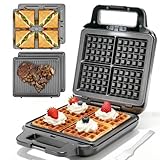
- TAR Score8.6
TAR Score is a ranking system developed by TopAppliancesReviews.com. TAR score has no relationship or impact from any manufacturers or sales agent websites. Learn more
- BrandFineMade
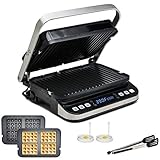
- TAR Score8.4
TAR Score is a ranking system developed by TopAppliancesReviews.com. TAR score has no relationship or impact from any manufacturers or sales agent websites. Learn more
- BrandYEDI HOUSEWARE
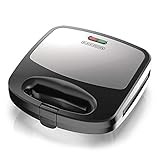
- TAR Score8.4
TAR Score is a ranking system developed by TopAppliancesReviews.com. TAR score has no relationship or impact from any manufacturers or sales agent websites. Learn more
- BrandBLACK+DECKER

- TAR Score8.4
TAR Score is a ranking system developed by TopAppliancesReviews.com. TAR score has no relationship or impact from any manufacturers or sales agent websites. Learn more
- BrandAigostar
Last update on 2026-08-13 / Affiliate links / Images, Product Titles, and Product Highlights from Amazon Product Advertising API
CATTLEMAN CUISINE 6-in-1 Grill Review
Countertop grills often promise six jobs and perform only two of them convincingly. This model takes a more serious swing at versatility, pairing reversible grill plates with dedicated waffle plates, a wide-opening lid, and a built-in temperature probe. For anyone comparing the best waffle maker and panini press options, the CATTLEMAN CUISINE grill stands out because it can handle breakfast batter, thick sandwiches, griddled lunches, and meat without requiring a different appliance for every meal. The tradeoff is clear, though: all that flexibility brings more parts, a broader learning curve, and a countertop footprint that needs some breathing room.
CATTLEMAN CUISINE 6-in-1 Panini Press
The basic concept is refreshingly practical. Two reversible removable plates provide a smooth griddle surface on one side and raised grilling ridges on the other, while a separate pair of waffle plates changes the machine into a double waffle maker. That arrangement gives the grill six stated cooking modes: contact grill, sandwich press, full grill, full griddle, half grill and half griddle, and waffle maker. Instead of squeezing several shallow functions into permanently fixed plates, the design lets each surface take on a more believable cooking role.
A quick breakfast shows why that setup matters. The smooth side can cook pancakes, tortillas, eggs, or hash browns without leaving unnecessary grill lines, and the waffle plates create defined pockets that hold syrup rather than letting it skate across a flat surface. Later in the day, flipping the reversible plates exposes the striped side for burgers, vegetables, chicken, or steak. The plate-swapping system won’t eliminate every pan in the kitchen, but it can reduce the usual shuffle between a skillet, waffle iron, and sandwich press.
The package includes the grill body, a smart probe, two reversible grill plates, two waffle plates, and a manual. That’s a fairly complete kit, especially since the waffle function doesn’t require buying an accessory later. The removable plates release with a button and can go into a dishwasher, which matters after cheese bubbles out of a panini or waffle batter dries around the edges. A detachable drip tray also catches runoff, keeping grease from pooling beneath the appliance or spreading across the counter.
Heating Power And Everyday Cooking Control
The 1600-watt heating system is one of the machine’s stronger specifications. It reaches temperatures up to 450°F, giving it enough headroom for browning bread, crisping waffle edges, and developing a seared surface on meat. High wattage doesn’t guarantee flawless heat distribution, but it usually helps a grill recover faster after cold food lands on the plates. That recovery can be the difference between a sandwich that browns promptly and one that slowly steams while its cheese leaks out.
Preheating deserves attention because the manufacturer specifically recommends waiting before adding food. At higher settings, the warm-up period may stretch longer than expected, so starting around 400°F and increasing the temperature afterward can be a more manageable approach for frying or searing. The display shows “pre” during warm-up, then flashes and sounds a tone once the cycle is complete. That distinction is useful, although the flashing indicator may take a meal or two to become second nature.
Independent time and temperature information appears on the LCD display, controlled through buttons and a central knob. Holding the knob for five seconds in standby mode switches the temperature display, a small detail that saves frustration for anyone who prefers a different temperature scale. The controls sound more involved than a basic red-light waffle iron, but they also offer far more authority over browning and doneness. A rushed weekday cook may stick with a few familiar settings, while a weekend meal leaves room to adjust the heat for different ingredients.
Merging the two grill plates together can shorten preheating because both heated surfaces face one another. That closed configuration also suits panini, grilled cheese, and thin cuts of food that benefit from heat on both sides. Opened flat, the appliance provides a larger cooking area for breakfast batches or mixed foods, though each side may need its own attention as ingredients finish at different speeds. The full-griddle layout is useful, but it also demands more counter depth than the closed contact-grill position.
Hinge Design And Sandwich Performance
Thick sandwiches expose the weak spot in many countertop presses: a rigid lid that crushes the back edge while barely touching the front. CATTLEMAN CUISINE uses a double-damping hinge that rotates through 180 degrees and can stop at different angles without requiring a separate height gear. That allows the upper plate to settle more naturally over a tall Cuban sandwich, stuffed focaccia, or layered panini. One-handed positioning also sounds less fiddly than adjusting notches while trying to keep the filling from sliding out.
The floating action should make pressure more even, but no hinge can completely rescue an overloaded sandwich. Too much filling will still push cheese, sauces, and vegetables toward the edges, especially once the bread softens under heat. A sensible build with evenly distributed ingredients will make better use of the adjustable lid position than a towering stack held together by optimism. There’s also a practical benefit to the 180-degree opening: both plates can become active cooking surfaces rather than leaving the top half idle.
The foldable rear bracket angles the machine so grease moves toward the drip tray more quickly. That slope can reduce lingering fat around burgers or bacon and may help limit some grease smoke during cooking. Still, liquid batter and loose eggs behave differently from meat drippings, so the bracket position should match the food on the plates. The grease-management design makes sense, but it isn’t a set-it-and-forget-it feature for every recipe.
Sandwich results will also depend on temperature rather than pressure alone. Aggressive heat can darken bread before a dense filling warms through, while low heat may dry the sandwich during a long cooking cycle. Starting moderately and adjusting after the first batch is the sensible route, particularly with thick sourdough or refrigerated ingredients. This kind of control is why the unit has a stronger claim among waffle maker and panini press combos than simpler models with one fixed heat level.
Smart Probe For Meat And Grilled Meals
The included smart meat thermometer adds a function that most waffle and sandwich machines skip entirely. Instead of repeatedly opening the lid, slicing into meat, or checking with a separate handheld thermometer, the probe can remain in place while the food cooks. Five probe settings are available, and the grill sounds an alert once the selected internal temperature is reached. That setup can make chicken breasts, steaks, burgers, and thicker cuts less dependent on guesswork.
A probe is only helpful when it’s placed correctly. The tip needs to sit near the center of the thickest section without touching bone, the cooking plate, or a large pocket of fat. Thin foods may not leave enough room for stable placement, so the thermometer has more value with substantial cuts than with a pressed sandwich or a narrow strip of meat. The temperature alert supports better timing, but it still asks for basic care during setup.
Independent probe control also gives the machine a more focused grilling identity. Many multipurpose appliances treat meat as a secondary task, relying on generic timers and broad temperature labels. Here, the cook can monitor the inside of the food while the 450°F ceiling handles surface browning. That combination won’t replace the smoky flavor of an outdoor grill, yet it can make indoor cooking more predictable during cold weather, apartment living, or a family gathering where running outside every few minutes gets old fast.
From a practical angle, a separate household-appliance reference is the best mini electric clothes dryer guide, which covers compact laundry equipment rather than cooking gear. The subjects are unrelated, so the link doesn’t affect this grill’s features or performance. Its placement simply keeps the supplied resource distinct from the product discussion. No connection between drying clothes and preparing food should be inferred.
Waffle Plates And Breakfast Practicality
Dedicated waffle plates give this machine an edge over grills that merely stamp shallow squares into batter. The paired plates allow two waffles to cook at once, which cuts down the stop-and-start routine of making breakfast one serving at a time. The nonstick coating should help release cooked waffles with less tearing, provided the surface isn’t scratched by metal utensils or scrubbed with harsh pads. A light, even coating of oil may still help with certain batters, especially recipes containing less fat.
Heat up to 450°F sounds impressive, but waffles rarely need the machine’s maximum setting. Excess heat can brown the exterior quickly while leaving a softer center, particularly with thick batter. A moderate setting after full preheating gives moisture more time to escape, helping the surface turn crisp rather than merely dark. The adjustable temperature is valuable here because pale, tender waffles and deeply browned waffles shouldn’t be forced through the same fixed cycle.
Batter quantity will take a little practice. Too little leaves incomplete corners and uneven pockets, while too much escapes the plate and creates a sticky cleanup job around the hinge. The instruction to preheat first matters because batter placed on a cool surface spreads and cooks differently from batter hitting an evenly heated plate. Once the proper portion becomes familiar, the double-waffle setup should move breakfast along without the long queue created by a single small iron.
Plate changes also make savory waffle experiments more realistic. Shredded potatoes, cornbread batter, or other thick mixtures can cook between the patterned surfaces, although ingredients with loose cheese or heavy oil may require extra cleanup. The dishwasher-safe plates ease that burden, but the grill body and hinge area still need wiping by hand. That’s the recurring compromise with a removable-plate waffle maker: the main cooking parts are easier to wash, while the larger appliance has more seams and storage pieces to manage.
Pros Of The CATTLEMAN CUISINE Grill
Versatility is the clearest advantage. The reversible grill-griddle plates and separate waffle plates let one machine handle foods that normally require several countertop appliances. Contact cooking speeds up sandwiches and thinner meats, while the flat 180-degree position creates more surface area for pancakes, tortillas, vegetables, or mixed breakfast items. That range is genuinely useful rather than decorative because the physical plate surfaces actually change with the cooking mode.
Removable dishwasher-safe plates solve one of the ugliest problems with fixed-plate presses. Melted cheese, sugary waffle residue, and cooked-on oil are much easier to address when the plates can be carried to the sink. The detachable drip tray and angled bracket add another layer of cleanup control. No indoor grill cleans itself, but this arrangement reduces the amount of awkward wiping around heating surfaces.
Temperature control and probe monitoring make the appliance more capable than a basic sandwich maker. The 1600-watt system supports quick cooking and high-temperature browning, while the timer, LCD, preheat alert, and five probe modes provide useful feedback. Thick meat benefits most from the probe because the lid can stay closed during cooking. Less heat escapes, and the surface continues browning without repeated interruptions.
The 180-degree damping hinge handles different food thicknesses without a separate stepped adjustment system. It can hover at an angle, close over a sandwich, or open completely for dual-surface cooking. That flexibility is especially handy for uneven foods that would tilt a rigid upper plate. One-handed movement also makes the appliance easier to manage during a busy cooking session.
Cons And Everyday Tradeoffs
The feature list comes with more components to store. Two reversible plates, two waffle plates, a probe, a drip tray, and the main grill body need a designated spot rather than a crowded pile in a cabinet. Small kitchens may struggle with the machine’s flat-open cooking position, particularly when nearby counter space is already occupied. The same versatility that replaces several appliances can still feel bulky if the extra plates wander around loose.
Preheating at higher temperatures may take longer than impatient cooks expect. The manufacturer’s suggestion to begin around 400°F and raise the setting afterward hints that jumping straight to maximum heat isn’t always the fastest or smoothest route. That’s not unusual for a large contact grill, but it does weaken the appeal of spur-of-the-moment cooking. A simple grilled cheese may be finished sooner in a skillet if the appliance starts completely cold.
The control panel has more to learn than a one-switch waffle iron. Understanding the static “pre” display, the flashing completion signal, probe modes, temperature conversion, timing, and separate cooking positions may feel like overkill during the first few uses. The LCD and knob interface offer useful precision, yet they also create more opportunities to press the wrong setting. Keeping the manual nearby at first would be sensible rather than stubbornly guessing.
Nonstick surfaces require gentle treatment, even when the plates are dishwasher-safe. Metal forks, abrasive scrubbers, and careless stacking can shorten the life of the coating, leaving food more likely to cling later. The reversible plates also need to cool before they’re flipped or removed safely. Anyone who changes from pancakes to grilled meat in the same meal will need to plan around hot hardware rather than swapping surfaces instantly.
The grill can cook indoors, in an RV, or during a countertop meal setup, but it still needs appropriate electrical power, ventilation, and a stable heat-resistant surface. “Camping” use therefore depends on access to a suitable outlet or generator rather than true off-grid portability. The 1600-watt power draw may be demanding for some RV electrical systems when other appliances are running. That limitation doesn’t diminish its kitchen role, but it makes the travel claim more conditional than the product description first suggests.
Cuisinart Griddler Indoor Grill And Panini Press
Counter space disappears fast once a waffle iron, skillet, sandwich press, and indoor grill all demand their own parking spot. The Cuisinart Griddler trims that appliance pile by combining five cooking arrangements in one stainless steel machine. Although it doesn’t include dedicated waffle plates, it still belongs in the broader best waffle maker and panini press conversation for kitchens that value pressed sandwiches, pancakes, breakfast meats, burgers, and griddled meals more than deep-pocket waffles. Its strongest appeal isn’t novelty; it’s the ability to switch from a closed contact grill to a wide, flat cooking station without dragging another pan from the cabinet.
Cuisinart Griddler 5-in-1
The five cooking modes cover the routines that usually make a stovetop feel crowded. Closed, the appliance functions as a contact grill or panini press, heating food from above and below at the same time. Opened flat, it becomes a full grill, full griddle, or a split grill-and-griddle surface. That last arrangement is especially handy for mixed meals, since sausages can cook on the ridged side while pancakes or eggs use the flat side.
Cuisinart supplies reversible grill and griddle plates rather than asking the same texture to handle every recipe. Raised ridges give burgers, chicken, vegetables, and sandwiches defined contact points while allowing some grease to move away from the food. Flip the plates over and the smooth surface suits pancakes, French toast, tortillas, eggs, and breakfast potatoes. The change sounds simple, yet it makes the machine noticeably more practical than presses with permanent ridged plates.
The closed position brings speed to grilled cheese and panini because both sides cook at once. Bread develops color without requiring a mid-cook flip, and the top plate applies pressure that helps warm the filling through. Still, sandwich thickness needs some restraint. A heavily stacked panini can push ingredients outward as the bread compresses, so evenly arranged fillings tend to cook more cleanly than a towering sandwich held together by wishful thinking.
Opened flat, the Griddler offers more room for batch cooking, though it also occupies more counter depth. That expanded layout makes sense for weekend breakfasts, burger nights, or meals where several ingredients need different surfaces. A compact galley kitchen may feel cramped once both plates are extended, especially if prep bowls and utensils are already nearby. The fold-flat design adds capacity, but it doesn’t magically create working space around the appliance.
Temperature Control Without Guesswork
Two adjustable control systems separate the Griddler from basic presses that offer little more than an on-and-off light. In grill and panini mode, the heat ranges from warm to sear, giving bread, vegetables, and meat different levels of intensity. Griddle mode uses a temperature range from 200°F to 425°F, which feels more familiar for foods normally cooked in a skillet. Those controls won’t remove every bit of trial and error, but they provide far more direction than a single fixed setting.
Lower griddle temperatures suit eggs, delicate pancakes, or foods that need time to warm without burning. Higher settings help brown hash browns, cook breakfast sausage, or develop a firmer crust on grilled ingredients. The 425°F griddle ceiling supplies enough heat for most countertop meals, though anyone expecting the aggressive surface temperature of an outdoor gas grill should keep expectations grounded. Indoor electric cooking is tidier and more controlled, but it won’t reproduce charcoal smoke or open-flame flavor.
The sear setting has obvious appeal for burgers and steaks, yet thicker cuts still require attention to internal doneness. This model doesn’t include the built-in meat probe found on some newer multipurpose grills, so timing and a separate thermometer remain useful for substantial pieces of meat. That’s a meaningful feature tradeoff: the controls are straightforward and familiar, but they don’t monitor the center of the food for you. Thin chicken cutlets, burgers, and sandwiches fit the contact-grill format more naturally than oversized roasts or unusually thick steaks.
Preheating also matters. Adding cold food too early can slow browning and encourage moisture to collect on the cooking surface, particularly with vegetables or refrigerated meat. Waiting for the appliance to reach the selected temperature gives the plates a better chance to create color instead of gently steaming dinner. It’s a small habit, but proper preheating often separates a crisp sandwich from one that feels warm, pale, and a little limp.
Panini, Breakfast, And Everyday Meals
The Griddler earns its keep most easily during ordinary meals rather than elaborate cooking projects. A weekday grilled cheese can be pressed while soup warms nearby, and a breakfast batch can move from pancakes to sausage without switching appliances. The smooth plates handle batter cleanly, while the ridged side takes over for sandwiches and meat. That day-to-day flexibility is more useful than a long list of specialty modes that rarely leave the manual.
Panini benefit from heat on both sides, especially when the filling includes chilled cheese or cooked meat from the refrigerator. The upper plate shortens cooking time and reduces the need to flip a sandwich in a skillet. Even so, sauces and soft fillings can escape under pressure, so a modest layer works better than an overloaded center. The contact-grill pressure helps create a compact, evenly warmed sandwich, but it can’t prevent a poorly balanced filling from sliding toward the edges.
Breakfast cooking shows another side of the machine. The full-griddle position gives pancakes enough flat space to cook without grill marks, while the split arrangement can keep meat and batter on separate textures. Grease from bacon or sausage is directed toward the removable tray rather than sitting across the entire plate. That’s useful, although the tray still needs checking during a large batch because grease capacity isn’t endless.
This isn’t a true waffle maker in its supplied configuration, and that distinction matters. The reversible plates lack the deep patterned wells needed for traditional waffles, so shoppers focused mainly on Belgian waffles will need a dedicated waffle iron or a compatible accessory specifically confirmed for this model. The Griddler makes more sense as a panini press and griddle with broad meal coverage. Its value comes from grilled sandwiches, breakfast foods, and indoor grilling rather than pretending a flat plate can replace a proper waffle grid.
Cleanup And Countertop Practicality
Removable plates make cleanup far less awkward than wiping around fixed heating surfaces. After cooling, the nonstick grill and griddle plates can be released and placed in the dishwasher, along with the supplied scraping tool. The dishwasher-safe components are particularly welcome after melted cheese hardens near an edge or burger grease settles into the grooves. The stainless steel housing still needs hand wiping, but the messiest parts aren’t permanently attached to it.
The scraping tool helps move stuck crumbs and residue without reaching for a metal utensil that could damage the coating. Gentle handling matters because scratched nonstick surfaces gradually become harder to clean and less reliable at releasing food. Even though the plates are dishwasher-safe, careful stacking and nonabrasive cleaning will help preserve them. The PFAS-free cooking surface is a notable specification, but it still deserves the same cautious treatment as any coated plate.
A removable drip tray collects runoff from grilling and keeps grease from spreading beneath the unit. It slides out for washing, which is easier than tipping a heavy appliance over the sink. Still, liquid can miss the intended channels if the machine sits unevenly or the tray isn’t seated correctly. A quick check before cooking prevents the sort of countertop grease leak that turns a convenient dinner into an unnecessary cleanup session.
Storage presents the familiar multipurpose-appliance compromise. One machine can replace several frequently used cooking tools, but the Griddler is still larger than a basic sandwich maker and needs enough room for its plates, cord, tray, and scraper. Keeping the accessories together avoids the irritating hunt for a missing plate before breakfast. From a practical angle, a separate household reference is the best food blender for elderly guide, which concerns food preparation equipment rather than the grilling functions discussed here.
Pros Of The Cuisinart Griddler
Five cooking configurations give the appliance genuine range without requiring complicated digital menus. Contact grill, panini press, full grill, full griddle, and split-surface cooking cover a broad mix of breakfast, lunch, and dinner foods. The reversible plates support that range with surfaces suited to different ingredients rather than forcing pancakes onto ridges. It’s a sensible design for meals that change from day to day.
Dual temperature controls provide better command than a fixed-heat press. Griddle temperatures from 200°F to 425°F suit everything from gentle egg cooking to stronger browning, while the grill-and-panini dial runs from warm to sear. That separation reduces the temptation to cook every food at the same aggressive temperature. It also makes repeat meals easier once a preferred setting becomes familiar.
Removable dishwasher-safe plates take much of the frustration out of cleanup. Cheese, grease, batter, and crumbs are easier to address away from the electrical base, and the included scraping tool helps clear residue from the surface. The removable drip tray adds another practical layer. These features won’t make cleanup disappear, but they keep it from becoming a reason to leave the appliance unused.
The three-year limited warranty is longer than the short coverage supplied with many small countertop appliances. Warranty length doesn’t predict how a machine will age, yet it gives clearer support boundaries if a covered defect appears. Cuisinart’s established product line also makes the controls and plate system feel less experimental than some feature-heavy alternatives. The machine leans on a familiar mechanical layout rather than an overloaded touchscreen.
Cons And Realistic Limitations
The biggest limitation is simple: no dedicated waffle plates are included. Anyone searching specifically for the best waffle maker and panini press in one box may be disappointed by the lack of a true waffle surface. Pancakes and French toast are well covered, but neither replaces a crisp waffle with deep syrup pockets. This appliance favors grilling and griddling over breakfast specialization.
The Griddler also lacks a built-in food temperature probe. That omission won’t matter for grilled cheese, pancakes, or thin burgers, but thicker meat still needs a separate thermometer for dependable internal readings. The warm-to-sear dial controls plate heat rather than food doneness. Cooks who prefer automated probe alerts may see the straightforward controls as a little old-school.
Large open-flat meals require considerable counter space. The machine’s footprint effectively expands once both cooking surfaces lie side by side, and nearby cabinets may interfere with the lid’s movement in a tight corner. The full-grill position is useful for quantity, but it works best on an uncluttered surface. Small kitchens will need a storage and setup plan rather than assuming the appliance can remain open all day.
Nonstick plates simplify release, yet they introduce long-term care concerns. Scratches from metal utensils, abrasive cleaning, or rough accessory storage can gradually weaken the coating. Dishwasher convenience doesn’t remove the need for careful handling after the cycle ends. The coated cooking plates are practical, but they aren’t as carefree as bare cast iron or stainless steel.
The closed grill can also squeeze juicy or heavily filled foods more than expected. Tall sandwiches may lose ingredients at the sides, while fatty meats can send more liquid toward the drip system in a short period. Smaller portions and balanced layers behave better under the upper plate. That pressure-related limitation isn’t unique to Cuisinart, but it shapes which recipes feel effortless and which require a lighter touch.
Taylor Swoden 11-in-1 Panini Press And Waffle Maker
Breakfast appliances have a funny habit of multiplying until half the counter disappears under cords, plates, and bulky lids. Taylor Swoden takes a different route by combining a waffle maker, contact grill, griddle, sandwich press, and broiler-style cooker in one stainless steel unit. Its broad temperature range, independent upper and lower heat control, and 200-square-inch open surface give it a serious place among the best waffle maker and panini press options. That flexibility sounds tempting, but it also means more settings to learn and more removable parts to store.
Taylor Swoden 11-in-1 Grill
The headline feature is the 11-in-1 cooking system, built around reversible cooking plates, separate waffle plates, and three heating arrangements. The upper element can run alone, the lower element can run alone, or both can heat together. That creates seven physical cooking styles: contact grill, panini press, waffle maker, full griddle, full grill, half grill and half griddle, and top melt. Four menu programs add defrost, reheat, barbecue, and sear functions.
That list sounds long, yet the plate design gives the modes a practical reason to exist. Smooth surfaces suit pancakes, eggs, tortillas, and foods that would stick awkwardly between grill ridges. The ridged side handles burgers, vegetables, chicken, and pressed sandwiches, while the dedicated waffle plates create the patterned pockets a flat grill simply can’t imitate. Swapping plates takes more effort than turning a dial, but the cooking results should match the food more closely.
The upper-broil setting is an unusual addition for a countertop contact grill. With the top heating independently, the lid can melt cheese over an open sandwich or brown the surface of a prepared dish without pressing it flat. That’s useful for tuna melts, open-faced sandwiches, or a quick finishing pass over vegetables. Still, clearance and positioning matter, since food placed too close to the upper plate may brown before the center warms properly.
One appliance covering this much ground can simplify meal prep, especially where cabinet space is tight. Even so, versatility doesn’t erase every compromise. A dedicated waffle iron may offer deeper grids, while a simple panini press may feel quicker because it has fewer controls and accessories. The Taylor Swoden earns its space through range and adaptability, not through single-purpose simplicity.
Independent Heat Makes A Real Difference
Separate control over the upper and lower heating plates is the feature that sets this model apart from many basic grill presses. Both sides don’t always need the same heat, particularly with thick sandwiches or delicate toppings. The independent temperature control lets the bottom build a crust while the top uses gentler heat, reducing the chance of scorching bread before cheese softens. That kind of adjustment becomes more useful once the usual recipes and preferred settings are familiar.
The temperature range runs from 175°F to 450°F, covering low warming duties through stronger grilling and searing. Lower settings suit reheating, slow warming, or keeping food from turning dry while the rest of the meal catches up. Higher temperatures help brown meat, crisp sandwich exteriors, and develop color on vegetables. Indoor electric heat won’t copy charcoal flavor, but steady plate contact can cook quickly and evenly.
Timing can be set from 30 seconds to 60 minutes, which gives plenty of room for short reheating jobs and longer cooking cycles. A timer is especially useful with waffles because lifting the lid too early can tear the surface before it sets. It also reduces the temptation to keep opening the grill during meat or sandwich cooking. Of course, time alone can’t confirm internal doneness, so thick meat still benefits from a separate food thermometer.
Four indicator colors display preheating, ready, cooking, and ending stages. Clear visual feedback cuts down on guesswork, particularly during the first few meals when the control panel still feels unfamiliar. The digital touch screen offers more precision than a pair of mechanical knobs, although grease-covered fingertips and touch controls aren’t always the happiest combination. A quick wipe of the hands before adjusting settings will save some irritation.
Panini And Contact-Grill Performance
The floating lid adjusts to different food thicknesses instead of pressing every sandwich at the same fixed angle. That matters with thick sourdough, stuffed wraps, Cuban sandwiches, and panini loaded with vegetables or sliced meat. A rigid lid often crushes the back edge while leaving the front undercooked, but the floating cover can settle more evenly across the surface. It won’t prevent an overloaded sandwich from spilling, though, so moderation still wins.
Both plates heat the food at once in contact-grill mode, cutting out the mid-cook flip required by a skillet. Bread can brown on both sides while the filling warms in the center, which helps during rushed lunches. The 1600-watt output supports faster heating and better temperature recovery after cold ingredients hit the plates. A full refrigerator-cold sandwich may still need a moderate setting so the crust doesn’t darken before the cheese melts.
The sturdy handle is designed to stay more comfortable during cooking, and that’s no small detail on a machine reaching 450°F. A secure grip makes it easier to raise the upper plate without tilting or dragging it across the food. Still, the plate edges and metal surfaces remain hot, so the anti-scalding handle shouldn’t be mistaken for an entirely cool appliance. Normal caution is still part of the deal.
Top-melt mode broadens the sandwich possibilities beyond fully pressed panini. Open-faced melts keep their height because the lid doesn’t need to clamp down on the bread. Cheese can soften and brown over tuna, tomatoes, vegetables, or leftover meat while the lower plate supports the base. The upper-only heating option makes this feature more controlled than simply hovering a fully heated lid above the food.
Waffle Plates And Breakfast Capacity
Dedicated waffle plates turn this from a grill pretending to make waffles into a proper combination appliance. Batter settles into shaped wells, creating defined edges and pockets for butter or syrup. The nonstick waffle surface should help release each batch without tearing, though low-fat batters may still benefit from a thin coating of oil. Metal utensils are best kept away because a scratched coating won’t release food as cleanly over time.
The cooking temperature can be adjusted instead of relying on one preset heat level. Lower settings allow the center to cook more gradually, while stronger heat creates deeper browning and a crisper exterior. The sweet spot will vary by batter thickness, sugar content, and moisture level. That’s where the digital temperature control becomes more useful than a simple ready light.
Preheating matters with waffles because cool plates encourage batter to spread before the surface begins setting. Once the ready indicator appears, a measured portion can produce more even shape and browning. Too much batter will still creep over the edges, leaving sticky residue around the plate frame. The removable waffle plates make that mistake easier to clean, but careful portioning is less work in the first place.
The open grill provides up to 200 square inches of cooking area, but waffle output depends on the dedicated plate layout rather than the entire flat surface. Breakfast for several people may still require multiple rounds. On the other hand, the griddle configuration can handle eggs, sausage, pancakes, or hash browns alongside the waffle workflow. That mixed capability helps the breakfast cooking system feel more useful than a standalone waffle iron.
Large Surface And Flat-Open Cooking
Opening the appliance 180 degrees creates a 200-square-inch grilling surface for larger batches. Two 12.7-by-8.8-inch plate areas can cook multiple burger patties, vegetables, breakfast foods, or sandwiches at once. That expanded surface can shorten meal prep when several portions need to finish around the same time. Naturally, the footprint grows once the grill lies flat, so enough clear counter depth is essential.
The half-grill and half-griddle arrangement is particularly useful for meals with different textures. Burgers or sausages can cook on ridges while onions, eggs, tortillas, or pancakes use the smooth side. Juices and grease stay more separated than they would in a single skillet. The split-surface setup also avoids forcing delicate foods onto a deeply ridged plate.
Serving up to eight sounds reasonable for lighter foods or mixed batches, but portion size will shape the real capacity. Eight small items fit more easily than eight thick steaks or oversized panini. The large surface is better understood as family-meal capacity rather than commercial output. Crowding every inch can also slow browning because moisture has less room to escape.
The flat position suits year-round indoor cooking, although ventilation still matters with fatty meat or high-temperature searing. The integrated drip tray catches runoff from both surfaces and helps keep grease away from the counter. A level setup is important so liquid follows the intended channels rather than pooling at one edge. The grease drainage system reduces mess, but it needs correct plate placement and regular tray checks.
Cleanup And Storage Details
Removable, reversible plates spare the electrical base from a trip anywhere near the sink. Once cooled, the plates can be released and washed separately, and the product description states that they’re dishwasher-safe. The nonstick coating helps with cooked cheese, waffle batter, and greasy residue that would cling more stubbornly to bare metal. Dishwasher convenience is welcome, though gentle hand washing may reduce rough contact with other utensils.
The coating is described as PFOA-free and BPA-free, offering clearer material information than many generic countertop grills provide. Those claims don’t make the plates immune to scratches, overheating, or abrasive cleaning. Silicone, wood, or heat-safe nylon utensils are a safer match than metal forks or spatulas. Careless stacking can also mark the surfaces, so storing a soft separator between plates makes sense.
The integrated drip tray catches rendered fat and loose cooking juices before they reach the counter. It should be emptied after greasy batches rather than left to cool into a sticky layer. Because the tray is removable, cleanup doesn’t require tipping the whole grill over a sink. The detachable grease tray is a simple part, but it can decide whether the appliance feels convenient or tiresome after dinner.
Storage becomes the awkward side of having several cooking modes. The main body may be compact for its capacity, yet four plates and the associated parts still need a reliable place in a cabinet. Keeping waffle plates separate from reversible grill plates prevents confusion and reduces scratches. From a practical angle, a separate kitchen reference is the best immersion blender for bulletproof coffee guide, which concerns drink preparation rather than the grilling functions covered here.
Pros Of The Taylor Swoden Grill
Independent upper and lower heating gives this appliance more control than a typical contact grill. Different temperatures can be used for bread, toppings, meat, or open-faced dishes without forcing both plates to behave identically. Upper-only heating also supports top melting, while lower-only heat works like a countertop griddle. That flexibility solves several small cooking frustrations that fixed dual-heat grills simply accept.
Dedicated waffle plates make the breakfast function credible rather than decorative. Many multipurpose grills mention waffles but require a separate accessory or rely on shallow plate patterns. Taylor Swoden includes the needed surfaces in the package. That makes switching from sandwiches to waffles possible without buying another appliance later.
The 180-degree opening creates enough room for larger batches and mixed cooking. A full grill, full griddle, or split surface can accommodate several ingredients at once. The 200-square-inch area is useful during family breakfasts, burger nights, or casual gatherings. Closed, the same appliance returns to a smaller contact-grill footprint.
Digital time and temperature controls allow more precise adjustments than vague low, medium, and high labels. The 175°F to 450°F range covers warming, reheating, griddling, grilling, and stronger browning. Color indicators also show the current cooking stage at a glance. Once the interface becomes familiar, repeat recipes should be easier to reproduce.
Cons And Practical Tradeoffs
The long feature list creates a steeper learning curve than a basic waffle iron or sandwich maker. Eleven modes, separate heating zones, timer controls, menu programs, and indicator colors require some time with the manual. A quick grilled cheese can feel oddly technical during the first few uses. The controls become more useful later, but simplicity isn’t this machine’s main strength.
Touchscreen controls may be less forgiving around grease, steam, flour, and batter. Damp or messy fingertips can leave the panel smeared or make adjustments less responsive. The digital interface also introduces electronics that simpler knob-controlled grills don’t rely on. Careful wiping and keeping liquid away from the panel are sensible habits.
The appliance opens flat into a large cooking station, which can challenge narrow countertops. Although the closed body is described as compact, the full layout needs clear space behind and beside it. Four removable plates also require cabinet room. The storage burden is smaller than owning several complete appliances, but it isn’t negligible.
No built-in meat probe is listed, so thick cuts still require a separate thermometer. The timer and sear program control the cooking process, but they don’t measure internal food temperature. That matters with chicken, thick burgers, and substantial steaks. The lack of probe monitoring is a noticeable difference beside multifunction grills that include one.
The supplied warranty lasts one year, which is shorter than the three-year coverage offered with some established countertop grills. Warranty length doesn’t reveal how the appliance will perform over time, but it does affect the support window for covered problems. The feature-rich design makes that shorter period worth noticing. Long-term care of the plates, hinges, touch panel, and removable components will matter after the coverage ends.
Baker’s Friend 3-in-1 Mini Waffle Maker
A full-size grill can feel like overkill when breakfast means one waffle, a fried egg, or a small sandwich before the day gets moving. This compact Baker’s Friend appliance packs three interchangeable plate sets into a body made for tight counters, crowded cabinets, and quick single-portion meals. Its mix of waffle, pancake, and grill plates gives it a credible spot among the best waffle maker and panini press choices for anyone who values compact storage over large-batch capacity. The small cooking area is also its main limitation, so patience may be needed when several hungry people arrive at once.
Baker’s Friend Mini Waffle Maker
The core idea is simple and refreshingly practical: swap the plates instead of buying three separate appliances. The package includes waffle plates for patterned desserts and breakfast waffles, smooth pancake plates for eggs or small pancakes, and grill plates for sandwiches, vegetables, or modest cuts of meat. Each set gives the cooking surface a distinct job rather than asking one shallow pattern to handle every recipe. That physical difference matters because batter, bread, and vegetables need very different contact surfaces.
The three-in-one design suits kitchens where every inch earns its keep. A traditional waffle iron may sit unused after breakfast, while this unit can return at lunch for grilled cheese and later handle sliced tomatoes or corn on the grill plates. It won’t replace a large skillet or family-size griddle, but that isn’t really the point. Its strength lies in small meals that don’t justify heating a broad stovetop surface.
Plate changes also keep flavors and textures more organized. Sweet waffle batter doesn’t have to share the same ridges used for a greasy sandwich, and eggs get a flat surface rather than settling awkwardly into deep pockets. The removable plate system adds a few loose parts to store, yet it makes the appliance far more useful than a fixed-grid mini waffle maker. Keeping the plates stacked with a soft separator can also reduce scratches during storage.
The aqua exterior gives the unit a cheerful countertop presence without turning it into a bulky display piece. Compact dimensions make it easier to tuck into a dorm cabinet, office cupboard, or narrow apartment shelf after use. Still, small doesn’t mean invisible, since three sets of plates require their own corner. The space-saving body helps most when the accessories remain organized instead of drifting into different drawers.
Waffles, Pancakes, And Quick Breakfasts
The dedicated waffle plates create shaped pockets that hold syrup, fruit, or melted butter better than a flat grill surface could. Double-sided heating cooks from above and below, so there’s no need to flip the batter halfway through. That enclosed heat can shorten breakfast prep and encourage more even browning across both faces. The mini waffle format, however, means several rounds may be required for a shared breakfast.
Batter quantity deserves a little restraint because small waffle plates fill quickly. Too much batter can escape around the edges and settle near the hinge, while too little leaves thin corners and uneven shapes. A measured scoop after the ready indicator appears usually gives the surface a cleaner start. The nonstick coating should help release finished waffles, but sugary batters may still leave a tacky film that needs prompt cleaning.
The pancake plates broaden breakfast beyond waffles. Their smooth surface can hold small pancakes, fried eggs, or breakfast sandwich components without stamping unwanted ridges into the food. Because the lid heats from above, eggs may cook differently than they do in an open skillet, especially if the yolk sits close to the upper plate. The double-sided heating speeds things up, though delicate foods benefit from close attention during the first few attempts.
Oil or butter may not be necessary for every recipe because of the coated plates, but batter ingredients still affect release. Low-fat mixtures can behave differently from recipes containing butter or oil, and repeated cooking without any lubrication may eventually expose sticky spots. A light application using a soft brush can be useful without turning breakfast greasy. The easy-release surface is convenient, yet it isn’t permission to scrape food loose with a fork.
Grilled Cheese And Panini Performance
The grill plates give bread a toasted exterior while the heated lid warms the filling from above. A simple grilled cheese fits the appliance naturally because the portion is small, flat, and easy to center. The press-style cooking removes the need to flip the sandwich, which helps during a rushed lunch or office break. Cheese can still leak if the bread is overfilled, so a modest layer creates less mess around the plate edges.
Panini require more care because this mini unit doesn’t offer the broad floating lid or adjustable height system found on larger presses. Thick ciabatta, stacked vegetables, and generous meat portions may prevent the upper plate from resting evenly. Slim sandwiches and wraps make better use of the compact grill cavity, allowing both sides to maintain contact. Trying to force an oversized sandwich inside can squeeze ingredients out before the center warms.
Double-sided heat is the real advantage over a skillet for this kind of meal. Both faces of the bread brown at once, and the filling receives heat from two directions instead of relying on a single hot pan. That can reduce cooking time for thin sandwiches, though refrigerated ingredients may still need a gentler approach. The fast contact heating works best when cheese and fillings are spread evenly rather than piled in the middle.
The grill plates can also handle quesadillas, small breakfast sandwiches, and compact wraps. Soft tortillas need only enough pressure to seal and warm the filling, since excessive cooking can dry the edges before the center is ready. Crumbs and cheese should be removed after each batch so they don’t burn during the next round. This small-format sandwich press rewards sensible portions more than ambitious stacks.
Grilling Vegetables And Small Portions
The product description lists steak, pork chops, corn, potatoes, tomatoes, and vegetables among the foods suited to the grill plates. In practice, the compact area favors thin cuts, sliced vegetables, and modest portions rather than a thick steakhouse-style cut. The indoor grill plates can create contact marks and cook both sides together, but they don’t offer adjustable temperature settings. Food thickness and timing therefore carry more weight than they would on a digital grill.
Sliced zucchini, mushrooms, tomatoes, and par-cooked potatoes fit the small surface more naturally than bulky vegetables. Moist produce may release liquid as it cooks, which can soften browning and leave residue around the edges. Patting ingredients dry and avoiding overcrowding helps the plates stay hotter. The compact cooking zone loses heat more noticeably when cold food covers every available inch.
Meat needs realistic expectations. Thin pork slices or small steak portions can cook between the heated plates, but the appliance doesn’t include a thermometer or adjustable heat control. Internal doneness still needs verification with an appropriate food thermometer, particularly for thicker cuts. The basic indicator-light system shows appliance status rather than the internal temperature of the food.
The small format can still be useful for preparing one portion without heating a large grill pan. A few vegetables beside a compact sandwich make sense, while feeding a group would involve repeated batches and cooling gaps between loads. That tradeoff is central to the design. The mini footprint saves room, but capacity doesn’t bend just because dinner plans grow.
Simple Controls And Daily Convenience
Indicator lights keep operation straightforward, with no digital menu, timer screen, or temperature dial to learn. Plugging in the appliance begins the heating process, and the light provides a basic cue for readiness. This simple control layout suits quick meals where fussing with programs would feel unnecessary. It also means the cook has less control over browning intensity than with an adjustable model.
A cool-touch handle makes lifting the lid more comfortable during use. The handle may stay easier to grip, but the cooking plates and surrounding surfaces can still become hot. Keeping fingers away from plate edges remains common sense, especially while changing food between batches. The safer handling design improves convenience without making the entire appliance cool.
Office and dorm use sounds appealing because the machine is compact, but local appliance rules and ventilation still matter. Grilled cheese, eggs, and meat can create odors or light smoke, particularly if grease reaches a hot surface. A stable, heat-resistant counter with open space around the unit is a better setup than a cramped shelf. The portable size doesn’t remove the need for ordinary kitchen precautions.
The appliance’s limited controls can actually reduce decision fatigue during a rushed morning. There’s no temperature conversion, probe setup, or menu sequence standing between the cook and a small waffle. On the flip side, recipe adjustments depend mostly on portion size and cooking time. The plug-and-cook approach favors ease, while precision takes a back seat.
Cleanup Without The Usual Scrubbing
Removable plates make cleanup less awkward than wiping around a fixed electrical housing. After cooling, each plate set can be detached, rinsed, wiped with a soft towel, or placed in the dishwasher according to the supplied description. The dishwasher-safe plates are especially handy after melted cheese dries near a corner or batter settles into the waffle pattern. The appliance body still needs careful hand wiping because electrical parts can’t be submerged.
The nonstick surface reduces the amount of cooked residue that clings to the plates. That benefit depends on gentle utensils, since metal forks and abrasive scrubbers can scratch the coating over time. Silicone, wood, or heat-safe nylon tools are a friendlier match. Protecting the nonstick finish matters because a damaged area can become the exact spot where batter and cheese begin sticking.
Dishwasher compatibility saves effort, yet plate placement inside the machine deserves some care. Heavy utensils knocking against the coated surfaces may create marks, and intense cycles can be rougher than a quick hand wash. Allowing the plates to cool before rinsing also avoids sudden temperature changes. The removable construction gives plenty of cleaning flexibility, so the gentlest practical method makes sense.
From a practical angle, a separate kitchen reference is the best manual coffee grinder under 50 guide, which covers hand-powered coffee preparation rather than this appliance’s cooking functions. The two subjects share a compact-kitchen setting but serve entirely different jobs. That distinction keeps expectations clear. A grinder prepares coffee beans, while this unit handles waffles, sandwiches, eggs, and small grilled foods.
Pros Of The Baker’s Friend Mini Maker
Three interchangeable plate sets provide more variety than the typical mini waffle iron. Waffles, eggs, pancakes, grilled sandwiches, and sliced vegetables each receive a surface suited to the job. The plates turn a small appliance into a flexible breakfast and lunch station. That flexibility carries more practical value than decorative presets with no physical cooking difference.
Compact storage is another clear strength. The main unit can fit into kitchens where a full-size contact grill would dominate the counter or cabinet. Dorm rooms, office kitchens, and small apartments benefit most from that reduced footprint. The plate sets still need organization, but they occupy less room than three complete appliances.
Double-sided heating cooks both faces of a sandwich, waffle, or small portion at the same time. That reduces flipping and can shorten preparation during a busy morning. Thin foods make especially good use of the direct upper and lower heat. The setup feels efficient without requiring a complicated control panel.
Removable nonstick plates take much of the sting out of cleanup. Batter, crumbs, egg residue, and melted cheese can be washed away from the electrical base. Dishwasher compatibility adds convenience after a rushed meal. The coating also reduces the need for heavy greasing, though recipe and plate condition still influence release.
Cons And Everyday Limitations
Small cooking capacity is the most obvious drawback. One or two modest portions fit the design, while a family breakfast could turn into a long sequence of batches. The compact surface also limits sandwich width and meat size. Saving counter space means accepting a slower pace when several plates need filling.
No adjustable temperature control reduces flexibility with recipes that brown at different rates. Waffles, eggs, sandwiches, and meat all rely on the same heating behavior, leaving timing as the main adjustment. That simplicity feels convenient until a sugary batter darkens faster than expected. More advanced cooks may miss the ability to lower or raise the heat.
Thick panini can be awkward because the compact lid isn’t described as having a broad floating hinge or height adjustment. Oversized bread and generous fillings may receive uneven pressure or spill at the sides. Thin sandwiches, quesadillas, and breakfast melts fit the machine better. Portion restraint isn’t merely tidy here; it affects heating contact.
Loose plate storage can become a minor nuisance in a crowded cabinet. Three sets provide useful variety, but each set must remain clean, paired, and protected from scratches. Misplacing one plate makes that entire cooking mode unusable until it turns up. A small container or dedicated shelf solves the problem more neatly than a loose stack.
Basic readiness lights don’t provide a timer, exact temperature, or food-doneness information. The first few batches may require closer observation while cooking times become familiar. Meat still needs proper internal-temperature verification, and waffles may vary with batter thickness. The simple interface keeps operation approachable, but it leaves precision in the cook’s hands.
OVENTE 3-in-1 Sandwich Maker And Waffle Iron
Small kitchens punish single-purpose appliances pretty quickly. A waffle iron that appears only on Sunday morning and a sandwich press that handles lunch twice a week can swallow more cabinet room than their usefulness justifies. The OVENTE 3-in-1 tackles that problem with interchangeable sandwich, waffle, and grill plates, giving it a practical place among the best waffle maker and panini press options for compact meal prep. Its 750-watt heater favors quick snacks and modest portions rather than large family batches, which is both the appeal and the tradeoff.
OVENTE 3-in-1 Sandwich Maker
The appliance keeps its approach refreshingly uncomplicated. Three removable plate sets cover toasted sandwiches, waffles, and grilled foods without burying the cook under digital menus or preset programs. The interchangeable plate system gives each food a surface designed for the job, rather than forcing batter and bread onto the same generic ridges. That physical change matters because sealed sandwiches need shaped pockets, waffles need defined wells, and burgers or vegetables benefit from broader grill contact.
The sandwich plates are meant for compact toasted meals such as grilled cheese, tuna melts, and breakfast sandwiches. Their molded shape can help contain fillings and press the bread into tidy portions, though generous stuffing may still squeeze cheese or sauce toward the edges. The closed cooking design heats both sides at once, removing the need to flip bread in a skillet. That’s handy during a rushed morning, especially when attention is split between coffee, bags, and everything else happening near the door.
Waffle plates give the machine a genuine breakfast function instead of asking a flat surface to fake one. Batter settles into patterned recesses, creating pockets for syrup, fruit, or melted butter. The dedicated waffle surface should produce more recognizable results than shallow grill marks, though the compact format means several rounds may be necessary for a shared breakfast. Small portions move quickly; a table full of hungry people will require patience.
The grill plates extend the machine into lunch and dinner territory. Bacon, small burgers, sliced vegetables, thin steaks, and compact panini can cook between two heated surfaces, reducing the need for a separate grill pan. Still, the 750-watt power level suits thinner foods better than thick cuts that demand aggressive searing. It can brown and cook modest portions, but it isn’t built to mimic the heat or capacity of a full-size indoor grill.
Fast Heating For Simple Meals
OVENTE describes the unit as using fast-heating technology powered by 750 watts. That output is modest beside larger 1500- or 1600-watt contact grills, yet it makes sense for the appliance’s smaller cooking area. Less surface needs to warm, so the machine can prepare sandwiches and snacks without heating a broad griddle. The compact heating system is aimed at convenience, not steakhouse-style crusts.
Double-sided cooking is where the machine saves the most time. A grilled cheese receives heat from above and below, allowing the bread to toast while the center warms without a manual flip. Waffles benefit from the same enclosed heat because both faces cook at once. The two-sided heating action streamlines short recipes, although refrigerated fillings may still need sensible portions so the bread doesn’t brown before the middle becomes hot.
Indicator lights show when the power is on and when the plates are ready. There’s no temperature dial, timer, or digital readout, so operation stays simple but leaves browning control in the cook’s hands. The ready-light system offers a starting cue rather than a precise cooking guide. Batter thickness, bread type, filling temperature, and portion size will still change how long each batch needs.
That basic interface can feel liberating on a hectic morning. No menu selection, heat-zone setup, or programming sequence stands between plugging in the machine and making breakfast. On the flip side, fixed heating gives little room to lower the temperature for sugary waffle batter or raise it for stronger grill marks. Timing becomes the main adjustment, so the first few uses may involve some peeking and fine-tuning.
Sandwich And Panini Experience
Compact sandwiches are the natural sweet spot. Standard sliced bread, moderate cheese, and evenly spread fillings fit the plate shape more comfortably than oversized artisan loaves. The press-and-seal format can create crisp edges and warm centers without requiring butter-heavy skillet cooking. Thin tuna melts, turkey-and-cheese sandwiches, or breakfast combinations should sit more evenly than tall, loosely stacked panini.
Thick bread presents a more obvious limitation. The product details don’t describe an adjustable floating hinge, so a heavily layered sandwich may receive uneven pressure or resist closing cleanly. A restrained build makes better use of the compact lid design, while a towering stack risks pushing ingredients into the seams. Frankly, this machine rewards practical portions more than café-style excess.
The grill plates can press panini with broader contact than the molded sandwich plates. Ridged surfaces help toast the exterior and can leave light grill lines, though the lower wattage may produce gentler browning than a larger commercial-style press. The panini function works best with pre-cooked fillings and bread that isn’t unusually thick. Raw, dense ingredients will slow the process and may leave the outside finished before the center catches up.
Cheese leakage deserves a little respect because melted filling can reach the plate edges quickly. Keeping ingredients away from the bread’s perimeter helps reduce overflow, and letting the sandwich rest briefly after cooking can make it easier to lift without pulling the filling apart. The nonstick plates help with release, but they can’t keep an overloaded sandwich from making a mess. Portion control remains the quiet hero here.
Waffle Results And Breakfast Flexibility
The waffle plate set makes the OVENTE more useful than a standard sandwich maker. It supports sweet waffles, savory batter, and small breakfast portions without requiring a separate appliance. The patterned nonstick plates should help finished waffles release cleanly once the surface has set. Opening the lid too early, however, can split a soft waffle before the exterior firms up.
Batter quantity will take a little practice. Too much can spill beyond the patterned area, while too little leaves incomplete corners and thin sections. Waiting for the ready light before pouring gives the batter a hotter surface and a better chance of setting quickly. The compact waffle cavity favors measured portions rather than a casual pour from the bowl.
No adjustable temperature means every waffle recipe meets the same heat level. Batter with more sugar may brown faster, while thick or low-moisture mixtures may need extra time in the center. The fixed-temperature design isn’t a deal breaker for straightforward recipes, but it leaves less room for texture tuning. Anyone chasing very pale, soft waffles one day and deeply crisp waffles the next may miss finer control.
The waffle function also broadens snack possibilities. Cornbread batter, hash-brown mixtures, or other compact recipes may fit the patterned plates, provided the ingredients aren’t overly wet or bulky. Those experiments can create more residue than plain waffle batter, so the removable construction becomes especially useful. The three-plate versatility encourages variety, but each new recipe still needs realistic portioning and careful timing.
Grilling Small Portions Indoors
The grill plates are suited to foods that benefit from direct contact on both sides. Bacon strips, thin burger patties, sliced vegetables, and modest cuts of meat can cook without a full skillet setup. The indoor grill function is convenient for one or two portions, especially where stovetop space is already occupied. Large steaks, thick chicken breasts, or several burgers at once stretch beyond the machine’s natural capacity.
Thin foods should cook more evenly because heat reaches both faces at the same time. A small burger can brown without flipping, and sliced vegetables can soften while picking up grill marks. Still, 750 watts won’t deliver the same forceful sear as a much larger contact grill. The moderate heating power supports everyday cooking, but realistic expectations matter with meat.
No internal thermometer or precise temperature control is included. Meat doneness therefore needs to be checked with an appropriate food thermometer rather than judged by the readiness light. The LED indicators describe the appliance’s heating status, not the center temperature of a burger or steak. That distinction is easy to overlook, especially when both sides appear browned.
Grease and juices can create smoke if too much fatty food is packed onto the plates. Smaller batches leave more room for moisture to escape and reduce pooling near the edges. The compact grill area performs better when it isn’t overloaded. A little restraint keeps browning steadier and cleanup less annoying.
Cleanup And Plate Maintenance
Removable plates are one of the strongest practical features. Once cooled, they can be detached from the electrical base and either wiped with a damp cloth or placed in the dishwasher according to the product details. The dishwasher-safe construction is especially helpful after melted cheese, waffle batter, or meat residue settles into corners. Fixed-plate appliances often turn that same mess into an awkward session with paper towels and cotton swabs.
The nonstick surface reduces the need for aggressive scraping. Food should lift more easily, and lighter recipes may require little or no added oil. Still, the nonstick coating needs gentle treatment to stay useful. Metal forks, sharp spatulas, and abrasive pads can scratch the surface and create sticky trouble later.
Dishwasher compatibility doesn’t mean careless loading is harmless. Plates can knock against metal utensils or heavy cookware during a cycle, potentially marking the coating. Hand washing with a soft sponge may be the gentler choice after a small meal. The removable design gives both options, which is better than being locked into one cleaning method.
The main body should only be wiped after it cools because the electrical housing can’t be submerged. Crumbs around the hinge and plate-release areas deserve attention before they harden into place. From a practical angle, another compact-kitchen reference appears in the best electric kettle for pour over coffee guide, which covers water-heating equipment rather than this sandwich maker’s cooking functions. Both appliances may share limited counter space, but their jobs remain entirely separate.
Compact Storage And Travel Use
The small footprint suits apartments, dorm rooms, office kitchens, and cabinets where a full-size grill would be a nuisance. After cooling and cleaning, the appliance can be stored on a shelf without claiming the broad area required by an open griddle. The compact body is one of its clearest advantages. Three removable plate sets still need organization, though, so the accessories shouldn’t be treated as invisible.
Portable size also makes the unit easier to carry than a heavy countertop grill. Camping trips, vacation rentals, and travel stays may provide useful settings, but electrical access is essential. The 120-volt operation means it isn’t an off-grid cooking tool by itself. A stable outlet, suitable surface, and permission to use cooking appliances still matter wherever it travels.
The cool-touch handle improves comfort while opening and closing the lid. Anti-skid feet help keep the appliance planted on the counter instead of sliding as pressure is applied. Those safety-focused details make daily use less fussy, but the cooking plates and nearby surfaces can still become hot. “Cool-touch” applies to the intended grip, not every part of the machine.
Storage is easiest when the plates stay paired and protected. Loose stacking can scratch the coating, and separating matching halves creates frustration at the next meal. A small bin, fabric separator, or dedicated cabinet space can keep the interchangeable accessories in order. The machine saves space best when its parts don’t scatter throughout the kitchen.
Strengths Worth Noting
Three distinct plate sets give the appliance more range than a basic sandwich press. Waffles, sealed sandwiches, grilled cheese, bacon, vegetables, and small meat portions each receive a surface better suited to the task. The plate changes create real functional differences rather than merely cosmetic modes. That makes the compact body more useful throughout the day.
Removable dishwasher-safe plates address one of the biggest frustrations with small contact cookers. Sticky batter and cooked cheese can be cleaned away from the electrical base, reducing awkward wiping. The nonstick finish also helps food release with less scraping. Maintenance feels manageable, provided the coating is treated gently.
Simple indicator lights keep the machine approachable. There’s no programming sequence, confusing menu, or cluster of digital options. Plugging it in and waiting for the readiness cue is about as straightforward as countertop cooking gets. That simplicity suits quick snacks, even though it sacrifices precise temperature adjustment.
Compact and portable construction fits settings where a larger grill would feel ridiculous. Dorm shelves, small apartment cabinets, office cupboards, and travel bags can accommodate it more easily than a broad panini press. The 750-watt system also matches the modest cooking area. It’s built around small portions and convenience rather than oversized meals.
Limitations To Keep In Mind
Limited capacity is the unavoidable compromise. The machine handles a small sandwich, waffle, or portion comfortably, but feeding several people requires repeated batches. That can stretch a quick breakfast into a longer routine. Compact dimensions save room, yet they also set a hard ceiling on output.
No adjustable temperature control reduces recipe flexibility. Waffles, meat, bread, and vegetables all cook under the same fixed heating behavior, leaving timing and portion size as the main tools. Basic meals should be manageable, but delicate or sugar-heavy recipes may need closer watching. Precision cooks may feel boxed in.
The 750-watt heater isn’t designed for aggressive searing. Thin steaks, small burgers, and vegetables fit its abilities better than thick cuts that demand sustained high heat. Both-side contact can improve efficiency, but wattage still shapes browning power. A full-size indoor grill remains better suited to larger meat-heavy meals.
Thick panini may fit poorly because no floating hinge or height adjustment is described. Tall fillings can tilt the lid, reduce even contact, or squeeze ingredients outward. Standard sliced bread and moderate layers make more sense. The appliance favors tidy, compact sandwiches over towering café-style creations.
The one-year warranty provides a defined support period for defects in materials and workmanship under normal conditions. That coverage is useful, though it’s shorter than the multiyear warranties attached to some larger countertop appliances. Long-term care of the nonstick plates, release mechanisms, cord, and hinge will matter after the coverage ends. Gentle cleaning and sensible storage are the best habits available once the machine becomes part of the daily routine.

Top Rated Best Quality Range Hoods: 2026 Expert Picks
The 12 Best Small Solar Generators 2026

10 Best Quality Semi Automatic Washing Machine of 2026 For Leak-Free Laundry

11 Best Small Washer Machine of 2026 For Everyday Laundry

12 Best Vibration Pads For Washing Machine of 2026 To Stop Walking and Shaking

11 Best Selling Front Load Washing Machine of 2026 For Quiet Odor-Free Laundry

11 Best Washing Machine For King Size Bedding of 2026 To Prevent Cycle Errors

10 Best Small Front Loader Washing Machine of 2026 For Tight Closets






