
Best vitamix blender for juicing 2026 fresh picks

Best vitamix blender for juicing isn’t really about chasing a traditional juice press. It’s about getting a powerful blender that can break down celery, apples, carrots, ginger, leafy greens, frozen fruit, and citrus without leaving the drink gritty or oddly separated. A Vitamix works differently from a juicer because it keeps the fiber in the glass, so the result feels more like a smooth whole-food juice than a thin extracted juice. That tradeoff matters, especially when kitchen space, cleanup time, and produce waste already feel like a daily tug-of-war.
Motor strength sits at the heart of the decision. Tough ingredients can humble weaker blenders fast, leaving stringy kale, chunky beet pieces, or frothy layers that settle before the first sip is done. Vitamix blenders usually handle this better because their blades create a strong vortex that pulls ingredients down instead of just tossing them around the jar. Still, thicker blends need enough liquid, a patient ramp-up in speed, and sometimes the tamper, so there’s a little technique involved.
Container size also shapes the experience more than people expect. A large low-profile container can make family-size green drinks easier, but it may feel too wide for small single servings. A narrower jar often pulls small batches down more cleanly, which helps with lemon-ginger shots, breakfast blends, or quick carrot-orange mixes. So, yes, capacity matters, but the way the jar moves produce matters just as much.
Texture control separates a pleasant drink from something that feels like lawn clippings in a glass. Softer fruit blends quickly, while fibrous greens need more time and a higher speed to smooth out. Carrots, apples, and celery bring fresh flavor, but they can turn foamy if blended too long without enough water or citrus. A good Vitamix setup lets you adjust that balance instead of forcing one fixed result every morning.
Cleanup may be the quiet dealbreaker. Traditional juicers can create a pile of pulp and several parts to scrub, which gets old fast on busy mornings. Vitamix jars usually clean with warm water, a drop of dish soap, and a short blend cycle, though sticky fruit and leafy bits still deserve a quick rinse right away. That simple routine makes daily use feel less like a chore and more like a habit that might actually stick.
Juicing with a Vitamix works best for people who want fuller drinks, less waste, and flexible recipes without buying a second machine. The downside is clear: the drink won’t be as clear or pulp-free as juice from a cold press machine. But for smoothies that lean bright, fresh, and juice-like, a strong Vitamix can hit a sweet spot. It’s a practical pick for kitchens where one machine needs to earn its counter space.
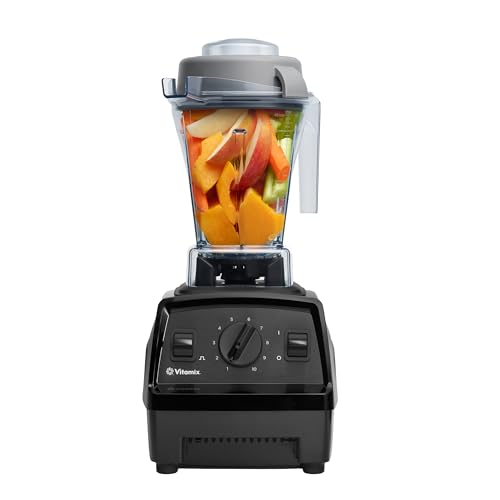
- TAR Score9.2
TAR Score is a ranking system developed by TopAppliancesReviews.com. TAR score has no relationship or impact from any manufacturers or sales agent websites. Learn more
- BrandVitamix

- TAR Score9.2
TAR Score is a ranking system developed by TopAppliancesReviews.com. TAR score has no relationship or impact from any manufacturers or sales agent websites. Learn more
- BrandNinja

- TAR Score9.2
TAR Score is a ranking system developed by TopAppliancesReviews.com. TAR score has no relationship or impact from any manufacturers or sales agent websites. Learn more
- BrandVitamix

- TAR Score9.0
TAR Score is a ranking system developed by TopAppliancesReviews.com. TAR score has no relationship or impact from any manufacturers or sales agent websites. Learn more
- BrandVitamix

- TAR Score8.8
TAR Score is a ranking system developed by TopAppliancesReviews.com. TAR score has no relationship or impact from any manufacturers or sales agent websites. Learn more
- BrandVitamix

Vitamix Venturist Pro Blender, Professional-Grade, 64 oz. Low-Profile Container, Black
View on Amazon- TAR Score8.8
TAR Score is a ranking system developed by TopAppliancesReviews.com. TAR score has no relationship or impact from any manufacturers or sales agent websites. Learn more
- BrandVitamix

- TAR Score8.8
TAR Score is a ranking system developed by TopAppliancesReviews.com. TAR score has no relationship or impact from any manufacturers or sales agent websites. Learn more
- BrandVitamix
Last update on 2026-06-20 / Affiliate links / Images, Product Titles, and Product Highlights from Amazon Product Advertising API
Best Vitamix Blender For Juicing
Morning routines rarely fall apart because of a lack of motivation. More often, cleanup takes too long, fibrous produce clogs the process, or a drink turns out rougher than expected. For anyone searching for the best vitamix blender for juicing, the challenge isn't simply blending fruits and vegetables. The real goal is creating smooth, drinkable results without adding unnecessary hassle to an already busy day.
Vitamix Explorian E310
Vitamix Explorian E310 trims away a lot of the complexity people associate with professional-grade blenders. Its 48-ounce container sits in a practical middle ground, offering enough capacity for several servings without feeling oversized on the counter. That balance becomes especially noticeable in kitchens where storage space matters just as much as blending power.
Variable speed control gives this model far more flexibility than machines limited to a few preset buttons. Leafy greens, celery, apples, carrots, and citrus all behave differently once they hit the blades. Being able to gradually adjust speed allows the texture to develop more naturally, helping produce break down evenly instead of leaving stubborn chunks behind.
Juicing-style blends benefit from this level of control because consistency often determines whether a drink feels refreshing or difficult to enjoy. Thin green beverages need a different approach than thicker fruit blends. The ten-speed system creates room for experimentation rather than forcing every recipe through the same blending pattern.
Blending Performance With Fibrous Produce
Fibrous ingredients tend to expose weaknesses in lesser blenders quickly. Celery strings, kale stems, ginger roots, and carrots can leave gritty textures when blade design or motor performance falls short. The Explorian E310 approaches these ingredients with hardened stainless-steel blades designed to maintain their effectiveness through repeated use.
Aircraft-grade stainless steel blades are not simply a marketing detail. Tough produce places constant stress on blending components, particularly during longer cycles. Consistent blade performance helps create smoother drinks and reduces the frustration of repeatedly stopping to stir ingredients that refuse to circulate properly.
The 3-inch blade diameter also contributes to a more uniform blend. Instead of pushing ingredients around the container unevenly, the design encourages stronger movement throughout the mixture. That circulation becomes especially useful when blending combinations of leafy greens and dense root vegetables.
Whole-food juicing often benefits from keeping natural fiber in the drink. Rather than extracting juice and discarding pulp, this blender breaks ingredients down into a smoother beverage. Some people may still prefer straining for a thinner consistency, but the machine provides flexibility either way.
Container Size And Daily Practicality
The 48-ounce container deserves attention because container size affects daily usability more than many shoppers realize. Large containers can struggle with smaller recipes, while compact jars often limit batch size. This design finds a practical middle ground for households preparing medium portions.
Fresh vegetable blends frequently require enough room for liquid, produce, and circulation. A container that is too cramped can force ingredients upward instead of drawing them toward the blades. The E310 maintains enough space for smooth blending while avoiding the bulky footprint of larger alternatives.
Kitchen organization benefits from this more compact profile. Counter space feels increasingly valuable once coffee makers, toasters, air fryers, and other appliances enter the equation. The slightly smaller footprint helps the blender fit more naturally into everyday routines.
Meal preparation extends beyond beverages as well. Soups, sauces, dressings, and purees can all utilize the same container, making the machine useful throughout the week instead of serving a single-purpose role.
Control, Texture, And Recipe Flexibility
Texture management often separates a satisfying drink from one that feels unfinished. Some recipes benefit from complete smoothness, while others gain character from retaining a bit of structure. The combination of variable speeds and the pulse feature allows both approaches.
The pulse function offers a different style of control compared with continuous blending. Chunkier salsa recipes, vegetable mixtures, and thicker preparations can retain texture rather than becoming completely homogenized. That versatility adds value for households that use a blender beyond morning beverages.
Recipe experimentation becomes easier because adjustments happen in real time. Instead of relying on fixed presets, users can observe the mixture and respond accordingly. Small speed changes often make a noticeable difference when working with delicate fruits versus dense vegetables.
Kitchen creativity benefits from that freedom. Smooth fruit drinks, hearty vegetable blends, thick soups, and layered textures can all come from the same machine without requiring additional accessories.
Cleaning And Everyday Ownership
Cleanup time influences long-term satisfaction more than many product specifications. A blender that performs well but takes forever to wash often ends up sitting unused. The self-cleaning capability addresses that issue with a straightforward process involving warm water and a small amount of dish soap.
Thirty to sixty seconds is generally enough for routine cleaning cycles. Sticky fruits and thick mixtures may still require a quick rinse afterward, but most residue loosens rapidly. That convenience helps support consistent use throughout the week.
The included mini-tamper also contributes to smoother operation. Dense ingredients occasionally create air pockets that interrupt circulation. A tamper allows ingredients to move back toward the blades without requiring the container to be opened repeatedly.
Long-term convenience often comes from reducing small annoyances. Quick cleaning, practical capacity, and straightforward controls collectively make the machine feel approachable rather than demanding.
Durability And Operational Design
Thermal protection and the radial cooling fan reveal an emphasis on sustained operation. Extended blending sessions generate heat, particularly with thicker recipes that place additional demands on the motor. Protective systems help maintain stable performance during more demanding tasks.
Motor longevity benefits from controlled operating temperatures. While no appliance is immune to wear, thoughtful cooling design helps reduce unnecessary strain during regular use. That detail becomes more relevant for people blending frequently throughout the week.
The 4.5-foot power cord provides enough flexibility for a variety of countertop layouts. Placement options can matter more than expected, especially when outlets are limited or awkwardly positioned. Small design choices like this contribute to a smoother daily experience.
Build consistency remains one of the stronger aspects of this model. The overall design focuses on practical function rather than decorative extras, which tends to appeal to people who value performance over novelty.
Strengths, Tradeoffs, And Real-World Fit
Blending strength, variable speed control, durable blades, and straightforward cleaning represent the most compelling aspects of the Explorian E310. Those features align particularly well with whole-fruit and whole-vegetable beverages where texture consistency matters. Smooth green drinks become much easier to achieve than with entry-level machines.
The tradeoff comes from the nature of blending itself. A blender cannot replicate the exact texture of juice extracted through specialized juicing equipment. People seeking completely pulp-free beverages may still choose to strain blends after processing.
Versatility arguably offsets that limitation. The machine handles smoothies, soups, sauces, purees, and juice-style drinks without requiring separate appliances. That broader functionality can make better use of limited kitchen space.
Digestive discussions sometimes appear alongside juice-related conversations, and a related reference can be found in grape juice digestion. The topic highlights how beverage preparation methods can influence the overall drinking experience, even when ingredients remain similar.
Best Vitamix Blender For Juicing
Thick green blends can test anyone’s patience. A drink that should feel fresh and smooth often turns into a chunky mix that needs constant stirring, scraping, and restarting. That frustration is exactly why the best vitamix blender for juicing category attracts attention from people who want consistent texture without turning breakfast into a project. The Ninja SS151 TWISTi takes a different path by focusing heavily on ingredient control and uninterrupted blending.
Ninja TWISTi Blender DUO
Ninja TWISTi Blender DUO arrives with a feature set that feels purpose-built for thick mixtures rather than basic blending. The combination of a 1600 peak-watt motor, a built-in twist tamper, and specialized blade design creates a setup that tackles heavy ingredient loads with confidence. Instead of relying solely on motor strength, the machine actively helps guide ingredients toward the blades.
Texture consistency becomes one of the first things people notice. Frozen fruit, leafy vegetables, nuts, seeds, and ice often create pockets where ingredients stop circulating. This blender addresses that challenge through mechanical assistance rather than expecting gravity to do all the work.
The overall design philosophy feels practical rather than flashy. Every included component serves a purpose, whether it is the tamper, extraction cups, drizzle cap, or power pitcher. That approach creates a machine that feels focused on real preparation habits rather than simply stacking features onto a product sheet.
Twist Tamper Changes The Blending Experience
The built-in Twist Tamper is arguably the defining feature of this model. Thick smoothie bowls, nut-based mixtures, and dense fruit combinations often form air pockets that interrupt blending. Instead of stopping the machine and reaching for a separate tool, users can twist the tamper and continue processing.
Ingredient flow improves because the tamper continuously pushes material toward the Hybrid-Edge blades. Dense ingredients remain engaged with the cutting zone instead of clinging to container walls. That small adjustment can dramatically reduce the amount of manual intervention required.
Heavy blends particularly benefit from this system. Acai mixtures, frozen mango combinations, and peanut-based spreads tend to challenge standard blenders. Here, the machine remains active without demanding repeated scraping and stirring.
Practical convenience often comes from eliminating small frustrations. The tamper may seem like a simple addition, yet it directly addresses one of the most common complaints associated with thick blending recipes.
Power And SmartTorque Performance
The 1600 peak-watt motor provides the muscle behind the entire system. Raw vegetables, frozen berries, dense seeds, and ice cubes require substantial force to break down efficiently. The motor delivers the power needed to maintain momentum through demanding recipes.
SmartTorque technology adds another layer of functionality. Some blenders slow down noticeably when ingredient loads become heavy. Ninja designed this motor system to maintain high speed during challenging blends, helping prevent interruptions during processing.
Consistency matters because uneven motor performance can affect texture. A blender that hesitates under pressure often leaves partially processed ingredients behind. The SmartTorque approach focuses on maintaining steady operation through the entire blending cycle.
Juicing-style beverages benefit from that uninterrupted performance. Fibrous greens, celery, carrots, and fruit combinations can be processed more evenly when blade speed remains stable throughout the blend.
Hybrid-Edge Blades And Ingredient Breakdown
Hybrid-Edge blades are designed to blend, chop, and crush at high speed. Tough ingredients can quickly reveal weaknesses in blade geometry, particularly when seeds, frozen produce, and fibrous vegetables enter the mix. The blade assembly targets those difficult ingredients directly.
Frozen whole fruits often create texture issues in weaker systems. Large chunks may survive the blending process or leave grainy residue throughout the drink. The blade design works to create a more uniform result with fewer unprocessed fragments.
Nutrient extraction cups pair well with the blade assembly. The goal is not merely pulverizing ingredients but creating smoother drinkable blends from fruits and vegetables. The resulting texture feels closer to what many people expect from premium blending equipment.
Ingredient versatility expands beyond beverages. Nuts, seeds, ice, frozen fruit, and vegetables can all move through the same system, making the blender useful throughout different meal-preparation routines.
Auto-IQ And Everyday Simplicity
Auto-IQ technology removes much of the guesswork from blending. Not every recipe requires constant speed adjustments or manual timing. Pre-programmed sequences automatically combine pulsing, blending, and pausing to simplify preparation.
Busy mornings often benefit from automation. Instead of manually experimenting with speed settings, users can rely on built-in programs tailored to specific preparation styles. That convenience helps reduce trial and error.
The five blending functions cover extractions, smoothies, frozen drinks, spreads, and bowls. Each category places different demands on the machine, and dedicated programs help support those variations. The result feels more refined than a one-button blending approach.
Consistency across recipes becomes easier to achieve because the software handles many timing decisions automatically. Small details like that can improve confidence, especially when trying unfamiliar recipes.
Single-Serve Flexibility And Cleanup
The included cups create flexibility that larger countertop blenders sometimes lack. A 24-ounce cup and an 18-ounce nutrient extraction cup allow smaller portions without committing to a full pitcher blend. That convenience supports quick preparation and easy transport.
The spout lids make grab-and-go drinks more practical. Rather than transferring beverages between containers, users can blend and leave directly with the same cup. Fewer steps generally mean fewer dishes waiting in the sink later.
Dishwasher-safe components simplify maintenance. Cleanup often determines whether a blender becomes a daily tool or an occasional appliance. Easy-to-clean parts reduce the friction that can discourage regular use.
The drizzle cap deserves mention as well. Ingredients can be added while processing, allowing gradual adjustments to texture and flavor without interrupting the blending cycle.
Strengths And Real-World Tradeoffs
Blending control, powerful motor performance, and the built-in tamper stand out as the strongest elements of this machine. Thick smoothie bowls, nutrient-dense drinks, and frozen recipes all benefit from features specifically designed for heavy loads. The machine feels engineered to keep ingredients moving rather than merely spinning blades at high speed.
The primary tradeoff involves footprint and complexity. A blender with multiple accessories, cups, lids, and functions naturally occupies more storage space than a simple single-container system. Some kitchens may need to dedicate extra room for the full setup.
Traditional juice extraction remains different from blending. This machine creates whole-food beverages that retain fiber rather than separating pulp from liquid. For many recipes, that approach provides a fuller drinking experience, though some people may still choose to strain blends afterward.
Product discussions occasionally lead into broader liquid-mixing topics, and a separate reference appears in vape juice preparation. The subject sits outside kitchen blending, yet it illustrates how ingredient ratios and consistency often shape the final experience in different types of liquid formulations.
Vitamix Ascent X5 Blender
A blender that handles daily green drinks should do more than spin loudly and hope for the best. Fibrous celery, frozen berries, nuts, seeds, and thick smoothie bowls all expose weak spots fast, especially when the drink needs to feel smooth without turning the counter into a cleanup zone. The best vitamix blender for juicing has to balance power, control, container size, and day-to-day patience. The Vitamix Ascent X5 Blender leans into that balance with automatic programs, manual control, a tamper indicator, and a 48-ounce container built for small to medium blends.
Vitamix Ascent X5
Vitamix Ascent X5 feels aimed at kitchens where blending isn’t a once-a-month thing. The 48-ounce container gives enough room for smoothies, juice-style blends, soups, purées, sauces, and non-dairy milks without feeling like an oversized restaurant jar. That size matters because small batches can struggle in huge containers, while medium recipes still need enough space for proper circulation. For daily produce-heavy drinks, the container hits a sensible middle lane.
Automatic blending programs make this model feel less fussy than a fully manual machine. Smoothies, frozen desserts, soups, dips, spreads, smoothie bowls, frappés, nut butters, non-dairy milks, and spice grinding all have dedicated programs. That range helps reduce the little guessing game of how long to run a recipe, especially with frozen fruit or thicker mixtures. Still, it doesn’t remove judgment entirely, because ingredient order and liquid level still affect the final texture.
Touch button controls give the Ascent X5 a clean, modern feel without making it seem overly complicated. Manual variable speed settings remain available when a recipe needs more hands-on control. That matters for juicing-style blends, since leafy greens and watery fruit don’t behave the same way as frozen bananas or nut butter. A good blender should let you step in when texture needs a nudge.
The included S2 low-profile tamper adds practical value for thick blends. Smoothie bowls, nut butter, and dense frozen recipes often need help moving toward the blades. Instead of stopping the blender repeatedly, the tamper lets thicker ingredients keep circulating. The tamper holder is a small detail, but it keeps the tool from disappearing into a drawer, which happens more often than anyone wants to admit.
Programs That Reduce Guesswork
Ten blending programs are the headline feature, and they’re genuinely useful if the kitchen routine changes from one recipe to the next. A morning smoothie needs a different rhythm than a frozen dessert or a non-dairy milk. The programmed cycles handle timing, speed shifts, and texture goals with less babysitting. That can make the Ascent X5 feel calmer during busy mornings.
Smoothies and juice-style blends benefit from repeatability. Leafy greens, apples, citrus, berries, and frozen fruit need strong movement through the container to avoid gritty bits or uneven pockets. The Vitamix vortex design helps pull ingredients downward, which is especially helpful when produce starts floating near the top. The result still keeps fiber in the drink, so it won’t mimic a pulp-free juicer exactly.
Non-dairy milk and nut butter programs widen the machine’s usefulness beyond drinks. Almond milk, cashew blends, and thicker spreads place different demands on the motor and blades. Having separate program options makes those recipes feel less like experiments every time. That’s a nice perk for kitchens where one appliance needs to earn its space.
The Add 15 Seconds feature is a smart little fix for real blending problems. Sometimes frozen fruit needs just a bit longer, or a green blend looks almost smooth but not quite there. Extending the cycle without restarting the whole program keeps the workflow tidy. It’s not flashy, but it feels like a feature designed by someone who actually watches a blender work.
Blade Strength And Produce Texture
Laser-cut stainless-steel blades give this blender its backbone. Fibrous produce can be stubborn, especially ingredients like celery, kale stems, carrots, ginger, and frozen fruit. The blade setup is built to handle those tougher textures while keeping the blend consistent over time. That matters for anyone who hates finding little green flecks after a full blending cycle.
The Vitamix vortex is a major reason this machine makes sense for whole-food juicing. Instead of leaving ingredients stuck around the walls, the container design encourages movement down into the blade path. More movement means fewer pauses, fewer scrapes, and less frustration. Thick recipes still need enough liquid, but the container shape helps the process feel less stubborn.
Frozen fruit and ice crushing also fit into the Ascent X5’s skill set. The pulse function gives short bursts of power for ice or texture adjustments. That comes in handy for frozen cocktails, frappés, smoothie bowls, and thicker fruit blends. For juice-like drinks, pulse can help start tough ingredients before moving into a smoother blend cycle.
Hot and cold recipes add another layer of versatility. The container is described for smoothies, juices, purées, sauces, soups, and more, so it isn’t locked into one narrow job. That broad use case matters in smaller kitchens where a single machine may replace several tools. From a practical angle, related blender comparisons can also sit alongside best bamix stick blender as a separate reference point for different blending styles.
Tamper Indicator And Thick Blend Control
The on-screen tamper indicator is one of the more thoughtful features on this model. Thick mixtures can stall visually before the motor ever seems strained. A prompt that signals when to use the tamper helps prevent the awkward stop-start routine that makes dense recipes annoying. That feature fits especially well with smoothie bowls, nut butters, and frozen desserts.
Thicker blends need more than raw power. Ingredients have to keep moving toward the blades, or the center turns while the sides sit there doing nothing. The tamper helps guide dense ingredients back into circulation without watering the recipe down too much. That’s useful when the whole point is a thick bowl or creamy spread.
Manual control still matters even with smart programs onboard. Some recipes need a slower start, especially if the container is packed with leafy greens or dry ingredients. Variable speed settings allow a softer ramp before full blending. That flexibility keeps the Ascent X5 from feeling trapped inside its automatic modes.
Texture expectations should stay realistic, though. A blender keeps fiber in the drink, so a juice-style blend will feel fuller than liquid from a dedicated juicer. Straining can make it thinner, but that adds an extra step. For many produce drinks, the richer texture is part of the appeal, not a flaw.
Pros And Cons In Daily Use
The biggest strength is how much control the Ascent X5 gives without making the process feel fussy. Automatic programs handle common recipes, while variable speed and pulse let you fine-tune the blend. The Add 15 Seconds button also helps when texture needs a little extra time. That combination makes the machine feel flexible instead of locked into one style.
Cleaning convenience is another clear advantage. The self-cleaning program needs warm water and a drop of dish soap, then runs for 60 seconds or less. Dishwasher-safe container design adds another layer of practicality. Sticky nut butter or thick smoothie residue may still need a rinse, but routine cleaning looks manageable.
The main drawback is that the feature set may feel like more machine than some kitchens need. Ten programs, SELF-DETECT compatibility, a digital timer, a tamper indicator, and accessory pairing are useful, but not everyone wants that much automation. A simpler Vitamix may feel more natural for someone who only makes one basic drink each morning. The Ascent X5 makes the most sense when variety is part of the routine.
Another tradeoff is the 48-ounce capacity. It’s excellent for small to medium blends, but large batch prep may require multiple rounds. On the other hand, that same size can be easier to manage than a larger jar for everyday drinks. The container choice feels deliberate rather than oversized for show.
Warranty, System Expansion, And Fit
The 10-year limited warranty gives the Ascent X5 a reassuring long-term angle. Blender motors, controls, and containers take regular abuse in kitchens that process frozen fruit, fibrous vegetables, and dense mixtures. Warranty coverage doesn’t make the machine indestructible, but it does support the idea that this model is built for steady use. That matters with a premium countertop appliance.
SELF-DETECT container compatibility gives the blender room to grow. Additional containers and attachments can be recognized by the base, which then adjusts settings and blend times. That system is useful for people who may want different containers for smaller blends, dry ingredients, or specialized recipes later. It also means the blender can become more than a single-jar setup.
The brushed stainless finish gives the machine a more polished counter presence. Looks aren’t the main reason to buy a blender, but large appliances tend to stay visible if they’re used often. A finish that feels less plasticky can make the machine easier to leave out. And honestly, a blender stored in a cabinet often gets used less.
Best-fit expectations should center on whole-food blending, not traditional juice extraction. The Ascent X5 can make smooth produce drinks, creamy smoothies, hot soups, non-dairy milks, frozen desserts, dips, spreads, and nut butters. It won’t remove pulp like a dedicated juicer, and it may be more advanced than a basic blender shopper needs. For a kitchen that treats blending as part of the everyday rhythm, though, the Vitamix Ascent X5 brings a polished mix of power, guidance, and practical control.
Vitamix Propel Series 750
Big batches can turn a simple juice-style blend into a wrestling match. Leafy greens climb the jar, frozen fruit digs in, and fibrous produce leaves behind tiny bits that make the drink feel unfinished. The best vitamix blender for juicing should handle that mess with power, control, and enough container space to keep ingredients moving. The Vitamix Propel Series 750 takes a more classic power-blender approach, using a 2.2 HP motor, a 64-ounce low-profile container, stainless-steel blades, and four automatic programs to keep everyday blending from becoming a chore.
Vitamix Propel 750
Vitamix Propel 750 feels built for kitchens where one blender has to cover more than a morning smoothie. The 64-ounce low-profile container gives plenty of room for large-capacity blends, which matters for green drinks, soups, sauces, frozen desserts, and dips. Better yet, the container is designed to fit under kitchen cabinets, so it doesn’t demand a huge storage compromise. That detail matters because a blender left on the counter usually gets used more often.
The 2.2 HP motor is the muscle behind this machine. Dense recipes like frozen fruit blends, nut-heavy mixes, and fibrous vegetable drinks need more than casual spinning to become smooth. This motor is designed to push through heavier ingredients without turning every blend into a stop-and-scrape routine. For juice-style drinks that use whole produce, that extra force can make the texture feel more polished.
Stainless-steel blades support that power with a design meant to cut through fibrous produce, frozen fruit, ice, and nuts. Carrots, celery, kale stems, and frozen berries can be stubborn in weaker machines. The blade setup helps reduce those rough little leftovers that make a drink feel gritty. It’s still blending, not extraction, so the fiber stays in the glass.
The low-profile tamper gives this blender a practical edge during thick recipes. Smoothie bowls, dips, spreads, and frozen desserts often need a gentle push toward the blades. Instead of adding too much liquid and thinning the recipe, the tamper helps maintain movement. That makes the machine feel more controlled during heavier blends.
Large Container, Real Kitchen Benefits
The 64-ounce container is one of the most obvious strengths of the Propel 750. Medium and large batches fit more naturally, especially for households making several drinks or prepping soup in one round. A smaller jar can feel limiting when produce piles up quickly. This container gives ingredients enough room to circulate without constantly crowding the lid.
Large-capacity blending helps with recipes that start bulky and shrink down after processing. Spinach, kale, celery, apples, and frozen fruit can fill a container fast before the vortex pulls them lower. The extra room helps prevent awkward overpacking. It also reduces the temptation to blend in multiple small rounds.
Cabinet-friendly design softens the downside of having a bigger jar. Tall blenders can be a pain in kitchens with low upper cabinets. This low-profile shape keeps the machine more livable on the counter. That’s a quiet advantage, but it can make daily use feel less annoying.
The tradeoff is that very small blends may not feel as natural in a large container. A single tiny serving can struggle to circulate as well as a medium batch. That doesn’t ruin the machine, but it does shape how it fits into daily habits. The Propel 750 feels more at home with moderate to generous recipes.
Programs And Manual Control
Four automatic blending programs cover smoothie, hot soup, frozen dessert, and dip or spread. Those options match the recipes that usually cause the most timing guesswork. A smoothie needs steady breakdown, while frozen desserts need thickness without stalling. The programs help create more repeatable results without making the user hover over the controls.
Ten variable speed settings keep the blender from feeling locked into presets. Manual control matters because not every green drink behaves the same way. Watery cucumber blends move differently from frozen pineapple, kale, and ginger. Speed control lets the texture build gradually instead of blasting everything from the start.
The pulse function adds another layer of flexibility. Ice crushing, chunky dips, and quick texture adjustments benefit from short bursts of power. That’s useful for recipes where full smoothness isn’t the goal. A salsa-style blend, for example, needs a different touch than a silky fruit drink.
Programmed blending works best as a helper, not a replacement for common sense. Ingredient order, liquid amount, and produce density still affect the outcome. The machine provides structure, but the final texture depends on how the jar is loaded. That’s the honest part people sometimes skip.
Juicing-Style Results And Texture
Whole-food juicing is the most realistic way to think about this blender. It can create smooth drinks from fruits and vegetables, but it does not separate juice from pulp like a dedicated juicer. That means the drink keeps more body and fiber. Some people love that fullness, while others may prefer straining for a thinner pour.
Fibrous produce is where the Propel 750 earns attention. Celery, kale, carrots, apples, and ginger can leave stringy or grainy textures if the blender lacks power. The combination of the 2.2 HP motor, stainless-steel blades, and vortex-style container helps break these ingredients down more evenly. Enough liquid still matters, especially with dense vegetable-heavy blends.
Frozen fruit performance adds another benefit for juice-style recipes that lean cold and thick. Frozen mango, berries, pineapple, and banana can turn fresh drinks creamier without needing dairy. The blender’s power and tamper support help keep those ingredients moving. Without that support, frozen blends can stall fast.
Tomato-based drinks also show how produce can shift flavor, texture, and acidity in a glass, and one related reference is tomato juice acidity within a broader conversation about juice ingredients. That kind of detail matters because whole-food blending keeps more of the plant material in play. Flavor feels bigger, texture feels fuller, and the drink behaves differently from extracted juice.
Cleaning And Maintenance Feel
The self-cleaning program keeps ownership from becoming fussy. Warm water and a drop of dish soap are enough for the blender to run a cleaning cycle in 60 seconds or less. That matters after sticky smoothies, thick dips, and soup blends. Nobody wants a powerful blender that feels like a sink full of chores.
Dishwasher-safe container design adds convenience, especially after heavier recipes. A quick self-clean cycle handles many everyday messes, but thicker spreads may need more attention. Dishwasher compatibility gives an easier backup plan. The routine feels manageable rather than precious.
Daily cleaning habits still make a difference. Rinsing the container soon after use helps prevent residue from drying around the blades or corners. Thick green blends and nut-based mixtures can cling if left alone too long. The machine makes cleanup easier, but it doesn’t erase basic kitchen discipline.
The practical upside is consistency. A blender that cleans quickly is more likely to stay in rotation. That’s especially true for anyone trying to build a steady juice-style blending habit. Low friction matters more than shiny features after the first week.
Pros And Cons Worth Noting
The main pros start with power, capacity, and texture control. The 2.2 HP motor gives the Propel 750 strong blending force, while the 64-ounce container supports larger recipes. Four programs simplify common tasks, and ten speed settings keep manual control close at hand. The result is a blender that feels capable without being overly complicated.
The stainless-steel blades and Vitamix vortex design are also meaningful strengths. Fibrous produce, frozen fruit, nuts, and ice all need strong movement through the blade path. The tamper helps preserve thick textures without drowning recipes in liquid. That’s a real benefit for smoothie bowls, dips, spreads, and dense green blends.
The cons are mostly about fit and expectations. The large container may not be the best match for tiny single servings. The machine also makes blended whole-food drinks, not clear extracted juice. Anyone expecting pulp-free juice straight from the container may need to strain the drink.
The 7-year limited warranty adds peace of mind, and the provided detail says Vitamix blenders last up to 10 times longer than an average blender. That claim comes from the product information, not from personal testing. For a premium countertop blender, warranty length matters because the machine is likely to handle tough ingredients often. The Propel 750 makes the most sense in kitchens where bigger batches, thick textures, and steady blending power matter more than compact minimalism.
Vitamix 5200 Blender
A loud morning blender is one thing. A loud morning blender that still leaves celery threads, apple skin, and leafy flecks in the glass is another headache entirely. The best vitamix blender for juicing needs enough force to break down fibrous produce, enough control to shape texture, and enough patience built into the design so daily use doesn’t feel like a kitchen battle. The Vitamix 5200 Blender keeps things old-school in the best sense, leaning on variable speed control, a tall 64-ounce container, hardened stainless-steel blades, and a self-cleaning routine that doesn’t make cleanup a second job.
Vitamix 5200
Vitamix 5200 has a straightforward personality. No cluttered control panel, no stack of automatic programs, just a strong motor base, a variable speed dial, a 64-ounce container, and a classic tamper. That simplicity can be refreshing for anyone who wants to control the blend by sight and sound instead of trusting preset cycles. It feels like a machine built for repetition, not novelty.
The 64-ounce container gives this blender a clear advantage for medium to large batches. Leafy greens, cucumbers, apples, citrus, celery, carrots, and frozen fruit take up space before they collapse into liquid. A smaller jar can feel cramped fast, especially with bulky produce. This container gives ingredients room to move, which matters for smoother juice-style blends.
The tall container shape also helps create a strong blending pull. Ingredients need to travel downward into the blades, not bounce around the top like they’re avoiding work. The classic Vitamix vortex is useful for whole-food drinks because it keeps produce cycling through the blade path. That steady movement can reduce the gritty bits that ruin an otherwise fresh drink.
The classic tamper earns its place during thicker blends. Frozen fruit, dense greens, and low-liquid recipes sometimes need help moving down. Instead of stopping the blender and scraping the sides again and again, the tamper lets ingredients stay engaged with the blades. That keeps the rhythm smoother, especially with thick smoothie-style juices.
Variable Speed Control Feels Hands-On
Variable speed control is the heart of the 5200’s appeal. The dial can be adjusted during blending, so texture changes happen in real time. That matters because a soft berry blend and a celery-carrot-ginger drink don’t need the same treatment. Some recipes want a gentle start, while others need a fast climb to full power.
Texture control is especially important for juicing-style drinks. A blender keeps fiber in the glass, unlike a dedicated juicer that separates pulp from liquid. That extra body can feel pleasant when it’s smooth, but rough and chewy when ingredients aren’t fully broken down. The dial gives more room to fine-tune the result before pouring.
The manual approach may feel more satisfying for people who like reading the mixture as it moves. You can hear when frozen fruit loosens, see when greens disappear into the blend, and slow things down if the mixture climbs too high. There’s a little learning curve, sure. Once the rhythm clicks, though, the control feels natural.
The downside is that this blender doesn’t hold your hand through every recipe. Automatic programs can be convenient, and the 5200 skips that style entirely. Anyone expecting one-touch blending may need a short adjustment period. Still, the tradeoff is direct control, and that’s exactly what many serious home blenders prefer.
Blades, Motor Power, And Fibrous Produce
Hardened stainless-steel blades give the 5200 its bite. Fibrous ingredients can be rude to weak machines, especially celery strings, kale stems, carrots, ginger, and apple skins. The aircraft-grade blade design is made to handle tough ingredients repeatedly. That matters for anyone making green drinks more than once in a blue moon.
The 2-peak horsepower motor provides the push behind those blades. Whole-food juicing asks a lot from a blender because the machine isn’t just extracting liquid. It has to break down the entire ingredient into a drinkable texture. That kind of job needs sustained force, not just a quick burst of speed.
Radial cooling fan and thermal protection support longer or heavier blending sessions. Dense recipes create heat and strain, especially when frozen fruit, nuts, or fibrous vegetables are packed into the container. These design features help protect the motor during demanding use. That’s a practical detail, not a flashy one, but it matters over time.
Consistency from first blend to last is one of the strongest promises in the provided product details. The blade material is designed to keep performance steady across repeated use. For juice-style blending, consistency means fewer surprises from one morning to the next. Nobody wants yesterday’s smooth green drink to become today’s chunky science project.
Juicing Results And Realistic Expectations
Whole-food juice is the right phrase for what the Vitamix 5200 does. It can turn fruits and vegetables into smooth, drinkable blends, but it doesn’t remove pulp the way a masticating or centrifugal juicer does. The fiber stays in the glass, giving the drink more body. That can feel filling, fresh, and satisfying, though not as thin as extracted juice.
Ingredient prep still matters. Large carrots, tough celery, and dense apples blend more efficiently when cut into manageable pieces. Liquid should usually go in early to help the vortex form. A blender this capable can handle a lot, but it still rewards common sense.
Green blends benefit from the machine’s speed and container design. Spinach disappears quickly, kale needs a little more time, and celery may need enough water or citrus to keep everything moving. Ginger can add bite, but too much can dominate the drink fast. The 5200 gives enough control to adjust these blends without overcomplicating the process.
Straining remains optional for people who want a thinner juice-like finish. A nut milk bag or fine mesh strainer can remove extra pulp after blending. That adds a step, but it also gives flexibility. Some days a fuller drink works; other days a lighter pour feels better.
Hot Soup And Beyond The Juice Glass
Hot soup capability gives the 5200 more range than a basic smoothie machine. The blades can reach speeds fast enough to create friction heat, bringing cold ingredients to steaming hot in about six minutes according to the product details. That turns the blender into more than a drink maker. It can help with soups, sauces, purées, and warm vegetable blends.
Recipe flexibility matters because countertop space is limited. A machine that only handles one task has to justify its footprint every day. The 5200 can move from green drinks in the morning to soup or sauce later on. That wider usefulness makes the large container easier to accept.
The 6-foot cord is a small but welcome practical detail. Outlets never seem to sit exactly where appliances want them. A longer cord gives more freedom on crowded counters. It’s not glamorous, but real kitchens are full of these little placement problems.
The included getting started guide, DVD, and classic tamper round out the box. The guide can help with early recipe confidence, while the tamper is the accessory most likely to become part of regular use. Thick blends, especially frozen or fibrous ones, are simply easier with it. That’s where the package feels complete rather than bare-bones.
Cleaning, Pros, And Tradeoffs
Self-cleaning is one of the 5200’s everyday strengths. Warm water and a drop of dish soap can clean the container in 30 to 60 seconds. That makes a big difference after green drinks, fruit blends, or soups. A blender that cleans quickly is much more likely to stay in daily rotation.
The main pros include strong blending power, hands-on speed control, durable blade construction, large-batch capacity, and simple operation. The 64-ounce container is useful for family-size drinks or meal prep. The variable speed dial gives more control than fixed-button machines. The 7-year full warranty also adds reassurance for regular use.
The main weakness is the lack of automatic programs. Some people like preset smoothie or cleaning buttons, and this model keeps things manual. The tall 64-ounce container may also feel large for very small single servings. Small blends can need more attention to liquid levels and ingredient order.
The biggest difference between this blender and a true juicer comes down to fiber. The 5200 blends whole ingredients instead of separating juice from pulp. That means thicker drinks, less discarded produce, and more texture in the glass. For anyone chasing clear juice, straining may still be part of the routine.
Best Use Cases And Practical Fit
Daily produce blending is where the Vitamix 5200 makes the most sense. Greens, fruits, root vegetables, and citrus can be worked into smooth drinks with enough liquid and proper blending time. The machine feels especially useful for people who rotate between smoothies, whole-food juices, soups, and sauces. One appliance can cover a lot of ground.
Large-batch habits suit this model better than tiny grab-and-go portions. The container has the room for medium to large blends, which helps with prep for more than one glass. That’s helpful for busy mornings or shared kitchens. For solo micro-batches, a smaller container system may feel more convenient.
Noise and power should be expected together. A blender with this level of force won’t whisper through frozen fruit and carrots. The tradeoff is smoother texture and less struggling with tough ingredients. In practical terms, a short loud blend often beats a long weak one.
Best vitamix blender for juicing is not always about the newest screen or the longest feature list. The Vitamix 5200 stands out because it gives direct control, a roomy container, durable blades, hot soup capability, and fast cleanup without burying the experience under extra modes. It asks for a little hands-on attention, but it pays that back with flexibility. For whole-food juice-style drinks, that old-school confidence still has plenty of pull.


Best Vitamix Immersion Blender Reviews: Top Choices for 2026

Banish Cramps with Homemade Pickle Juice: A Guide
Unravel the Secrets: How to Make Snake Juice at Home

Pear Juice: Unveiling the Health Benefits

Decoding the Effects: Is Pickle Juice a Laxative?

Unveiling the Truth: Is Cold Pressed Juice Pasteurized?
Is Pickle Juice Good for Plants? Unraveling the Truth

Orange Juice vs. Apple Juice: Uncovering the Better Choice






