
Best Stainless Steel Cookware For Glass Top Stoves 2026

Best stainless steel cookware for glass top stoves needs more than a shiny finish and a sturdy handle. A smooth cooktop can be fussy, and one slightly warped pan can turn a calm dinner into uneven browning, hot spots, and that annoying wobble every time sauce starts to simmer. Flat bottoms matter because glass surfaces transfer heat best through steady contact, not through gaps that waste heat. So, the real win comes from cookware that feels balanced, sits flush, and doesn’t need babysitting every two minutes.
Stainless steel cookware has a clear advantage for glass top cooking because it handles steady heat without relying on fragile coatings. Still, not every stainless pan deserves space in the cabinet. Thin bases can discolor fast, lightweight skillets may slide around too easily, and oversized pieces can trap heat beyond the burner zone. The sweet spot is a set with thick bonded bases, comfortable handles, and enough weight to stay planted without feeling like a gym workout.
Glass top stoves reward careful habits, plain and simple. Dragging cookware across the surface can leave marks, while rough bottoms can make cleanup feel like a chore before cooking even starts. A polished, smooth base helps reduce that risk, especially during busy weeknights when pots get moved in a hurry. But, hey, stainless steel still needs patience because food can stick if the pan isn’t preheated properly or if heat gets cranked too high too fast.
Even heating makes the biggest difference with eggs, rice, sauces, and seared vegetables. A tri-ply or impact-bonded base spreads heat more predictably, which helps prevent scorched centers and pale edges. That matters on glass cooktops because the burner cycles on and off, and a pan with poor heat distribution can exaggerate those swings. Better cookware won’t make burnt garlic disappear, sadly, but it gives cooking a steadier rhythm.
Induction compatibility is worth checking even on a regular glass electric stove because many smooth cooktops now share similar flat-surface needs. Magnetic stainless bases tend to be flatter and sturdier, which can help with stability. Lids should fit snugly, rims should pour cleanly, and handles shouldn’t loosen after repeated washing. Small details like those save frustration when boiling pasta, reducing pan sauce, or trying not to spill soup across the stovetop.
Dishwasher-safe stainless steel sounds convenient, but hand washing often keeps the finish looking better. Minerals from water, high heat, and detergent can leave cloudy marks, so a quick soak and soft sponge usually beat harsh scrubbing. That tradeoff is fair for cookware that can handle daily meals, weekend batch cooking, and the occasional overfilled pot. The best fit feels durable, steady, and forgiving without pretending stainless steel cooks on autopilot.

- TAR Score9.0
TAR Score is a ranking system developed by TopAppliancesReviews.com. TAR score has no relationship or impact from any manufacturers or sales agent websites. Learn more
- BrandEWFEN
- TAR Score9.0
TAR Score is a ranking system developed by TopAppliancesReviews.com. TAR score has no relationship or impact from any manufacturers or sales agent websites. Learn more
- BrandEWFEN

- TAR Score9.0
TAR Score is a ranking system developed by TopAppliancesReviews.com. TAR score has no relationship or impact from any manufacturers or sales agent websites. Learn more
- BrandCuisinart

- TAR Score8.8
TAR Score is a ranking system developed by TopAppliancesReviews.com. TAR score has no relationship or impact from any manufacturers or sales agent websites. Learn more
- BrandCuisinart

- TAR Score8.8
TAR Score is a ranking system developed by TopAppliancesReviews.com. TAR score has no relationship or impact from any manufacturers or sales agent websites. Learn more
- BrandN/A

- TAR Score8.6
TAR Score is a ranking system developed by TopAppliancesReviews.com. TAR score has no relationship or impact from any manufacturers or sales agent websites. Learn more
- BrandAufranc
- TAR Score8.4
TAR Score is a ranking system developed by TopAppliancesReviews.com. TAR score has no relationship or impact from any manufacturers or sales agent websites. Learn more
- BrandT-Fal

- TAR Score8.0
TAR Score is a ranking system developed by TopAppliancesReviews.com. TAR score has no relationship or impact from any manufacturers or sales agent websites. Learn more
- BrandICSTI
Last update on 2026-07-09 / Affiliate links / Images, Product Titles, and Product Highlights from Amazon Product Advertising API
Best Stainless Steel Cookware For Glass Top Stoves
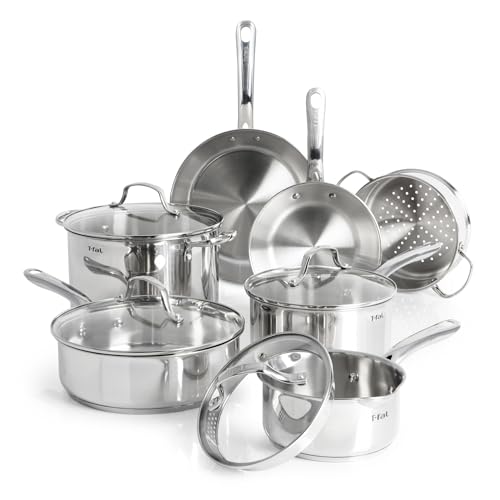
Uneven heating can turn a simple dinner into a frustrating mess, especially on smooth cooktops where cookware quality matters more than many people expect. The challenge often isn't the stove itself but the pan sitting on top of it. That's where the 3 Ply Stainless Steel 11-Piece Cookware Set enters the conversation for anyone researching the best stainless steel cookware for glass top stoves. Its combination of 3-ply construction, practical cookware pieces, and compatibility with ceramic glass surfaces addresses several common cooking headaches without relying on flashy marketing claims.
3 Ply Stainless Steel Set
The first thing that stands out is the multi-ply clad construction. Inside the cookware, 304 stainless steel provides the cooking surface, while a thick aluminum core sits in the middle to promote even heat distribution. The outer 430 stainless steel layer supports compatibility with induction cooktops while maintaining durability across other cooking surfaces.
Glass top stoves tend to expose weaknesses in cookware faster than gas burners. Hot spots become obvious, sauces scorch unexpectedly, and pans with poor heat retention often struggle during longer cooking sessions. The aluminum core in this set helps spread heat across the cooking surface more evenly, reducing some of those temperature inconsistencies that can occur with thinner cookware.
Mirror-finished stainless steel can sometimes feel purely cosmetic, yet it serves a practical purpose here. The smooth exterior is easier to maintain, and the polished finish contributes to the set's clean appearance after repeated use. Although fingerprints and water spots may occasionally appear, that's a common trait of stainless steel rather than a flaw unique to this cookware.
The cookware doesn't attempt to reinvent stainless steel. Instead, it focuses on a familiar formula that prioritizes heat consistency, durability, and broad stovetop compatibility.
Thoughtful Piece Selection
An 11-piece cookware collection can either feel balanced or overloaded with pieces that rarely leave the cabinet. This set leans toward practicality. The inclusion of a 1.5-quart saucepan, 2.2-quart saucepan, sauté pan, stockpot, steamer insert, and two skillets creates flexibility without introducing unnecessary extras.
The 9.5-inch and 10-inch skillets are close in size, which may initially seem redundant. Yet in daily cooking, having two frying pans available often becomes surprisingly useful. One can handle vegetables while the other finishes proteins, reducing the need to wash cookware between steps.
The steamer insert deserves mention because many cookware bundles skip this feature entirely. Steaming vegetables, seafood, or dumplings becomes more convenient without requiring a separate accessory purchase. Kitchens with limited storage space often benefit from multifunctional pieces like this.
The 6-quart stockpot offers enough capacity for soups, broths, pasta, and batch cooking while remaining manageable on glass cooktops. Some oversized stockpots become cumbersome on smooth surfaces, but this capacity strikes a reasonable middle ground.
Performance On Glass Top Stoves
Glass cooktops reward cookware with flat, stable bases. Pans that wobble or warp can reduce heating efficiency and create uneven cooking zones. Based on the construction details provided, this set appears designed to maintain a solid cooking surface through its sturdy layered base.
Temperature responsiveness matters when cooking delicate dishes. Stainless steel naturally requires a bit of technique compared with nonstick cookware, but the aluminum core helps reduce the lag between burner adjustments and cooking results. That can be especially helpful when preparing sauces or sautéing ingredients that react quickly to temperature changes.
Heat retention also plays a role. Once properly heated, the cookware should maintain cooking temperatures effectively, allowing burners to cycle less aggressively. Glass cooktops often operate through heating cycles, so cookware that holds heat steadily can support more consistent cooking performance.
A realistic expectation remains important. Stainless steel still demands proper preheating and oil usage. Anyone expecting nonstick-like behavior without learning basic stainless steel cooking techniques may encounter sticking during the first few uses.
Handle Design And Everyday Comfort
Comfort rarely dominates cookware discussions, yet it influences daily use more than many specifications. The set features riveted stainless steel handles designed for secure handling and long-term durability.
Handle stability becomes particularly valuable when moving heavier cookware such as the stockpot or sauté pan. Riveted construction generally provides confidence during lifting, especially when cookware is filled with liquids or heavier meals.
The manufacturer notes that the handles stay cool during use. Actual temperatures can vary depending on cooking duration and burner intensity, but the design intention focuses on reducing direct heat transfer. That's a practical feature rather than a flashy one, and practical features tend to matter most over time.
The cookware also incorporates molded pour spouts and built-in draining holes. Small conveniences like these often become noticeable only after repeated use. Pouring broth or draining pasta feels more controlled and reduces the need for separate strainers during some cooking tasks.
Lids And Moisture Control
Heavy-duty tempered glass lids accompany the cookware pieces, creating a useful balance between visibility and cooking control. Watching food progress without constantly lifting the lid helps maintain temperature stability inside the cookware.
The wide-rim design allows lids to fit multiple pieces within the set. That flexibility simplifies storage and can make meal preparation a little smoother when multiple pots and pans are active simultaneously.
Moisture retention plays a meaningful role in simmering sauces, steaming vegetables, and preparing soups. The lid design helps contain heat and moisture effectively, supporting more predictable cooking results across a variety of recipes.
Some cooks prefer stainless steel lids for maximum durability, while others appreciate the visibility of glass. This set clearly favors visibility and convenience, which aligns with many home cooking preferences.
Cleaning And Long-Term Ownership
Dishwasher-safe cookware always sounds appealing after a long evening in the kitchen. This set supports that convenience, although hand washing may preserve the polished finish for longer periods. Stainless steel generally responds well to both cleaning approaches when treated appropriately.
Food residue can occasionally cling to stainless steel surfaces, particularly after high-heat cooking. That's normal rather than problematic. A brief soak and non-abrasive cleaning routine typically restore the cooking surface without much effort.
Durability remains one of stainless steel's strongest advantages. Unlike coated cookware, there isn't a nonstick layer gradually wearing away over time. Scratches from utensils are usually cosmetic and don't impact cooking performance.
Interestingly, maintenance conversations often extend beyond cookware itself. Household cleaning routines vary widely, and a related reference can be found in best cleaner for top loading washing machine for those comparing long-term care approaches across frequently used home essentials.
Strengths And Tradeoffs
The strongest aspects of this cookware set include its 3-ply construction, broad stovetop compatibility, useful assortment of pieces, and practical features such as draining holes and pour spouts. These aren't headline-grabbing additions, but they contribute to smoother daily cooking experiences.
The tempered glass lids offer convenience, though some cooks who prioritize maximum durability may prefer stainless steel alternatives. Stainless steel cooking also involves a learning curve for anyone transitioning from traditional nonstick cookware.
The pair of similarly sized skillets may feel slightly repetitive for some kitchens. On the other hand, households preparing multiple dishes simultaneously may appreciate the flexibility they provide.
Viewed as a complete package, the cookware focuses on dependable functionality rather than gimmicks. For glass top stove owners seeking a balanced stainless steel set with thoughtful details and versatile compatibility, it presents a practical combination of features without overcomplicating the cooking experience.
Best Stainless Steel Cookware For Glass Top Stoves
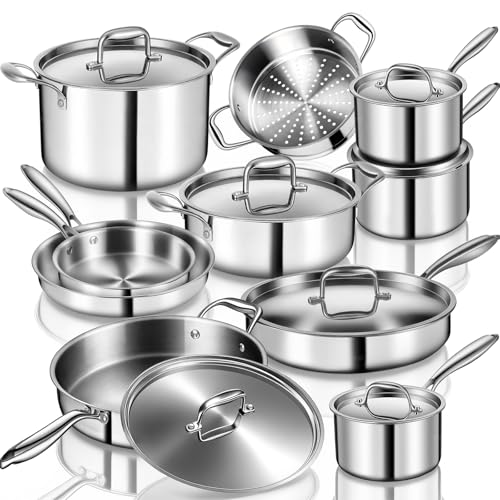
Kitchen routines often reveal cookware flaws faster than any product description ever could. A stockpot that heats unevenly, a skillet that develops stubborn hot spots, or a lid that never quite seals properly can make everyday cooking feel harder than it needs to be. That's exactly why cookware shoppers researching the best stainless steel cookware for glass top stoves tend to focus on construction quality rather than flashy marketing claims. The EWFEN Stainless Steel Cookware Set takes a practical approach, combining 3-ply construction, a broad selection of cookware pieces, and compatibility with smooth glass cooking surfaces.
EWFEN 17-Piece Stainless Steel Set
The shortened name for this review is EWFEN 17-Piece Set. Right away, the sheer variety of cookware included stands out. Instead of centering the collection around one or two hero pieces, the set spreads its value across multiple cooking situations, from quick weekday meals to larger weekend cooking sessions.
The package includes three saucepans, three skillets, a sauté pan, a Dutch oven with steamer insert, and a large stockpot. That arrangement covers most cooking techniques without requiring separate purchases. Small batches of oatmeal, large pots of soup, steamed vegetables, and skillet meals can all be prepared using equipment already included in the box.
Space management becomes part of the conversation with larger cookware collections. Seventeen pieces deliver flexibility, but kitchens with limited cabinet storage may need some planning. Even so, the variety offers genuine utility rather than padding the count with unnecessary accessories.
Three-Layer Construction And Heat Distribution
The foundation of this cookware set is its 3-ply clad design. Inside, 304 stainless steel forms the cooking surface. A thick aluminum core sits between the layers, while 430 stainless steel creates the exterior that supports compatibility with induction and other cooktops.
Glass top stoves tend to reward cookware that distributes heat evenly. Thin cookware often develops concentrated hot zones, leaving food browned in one area and undercooked in another. The aluminum core helps spread heat across the cooking surface, creating a more predictable cooking experience for tasks like simmering sauces or browning vegetables.
Stainless steel enthusiasts usually appreciate this style of layered construction because it balances responsiveness and heat retention. Heat adjustments become easier to manage, especially during recipes that require gradual temperature changes rather than full-power cooking.
The construction also contributes to durability. Unlike cookware that depends on a coating for performance, the cooking surface itself remains the working component. Minor utensil marks generally affect appearance more than functionality.
Performance On Glass Top Stoves
Smooth cooktops create unique challenges. Flat cookware bottoms become particularly important because even slight irregularities can reduce contact with the heating surface. The sturdy multi-ply base used throughout this set helps maintain solid contact during cooking.
Electric glass stoves often cycle between heating and cooling phases. Cookware with better heat retention tends to smooth out those fluctuations, helping maintain steadier cooking temperatures. That characteristic becomes noticeable while preparing soups, rice dishes, and slow-cooked sauces.
The three skillets deserve special attention. An 8-inch skillet works well for smaller portions and eggs, while the 10-inch and 12-inch options offer more room for proteins and larger meals. Having multiple skillet sizes reduces overcrowding, which can improve browning and cooking consistency.
Realistic expectations still matter. Stainless steel cookware performs best when preheated correctly and paired with appropriate cooking fats. Those accustomed to traditional nonstick pans may need a brief adjustment period.
Stainless Steel Lids And Moisture Retention
Many cookware sets use glass lids, but EWFEN takes a different route with 304 stainless steel lids. That choice increases durability and creates a more unified construction throughout the collection.
The lids feature wide rims designed to fit corresponding cookware pieces securely. During simmering or steaming, that tighter fit helps retain moisture and heat. Dishes that rely on gradual cooking often benefit from a stable cooking environment inside the pot.
Visibility is the primary tradeoff. Stainless steel lids don't allow cooks to monitor food without lifting the cover. Some people appreciate the added durability, while others prefer seeing cooking progress at a glance.
Moisture retention remains one of the strengths here. Soups, braises, and steamed vegetables can maintain a more consistent internal environment when heat and steam remain contained.
Built-In Convenience Features
Little details often separate cookware that feels thoughtful from cookware that merely checks specification boxes. This set incorporates molded pour spouts and built-in draining holes, two features that simplify common kitchen tasks.
Pouring broth, sauce, or pasta water becomes easier with dedicated spouts that help direct liquid flow. It's a small touch, yet anyone who's accidentally spilled stock across a stovetop understands the value immediately.
The integrated draining holes reduce dependence on separate strainers for certain tasks. Pasta, vegetables, and boiled ingredients can be drained more efficiently without juggling multiple pieces of equipment over a sink.
Convenience features don't always dominate product listings, but they often shape daily ownership satisfaction. These additions feel practical rather than decorative.
Handling, Comfort, And Everyday Use
Riveted handles contribute to the cookware's secure feel during cooking. Heavier pots naturally place more stress on handle connections, particularly when filled with liquids. The riveted design supports long-term stability.
The manufacturer describes the handles as remaining cool during use. Actual temperatures depend on cooking duration and burner output, but the design aims to reduce heat transfer and improve handling comfort.
Balance matters just as much as weight. A large stockpot that feels awkward to lift can quickly become frustrating. The cookware pieces generally appear designed around practical kitchen movement rather than purely visual appeal.
Kitchen maintenance often involves more than cookware alone. Discussions about keeping household essentials running efficiently sometimes overlap, and a related reference appears in Giantex Portable Washer when evaluating space-conscious equipment used throughout the home.
Cleaning And Long-Term Durability
The mirror-finish exterior gives the cookware a polished appearance while supporting dishwasher-safe cleaning. Busy schedules make that convenience appealing, especially after larger meals that generate plenty of cleanup.
Hand washing can help preserve the shine for longer periods, although dishwasher compatibility remains a useful option. Stainless steel naturally develops occasional water spots and fingerprints, which is common across most cookware in this category.
Food residue may sometimes cling after high-heat cooking. A short soak and gentle cleaning routine usually resolve the issue without requiring aggressive scrubbing. That's simply part of cooking with stainless steel rather than a weakness unique to this collection.
Durability appears to be one of the set's strongest selling points. The combination of layered metal construction, stainless steel lids, and reinforced handles creates a cookware collection built around longevity rather than disposable convenience.
Cuisinart MultiClad Pro 12-Piece Set
A smooth cooktop can make a bad pan feel worse than it really is. A slightly uneven base, a handle that feels awkward with a full pot, or heat that gathers in the middle instead of spreading outward can turn ordinary cooking into a small daily annoyance. The Cuisinart MultiClad Pro 12-Piece Set fits into the search for the best stainless steel cookware for glass top stoves because it focuses on steady heat, flat-surface compatibility, and long-term cooking control rather than gimmicky extras. It feels like a set built for real meals, not just a shiny shelf display.
Cuisinart MultiClad Pro Set
The shortened name for this review is Cuisinart MultiClad Pro Set. This cookware collection includes a useful spread of pieces: 1.5-quart and 3-quart saucepans, 8-inch and 10-inch skillets, a 3.5-quart sauté pan, an 8-quart stockpot, lids, and a steamer insert. That mix covers small sauces, quick breakfast cooking, full pasta nights, soup batches, and steaming vegetables without feeling overly bloated.
The set has a more serious kitchen personality than lightweight beginner cookware. The triple-ply stainless steel construction uses an aluminum core between stainless layers, which helps with heat movement across the bottom and sidewalls. On a glass top stove, that matters because the cookware needs consistent contact and controlled heat transfer. A pan that spreads heat well can make the burner feel less jumpy during everyday cooking.
The brushed stainless exterior gives the pieces a quieter, less flashy look than mirror-polished cookware. That’s not a bad thing. Brushed finishes tend to hide small marks a little better, while the mirror-finish interior keeps the cooking surface smooth and easier to clean after properly managed heat. The set still looks polished, just not fussy.
The overall piece selection feels practical for a kitchen where storage space still matters. The 8-quart stockpot is large enough for pasta, broth, or corn on the cob, while the smaller saucepan handles oatmeal, reductions, or reheating soup without wasting burner space. Nothing here feels like filler just to inflate the piece count.
Heat Control On Glass Cooktops
Glass top stoves can be unforgiving with cookware that has thin bottoms. The Heat Surround technology described for this set is meant to distribute heat across both the base and sidewalls, which helps reduce the “hot center, pale edges” problem. That kind of construction is useful for sautéing onions, simmering tomato sauce, or keeping rice from sticking hard to one overheated patch.
The aluminum core is the quiet worker inside the cookware. Stainless steel brings durability and a non-reactive surface, but aluminum helps move heat more efficiently. Together, the layers create a more balanced cooking feel than single-layer stainless pans. That doesn’t mean food can’t stick, though, because stainless steel still rewards patience and proper preheating.
Flat contact is especially important on smooth cooktops. Cookware with a stable base transfers heat more predictably and feels safer when stirring heavier food. The tri-ply build gives this set the kind of sturdiness that glass cooking surfaces usually prefer. Still, dragging any stainless steel pan across glass is asking for trouble, so lifting rather than sliding remains the smarter habit.
The skillets should feel at home with tasks like browning chicken, cooking mushrooms, or searing vegetables. The 8-inch skillet makes sense for smaller portions, while the 10-inch pan offers more room when crowding would ruin texture. A crowded skillet steams food before it browns, and that’s where the second size earns its keep.
Cooking Surface And Food Flavor
The polished stainless cooking surface is designed not to react with food or alter flavors. That’s a real strength for tomato sauces, wine reductions, citrus-based pan sauces, and anything with a little acidity. A non-reactive stainless interior helps keep flavors clean without the coating concerns attached to some nonstick cookware.
Stainless steel also gives better fond development than many coated pans. Those browned bits at the bottom of the sauté pan can become the base for a quick sauce with broth, wine, or even a splash of pasta water. It’s a small restaurant-style move, but honestly, it makes weeknight cooking feel more intentional without getting fancy.
The tradeoff is that stainless steel asks for a learning curve. Cold food dropped into a cold pan can cling. Heat cranked too high can leave stubborn residue. The polished cooking surface helps with cleanup, but it doesn’t cancel the need for temperature control, a little oil, and a short moment of patience before moving food around.
For boiling, steaming, simmering, and reducing, this set has a lot of range. The steamer insert adds a practical layer for vegetables, dumplings, or reheating foods gently. That feature works especially well with the stockpot setup because it saves space compared with owning a separate steamer.
Handles, Lids, And Daily Handling
The Cool Grip handles are secured with stainless steel rivets, which gives the cookware a firm, reliable feel. Riveted handles are helpful on heavier pieces like the sauté pan and stockpot because weak handle connections can make full cookware feel sketchy. A full pot of pasta water is not the moment to wonder if the handle is up to the job.
The handles are designed to stay cooler on the stovetop, although long cooking sessions and high burner heat can still warm metal handles. That’s normal with stainless cookware. A towel or mitt nearby is still a wise habit, especially if the pan has been near another hot burner or inside the oven.
The lids are tight-fitting stainless steel, and that has pros and cons. On the plus side, sealed stainless lids help hold in moisture and heat during simmering. On the downside, they don’t let you peek at food without lifting the lid, so rice, steaming vegetables, or delicate sauces may need a little more trust.
The tapered rims are a detail worth appreciating. Drip-free pouring sounds small until hot broth runs down the side of a pot onto a glass cooktop. With smooth stoves, spills can cook onto the surface quickly, so cleaner pouring is more than a convenience. It helps reduce cleanup drama.
Oven Use And Cooktop Flexibility
This set is oven safe up to 500°F, based on the provided product details. That expands what the cookware can do beyond stovetop tasks. A skillet can start a sear on the burner and finish in the oven, while the sauté pan can handle baked pasta, braised chicken, or roasted vegetables without switching dishes.
Cooktop compatibility is another strong point. The set is suitable for induction, electric, gas, and glass cooktops, which makes it more adaptable if appliances change later. The induction-compatible stainless exterior also supports the flat, sturdy base qualities that matter on ceramic glass surfaces.
The oven-safe rating sounds generous, but stainless steel lids and handles can become extremely hot in the oven. That sounds obvious, yet it’s easy to forget during a rushed dinner. The cookware can handle the heat, but hands still need protection.
Glass top stove cooking works best with moderate heat and steady adjustments. This set doesn’t need constant blasting to perform well because the aluminum core helps distribute heat. Lower to medium settings often do more good than brute force, especially for sauces, eggs, and delicate proteins.
Pros Worth Noticing
The biggest strength is the triple-ply construction. It gives the cookware better heat control than basic stainless steel pans and supports more even cooking across glass top burners. The aluminum core helps reduce harsh hot spots, while stainless steel provides a durable, non-reactive cooking surface.
The piece selection also feels well judged. The two saucepans, two skillets, sauté pan, stockpot, and steamer insert create a flexible setup for many cooking routines. It avoids the trap of adding odd extras that rarely leave the cabinet.
The stainless steel lids bring durability and moisture retention. They’re less fragile than glass lids and fit the set’s professional-leaning design. For soups, steaming, braising, and simmering, the tight fit helps maintain a steady cooking environment.
The 500°F oven-safe design adds real usefulness. Stovetop-to-oven cooking opens up more techniques, especially for meats, casseroles, and finishing dishes under controlled heat. A neutral household reference can also sit naturally beside kitchen maintenance topics, such as best fabric dye for washing machine, where care habits matter in a completely different part of the home.
Cons And Realistic Tradeoffs
The most obvious drawback is the learning curve of stainless steel cooking. This set is not nonstick cookware, and it won’t behave like coated pans. Food can stick if the pan is too cold, too hot, or not properly oiled.
The stainless lids are durable, but they block visibility. Some cooks prefer glass lids because they can monitor simmering or steaming without releasing heat. With these lids, checking food means lifting the cover and losing a little steam.
The cookware may also feel heavier than thinner budget sets. That weight helps with stability and heat performance, but it can be tiring when the 8-quart stockpot is full. The helper handle on the sauté pan helps, yet the larger pieces still demand careful lifting.
The dishwasher-safe design is convenient, but stainless steel often looks better with hand washing. Dishwasher detergent, minerals, and heat can leave cloudy marks or dull spots over time. Those marks don’t ruin cooking performance, but they may bother anyone who likes cookware to keep its fresh-out-of-the-box shine.
Glass Top Stove Fit And Final Notes
The Cuisinart MultiClad Pro Set makes sense for glass top stoves because it brings together a stable build, even heat distribution, and cookware pieces that cover everyday cooking without clutter. The flat-surface compatibility and induction suitability are especially helpful for smooth cooktops. A set like this feels less like a starter bundle and more like cookware that can stay in rotation for years.
Its strengths show up in ordinary tasks. Sauces reduce more calmly, skillets give food enough room to brown, and the stockpot handles bigger meals without feeling like an afterthought. The drip-free rims and tight-fitting lids add practical polish rather than decorative fluff.
The set isn’t trying to remove every bit of cooking technique from the process. Stainless steel rewards attention, heat control, and decent timing. For anyone tired of replacing coated pans or dealing with uneven cookware on a glass surface, the best stainless steel cookware for glass top stoves conversation should include this Cuisinart set as a serious, practical contender.
Cuisinart Chef’s Classic 11-Piece Set
A glass cooktop has no patience for flimsy cookware. One uneven base can leave sauce scorching in the center while the edges barely bubble, and one awkward handle can make a full pot feel like a balancing act. The Cuisinart Chef’s Classic 11-Piece Set earns attention in the search for the best stainless steel cookware for glass top stoves because it pairs a polished stainless build with an aluminum encapsulated base, cool-grip handling, and enough pieces to cover everyday cooking without turning the cabinet into a cookware maze. It’s practical, familiar, and built around the kind of cooking that happens on rushed weeknights as much as slow weekend meals.
Cuisinart Chef’s Classic Set
The shortened name for this review is Cuisinart Chef’s Classic Set. This cookware collection includes 1.5-quart and 2.5-quart saucepans with glass covers, a 3-quart saucepan with glass cover and helper handle, an 8-quart stockpot with glass cover, 8-inch and 10-inch skillets, plus a steamer insert. That lineup feels useful because it handles sauces, soups, vegetables, pasta, eggs, and larger batch meals without relying on odd filler pieces.
The set leans into a classic stainless steel approach rather than a trendy one. The cooking surface is stainless steel, while the base uses aluminum encapsulation to help heat move quickly and evenly. That detail matters on glass top stoves because smooth cooktops need stable cookware that can transfer heat through direct contact. A pan that heats unevenly can make the stove feel unpredictable, even when the burner itself is doing its job.
The piece count lands in a sensible middle zone. It offers more flexibility than a bare-bones starter kit but avoids the clutter of oversized collections packed with specialty pieces. The steamer insert adds real value for vegetables, dumplings, seafood, or reheating leftovers gently. Small kitchens may still need to stack pieces carefully, but the set doesn’t feel bloated.
Glass covers give the collection a friendly, everyday feel. Being able to watch rice, soup, or vegetables without lifting the lid helps preserve heat and moisture. The wide, easy-grip lid handles also make the covers easier to manage when steam builds and timing gets tight.
Even Heat For Smooth Cooktops
The strongest technical feature is the aluminum encapsulated base. Stainless steel brings toughness and a clean cooking surface, but aluminum improves heat movement across the bottom of the pan. On glass top stoves, that can help reduce hot spots and support steadier cooking. It’s especially helpful for sauces, grains, and anything that punishes uneven heat.
Unlike fully clad cookware that carries aluminum through the sidewalls, encapsulated-base cookware focuses heat distribution mainly at the bottom. That’s not automatically a drawback. For boiling, simmering, sautéing, and routine stovetop meals, a well-built base can still deliver dependable performance. The limitation shows up more in recipes where sidewall heating plays a bigger role, such as certain reductions or more demanding pan sauces.
The cookware is compatible with induction, electric, gas, and other stovetops, which gives it useful flexibility. That broad compatibility also suggests the base is designed with flat contact and magnetic performance in mind. For glass top stove cooking, flatness and stability are more than nice details. They help protect the surface and improve heat transfer.
Heat control still takes a little finesse. Stainless steel pans don’t forgive rushed cooking the way coated nonstick pans sometimes do. Preheating, adding oil at the right moment, and avoiding maximum heat for every task can make the difference between a clean release and a stubborn mess.
Cooking Surface And Food Results
The premium stainless steel surface gives this set a durable, non-reactive cooking area. Acidic ingredients like tomatoes, wine, vinegar, or lemon can be cooked without worrying about flavor changes from the pan. That makes the saucepans and stockpot useful for soups, reductions, pasta sauces, and broths.
Stainless steel also brings a cooking style that feels more hands-on. Browning onions, searing chicken, or building a quick pan sauce feels different from sliding food around on nonstick. The fond that forms on the bottom can be a flavor bonus when handled properly. A splash of liquid, a wooden spoon, and a bit of patience can turn those browned bits into something worth keeping.
The 8-inch and 10-inch skillets cover different jobs without taking over the kitchen. The smaller pan is convenient for eggs, toasted nuts, or a single portion, while the larger skillet gives vegetables and proteins more breathing room. Overcrowding ruins browning fast, so having two sizes is more useful than it may look on paper.
The 8-quart stockpot is the workhorse piece. Pasta, broth, chili, steamed corn, and larger soup batches all make sense here. A pot this size can feel heavy once filled, so careful lifting matters, especially around a smooth glass cooktop that shows spills and scratches easily.
Handles, Lids, And Pouring Control
The Cool Grip handles are cast stainless steel and contoured for a more secure hold. They’re riveted for strength, which matters when moving filled saucepans or lifting the stockpot. A handle that feels stable changes the whole cooking experience, especially with hot liquid involved.
The 3-quart saucepan includes a helper handle, and that’s a smart touch. Medium-size pans can become awkward once full, particularly with soups, oatmeal, or boiling ingredients. The helper handle gives more control without forcing a two-handed grip around a single long handle. Tiny feature, big relief.
The glass lids fit tightly to help lock in moisture, flavor, and texture. That’s helpful for simmering rice, softening vegetables, and keeping soups from reducing too quickly. The tradeoff is durability because glass lids need more care than stainless steel lids. They’re practical, but they aren’t indestructible.
The drip-free pouring design is another useful detail. Smooth cooktops punish spills because liquid can bake onto the hot surface before cleanup even starts. A cleaner pour helps with sauces, broth, pasta water, and reductions, which makes the cookware feel less fussy during real use.
Oven, Broiler, And Dishwasher Use
The cookware is oven safe up to 500°F and can also be used under the broiler, based on the details provided. That expands the set beyond basic stovetop work. A skillet can start vegetables on the burner and finish under heat, while a saucepan or sauté-style task can shift into the oven when a recipe calls for it.
That versatility is handy, but it also brings responsibility. Metal handles and lids get hot in the oven, no matter how cool they stay on the stovetop. A towel or oven mitt isn’t optional once the cookware leaves the burner. Easy mistake, painful lesson.
The dishwasher-safe design makes cleanup less intimidating after bigger meals. Still, stainless steel cookware often keeps its shine better with hand washing. Dishwasher detergent and minerals may leave spots or cloudiness over time, especially on polished surfaces. Those marks are usually cosmetic, not performance problems.
For stuck-on food, soaking beats aggressive scrubbing. Stainless steel can handle plenty, but harsh pads may scratch the finish and make the surface look tired sooner. A warm soak, mild soap, and a non-abrasive sponge usually do the job without drama.
Strengths Worth Calling Out
The main strength is the balanced cookware assortment. The set covers common cooking jobs without forcing too many specialty pieces into the mix. Saucepan sizes feel practical, the stockpot has enough capacity for larger meals, and the steamer insert adds quiet usefulness.
The aluminum encapsulated base gives this set a strong case for glass top stoves. It helps heat spread across the bottom and supports more predictable cooking. For everyday boiling, simmering, sautéing, and reheating, that’s the sort of feature that gets appreciated more over time.
Handling also deserves credit. The riveted Cool Grip handles, side grips, and helper handle make the cookware feel more controlled during movement. That matters around glass cooktops where dragging, bumping, or spilling can create extra cleanup or surface marks.
The oven and broiler compatibility add flexibility without requiring separate bakeware for every dish. A neutral household reference can fit alongside appliance-care discussions, and a related example appears in best air purifier for dust removal for a different kind of home-maintenance problem where surface mess and daily comfort overlap.
Weak Spots And Tradeoffs
The biggest tradeoff is that this is not fully clad cookware. The encapsulated base supports even bottom heating, but it may not distribute heat up the sidewalls the same way a full tri-ply pan would. For most routine cooking, that’s fine. For more technique-heavy recipes, the difference may show.
Glass lids bring visibility, but they require care. They can be convenient during simmering and steaming, yet they’re more vulnerable to impact than stainless lids. A dropped lid can turn a small accident into a replacement problem.
The stainless cooking surface can also frustrate anyone expecting nonstick behavior. Eggs, fish, and delicate foods need better timing and enough fat. The learning curve isn’t steep, but it’s real, especially after years of relying on coated pans.
The polished finish may show fingerprints, water spots, and cleaning marks. That doesn’t affect cooking, but it can bother anyone who wants cookware to look showroom-ready after every wash. Stainless steel is honest that way. It cooks hard, then shows a little evidence.
Best Fit For Daily Glass Stove Cooking
The Cuisinart Chef’s Classic Set fits best in kitchens where dependable basics matter more than fancy extras. It handles boiling, sautéing, steaming, simmering, and oven finishing with a practical piece selection. The design feels straightforward, and that’s part of its charm.
Glass top stoves benefit from cookware that sits flat, heats evenly through the base, and gives enough control to avoid scorched spots. This set checks those important boxes through its stainless steel build, aluminum base, and stable handling. It won’t magically remove the learning curve of stainless cooking, but it gives a solid foundation.
The set may not satisfy someone chasing full-clad performance across every pan wall. It also won’t behave like nonstick cookware, so delicate foods need a better rhythm. Still, for the best stainless steel cookware for glass top stoves, this Cuisinart collection brings a grounded mix of durability, everyday flexibility, and smooth-cooktop practicality.
Tri-Ply 10-Piece Stainless Steel Cookware Set
Small kitchens can expose cookware problems fast. A frying pan that slides too easily on a glass surface, a saucepan that heats only in the center, or a stock pot that feels awkward once filled can turn a normal dinner into a wrestling match. The Tri-Ply 10-Piece Stainless Steel Cookware Set fits into the conversation around the best stainless steel cookware for glass top stoves because it keeps the focus on flat-surface compatibility, tri-ply stainless steel, and everyday pieces that cover boiling, sautéing, frying, and braising without stuffing the cabinet with extras. It’s a practical set with a few clear strengths and a couple of tradeoffs worth knowing before giving it burner space.
Tri-Ply 10-Piece Set
The shortened name for this review is Tri-Ply 10-Piece Set. The set includes an 8-inch frying pan, 10-inch frying pan, 1.5-quart saucepan with lid, 2.5-quart saucepan with lid, 6.1-quart casserole pot with lid, and 3.6-quart sauté pan with lid. That mix feels lean but useful, especially for kitchens where every pan has to earn its spot.
The smaller frying pan handles quick eggs, toasted spices, or a single sandwich without wasting stovetop space. The larger frying pan gives vegetables and proteins more breathing room, which matters because crowded food tends to steam instead of brown. The two saucepan sizes also make sense for sauces, oatmeal, reheating soup, or cooking grains in modest portions.
The 6.1-quart casserole pot is the heavier-duty piece in the lineup. Soups, pasta, braised vegetables, and one-pot meals all fit its role nicely. It may not replace a huge stockpot for oversized batch cooking, but for everyday glass-top cooking, the size feels more manageable and less clunky.
Tri-Ply Build And Heat Behavior
The main feature is the tri-ply stainless steel construction. Stainless steel gives the cooking surface durability and a non-reactive feel, while the multi-layer composite design helps move heat more evenly than plain steel. That matters on a glass top stove because the burner needs firm contact with the cookware base to transfer heat efficiently.
Pure stainless steel can be stubborn with heat because it doesn’t spread warmth as quickly as aluminum. This set’s layered structure is meant to solve that problem by improving quick and even heat transfer. For deep frying, broiling, sautéing, and braising, steadier heat can make food easier to manage.
The stainless surface won’t react with food or alter flavors, based on the provided details. That’s helpful for tomato sauces, vinegar-based reductions, lemony pan sauces, and brothy dishes. A non-coated surface also avoids the gradual coating wear that can happen with traditional nonstick pans.
There’s still a learning curve, though. Stainless steel needs proper preheating, enough oil, and a little patience before food releases cleanly. Too much heat too soon can leave stuck-on residue, so medium heat often does more good than full blast.
Fit For Glass Top Stoves
Glass top stoves need cookware that behaves itself. The all-cooktop compatibility listed for this set includes gas, electric, glass, and halogen surfaces, giving it useful flexibility across different kitchens. For smooth cooktops, that compatibility matters most when the cookware sits steadily and heats without dramatic hot spots.
The frying pans and sauté pan make the strongest case for daily glass-stove use. They cover quick meals, browning, reheating, and pan sauces without demanding a huge burner. A stable stainless base can help reduce the rocking and uneven contact that make smooth cooktops annoying.
The set also works with induction, according to the product details, which usually points to a magnetic stainless exterior. That’s useful even if the current stove isn’t induction because appliance changes happen. Cookware that spans multiple cooktops can stick around longer than a set built for one narrow setup.
The biggest habit shift is handling. Stainless steel should be lifted, not dragged, across a glass cooktop. Even a smooth pan can pick up grit from the counter or sink, and that tiny debris can scratch glass faster than expected.
Cooking Range And Daily Use
The 10-piece layout has enough variety for routine cooking without feeling overstuffed. The sauté pan covers saucy skillet meals, the saucepans handle liquids and grains, and the casserole pot takes care of bulkier dishes. It’s not a massive chef-style collection, but that restraint may actually help in smaller kitchens.
Deep frying and braising are mentioned in the provided details, and those tasks make sense with the larger covered pieces. The casserole pot gives enough depth for oil or liquid-based cooking, while the sauté pan offers a wider surface for reducing sauces. Still, careful temperature control is key because stainless steel holds heat differently than lightweight coated cookware.
The ergonomic handle design is another practical detail. A comfortable grip matters when tilting a saucepan, moving the sauté pan, or carrying the casserole pot from stove to counter. The comfortable handling can make a bigger difference than it looks, especially with hot liquids involved.
Oven-safe compatibility adds another layer of usefulness, based on the description. Starting food on the cooktop and finishing it in the oven gives the set more range. Metal handles can heat up quickly in oven use, so a towel or mitt needs to stay nearby.
Pros In Real Kitchen Terms
The first clear advantage is tri-ply construction. It gives this cookware better heat behavior than basic single-layer stainless pieces and helps support more consistent results on smooth cooktops. For the best stainless steel cookware for glass top stoves, that layered base is one of the details that actually matters.
The second strength is the non-coated stainless surface. There’s no PTFE-style coating to baby, and the surface won’t react with food or change flavors. That makes the pans suitable for acidic sauces, quick reductions, and everyday cooking where durability matters more than slick release.
The third advantage is the practical assortment. The set doesn’t bury the kitchen in rarely used pieces. Two frying pans, two saucepans, a sauté pan, and a casserole pot cover the meals that tend to happen again and again.
The all-cooktop design also deserves credit. Gas, electric, glass, halogen, and induction compatibility make the set flexible across different cooking setups. From a practical angle, kitchen ventilation can shape daily cooking comfort too, and a related reference is best range hoods for Indian cooking for a separate home-cooking concern involving heat, steam, and lingering odors.
Cons And Honest Tradeoffs
The biggest drawback is that stainless steel isn’t effortless. The learning curve can frustrate anyone used to nonstick pans. Eggs, fish, and sticky sauces need better timing, lower heat, and enough fat to avoid stubborn cleanup.
The set also skips some extras that larger collections include. There’s no separate steamer insert listed, no huge specialty stockpot, and no broad spread of lid options beyond the included covered pieces. That keeps the set simpler, but it may feel limited for more complex meal prep.
The product name mentions a “butter warmer,” but the provided set list does not clearly include a separate butter warmer. Because the exact included pieces matter, it’s safer to judge the set by the listed pans and pots rather than assuming an extra piece. The 10-piece configuration still covers plenty, but clarity matters.
Stainless steel can also show water spots, fingerprints, and heat tint. Those marks usually don’t hurt cooking performance, but they can make shiny cookware look worn sooner than expected. A gentle cleaning routine helps, while harsh scrubbing may leave the finish looking tired.
Handling, Storage, And Best Use Cases
The ergonomic kitchenware design gives this set a friendly angle for daily use. Handles that feel secure make it easier to move cookware around a smooth stove without sliding or bumping. That matters because glass cooktops can show every spill, smudge, and careless scrape.
Storage should be easier than with a larger 15-piece or 17-piece cookware bundle. The set includes enough variety for common meals but avoids excessive duplicates. Nesting the frying pans and stacking the saucepans carefully can keep cabinet clutter under control.
This cookware seems best suited for steady, routine cooking rather than ultra-specialized techniques. Sautéed vegetables, pasta nights, rice, soups, braised dishes, and pan-fried proteins all fit its strengths. The tri-ply steel build gives enough structure for glass top stoves while keeping the set approachable.
The set may not satisfy someone who wants fully detailed premium specs for every layer, lid design, or oven temperature limit. The provided description gives useful basics, but not every technical detail. Judged only by what’s supplied, the Tri-Ply 10-Piece Set offers a grounded stainless steel option with real utility, a manageable piece count, and the usual stainless steel learning curve.

Top Rated Best Quality Range Hoods: 2026 Expert Picks
The 12 Best Small Solar Generators 2026

10 Best Quality Semi Automatic Washing Machine of 2026 For Leak-Free Laundry

11 Best Small Washer Machine of 2026 For Everyday Laundry

12 Best Vibration Pads For Washing Machine of 2026 To Stop Walking and Shaking

11 Best Selling Front Load Washing Machine of 2026 For Quiet Odor-Free Laundry

11 Best Washing Machine For King Size Bedding of 2026 To Prevent Cycle Errors

10 Best Small Front Loader Washing Machine of 2026 For Tight Closets






